



Dwarf Hinoki cypress ‘Nana Gracilis’
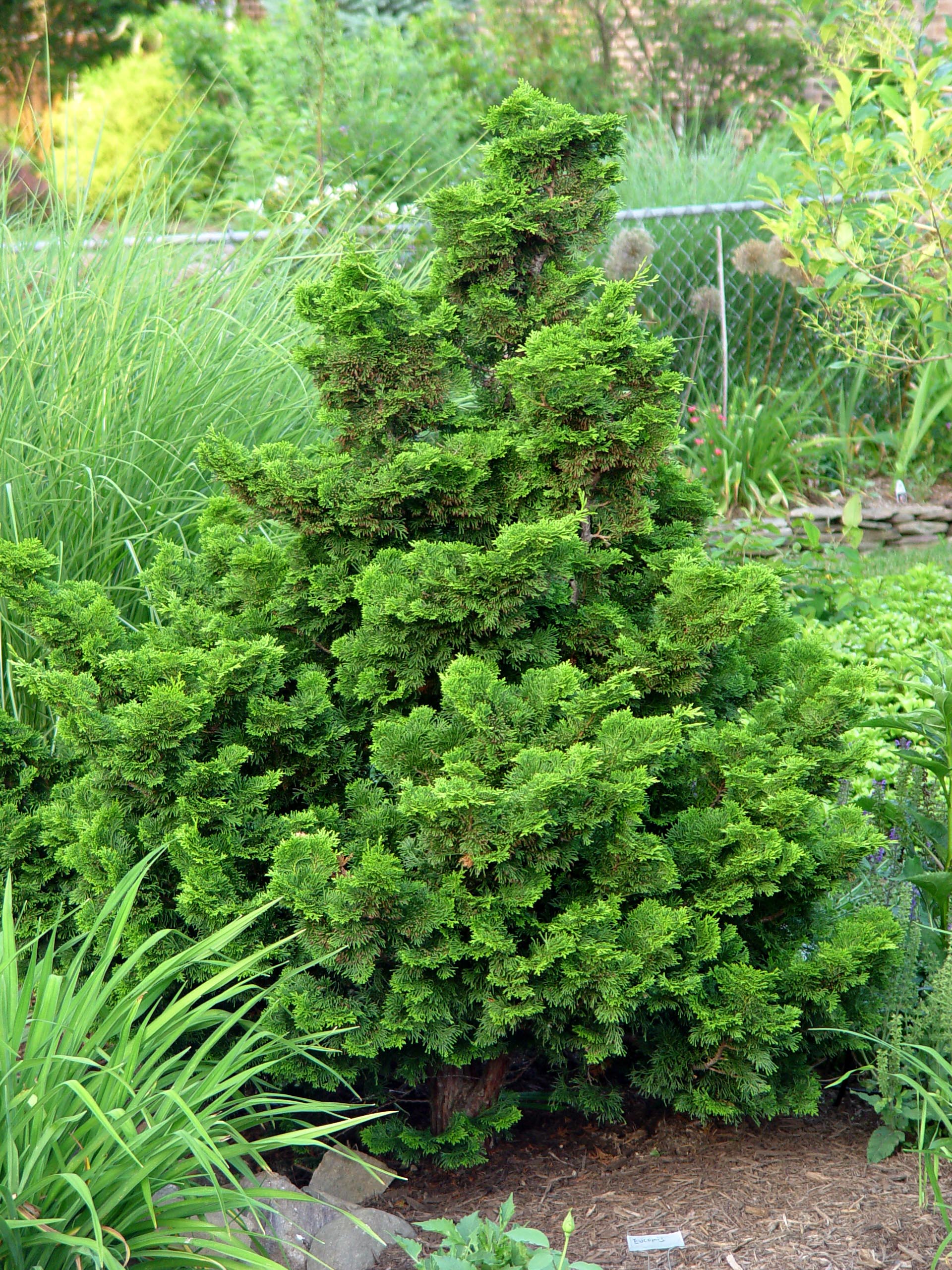
Dwarf Hinoki cypress 'Nana Gracilis'
* Common name: Dwarf Hinoki cypress ‘Nana Gracilis’
* Botanical name: Chamaecyparis obtusa ‘Nana Gracilis’
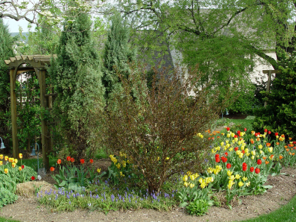
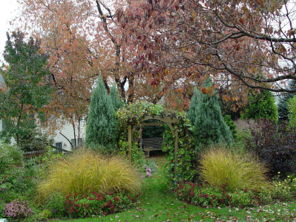
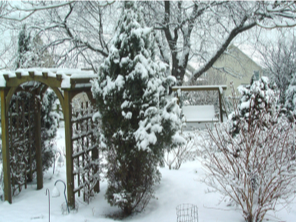
* What it is: A compact, slow-growing, upright, soft-needled green evergreen with a loose pyramidal form. ‘Gracilis Compacta’ is very similar and may be the same.
* Size: About 6 feet tall and 5 feet wide in 15 years.
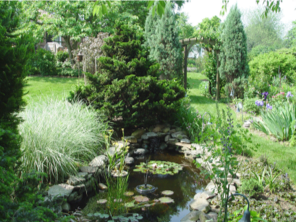
* Where to use: Superb specimen by front door, next to patio, at house corner or backdropping the falls of a water garden. Full sun or part shade.
* Care: Virtually none after watering enough to establish roots over first season. Scattering of Holly-tone or similar organic, acidifying granular fertilizer is helpful each spring but not absolutely necessary. Pruning not needed if you allow for 5 to 6 feet of width. Bug-, drought- and disease-resistant.
* Great partner: Any gold or yellow perennial, such as dwarf goldenrod, coreopsis, dwarf daylilies, mums or black-eyed susans.

Is there a cultivar similar to the nana gracilis that is yellow?
Yes. ‘Verdoni,’ ‘Nana Lutea’ and ‘Tetragona Aurea’ are three varieties of dwarf Hinoki cypress with gold-shaded leaves.
I live in zone 5. I have had my dwarf Hinoki for about 10 years. It has doubled in size in a shady area in my north facing garden, but is still a little guy at 12″ x18″. This spring we un covered and found almost half the needless had turned brown. Other years there is always a little winter kill but this year was very upsetting. Is there something we can do to revive it?
I was gifted a nana gracilis. The bottom branches start about 12″ off the ground. Will it ever have a good shape? Consistent with your picture? Thanks George.
Anne,
The remaining lower branches may hang down a bit to eventually cover some of the gap, but once the bottom branches have been removed, the plant won’t regrow new ones.
Cathy,
If all of the browning needles are toward the inside of the branches, that’s drop of old needles and isn’t a serious issue. However, stresses such as drought or erratic weather changes or unusually cold winters can cause more drop than usual, leaving behind a more bare look than normal.
If the stress was fleeting, the plant should fill in as new growth occurs this season. With a few good growing seasons, it should recover and look much better. No need to do anything special, other than to keep the soil damp in drought conditions and fertilize if a soil test indicates there’s a deficiency.
Brown needles the whole way out to the end of branches and/or extreme thinning that occurs even in good growing conditions means something else is at work (i.e. poorly drained soil, excess mulch, circling roots, too-deep planting, etc.). Hinoki cypress is very disease- and bug-resistant so I doubt that’s the problem.
Thanks for your reply George
The needles are brown to the tips in many places-so not the usual winter kill. Winter conditions were much the same as always around here. We always cover the plant to protect it over the winter. The other contributing factor may be that it is planted in an elevated bed (3-4 ft) close to the edge of the wall. We wondered if the roots grew too close to the wall this year and suffered from exposure. The temps can get as low as -30 C where I live. I was going to give it some evergreen fertilizer and apply it half strength at first. I have also thought of moving it into a more sheltered location. Do you think moving it will now will just add to its stress? Cathy
Cathy,
Browning the whole way out to the tips is a more serious issue. If your winter temperatures get down to -30C (about -22F), that’s getting into Zone 4. Zone 4 is the low end of Hinoki cypress’s cold hardiness, so my hunch is that you’re seeing winter dieback.
If even covering the plant didn’t help, I think moving it would be a good idea. Somewhere out of the winter wind would be better and along a south- or west-facing brick or stone wall to take advantage of absorbed heat from the strongest sun.
The elevated bed might have worked slightly against you here by bringing the roots up from the surrounding insulating effect of soil… almost like what happens when growing in a pot (which reduces winter hardiness by about a full zone).
Keep the plant well watered going into winter wherever you have it. Once the ground freezes, the needles can’t get new moisture. So you don’t want the plant going into winter already not fully hydrated.
If there’s enough life left in the surviving branches, the plant should slowly fill back in and improve in looks (assuming it doesn’t run into new damage).
I’m having the same problem as Cathy… mine is in a bed near the street & has been doing great for almost 4 years but now browning and in some places even almost bare branches…I’ll keep it watered & I applied some fertilizer & we’ll see how it goes.
Its some sort of larvae eating it … I used some seven dust… What else can I do?
Steve,
It’s unusual for a bug to attack Hinoki cypress (at least in our area), but Sevin is a broad-spectrum insecticide that kills a lot of different bugs.
I think it makes most sense to get a specific diagnosis of the bug so you can target any controls exactly to it and get the timing right while doing as little collateral damage as possible to beneficials.
If you can see the actual bug in action, try bagging it and taking it either to a local garden center or to your county Extension office — many of which have Master Gardeners on duty at certain times who can diagnose plant problems and make recommendations.
One bug you might want to explore as a possible suspect is bagworm. The larval stage chews on the needles of many evergreens. A June spray of Bt is effective in killing them, as is hand-picking any cocoons that you can see and reach.
Bagworm may well be the problem… the cacoons hang from from the branches and you can see them moving inside … plain disgusting! I’ve never seen one before.
I’m not familiar with Bt… Can I get it at Home Depot? I live in Nashville Tn. BTW. And Thanks for your prompt response … I really like that little tree & nicknamed it “Oven mitt” due to his profile … LOL
Steve,
Bt is fairly available, even at box stores, although that’s the ingredient (a bacterium, not a synthetic chemical). It stands for Bacillus thuringiensis. The name on the label might say something else, but that’s what to look for in the ingredient listing.
I can’t thank you enough… as soon as I finish my yard work I’ll go & find it … I’ll let you know what the brand is…
My problem is much like Cathy’s, though my Hinoki was planted in March. The inner leaves are turning yellow, leaving a third of the tree yellowed. The clayish soil that it was planted in might not allow for proper drainage. I wonder if I should dig it the 5′ tree out, and recondition the soil before replanting. Any advise would be appreciated.
Chester,
Yellowing of inner needles is normal for Hinoki cypress. It’s the older needles shedding. If the outer growth is green and healthy-looking, the plant is doing fine. Stress can increase the amount of needle drop from year to year, such as drought or erratic weather.
I wouldn’t dig it unless the ground is noticeably soggy at times. Hinoki cypress can tolerate clay soil but not to the point where the roots are sitting in sogginess. That can rot roots and kill the plant. Early signs of that would be stunted growth and a lack of fullness to the foliage. Also poor color throughout. But just sticking your finger into the soil around the plant should help you monitor how well the soil is draining after rains.
If we do want to prune it back is there a recommendation for how to do that? Ours is a little taller that what we would prefer right now (about 8-10 feet?).
Thanks!
Susan,
You can prune Hinokis, but it’s best to do it as lightly as possible and never back into bare wood. Once the plant reaches the size you want, wait until end of winter and prune back just enough to keep it that way. Do this each year.
If you let it get bigger than you want and then try to bring it back into size, you might not be able to do that without cutting off so much that you’re back into the needle-less area of the inner branches. If you cut that drastically, you’ll either kill it or permanently disfigure it.
I also like to prune branches individually as opposed to shearing, but shearing is OK so long as you’re staying out far enough that green is intact.
THANK YOU!
Do any of the three varieties you list as gold-shaded leaves, ‘Verdoni,’ ‘Nana Lutea’ and ‘Tetragona Aurea’ do well in open shade? Are any more tolerant than others? I’m hoping for one beside my front door under a covered porch that gets some late afternoon sun, but the light is filtered through tree leaves. Would love for one to thrive in this atmosphere. Thank you!
Jessica,
Hinokis are somewhat more shade-tolerant than a lot of conifers, but they will get “leggier” (less dense) as the light supply goes down. Gold ones like the three you’re considering also tend to be more green as the light goes down.
I think any of those will survive and do OK in the light you describe, but I don’t think it’s enough light for them to thrive or look as good as they would with at least 6 hours of direct sun a day.
With lower light, you might be better off with something like the upright boxwoods ‘Dee Runk’ or ‘Green Mountain’ or a variegated boxwood like ‘Elegantissima.’ None of those are golden, though. The Japanese plum yew ‘Fastigiata’ is another shade-tolerant conifer that’s green, upright and narrow.
Hi. I have a beautiful dwarf Hinoki by my front door. After nearly 20 yrs it has outgrown this spot. Will it survive a move?
Toni,
If you get enough of the root ball, replant the Hinoki well and keep it well watered for at least the next full year until it has a chance for the roots to re-establish, I’d say you have excellent odds.
The more root damage you do and the fewer roots you can dig, the less the odds. Odds also go down if the plant dries out for any length of time soon after time. The bigger and older a plant gets, the harder it is to move. But I’ve seen 100-year-old trees moved into Disneyworld survive a move… just with big enough equipment to get a gigantic root ball.
Bunches of round 1/4 inch balls appear on the top of the plant. I believe they are seeds. Can you plant them with any success?
Allan,
Yes, those are seeds within the cones that you’re seeing, but I’ve never tried starting them. Since they don’t drop and germinate, that tells me they’re either sterile or need some special handling or conditions to germinate, such as cold stratification.
I did find some instructions online but don’t know how reliable they are at this link: http://homeguides.sfgate.com/chamaecyparis-obtusa-germination-instructions-71066.html
Hi George, I bought a Chamaecyparis obtusa Nana (True Dwarf Hinoki Cypress) with hopes of planting it in a whiskey barrel with a couple dwarf boxwoods. I was told I could keep them small enough to have in a fairy garden. I live in zone 5 but they would be protected by the house from winds. Is there anything else I can do to keep them in the barrel & keep them happily growing? Thank you…
Sherril,
You’re on the northern fringe for Hinoki cypress (usually USDA rated for cold-hardiness Zone 5). Growing in a pot increases winter risk by a zone, which means you’re pushing it in a cold winter.
Protecting from wind would help. Also good would be moving the pot inside in an unheated garage or shed (preferably near a window for light) and giving it occasional water to keep the soil slightly damp over winter.
If that’s not possible, could you push the pot up against a heated wall or south- or west-facing stone or brick wall for winter?
A third possibility is insulating the pot with leaves or mulch for winter. Or if you have a spot, burying the pot in a leaf-lined pit (with the plant sticking out) for winter. That way the earth can help keep the roots a little warmer and out of the cold, drying wind.
If it’s a cold and dry winter, it would help to water a little on above-freezing days. Usually, melting snow and ice and winter rains mean you don’t need to water in winter, but if you go weeks without any moisture, roots can freeze-dry in a pot.