



Weeping Alaska cedar

Weeping Alaska cedar
* Common name: Weeping Alaska cedar
* Botanical name: Chamaecyparis nootkatensis ‘Pendula’
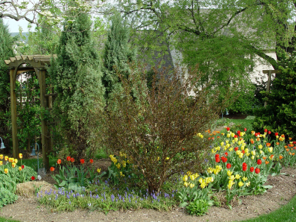
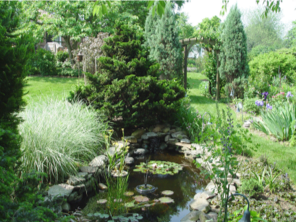
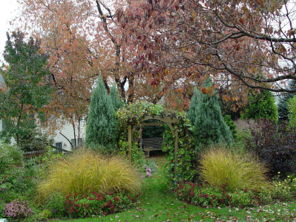
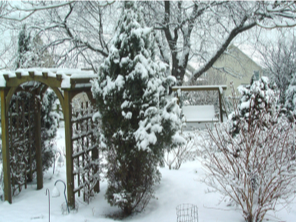
* What it is: A graceful, narrow, upright, soft-needled green evergreen with a gently weeping habit.
* Size: 25 to 30 feet tall, 10 feet wide
* Where to use: Nice specimen for a house corner or as the centerpiece of a large island garden. Full sun to part shade.
* Care: Water deeply once a week when dry in the early years. Given the space to mature, no pruning, fertilizing or other care needed. If you must prune, cut arms back to a joint one by one. No shears!
* Great partner: Ring with golden St. Johnswort ‘Brigadoon’ or abelia ‘Kaleidoscope.’

Hello! I just had a Weeping Alaska Cedar put in my front yard flowerbed. It looks healthy with the exception of some lower branches that are turning yellow. I’m hoping it’s from “transfer shock”? Is there anything I can do to help it get acclimated easier?
Thank you
Christina
Christina,
If it’s just the inner part of the branches turning yellow, that’s OK. It’s normal for those to drop. The shock of transplanting can cause more of that kind of yellowing than usual.
If you’re seeing yellowing all the way to the ends of the branches and/or poor color all over the new tree, that’s more concerning. When roots are damaged during digging/transplanting or when the new site conditions aren’t suitable, plants die no matter what you do after the fact. Some people try to fertilize them in a futile attempt to revive dead or dying roots.
Lack of water, soggy conditions, and planting too deeply are three common problems that lead to downfalls soon after planting. Excess mulch packed up against the trunk is another. Those are issues to consider when deciding if there’s anything you can or should do, such as pull back or reduce mulch, raise the planting depth, or transplant the tree into better soil or a more suitable site.
Dig it out again and move it, also add bonemeal to the hole before you re-plant it.
Claire,
Bonemeal isn’t a panacea and would be only of mild help if the main problem here is lack of phosphorus, which is hardly ever lacking in central-Pa. soils.
I’d also be concerned that doing another dig-up could add even more stress, unless there’s evidence that the planting site is in need of amending.
How far should a Weeping Alaskan Cedar be planted from a fence and other shrubs? It is being planted in a corner where two fencelines meet.
Thank you!
Maria,
These get “fatter” than you might think over time… at least 10 to 12 feet across in 20-25 years. Halving those, I’d plant Alaska cedars at least five to six feet away from structures and other plants.
We have a mature weeping Alaska Cedar and have noticed the needles are turning brown and falling off. This was planted several years ago by a professional landscaping company. We have never fertilized it. Is this tree dying? What do we do?
Gary,
If the needles that are browning and dropping are all coming from the inner parts of the branches and the ends are still green, this is a natural needle drop and nothing to worry about. Some years the drop is more than others.
If needles are falling off the entire branches right to the ends, that’s more worrisome. This tree doesn’t often run into disease or bug issues, so it would take some investigating to determine the cause. Soggy soil is one possibility. I don’t think lack of fertilizer has anything to do with it.
I know the tree does best in full sun but how much shade can it manage? The area we have is out in the open in bright shade…it gets ~2hrs direct mid day sun, maybe an hour morning light, with dappled light the rest of the day.
Mark,
That sounds like a site better suited for a shade-preferring species. I think an Alaskan cedar will grow there but probably end up more open and “leggy” than ideal.
Some upright evergreen alternatives that are a little more shade-tolerant include arborvitae, boxwoods such as ‘Dee Runk,’ Hinoki cypress, holly, Japanese umbrella pine, laurels, upright Japanese plum yew, and if deer aren’t around, upright yew.
My Weeping Alaskan Cedar is quite healthy and approximately 40 ft tall. It has developed a lean of about 10 degrees and it seems top heavy with branches on the leaning side. I am concerned with it falling over in strong winds. Suggestions?
Eugene,
My main concern would be that the root system is starting to fail. We’ve had some very wet conditions the past two years that have created soggy soil at times and rotted roots of some plants. Most conifers don’t like “wet feet” for very long.
Is your Alaska cedar in a sometimes-wet or low-lying area? Is the whole trunk leaning or just toward the top? Does there seem to be a lot of “give” if you try to move the trunk? If wet soil is a possibility and the whole trunk is leaning and easy to move, some support (i.e. cabling or staking) can help right it and keep it from toppling in hopes that drier weather will allow new roots to grow and give new support to the tree. With a 40-foot tree, you’d probably need a tree company to do the job.
Pruning some of the branches off of the “heavy” side might also help, but I doubt that excess branches alone would be enough to cause a lean.
I’d keep a close eye on the tree and make sure the lean isn’t getting worse, which is a sign of a possible fall-over. If there’s any kind of target in the fall zone of the tree, I’d have a tree company have a look ASAP.
good morning,
I have a new approx. 6ft tall Weeping Alaskan cedar. Will it fill out in time? I noticed they differ in their appearance and I do prefer the fuller look.
thank you
Denise
Denise,
Weeping Alaska cedars usually fill in (“fatten”) with time and growth, unless you’ve bought a columnar form like ‘Green Arrow.’ There’s also some variability in the look from tree to tree.
The quality of your soil and availability of light are two of the factors that will determine how full the tree gets and how fast it happens.
Light shearing is a technique that can encourage denser growth in many evergreens, but that can be counter-productive to the nice weeping habit of a tree like weeping Alaska cedar. Personally, I’d just let it do its thing.
Hi, we bought a weeping alaskan cedar in spring as a memorial tree for our Great Dane that passed away. It was doing great and getting taller but we have had a lot of heavy rain this summer and it is slowly starting to yellow and brown and stopped growing. I noticed there are some tiny spider webs thru out but didn’t see it causing much damage. It gets full sun, has plenty of room, mulch is away from trunk… I think the issues are with the roots. I’m really wanting to save this tree and I was wondering if digging it up and giving it some nutrient soaked soil could help it stay alive? I know the roots are the main concern with these types of trees, how does one know if there is root rot? Thank you for your time!
My two cedars were damaged in Hurricane Isaias. Salt from sea spray. I hosed them down and put gypsum in the soil. My local nursery said it should not kill the entire tree but it will take a few years once the dead green falls off. Does that opinion sound correct? Is there anything I can do to promote new growth on the branches once they fall off?
Leigh,
Hosing ASAP was the best thing. Rain should leach salt from the soil over time, and the gypsum helps mitigate soil-bound salt, too. So you’ve done about all you can do. Don’t fertilize. Just ample amounts of fresh water when the soil goes dry the rest of this season.
I think you might see a rebound next spring already.
Camryn,
If the tree is browning all over, it may be dead already. We’ve had very dry and brutally hot weather in Pennsylvania for most of summer, so most of the evergreen troubles we’re seeing have been related to that.
If you’ve had excess rain (not sure where you’re at or what other local conditions might be at play), then it’s possible the roots rotted in soggy soil. The way you’d know that for sure is when you dig up the tree. Rotted roots will be black, wet, and decaying — or gone already if they’ve been rotting long enough. You might also smell a sewer-like odor in the soil. The soil might even still be soggy and very heavy.
Most evergreens do best in well drained soil and in slightly raised beds. Clay soil and low-lying areas are bad news. If you suspect rotting, then the sooner you get the tree out of that and into a better drained location, the better. You’ll be able to see if the roots are intact when you do the transplant.
In the middle of a heat wave is a bad time to transplant, so if you’re having the heat we are, I’d probably move the tree temporarily into a large pot with potting mix in a shaded location. Then it can be moved to a new permanent location later in fall when things cool off. I wouldn’t fertilize. Just keep the mix damp but never soggy.