

• Home
  • Contact
  • Site Map
George Weigel - Central PA Gardening
  • Landscape 1
  • Landscape 2
  • Landscape 3
  • Landscape 4
  • Garden Drawings
  • George's Talks & Trips
  • Patriot-News/Pennlive Posts
  • Buy Helpful Info

Navigation

  • Ramblings and Readlings Home
  • Storage Shed (Useful Past Columns)
  • About George
  • Sign Up for George's FREE E-Column
  • Plant Profiles
    • Annuals
    • Edibles
    • Roses
    • Bulbs/Corms/Tubers
    • Evergreens/Conifers
      • Boxwood 'Green Velvet'
      • Cherry laurel
      • Boxwood 'Dee Runk'
      • Juniper 'Gold Cone'
      • Concolor fir
      • Nandina 'Firepower'
      • Oriental spruce
      • Arborvitae 'Green Giant'
      • Boxwood 'Elegantissima'
      • Boxwood 'Justin Brouwers'
      • Dwarf cryptomeria 'Black Dragon'
      • Serbian spruce
      • Juniper 'Silver Mist'
      • Boxwood 'Green Mountain'
      • Dwarf arborvitae 'Holmstrup'
      • Bosnian pine
      • Japanese plum yew 'Fastigiata'
      • Spreading English yew 'Repandens'
      • Nordmann fir
      • Box honeysuckle 'Baggesen's Gold'
      • PJM rhododendron
      • Hinoki cypress 'Gracilis'
      • Cryptomeria 'Globosa Nana'
      • Eastern red cedar
      • Bald cypress
      • Dwarf blue spruce 'Fat Albert'
      • Hinoki cypress 'Verdoni'
      • Leucothoe
      • Cryptomeria
      • Dawn redwood
      • Dwarf Birds Nest Spruce
      • Dwarf goldthread falsecypress 'Golden Mop'
      • Dwarf Hinoki cypress 'Nana Gracilis'
      • Hinoki cypress 'Crippsii'
      • Holly 'Blue Princess'
      • Holly Dragon Lady
      • Holly Red Beauty
      • Japanese umbrella pine
      • Korean Fir
      • Osmanthus 'Goshiki'
      • Russian cypress
      • Rhododendron 'Ken Janeck'
      • Sweetbox
      • Weeping Alaska cedar
    • Flowering shrubs
    • Ornamental Grasses
    • Perennials
    • Trees
    • Vines
  • Timely Tips
  • George’s Handy Lists
  • George's Friends
  • Photo Galleries
  • Public Gardens Worth Seeing
  • Links and Resources
  • Support George’s Efforts


George’s “Pennsylvania Month-by-Month Gardening” helps you know when to do what in the landscape.

Read More | Order Now


Pennsylvania Getting
Started Garden Guide

Click Here


George’s “Survivor Plant List” is a 19-page booklet detailing hundreds of the toughest and highest-performing plants.

Click Here


Has the info here been useful? Support George’s efforts by clicking below.


Looking for other ways to support George?

Click Here

Oriental spruce

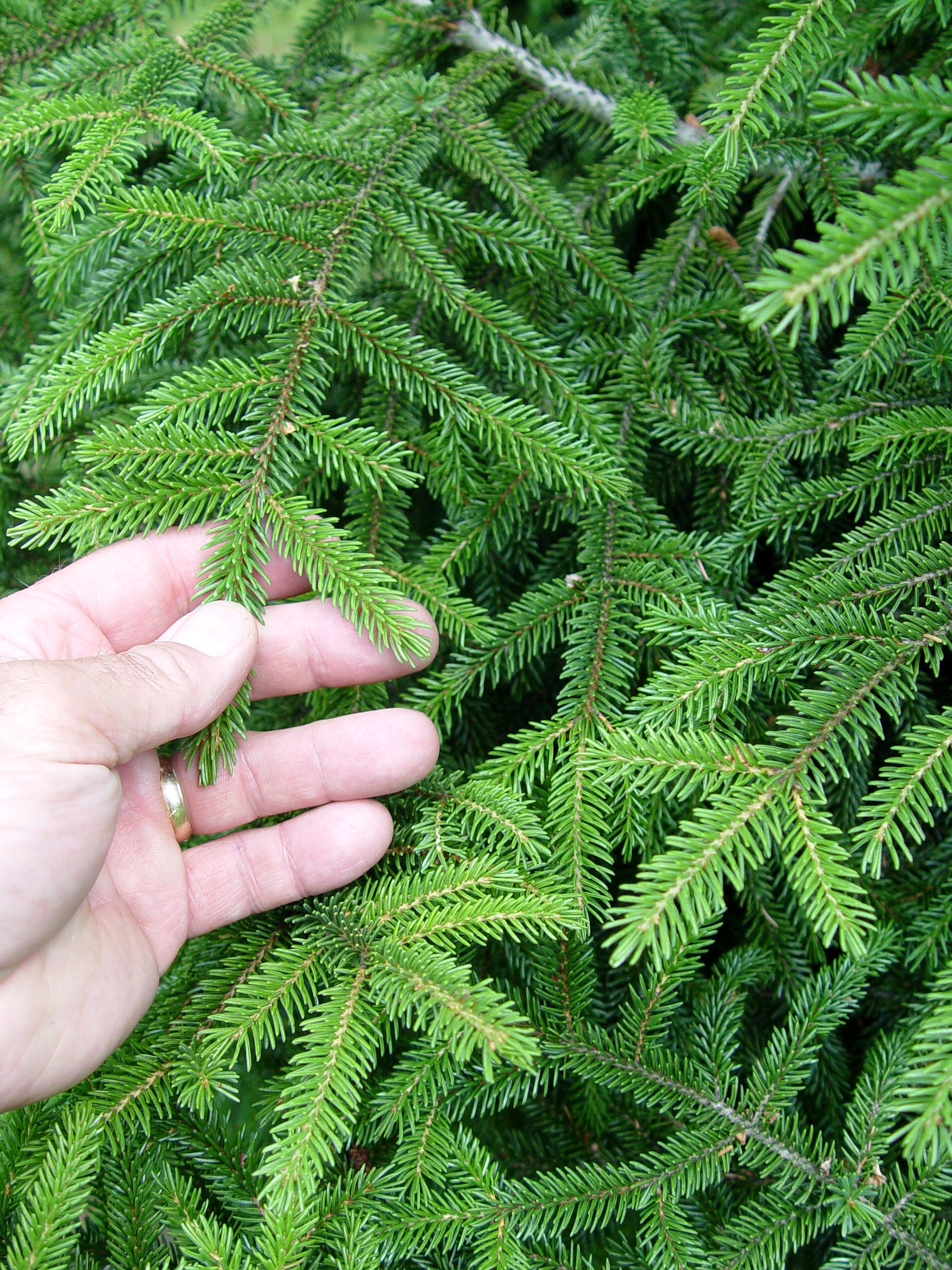
* Common name: Oriental spruce

* Botanical name: Picea orientalis

* What it is: A tall, upright, graceful evergreen tree with short and fairly soft needles of medium green. Habit is gently arching. The small flowers are red, which makes this evergreen unusually colorful for a few weeks in spring.

* Size: 50 to 60 feet tall, 20 to 25 feet wide.

* Where to use: Nice enough as a specimen evergreen for a property corner but also useful in groups as a sunny screen planting (if you have 20 feet or so of border space to work with). Best in full sun.

* Care: Improve soil with compost before planting and keep soil consistently damp (never soggy) for first full year. An annual spring scattering of Holly-tone or similar acidifying organic fertilizer is helpful. Pruning not needed if you give it proper space.

* Great partner: Ring with bright gold or red perennials, such as black-eyed susans, gaillardia, coreopsis, mums and/or daylilies.



Comments


2 comments

  • Henry says:
    May 27, 2018 at 10:32 am

    Hello George

    We planted a beautiful oriental spruce this spring - 8 foot. We have not seen any new growth. One lower branch has died. Perhaps we need to dig around it and amend the soil which seems compacted and moist, like clay.
    Advice?

  • George says:
    May 30, 2018 at 4:15 pm

    Henry,
    That’s not a good sign that you haven’t seen any new growth yet. Also not good that you’re seeing dieback. If the soil is soggy and clayish, that should have been corrected (or another site selected) at planting since spruce don’t do well with “wet feet” and heavily compacted soil.
    It’s possible you may be able to save the plant by digging it back up and planting in better drainage and looser soil — whether you move it to a better site or improve and raise the current bed and replant.
    If you dig up the plant and inspect the rootball to find rotting roots and/or a sewer-like smell, you’ll confirm it was compaction and poor drainage behind the trouble.
    I can’t say for sure if that’s what’s going on here without seeing the situation first-hand, but your observations fit the scenario.

Leave a Reply

Click here to cancel reply.


George's Certifications
  • Home
  • Garden House-Calls
  • George's Talks & Trips
  • Disclosure

© 2018 George Weigel | Site designed and programmed by Pittsburgh Web Developer Andy Weigel using WordPress