
10 Ways to Be a Greener Gardener
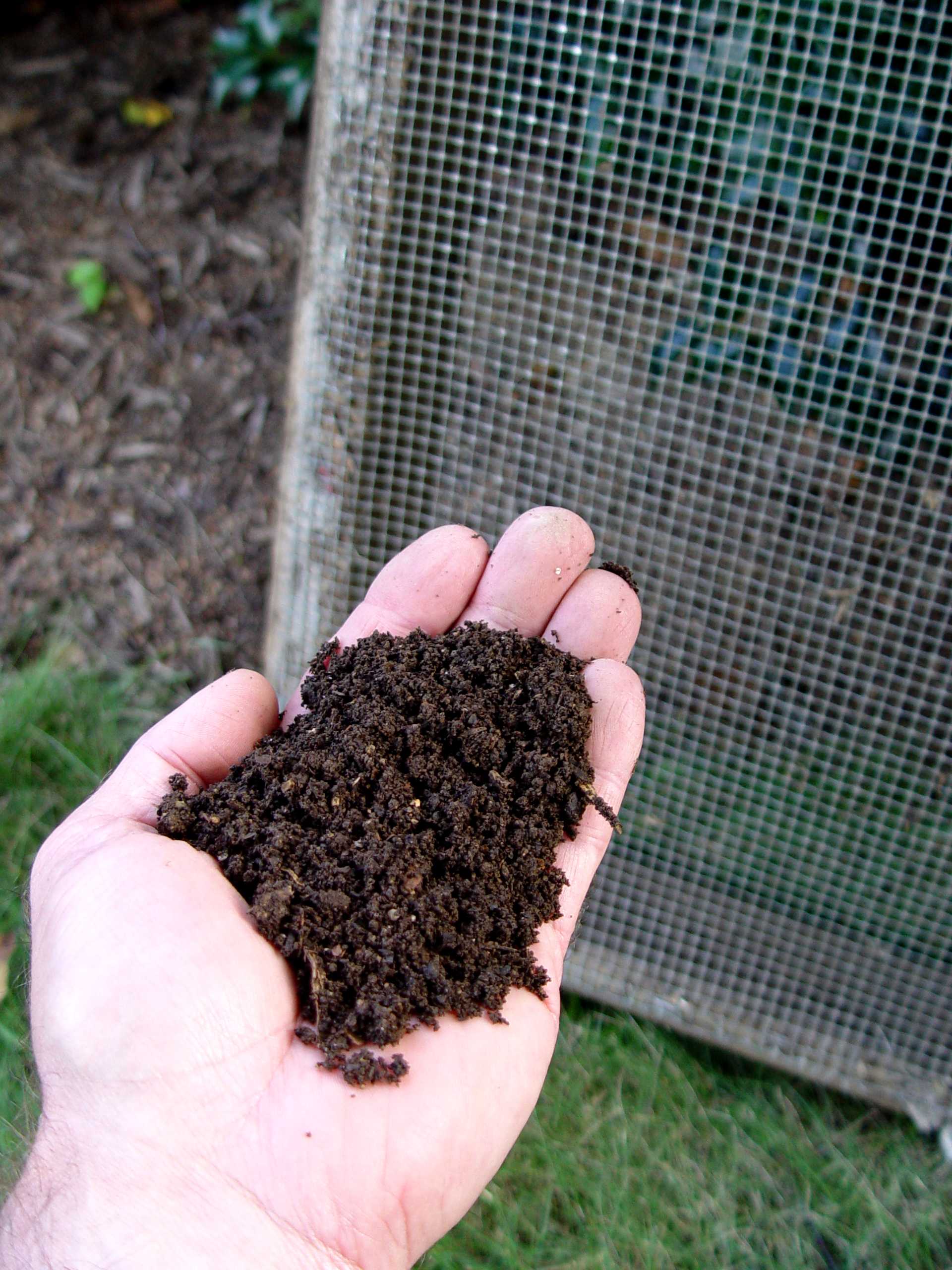
Compost is black gold: the garden food of champions.
1.) Do you compost? It yields the best soil amendment while keeping leaves, grass clips and kitchen peelings out of the waste stream. It’s the garden food of champions. Black gold.
2.) Do you recycle in the yard and garden? Besides leaves and such in the compost pile, chipped branches can be used as homemade mulch. Newspaper makes a good mulch underneath straw or wood chips. Plastic containers can be reused to start seeds, grow plants or protect young plants from the cold. Even holey nylons can be used as plant ties and old bowls reused as birdbaths. Be creative. Don’t just bag everything and pay to have it hauled away.
3.) Are you letting the grass clips lie? Grass clippings feed the lawn as they decay. Cut often enough that the grass doesn’t mat. If you get behind, direct clips into the center of the yard, rake the channels and add the clips to the compost bin. Clips don’t cause thatch problems.
4.) Are you a leaf neatnik? You don’t have to clean every last leaf out of the yard in fall. Small to moderate amounts on the lawn can be left and chopped with a mower. They’ll break down and add organic matter. Leaves in gardens provide winter insulation and food for worms. Heavy amounts can be raked off, chopped and added to the compost pile or used to top vegetable gardens.
5.) Are you spraying less (if at all)? Don’t spray the whole yard “just in case” at the first sign of something crawling. First identify the problem. Is it really even a problem? Separate the temporary, cosmetic damage from the real plant-killing threats. Be more tolerant. If you need to treat, start with the most targeted, least invasive measure at the proper time. Only haul out the big guns if/when absolutely necessary. Or get rid of chronic-trouble plants in favor of something more bullet-proof.
6.) Do you do your plant homework before buying? Know your site and then match plants to those conditions. Lean toward varieties that aren’t prone to bugs and disease in the first place. Take a look at natives. At the very least, avoid known and suspected invasive varieties and the worst bug magnets.

George's rain barrel.
7.) Do have a rain barrel or two? These reduce runoff and let you collect fresh water that can be used later to water pots and gardens without using public water or tapping into the well.
8.) Have you thought about a rain garden? A new trend, these are gardens designed to keep water (and pollutants in it) on site instead of directing it ASAP into storm systems. Rain gardens are slightly depressed gardens with retrofitted well drained soil. They’re designed to capture water and let it soak in within a day or less. They’re planted with species tolerant of “wet feet.”
9.) More power to the people. Trade in some of those gas-powered tools for people-powered rakes, shovels, pruners and weeders. You’ll exercise your aging muscles while cutting air and noise pollution and using less gasoline. Second best is switching to tools powered by rechargeable batteries.
10.) Great taste: Less tilling. You may need to till once when first making a bed and incorporating organic matter. But don’t till every year. It can harm soil structure and chop up the best natural tillers – earthworms.