• Home
  • Contact
  • Site Map
George Weigel - Central PA Gardening
  • Landscape 1
  • Landscape 2
  • Landscape 3
  • Landscape 4
  • Garden Drawings
  • Talks & Trips
  • Patriot-News/Pennlive Posts
  • Buy Helpful Info

Navigation

  • Storage Shed (Useful Past Columns)
  • About George
  • Sign Up for George's Free E-Column
  • Plant Profiles
  • Timely Tips
  • George’s Handy Lists
  • George's Friends
  • Photo Galleries
  • Links and Resources
  • Support George’s Efforts


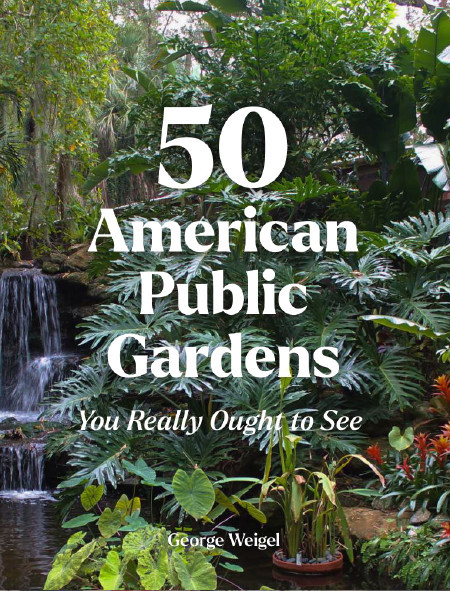
George’s new “50 American Public Gardens You Really Ought to See” e-book steers you to the top gardens to add to your bucket list.

Read More | Order Now


George’s “Survivor Plant List” is a 19-page booklet detailing hundreds of the toughest and highest-performing plants.

Click Here


Has the info here been useful? Support George’s efforts by clicking below.


Looking for other ways to support George?

Click Here

George's Current Ramblings and Readlings

Garden Meets Digital at Nightscape

September 1st, 2015

One of the best things about gardening is that it’s such a basic antidote to our complicated, fast-paced digital world.

Topiary plants turn into moving objects at Longwood's Nightscape.

Topiary plants turn into moving objects at Longwood’s Nightscape. (By Susan Weigel)

That’s a reason I wasn’t sure I was going to like Nightscape – Longwood Gardens’ 2015 exhibit that brings high-tech, cutting-edge projection lighting and New-Age music to my all-time favorite horticultural haven.

But rather than turn haven to havoc, Nightscape is artfully done and paced gently enough to impress this old-fogey plant geek.

I liked it… especially how the Topiary Garden’s sculpted evergreens turned into pulsating musical instruments.

It’s hard to describe exactly what Nightscape is.

The closest example is that room with wave-like, moving lighted walls and ceilings that was the main entrance to the 2012 Hawaiian-themed Philadelphia Flower Show.

There’s similarity because the Philadelphia visual art studio that did that – Klip Collective – also did Nightscape.

This installation, though, is much more elaborate and projects moving light on plants at nine different sites throughout Longwood Gardens. It’s called Nightscape because it goes into action only after dark.

I could try describing what these nine creations look like, but you’re much better off just watching a video on Klip Collective’s website.

While you’re at it, check out the Pennlive piece I wrote on how Longwood Gardens’ flagship Main Fountain Garden is now gone and in the midst of a total revamp that’s going to take 2 years and $90 million to complete.
Read More »


The Cutest Cuke You’ve Ever Seen

August 25th, 2015

I thought I was familiar with most every vegetable worth growing around here, but York County Master Gardener and edible-grower extraordinaire Dennis Mawhinney stumped me a few weeks ago with the cucamelon.

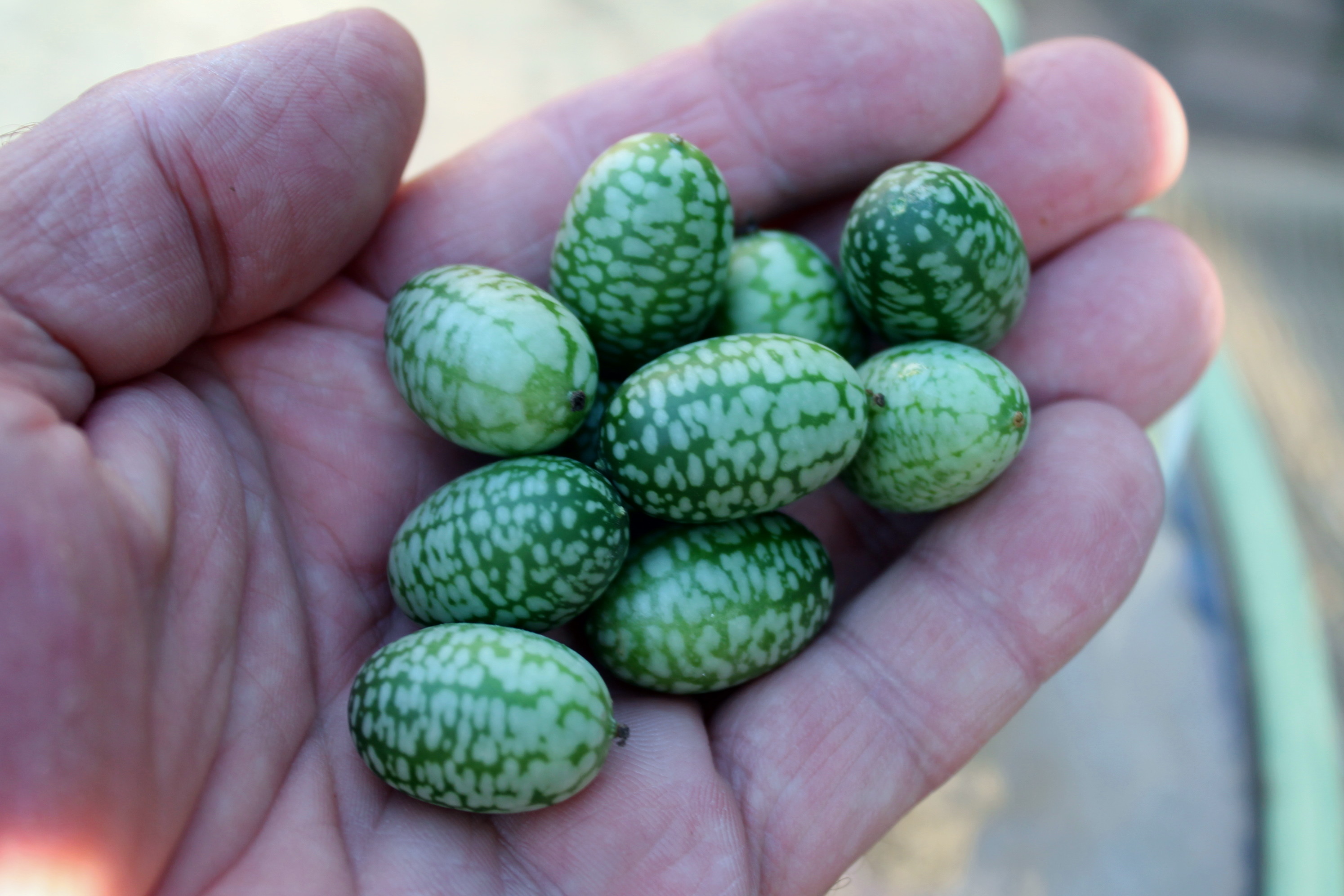
Cucamelons look like miniature watermelons, but they taste more like mild cucumbers.

Cucamelons look like miniature watermelons, but they taste more like mild cucumbers.

Dennis got ahold of some seed and tried this vining crop, which produces gobs of grape-sized fruits that look exactly like miniature watermelons.

That’s why cucamelons are also called “mouse melons,” or in their central-American homeland, “Mexican sour gherkins.”

Although the fruits look like cute little watermelons, they taste a whole lot more like mild cucumbers flavored with a dash of lemon.

You can eat them right off the vine, slice them in salads, chop them into salsa, or do what Dennis did, pickle them whole in jars like any other miniature gherkin.

Me? I thought they were cute looking but less flavorful than a good ol’ cucumber. They were extremely crunchy, though, which I think adds to their snacking allure.

Dennis was particularly impressed with their prolific production.

Once the weather heats up, the skinny vines shoot up as much as 10 feet (with support) and produce a continuous supply of hanging cucamelons from July into fall.

Read More »


Bottom 10 Trees

August 18th, 2015

I already told you about my Top 10 Small Trees and my Top 10 Shade Trees, so it’s only fair that I weigh in on my Bottom 10 Trees.

Not all trees make welcome yard guests.

Not all trees make welcome yard guests.

These aren’t trees that I “hate” or that I’m saying no one should ever plant (at least for most of them). But the following all have some major drawbacks that you should be aware of before inviting them into your yard.

1.) Female ginkgo (Gingko biloba). Unless you enjoy dropping mushy fruits and the smell of vomit, avoid this tree anywhere near civilization.

Ginkgos come in male and female forms. Males are durable and attractive – especially in their golden-yellow fall foliage. Females, however, develop marble-sized fruits that smell like an army has barfed nearby.

That’s why nurseries attempt to sell only males. Double-check. Also be aware that the true gender may not expose itself for years, which is how females still sometimes end up being planted.

That happened recently on the HACC campus, where the staff had to cut down a 15-foot-tall but newly recognized female ginkgo – planted next to the dining hall, no less.

2.) Honeylocust (Gleditsia triacanthus). Let’s say you know about the long and very sharp thorns the native version of this tree has, so you opt for the thornless ‘Shademaster’ variety.

I still hear plenty of complaints from regretful planters who mention: the “messy” dropping seed pods; the suckers that keep popping up around the tree’s base; the surface roots killing off the grass; the mimosa webworm that builds late-summer webs in the canopy, and especially the tree’s plant-bug-fueled leaf drop that causes the little leaves to blow around for months on end.

Read More »


New York’s Best Two Gardens

August 11th, 2015

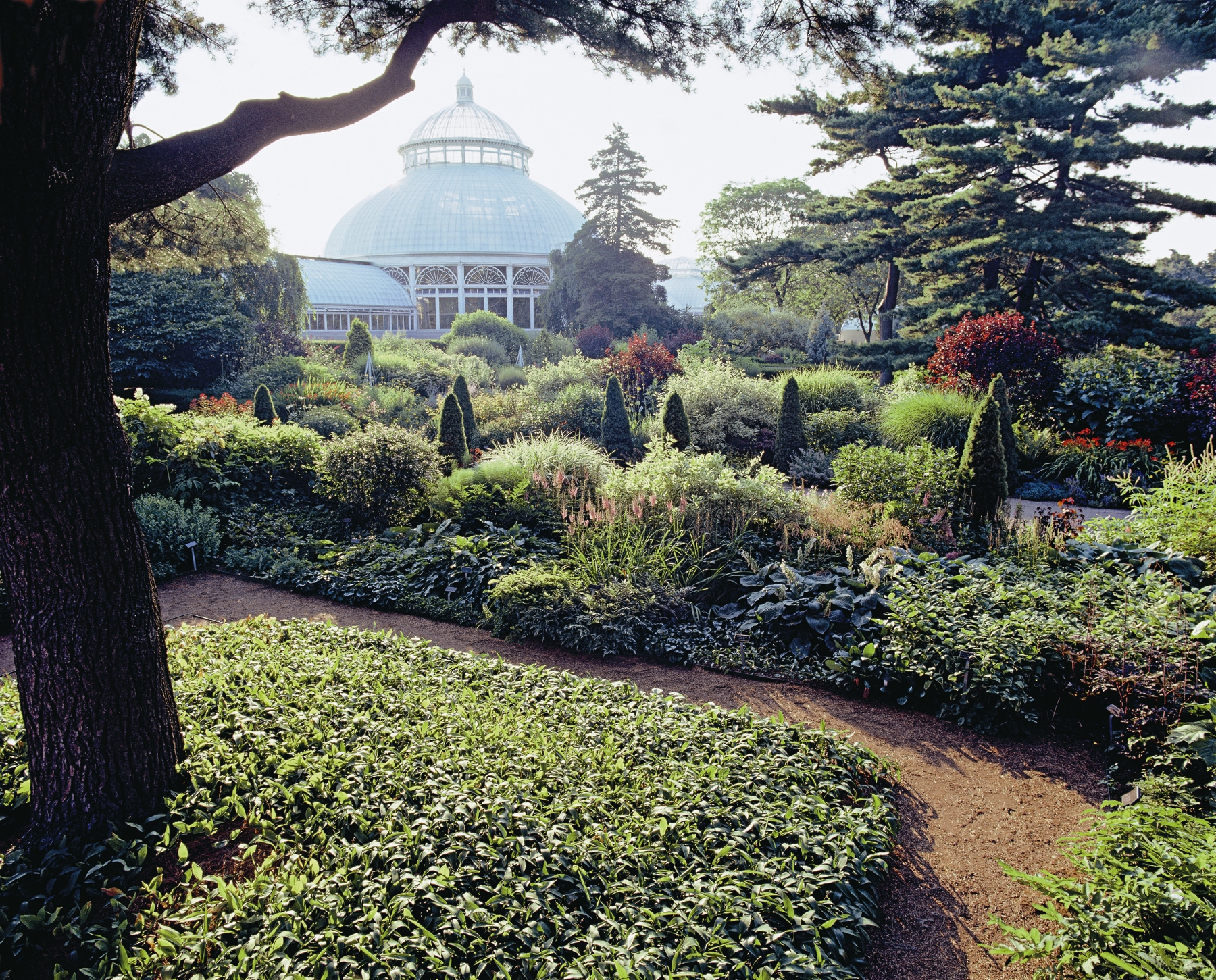
A small part of the New York Botanical Garden in summer.

A small part of the New York Botanical Garden in summer.

The 250-acre New York Botanical Garden is on my top-5 short list of best U.S. public gardens that I’ve ever seen.

Wave Hill in the Bronx has great plants, stunning views and cracks my top-dozen public-gardens list.

You’ll have a chance to see both places in one day – without fighting New York traffic either – on a trip Lowee’s Group Tours and I are planning for Fri., Aug. 28.

We’ll be picking up at both East Shore and West Shore locations and busing to Wave Hill for a morning tour. After lunch overlooking the Hudson River on Wave Hill’s terrace, we’ll head over to the New York Botanical Garden for the afternoon.

Including lunch, transportation, admissions, guided tours at both gardens, prizes on the bus (plants and four $20 gift cards to Stauffers of Kissel Hill), plus tips and insights by yours truly, the cost is $139 per person.

See the detailed itinerary on Lowee’s website or call 717-657-9658 to sign up.

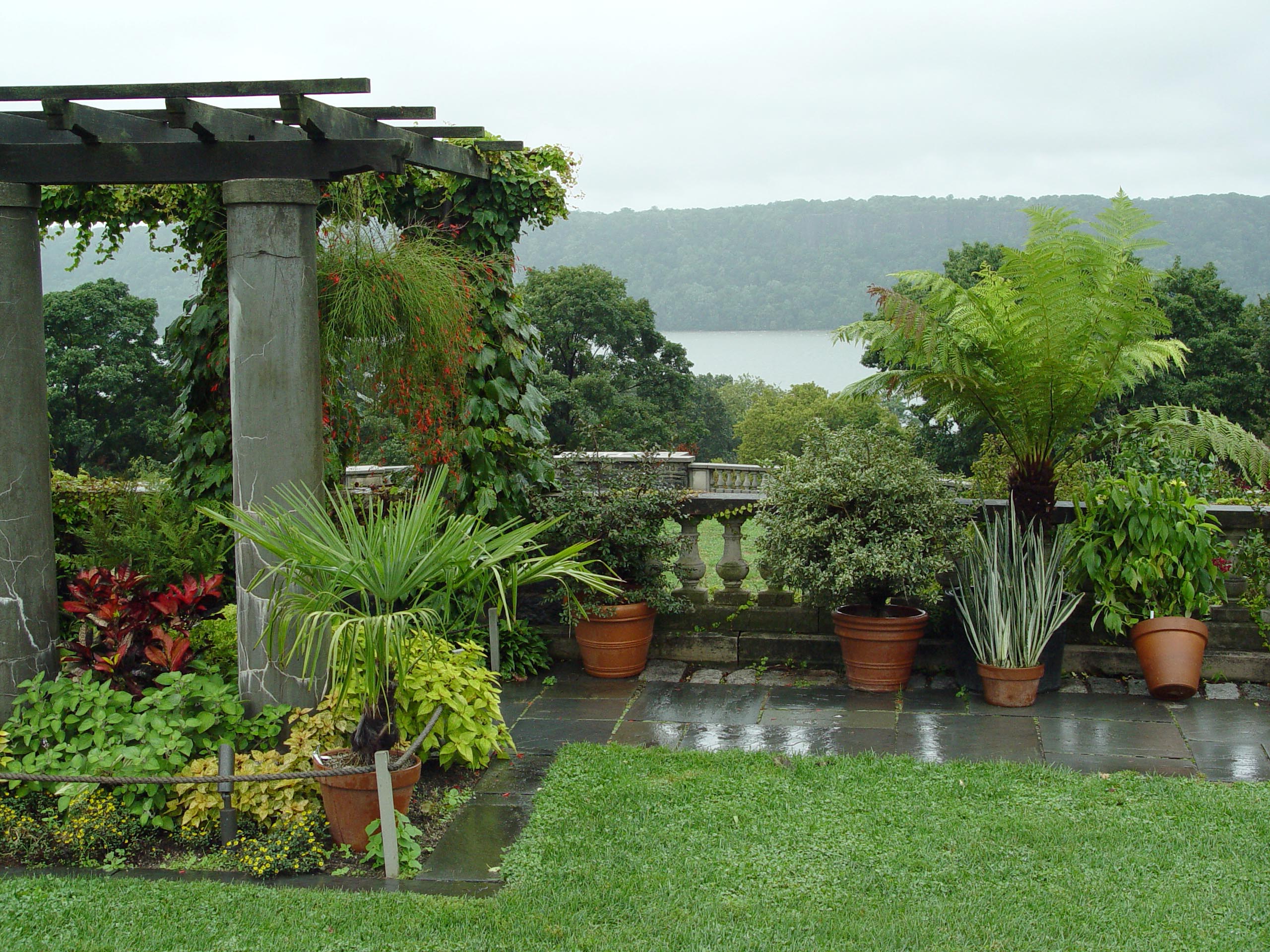
The vine-covered pergola and pots overlooking the Hudson -- my favorite nook of Wave Hill.

The vine-covered pergola and pots overlooking the Hudson — my favorite nook of Wave Hill.

Wave Hill covers 28 acres (slightly bigger than Hershey Gardens) and offers amazing views over the Hudson River to the Palisades cliffs of New Jersey on the other side.

It’s regarded as one of the most beautiful settings in New York City.

Investment banker George Perkins, a partner of J.P. Morgan, developed most of the gardens and greenhouses in the early 1900s before New York City took it over in 1960.

Wave Hill’s gardens now feature a “Wild Garden” of naturalistically designed trees, shrubs and flowers; a formal water garden; a “monocot” garden of plants with single seed leaves (grasses, cannas, bananas, etc.); an alpine plant house with succulents and alpine plants; an extensive herb garden; a nice variety of specimen trees, and a conservatory with three glasshouses.

One unusual type of garden that I’ve never seen anywhere else is Wave Hill’s Paisley Garden of flowers planted in a paisley pattern. It changes every year.

My favorite part of Wave Hill, though, is the vine-covered pergola, surrounded by tropical pots, that overlooks the Hudson below.

It’s one of my favorite all-time views in any public garden. (For my top 10 views of public gardens in Pennsylvania, check out the recent slide show I did for Pennlive.com.)

Read More »


Season of Disease’n

July 28th, 2015

As gardeners, we’re required to complain about the weather, you know. It’s always too much or too little of something, and this year it’s the excessive raininess and humidity leading to all kinds of plant disease (not to mention incessant weed-sprouting).

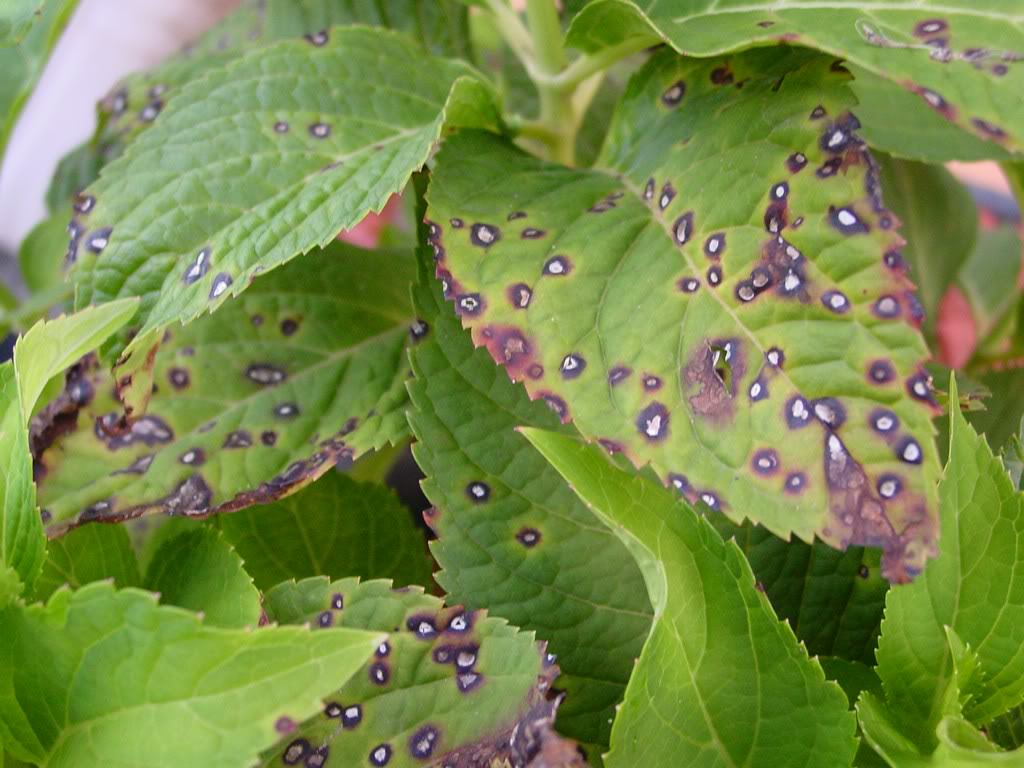
Leaf spotting is usually a fungal problem fueled by wet or humid weather.

Leaf spotting is usually a fungal problem fueled by wet or humid weather.

Up in Halifax, Cheryl and Paul Fulk already have lost a couple of their competition huge pumpkins to rot.

Over in Lower Swatara Twp., Joe Mateer lost his whole set of tomatoes in a matter of days to blight.

And I’m seeing a profusion of moisture-fueled plant issues ranging from powdery mildew on heliopsis to leaf spotting on pear trees to assorted mushroom fungi popping up in lawns.

As Penn State University plant pathologist Dr. Gary Moorman once told me, a wet year is a good year for a plant pathologist: “You never want to see a plant pathologist smiling.”

I think plant pathologists are smiling a lot these days.

Three conditions are needed to kick plant disease into high gear.

One is a plant that’s susceptible to a particular disease.

Second is the presence of a disease organism (pathogen) to infect the plant.

And the third is weather and environmental conditions that favor the pathogen’s growth.

A lot of yards have hit that trifecta this year.

This raises three questions for home gardeners.

1.) “Will this disease kill my plant?”

2.) “Will it spread all over the yard?”

3.) “And, should I do something about it?”

Read More »


« Older Ramblings and Readlings Newer Ramblings and Readlings »

  • Home
  • Garden House-Calls
  • George's Talks & Trips
  • Disclosure

© 2026 George Weigel | Site designed and programmed by Pittsburgh Web Developer Andy Weigel using WordPress