
• Home
  • Contact
  • Site Map
George Weigel - Central PA Gardening
  • Landscape 1
  • Landscape 2
  • Landscape 3
  • Landscape 4
  • Garden Drawings
  • Talks & Trips
  • Patriot-News/Pennlive Posts
  • Buy Helpful Info

Navigation

  • Storage Shed (Useful Past Columns)
  • About George
  • Sign Up for George's Free E-Column
  • Plant Profiles
  • Timely Tips
  • George’s Handy Lists
  • George's Friends
  • Photo Galleries
  • Links and Resources
  • Support George’s Efforts


George’s new “50 American Public Gardens You Really Ought to See” e-book steers you to the top gardens to add to your bucket list.

Read More | Order Now


George’s “Survivor Plant List” is a 19-page booklet detailing hundreds of the toughest and highest-performing plants.

Click Here


Has the info here been useful? Support George’s efforts by clicking below.


Looking for other ways to support George?

Click Here

George's Current Ramblings and Readlings

Plugging the Gaps

June 4th, 2013

   One of the last garden jobs I do each spring is “plug the gaps.”
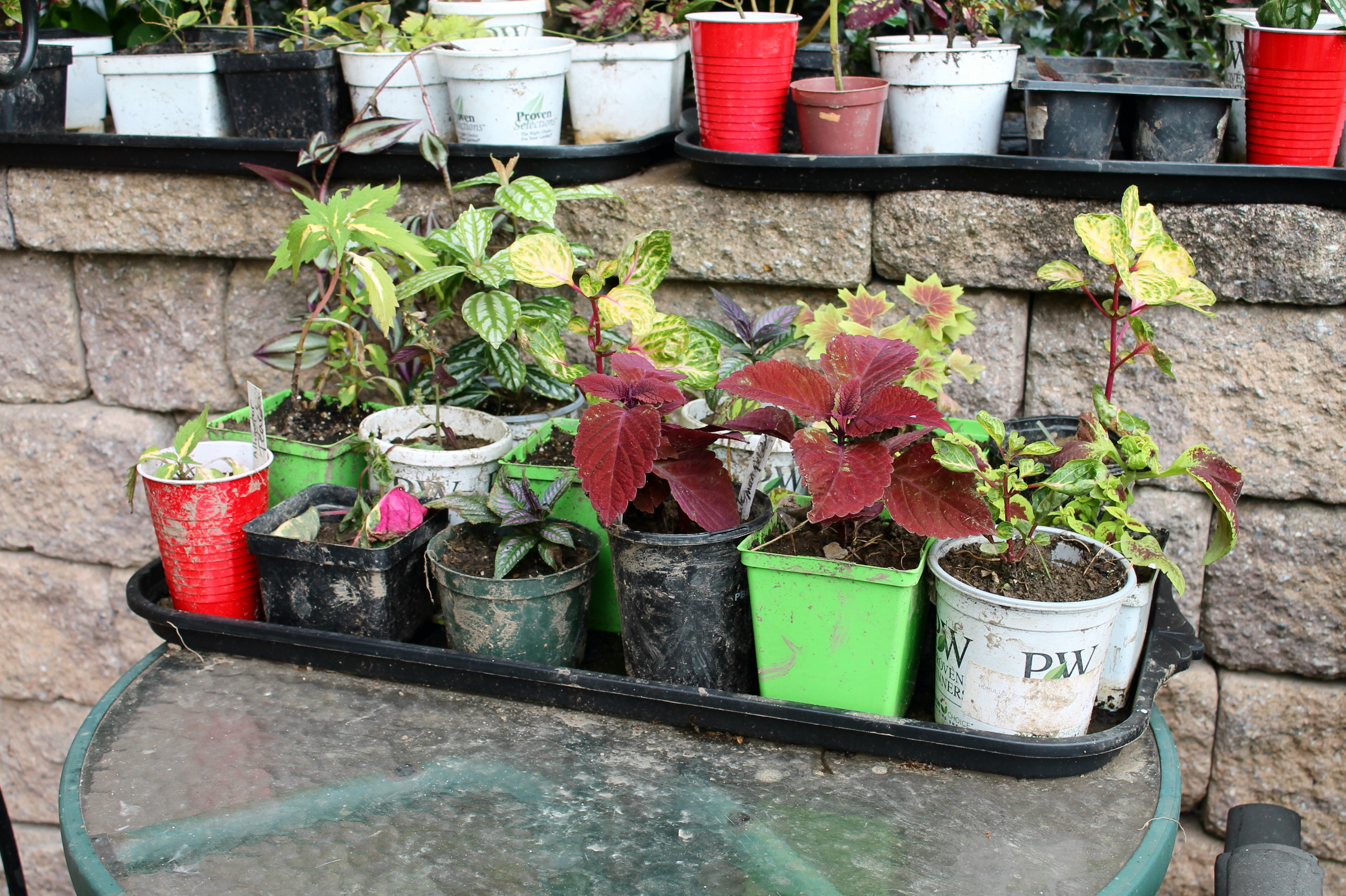
Botanical orphans looking for some soil.

Botanical orphans looking for some soil.

   I’d like to say it’s a carefully planned endeavor where I insert selected plants to finish off that year’s design. 

  But what it really boils down to is me going around trying to figure out where I cram those last few onesies and twosies into any remaining open space that I can find. 

  Yeah, yeah. Do what I say, not what I do.

   I’ve got some good excuses, though.

   The main one is that my landscape is a sort of sacrificial land dedicated to seeing which new varieties are going to croak around here before you waste your money.

   I’m always on the lookout for something new, something different and something that’s not quite officially winter-hardy here that might be.

   I also get a fair number of trial plants from growers – often things that are going to hit the market next year.

   Growers are obviously hoping I’m going to love the new introduction and write about them, but they’re also interested in getting trial feedback to see how the plants perform in different parts of the country.

   For me, it’s a way to stay on top of what’s new while being able to separate the hype from the true winners in our particular soil and climate conditions. I’d much rather base my writings on first-hand experience or at least first-hand observation in a test garden as opposed to relying on what others tell me.

   And the trialing lets me get pictures so I can show you what the plants are going to look like in real life in our area.

   The down side is that I get one or two or three of this and that. I also usually have no idea what’s coming.

   As Tony Avent of Plant Delights Nursery says, it’s hard to “landscape in drifts of one.”
Read More »


Out of the Refrigerator, Into the Oven

May 28th, 2013

   We’re up, then we’re down. Then we’re back up again.

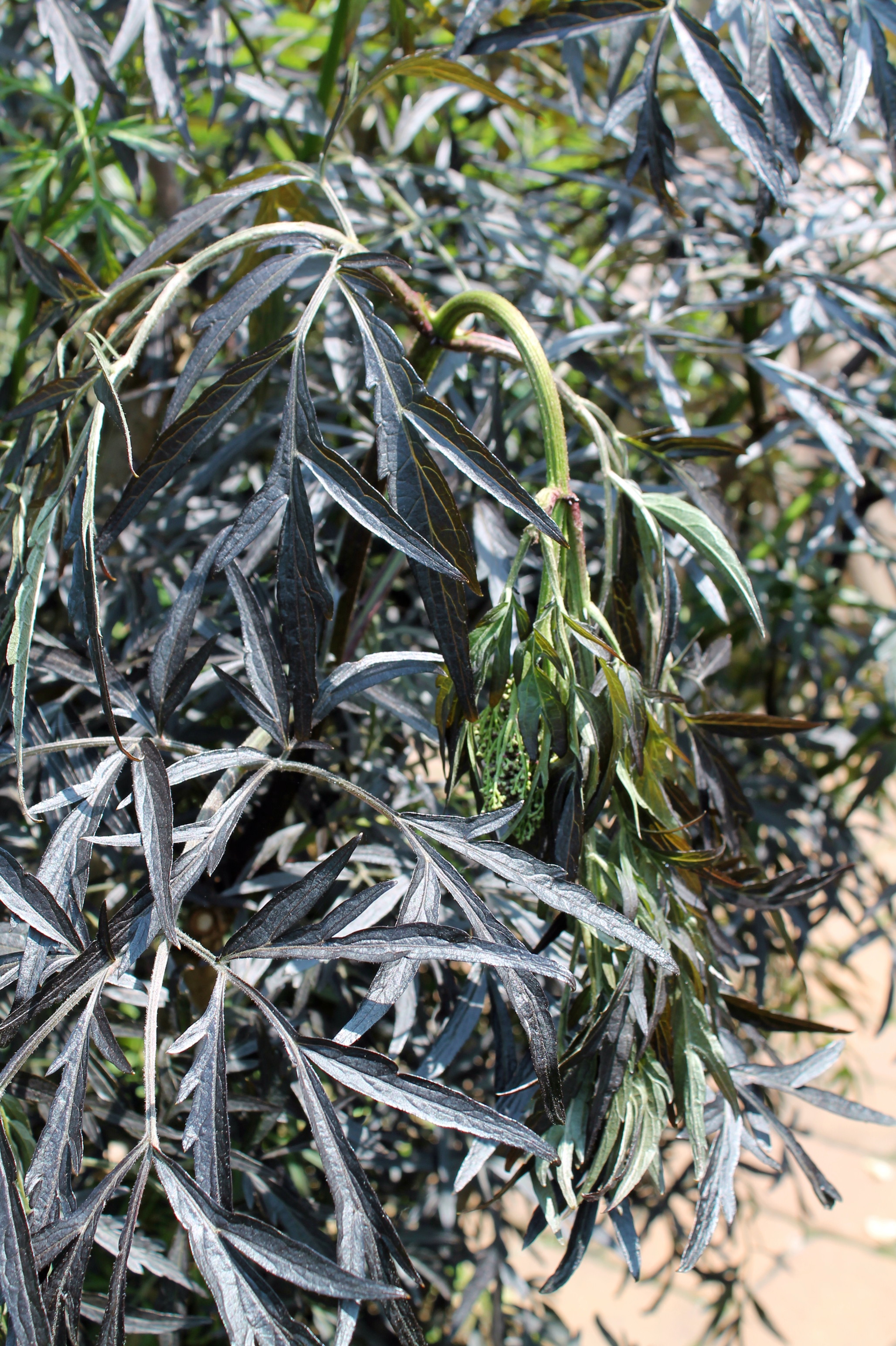
'Black Lace' elderberry reacts to the sudden heat and light...

‘Black Lace’ elderberry reacts to the sudden heat and light…

   This erratic but typical central-Pa. weather has us turning up the heat one day, then turning on the air-conditioning two days later.

   Plants don’t react to this any better than we do (especially since they can’t run to the thermostat for help).

   For one thing, this week’s 90-degree forecast should put an end to the prolonged spring blooms and perfect cool-season veggie weather we’ve enjoyed so far this spring.

   My ‘Black Lace’ elderberry was the first to let me know my backyard plant family wasn’t happy with last week’s heat blast that preceded the Memorial Day weekend cool spell and windiness.

   As the weather approached 90 degrees for the first time and flipped on the sun lamp, the afternoon-sun side of ‘Black Lace’ began to show wilty, flagging branch tips.

   It sloughed off the adversity, but we both agreed that 70-degree days are better.

   At least the cool weekend was good for making the transition from spring to summer.

   I’ve been cutting back the bulb foliage to make way for this year’s annual flowers and new trial perennials.

   The variety I’m most anxious to check out is brunnera ‘Sea Heart,’ a shade perennial with big, heart-shaped, silvery leaves and baby-blue, forget-me-not-like spring flowers. This one is supposed to be an improvement over one-time Perennial Plant of the Year ‘Jack Frost,’ which a lot of people have found melts out in high summer heat and humidity.

   That’s exactly what happened to my ‘Jack Frost.’ It did fine for a couple of years and then just browned out two summers ago and never came back.

Read More »


A Nip of Frost

May 21st, 2013

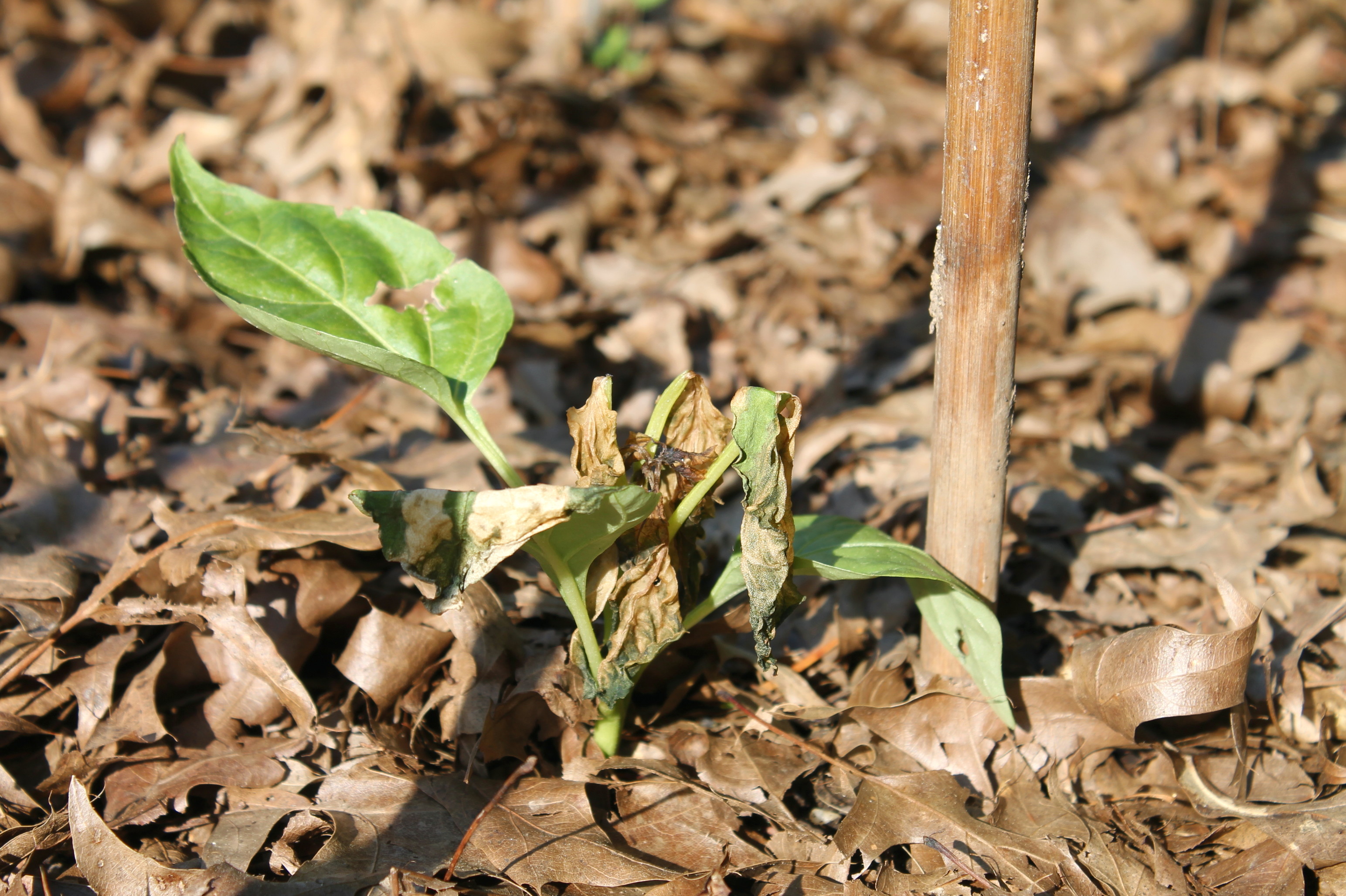
   Those couple of cold mid-May nights last week nipped the tips of some of my tender young peppers, tomatoes and basil.

This baby pepper got nipped by frost.

This baby pepper got nipped by frost.

   That was only the second time that’s happened to me in nearly 30 years of gardening in the suburbs of Hampden Twp.

   It’s rare around here to get frost damage beyond Mother’s Day. Most years, it’s safe sailing by the end of April.

   What I usually do is hold off on planting the tender stuff (i.e. annual flowers and warm-weather veggies) until early May, then look at the 7-day forecasted lows.

   When the overnight lows aren’t supposed to dip below 40, I plant – figuring that by the time we then get to mid-May, we’ll be at the all-time record late frost date for Harrisburg.

   According to the area’s “official” weather records from Harrisburg International Airport, our all-time latest killing frost is May 11. The average last killing frost is April 20.

   It’s not unusual for frosts to happen later than that to the north of here and in outlying areas, which is why Halifaxers and Newporters often wait until close to Memorial Day to plant their tomatoes and petunias.

   What happened last week was a freak return to the freezing point after a string of normal above-freezing weather.

Read More »


Mulch Thought Went into This

May 7th, 2013


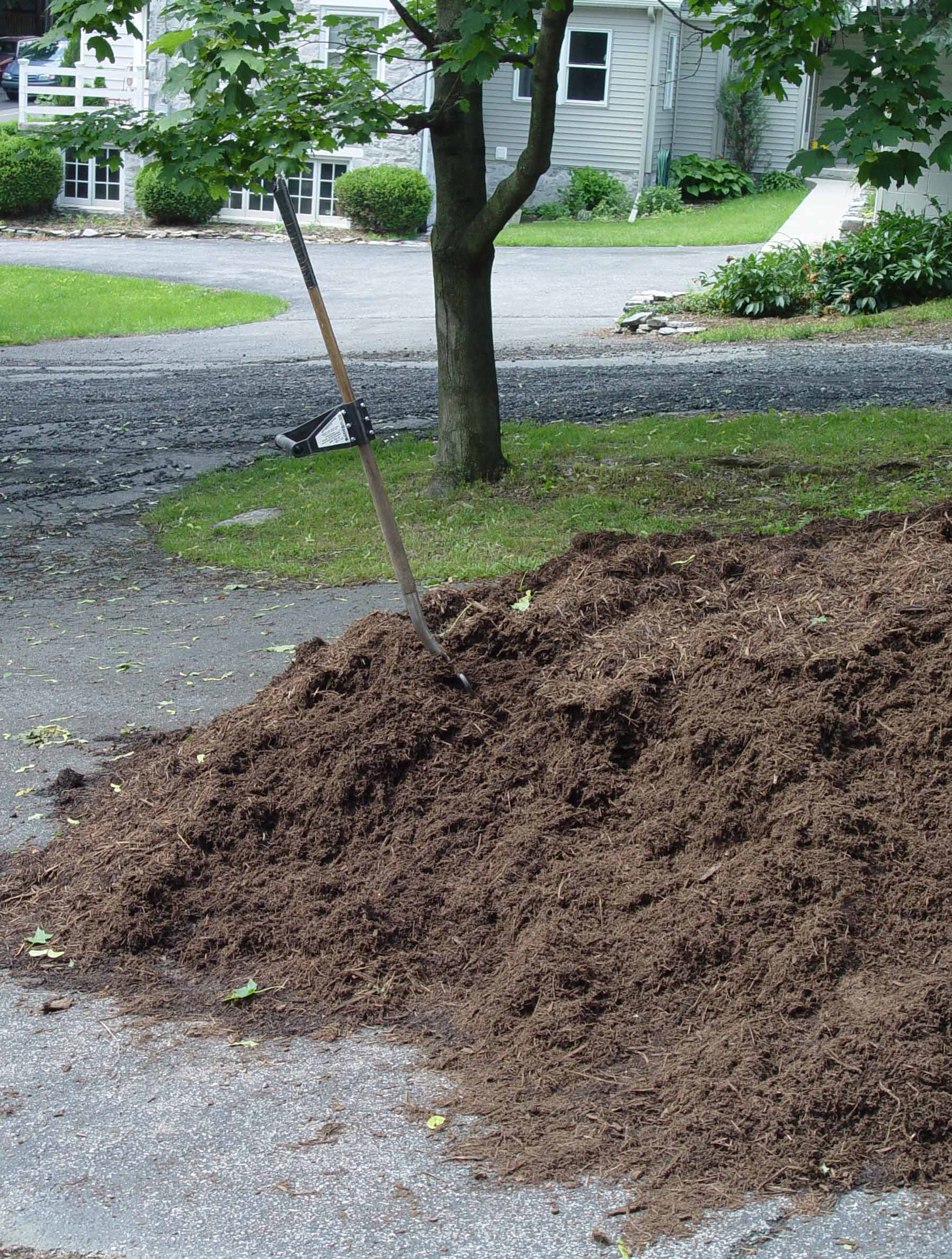
A sign of spring.

A sign of spring.

   Now’s the time of year when driveways all across suburbia start sprouting large brown mounds.

   That’s right, it’s prime time for mulching. And this is one gardening job that most people time correctly.

   Mulch is our front-line weed defense, and it makes sense to get it down before most weeds germinate, yet not so early that you’re keeping the soil from warming up at the end of a cold, wet spring.

   The dilemma I always run into is cramming mulch work into that narrow window between when the spring bulbs are ready to come down and new annuals are ready to go in.

   If you don’t do much in the way of daffs and tulips and hyacinths, it’s much easier. Just get your new mulch layer down before the perennials get going and before you plant your annuals. You’ve got weeks from early April to mid-May in that case.

   Some people mulch first and then plant their annuals.

   Either way is fine. Just go easy on any mulch around annuals. One inch is plenty… and keep it back from touching the tender, young stems.

   What gets me as an obsessive bulb-planter is that my bulb foliage usually isn’t “ripe” enough to cut yet when I’d like to get my summer annuals planted in that space (right around Mother’s Day).

   You’ll weaken the bulbs and their future bloomability if you cut the foliage while it’s still green and making nutrition.

   So what I do is mulch around the bulb foliage, then plant the annuals as soon as I cut the bulb foliage in a few weeks. It’s not an ideal arrangement, but at least the mulching is done before the bulb/annual switchover.

   If I had the time, I’d do it all in one shot in this order: A.) Cut the bulb foliage when it’s yellowing, B.) Lay down a fresh 1-inch layer of mulch where the annuals will go (assuming there’s not already an inch left over), and C.) Plant the new annuals into it.

   Since that’s not going to happen any time this side of retirement, I do what I can when I can. Lately, I’ve been shifting about half of my mulching to fall after the annuals are out and many of the perennials are cut back.

   While an inch is plenty around annuals, 1 to 2 inches is good for around perennials and 2 to 3 inches is good for around trees and shrubs. That’s total, by the way. If you’re shooting for a 2-inch layer, for example, and you already have an inch left from last year, then just add a 1-inch topping.

   Don’t keep dumping more and more on top so you end up with a thick crust that can interfere with the soil’s oxygen intake and its ability to take on water in dry weather and give it up after a heavy rain.

   That brings us to the big question of what kind of mulch to use. For what it’s worth, here’s my Twitterish opinions on various types:

Read More »


Brent and Becky

April 30th, 2013

   Southeastern Virginia doesn’t strike me as a likely hot spot (irony intended) for spring bulbs.

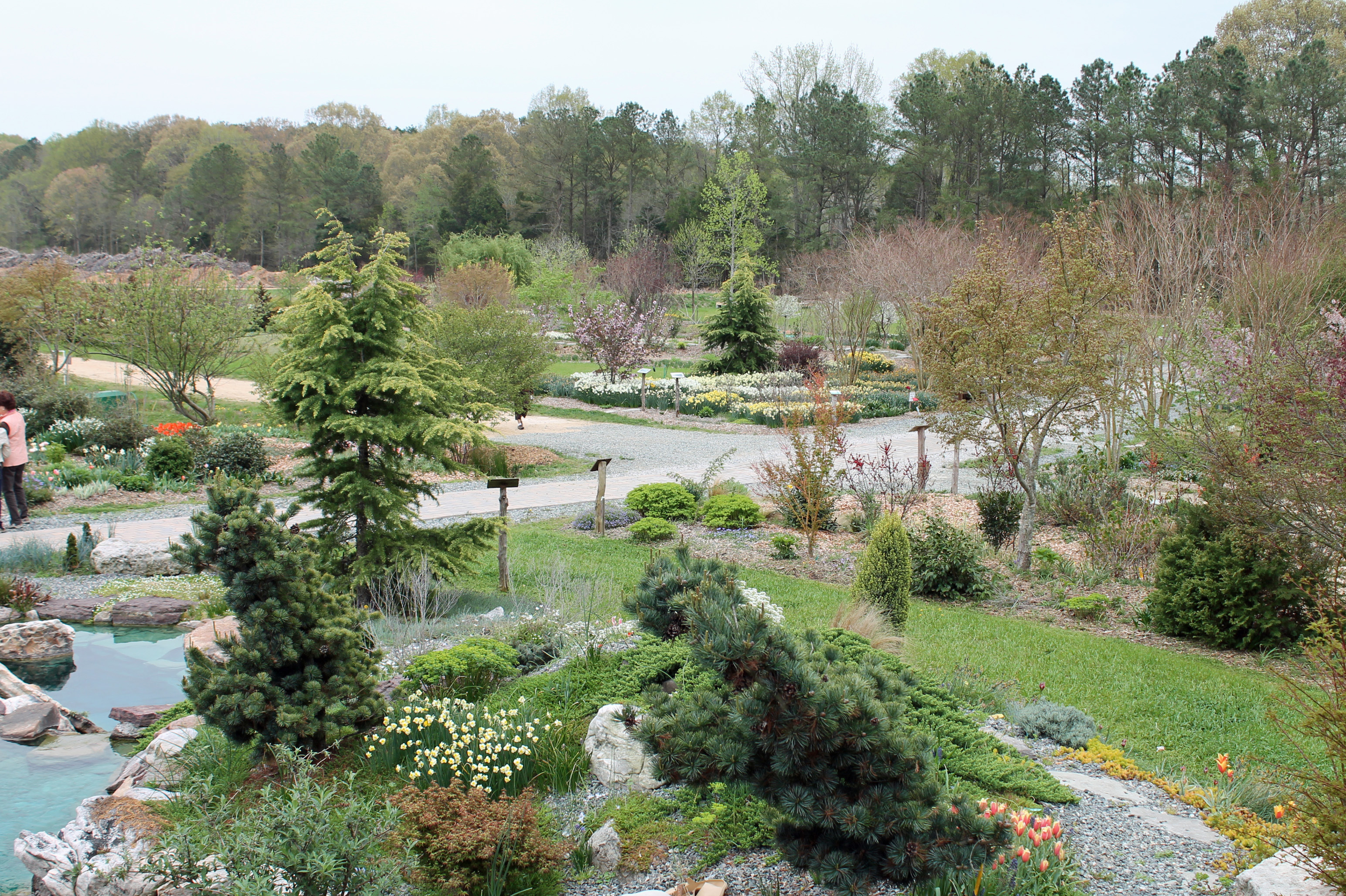
Brent and Becky's Chesapeake Bay Friendly Gardens.

Brent and Becky’s Chesapeake Bay Friendly Gardens.

   Crape myrtles and camellias seem a lot more fitting for the steamy summers near Williamsburg than tulips and daffodils.

   Holland it’s not.

   Yet Gloucester  County is known as the “daffodil capital of America.” It stages a popular Daffodil Festival early each April and is home to America’s premier bulb company – Brent and Becky’s Bulbs.

   I’ve known Brent and Becky Heath for years through the Garden Writers Association. I’ve ordered from their catalog (one of Dave’s Garden Watchdog’s top five bulb companies), grown their bulbs and read their books (“Tulips for North American Gardens” and “Daffodils for North American Gardens”).

   But up until 2 weeks ago, I’d never been to their place.

   It’s actually good I waited because the Heaths’ latest adventure is a Bulb Shoppe and Gardens – a new springtime destination that’s a sort of living bulb catalog.

   The Shoppe part is a bulbster’s garden center, filled this time of year with a wall full of summer bulbs, corms and tubers as well as benches full of spring-blooming, potted tulips, daffodils, hyacinths, etc. for those who didn’t/couldn’t plant last fall. (Watch my video on how and when to plant spring bulbs.)

Read More »


« Older Ramblings and Readlings Newer Ramblings and Readlings »

  • Home
  • Garden House-Calls
  • George's Talks & Trips
  • Disclosure

© 2026 George Weigel | Site designed and programmed by Pittsburgh Web Developer Andy Weigel using WordPress