• Home
  • Contact
  • Site Map
George Weigel - Central PA Gardening
  • Landscape 1
  • Landscape 2
  • Landscape 3
  • Landscape 4
  • Garden Drawings
  • Talks & Trips
  • Patriot-News/Pennlive Posts
  • Buy Helpful Info

Navigation

  • Storage Shed (Useful Past Columns)
  • About George
  • Sign Up for George's Free E-Column
  • Plant Profiles
  • Timely Tips
  • George’s Handy Lists
  • George's Friends
  • Photo Galleries
  • Links and Resources
  • Support George’s Efforts


George’s new “50 American Public Gardens You Really Ought to See” e-book steers you to the top gardens to add to your bucket list.

Read More | Order Now


George’s “Survivor Plant List” is a 19-page booklet detailing hundreds of the toughest and highest-performing plants.

Click Here


Has the info here been useful? Support George’s efforts by clicking below.


Looking for other ways to support George?

Click Here

George's Current Ramblings and Readlings

Lessons of Our Foregardeners

April 23rd, 2013

   I’m just back from a garden trip to Virginia, where the season is a good 2 weeks ahead of ours.
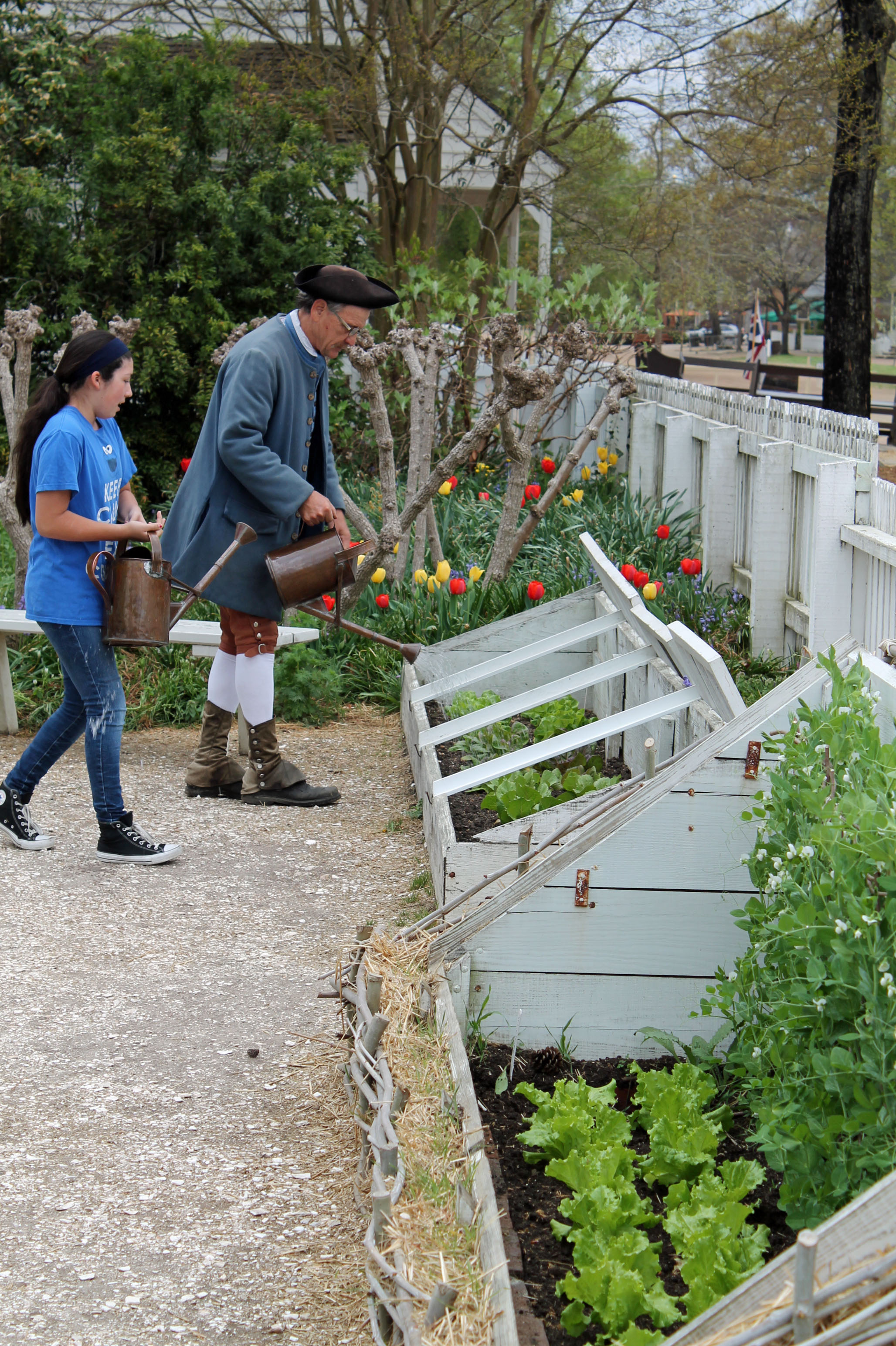
Wesley Greene watering with a Williamsburg visitor.

Wesley Greene watering with a Williamsburg visitor.

   They’re in our May mode already with azaleas and viburnums in full bloom, tree pollen coating cars yellow, and even the first few ‘Knock Out’ rose flowers poking out.

   One of my stops took me to Colonial Williamsburg, where I got to meet garden historian Wesley Greene, author of one of my favorite gardening books of 2012 – “Vegetable Gardening the Colonial Williamsburg Way” (Rodale Books, $30).  

   Greene founded Williamsburg’s Colonial Nursery on Duke of Gloucester Street and still works there, spending most days showing visitors how our foregardeners grew their food.

   The place is a cross between an 18th-century vegetable demo garden and a garden center with Colonial-era plants, seeds and gardening paraphernalia.

   I ran into Greene next to the purple Roman broccoli, a multi-shoot type that he says isn’t plagued by annoying cabbageworms nearly so much as our modern green-headed broccoli hybrids. It’s a good-looking plant in the garden, too.

   Greene gardens here like it’s 1760 – using rotted manure to build the soil and hand-carried water from a barrel (no hoses in those days).

   I’m always fascinated by this place and by how people grew their food 250 years ago.

   They were actually very clever.
Read More »


Losing Your Impatiens?

April 16th, 2013


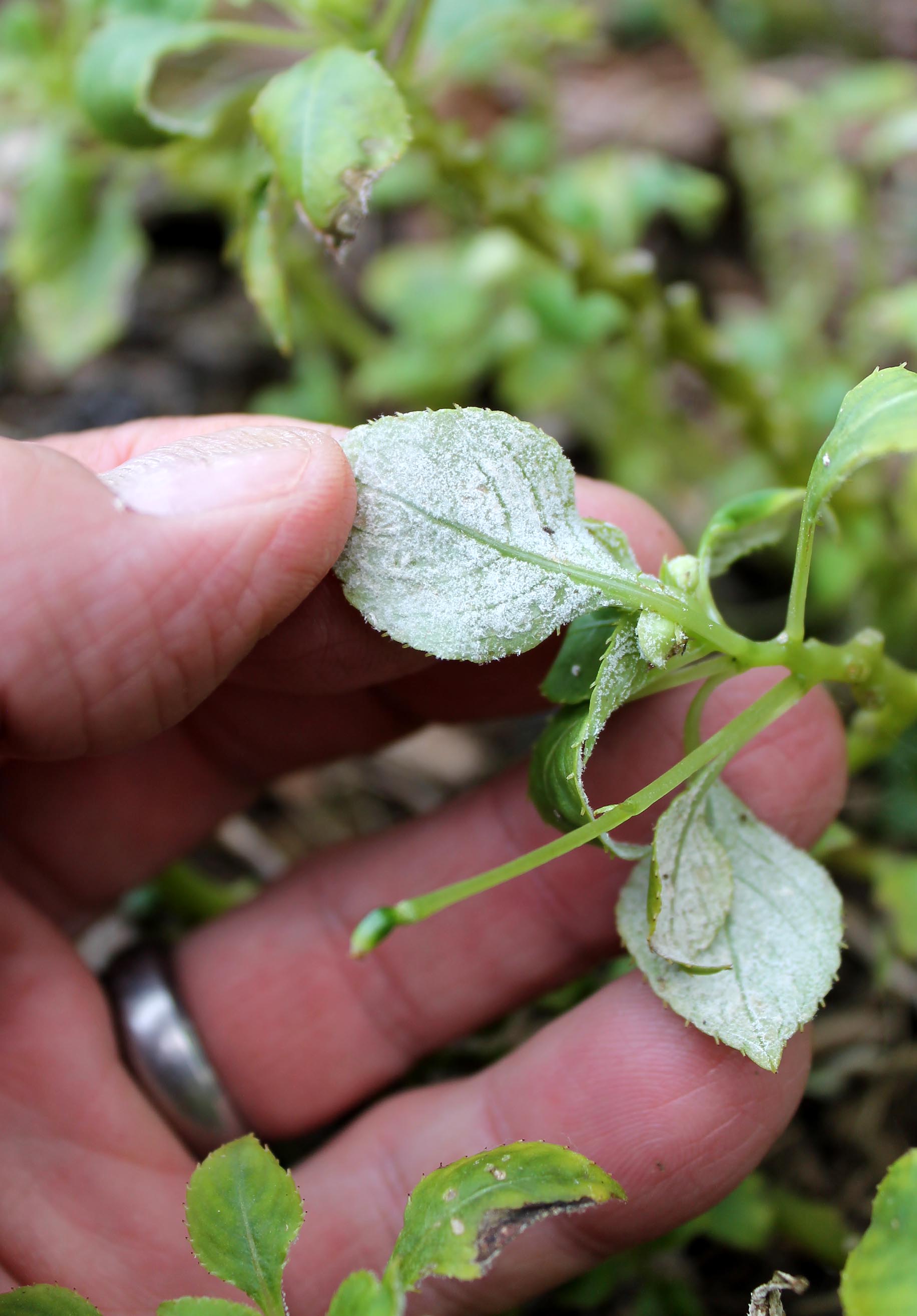
I don't think we've seen the last of this deadly new disease on impatiens.

I don’t think we’ve seen the last of this deadly new disease on impatiens.

   People are asking me already about that deadly new downy mildew disease that wiped out just about everyone’s impatiens last year.

   I’m not very optimistic that we’re going to escape a repeat this year here in central Pennsylvania. 

  It’s a highly contagious disease, capable of overwintering, and durable enough to stay active in the soil for 3 to 5 years, the plant pathologists are saying.

   Growers are so pessimistic that they’re wondering if they should even bother growing impatiens until we see how it all shakes out.

   I’m posting an update on this sordid tale in my weekly Pennlive.com column that’s scheduled to go live April 19.  It’ll include a list of my top 10 shade-annual alternatives to impatiens that you might want to try this year. (The column also is to show up in the April 25 edition of The Patriot-News.)

   In the meantime, I thought I’d share the assorted questions I’ve been fielding about this new disease.

   Q: Where did this come from?

   A: The water mold that causes downy mildew has been known since the 1800s, but it didn’t begin devastating garden impatiens in Europe until about 10 years ago.

   It’s moved to the United States and has been spreading here since about 2004. It suddenly flared for the first time in central Pa. last summer.

   Q: What if my impatiens didn’t get the disease last year. Will I still be able to grow them?

   A: You can try, but this disease is extremely contagious. Odds are very good you won’t get away with it again.

   Q: My impatiens died last year. Will they be OK if I plant them in a different part of the yard?

   A: Unlikely. The disease spreads far and fast by wind and rain. Moving to a different bed nearby will be no big hurdle for it.

   Q: How about if I grow them in new soil in a pot?

   A: You’ll start out fine, but the odds are good that the disease will get you as well in a pot as in the ground. It just might take a little longer.

Read More »


Rethinking the Way We Plant, Part 2

April 9th, 2013

   I was reading some old gardening books lately and was dumbfounded by how so much planting advice is now just the opposite of what was the “expert advice” just a generation or two ago.

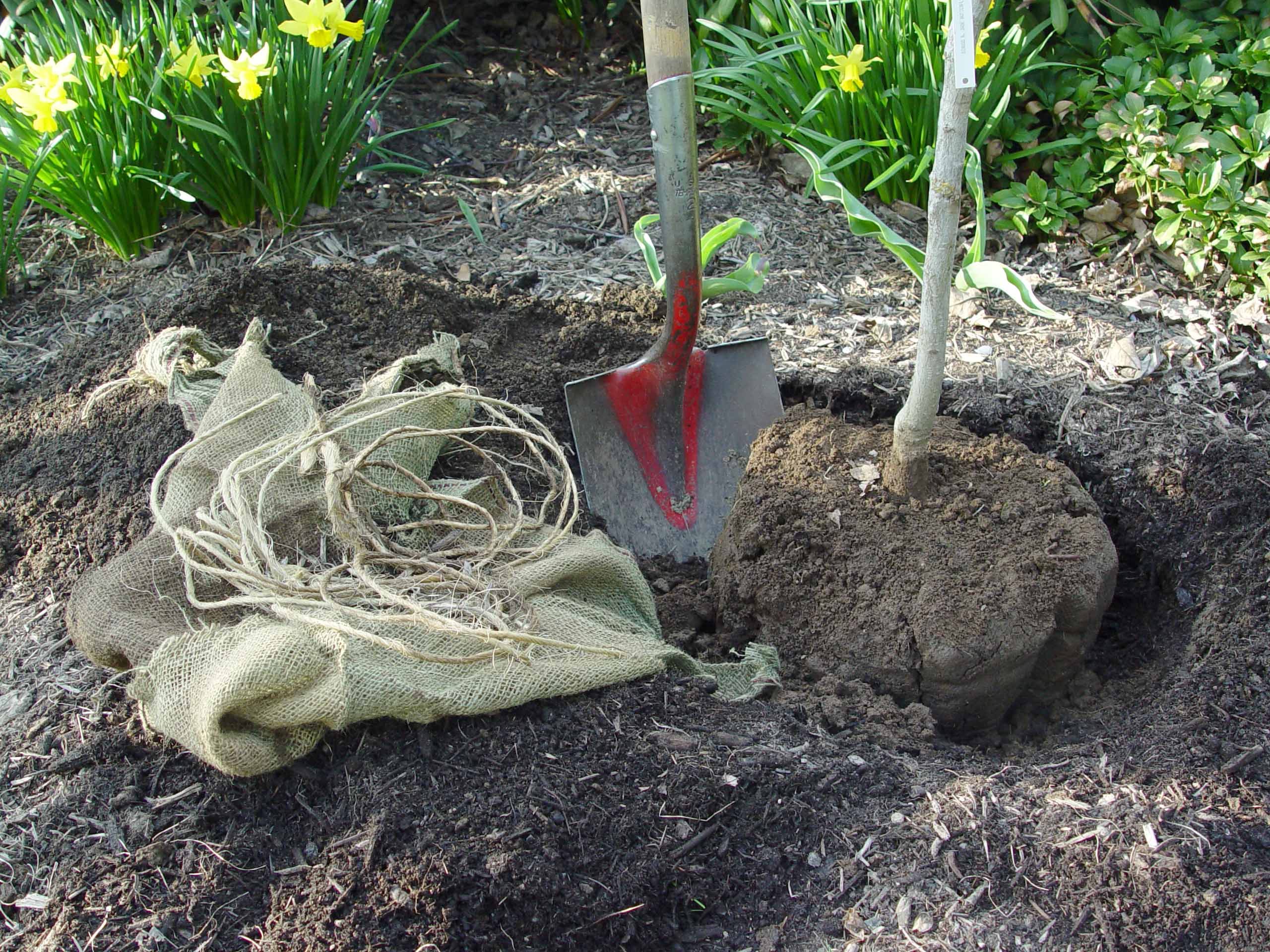
Get the burlap, twine, baskets and everything else off of the rootball before backfilling.

Get the burlap, twine, baskets and everything else off of the rootball before backfilling.

   It makes me wonder what experts are going to be saying a generation or two from now.   Did we get it right this time? Or was the earlier advice on planting a tree or shrub right after all? Or maybe both we and the oldsters will turn out to be morons by 2050.

   Last week I told you about some of the new thinking on dealing with the alleged soil at the planting site.

Read Rethinking the Way We Plant, Part 1

   Here are eight other planting steps that, at least for now, are supposed to be the right ones:

   1.) Skip the high-phosphorus fertilizers that supposedly encourage root growth. Just go with native soil and water, and if anything, a little nitrogen fertilizer, such as fish meal or fish emulsion.

   2.) Remove all burlap, twine, baskets and any other packaging material from your new plant’s roots before planting. In fact, some are recommending to even remove the soil in the pot and burlap bag so the roots go right into the new soil (see last week’s post).

Read More »


Rethinking the Way We Plant, Part 1

April 2nd, 2013

   You’d think we all would agree by now on the right way to plant a tree or shrub.

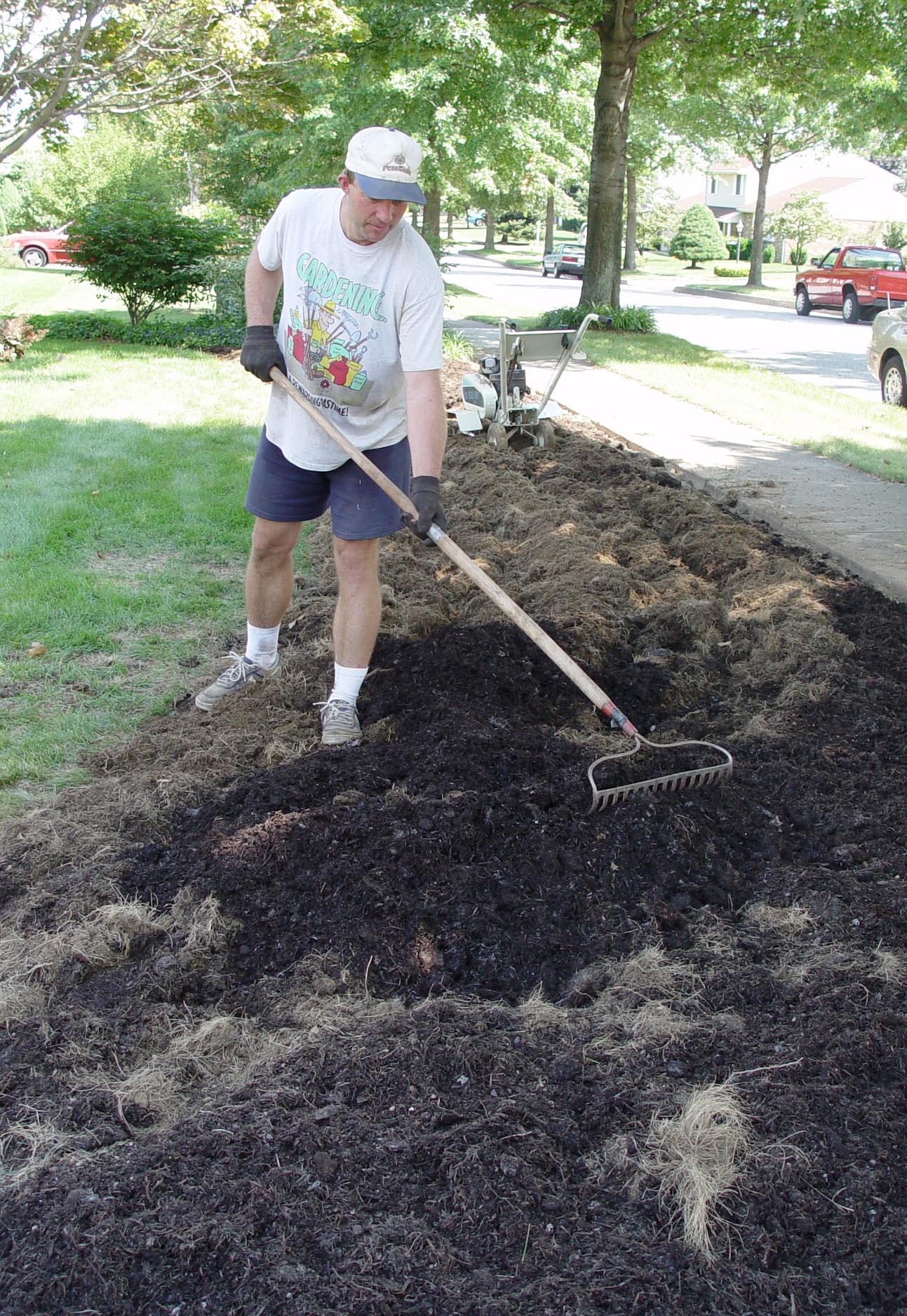
It's better to prepare whole beds for planting than individual holes.

It’s better to prepare whole beds for planting than individual holes.

   But the details keep changing, and even different pros dispatch different advice.

   No wonder casual gardeners are confused.

   The latest new twist I’m hearing is that it’s a good idea to wash all of the soil away from the root ball of a new plant and to plant it bare-root into the native soil. The advice applies mainly to container-grown plants but also to ones field-dug and sold in burlapped balls.

   The rationale is that the soil removal encourages the roots to penetrate into their new home faster. It solves the issue of circling roots from too much time in pots as well as removing the “temptation” of roots sticking around in the potted good stuff instead of venturing out into your lousy clay.

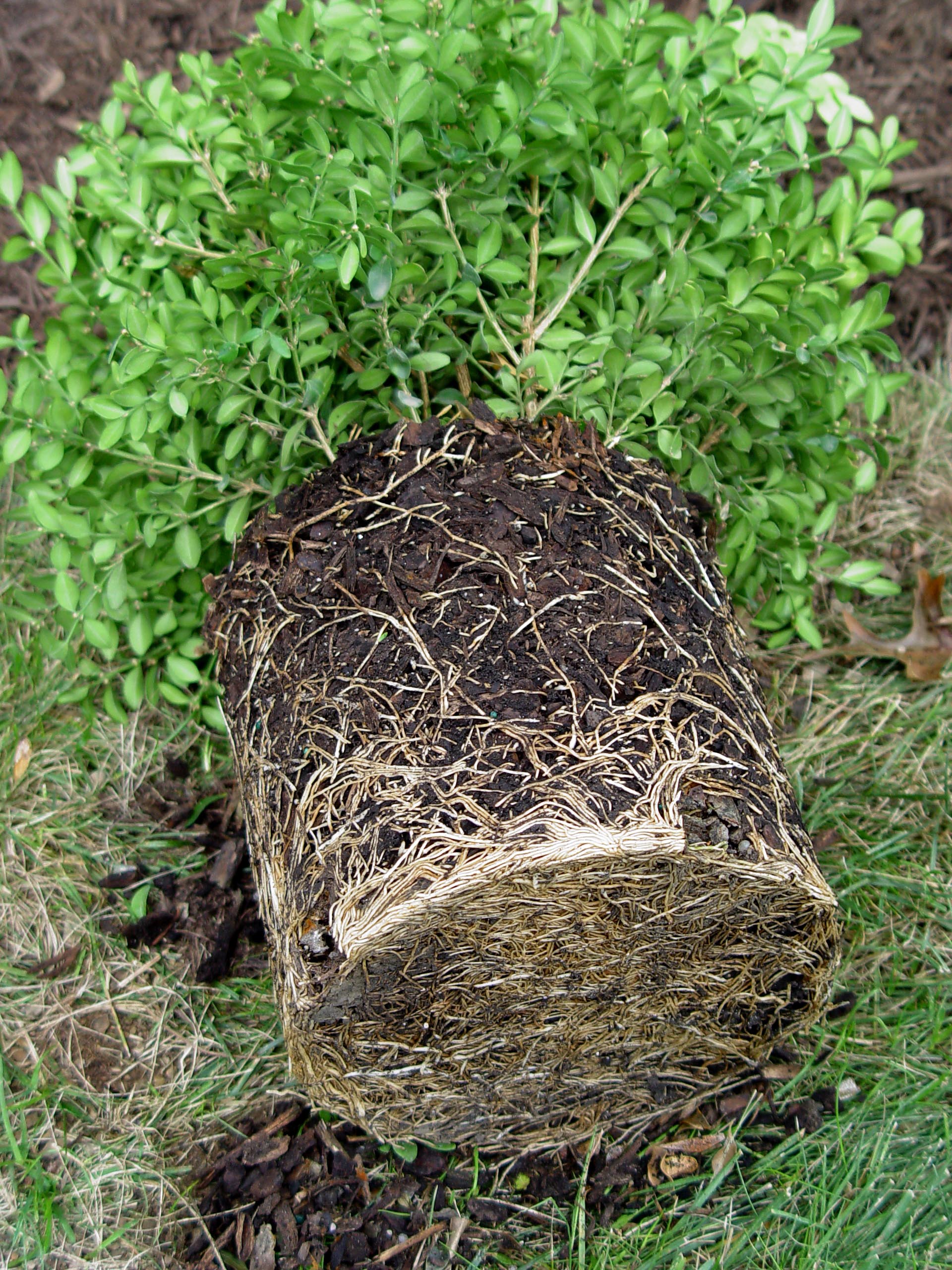
Washing off the container soil corrects circling-root problems.

Washing off the container soil corrects circling-root problems.

   I can buy that – if you’re careful not to damage the roots and you get those bared roots into the ground ASAP before they have a chance to dry. Washing the soil off in a wheelbarrow or gently hosing it off the roots is the way to go.

   This same rationale has been behind the advice of not improving the soil with compost, peat moss or other amendments before planting. That can create a so-called “interface” problem.

   In other words, make your hole too inviting and the roots never want to move out into the real-world soil – the horticultural equivalent of a pampered teen.

   The other potential problem with over-improving planting holes is that you risk rotting the plant. When it rains, water percolates well through the improved soil but then can’t drain out into the neighboring, unimproved, compacted soil. The water backs up like a pot without holes.

   Those two issues are why you’ll probably run into tree-planting instructions saying to just loosen the soil and not add anything.

   I could agree with this one, too, if most of us were starting out with something close to soil.

   Unfortunately, most of the yards I see are heavily graded subdivisions that are little more than packed subsoil with 4 to 6 inches of lousy clay and/or shale on top.

Read More »


Ready, Set, Garden – Practically

March 26th, 2013

   Now that we’re on the verge of another growing season (if winter ever decides to give up), I thought I’d share 10 of the most useful season-beginning, hands-on, work- and money-saving tips I’ve picked up over the years.

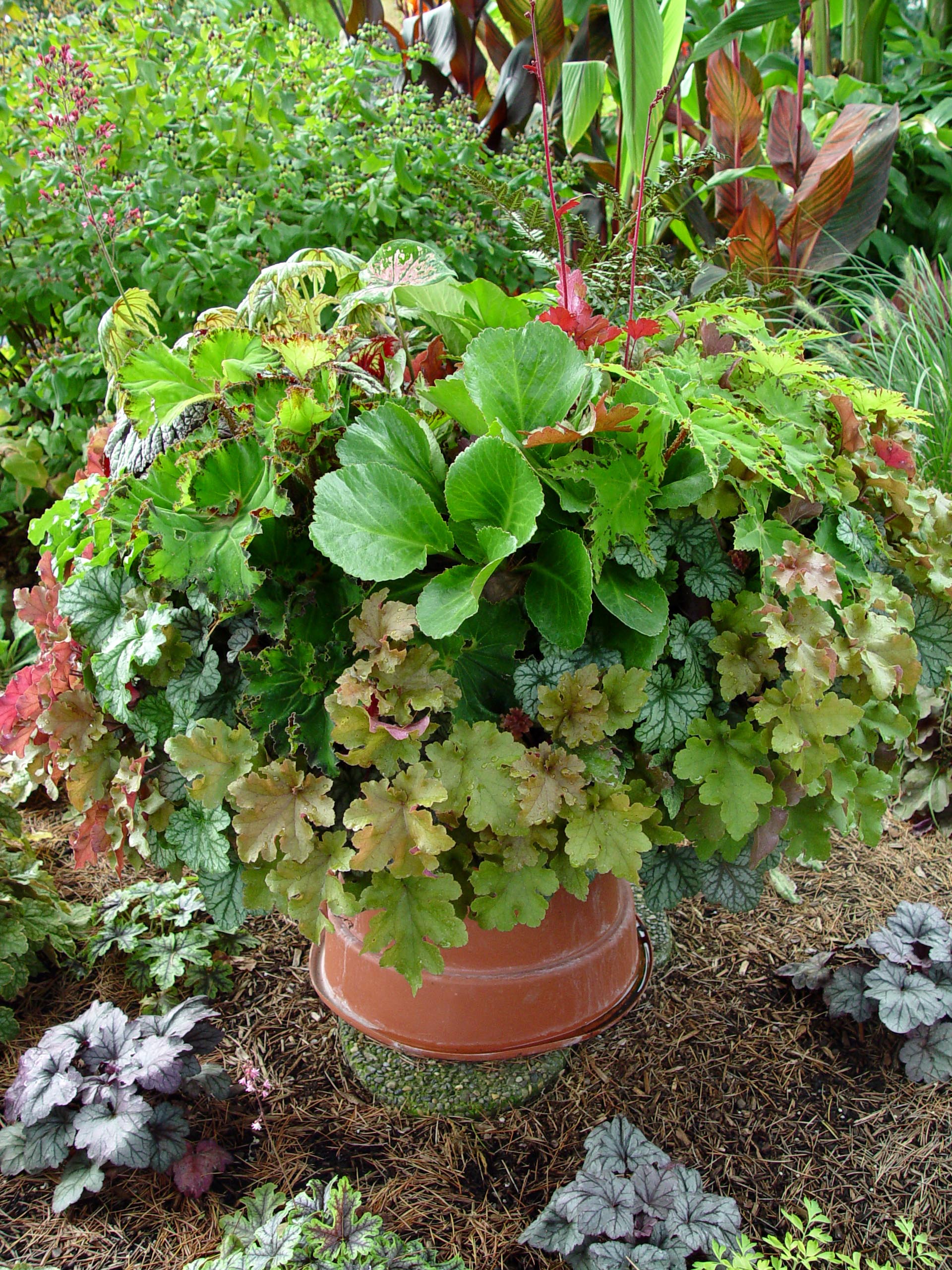
Colorful-leafed perennials are fair game for pots.

Colorful-leafed perennials are fair game for pots.

   1.) Scout out your emerging colorful-leafed perennials for possible use in pots. Divisions of things like coralbells, hostas, Japanese forestgrass and golden creeping jenny mean fewer pot annuals to buy. Return them to the ground in fall. Pick out annuals that match your perennials.

   2.) Standard advice for avoiding disease in flower pots is to clean pots each year, disinfect with a 10 percent diluted bleach solution and start with fresh soilless mix. Honestly, I’ve “cheated” and used the same potting mix two or three years running with the addition of maybe 10 percent homemade compost each spring, and I’ve never had disease problems. At least not yet…

   3.) Put together an extra pot or two to set in any garden spots left bare later in the season when something dies, gets eaten or goes dormant (bleeding heart, Virginia bluebells, spring bulbs, etc.)

   4.) Now’s the time to get your plant stakes and supports into place. It’s much easier to train summer floppers when they’re first emerging rather after they’re rambling all over the place.

Read More »


« Older Ramblings and Readlings Newer Ramblings and Readlings »

  • Home
  • Garden House-Calls
  • George's Talks & Trips
  • Disclosure

© 2026 George Weigel | Site designed and programmed by Pittsburgh Web Developer Andy Weigel using WordPress