
• Home
  • Contact
  • Site Map
George Weigel - Central PA Gardening
  • Landscape 1
  • Landscape 2
  • Landscape 3
  • Landscape 4
  • Garden Drawings
  • Talks & Trips
  • Patriot-News/Pennlive Posts
  • Buy Helpful Info

Navigation

  • Storage Shed (Useful Past Columns)
  • About George
  • Sign Up for George's Free E-Column
  • Plant Profiles
  • Timely Tips
  • George’s Handy Lists
  • George's Friends
  • Photo Galleries
  • Links and Resources
  • Support George’s Efforts


George’s new “50 American Public Gardens You Really Ought to See” e-book steers you to the top gardens to add to your bucket list.

Read More | Order Now


George’s “Survivor Plant List” is a 19-page booklet detailing hundreds of the toughest and highest-performing plants.

Click Here


Has the info here been useful? Support George’s efforts by clicking below.


Looking for other ways to support George?

Click Here

George's Current Ramblings and Readlings

Garden-Hopping in Ohio

July 2nd, 2013

   Columbus, Ohio, probably doesn’t pop into your mind when you think of great gardens.
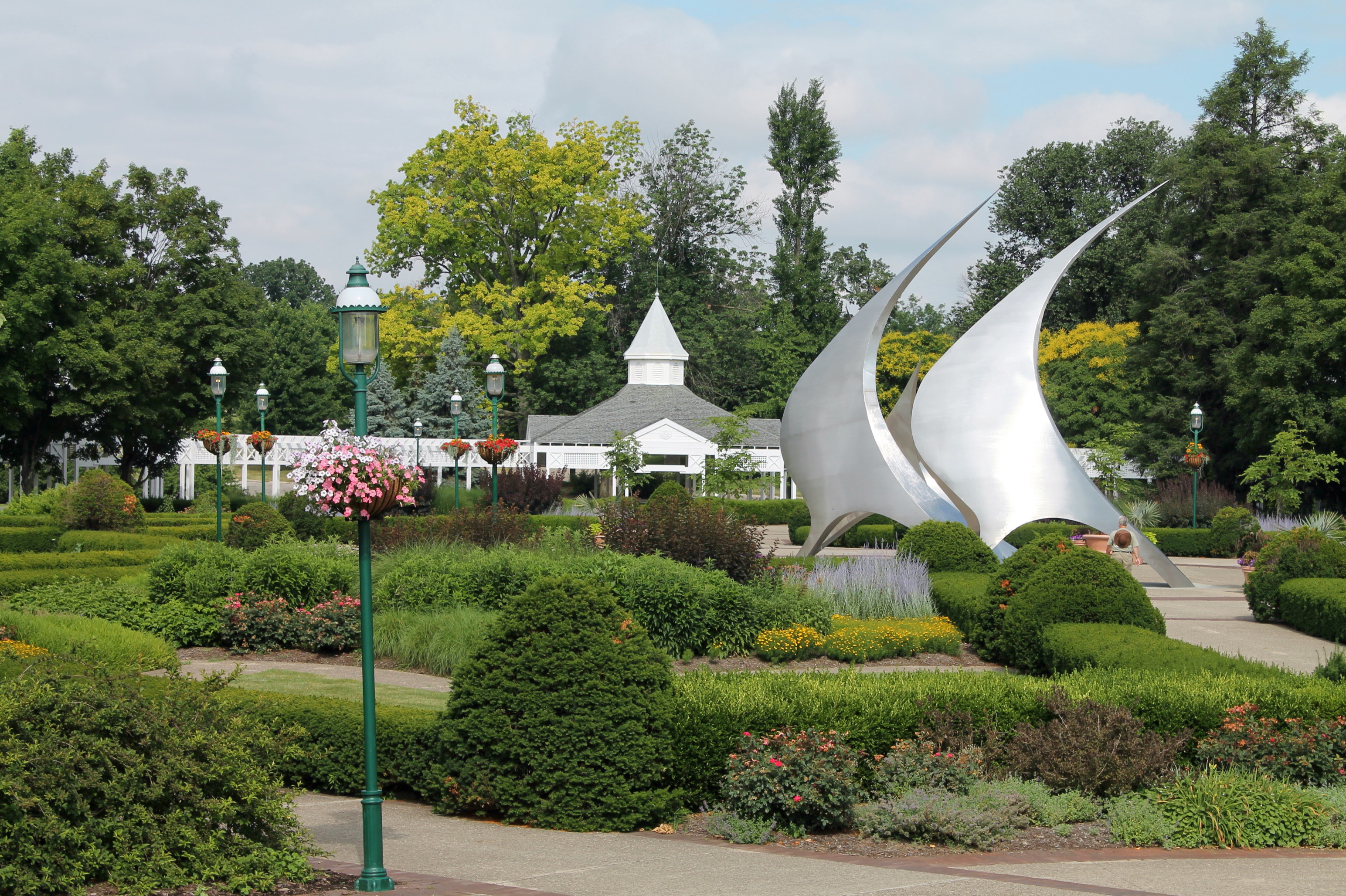
The gardens behind Columbus's Franklin Park Conservatory.

The gardens behind Columbus’s Franklin Park Conservatory.

   But this next-state-capital-west has one of the best clusters of public gardens I’ve seen – underrated and surprisingly unknown to central Pennsylvanians despite being only a 6-hour drive from Harrisburg.

   I’m just back from taking a busload of avid (or maybe rabid) local gardeners to see some of Columbus’s little-known gems. We saw eight gardens in three days, including Phipps Conservatory in Pittsburgh on the way back. (See photos here from the trip.)

   The people’s favorites turned out to be the community garden at Franklin Park and the Inniswood Metro Gardens, a public park disguised as a botanic garden in the Columbus suburbs.

   The Franklin Park community garden isn’t what you might picture. It’s not your traditional rectangle tilled up and marked off into plots where nearby residents plant corn and zucchini.

   This one is different from any I’ve seen. It’s more of a 4-acre outdoor gardening classroom, filled with interesting demo plants (hardy kiwi vines, elderberries, Turkish eggplants, etc.), a brick classroom building and all sorts of growing techniques, from raised planter boxes to espaliered fruit trees to screened frames that keep the birds off the strawberries.
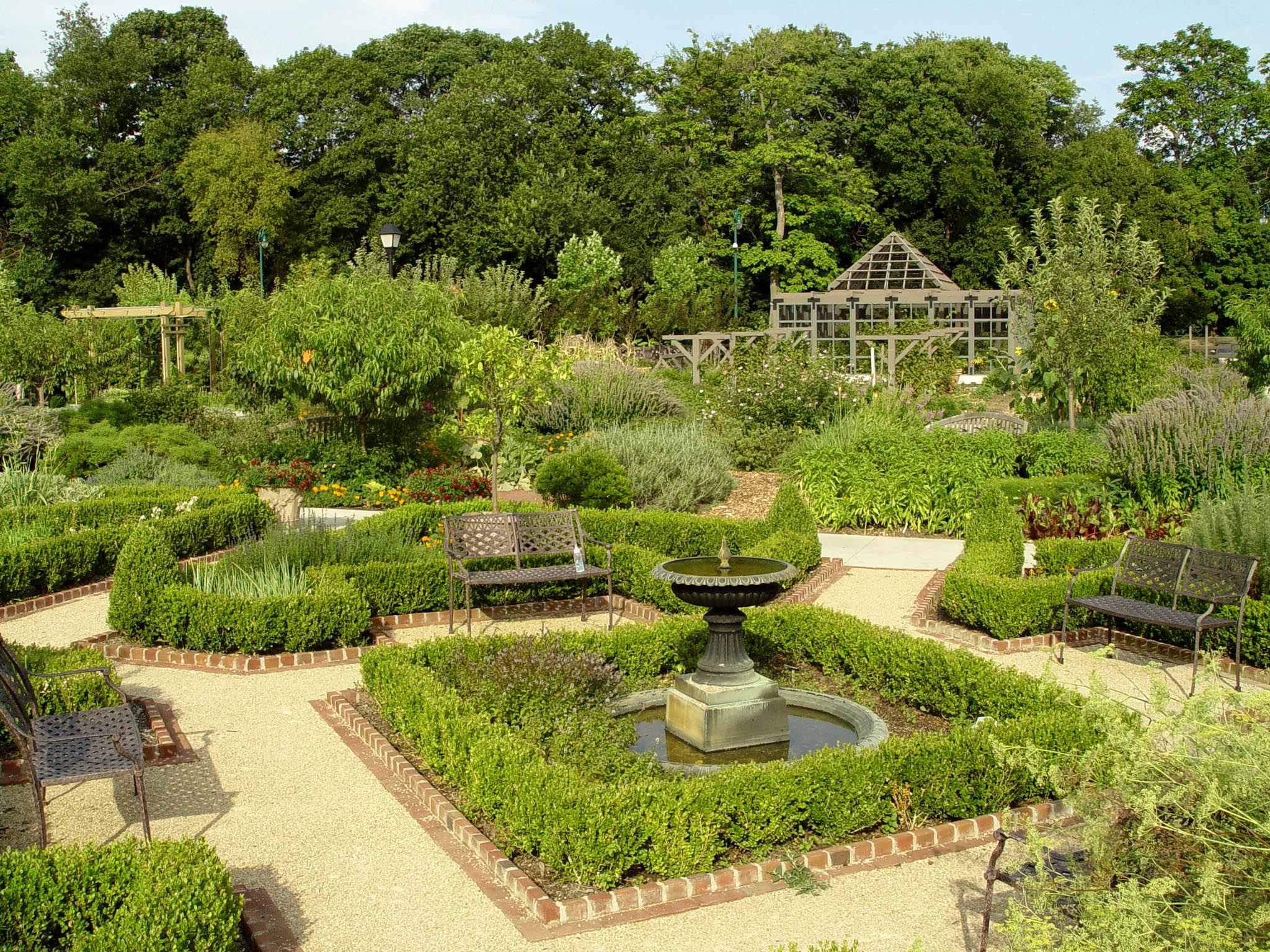
Part of the community garden at Franklin Park.

Part of the community garden at Franklin Park.

   The Scotts Miracle-Gro Co. built the Franklin Park community garden in 2009, and it’s operated by the staff at the adjacent Franklin Conservatory – no slough of an attraction either with its 1895 glasshouse similar in function to the U.S. Botanic Garden in Washington.

   The community garden is laid out smartly in sectioned rooms by different themes. It’s also weed-free, well trimmed, free to see, and especially useful to anyone trying to grow fruits, veggies, herbs and vines.

   Franklin Park Conservatory, by the way, is getting a Bruce Munro light exhibit this September through Christmas. Munro is the British light artist who wowed crowds last summer with his unique installations all throughout Longwood Gardens.

   Inniswood Metro Gardens also is unlike anything we’ve got in the Harrisburg area.
Read More »


Meet the “Hostarangea”

June 27th, 2013

   Plants do some interesting and unexpected things when they get together in the garden.

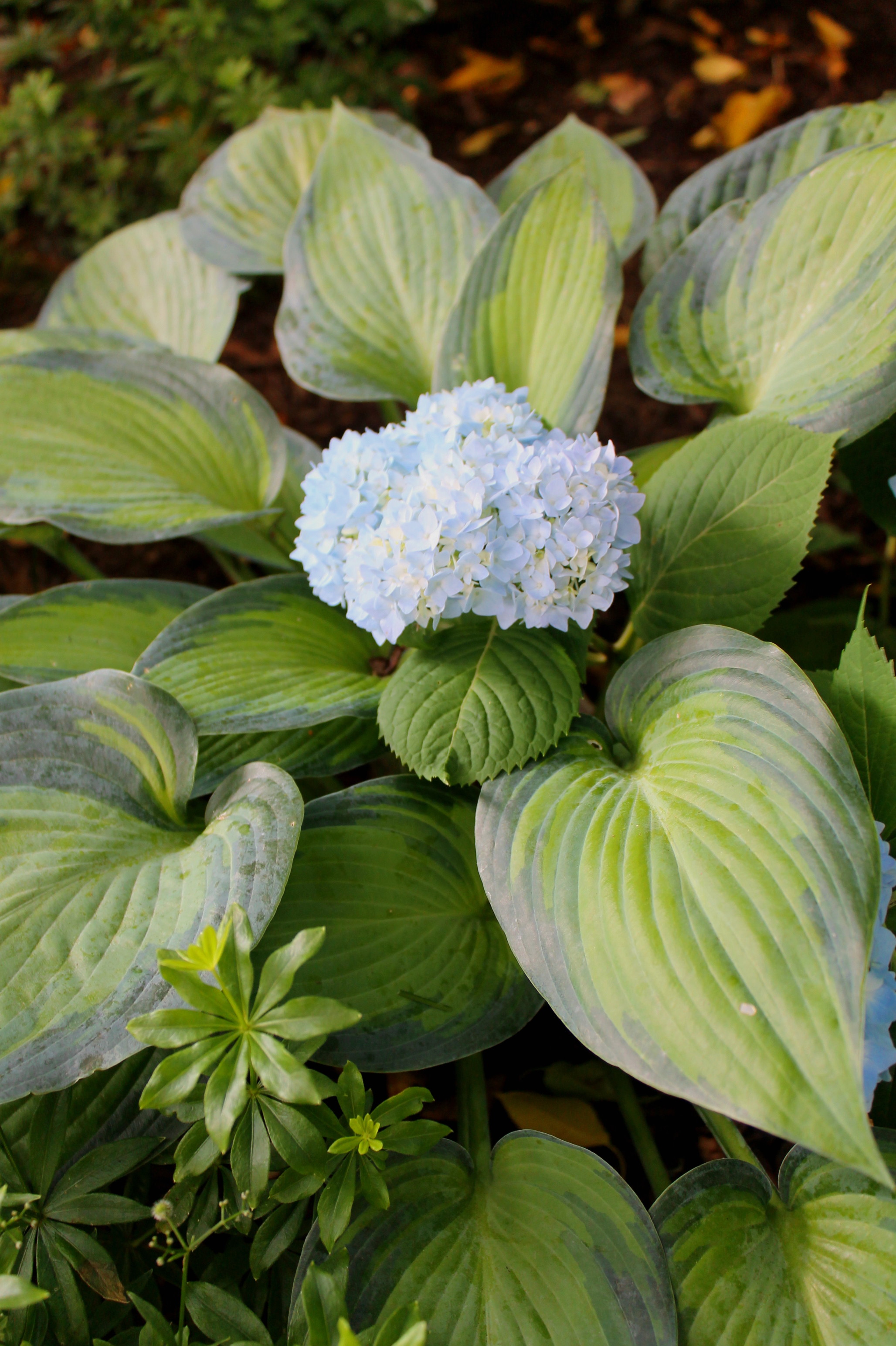
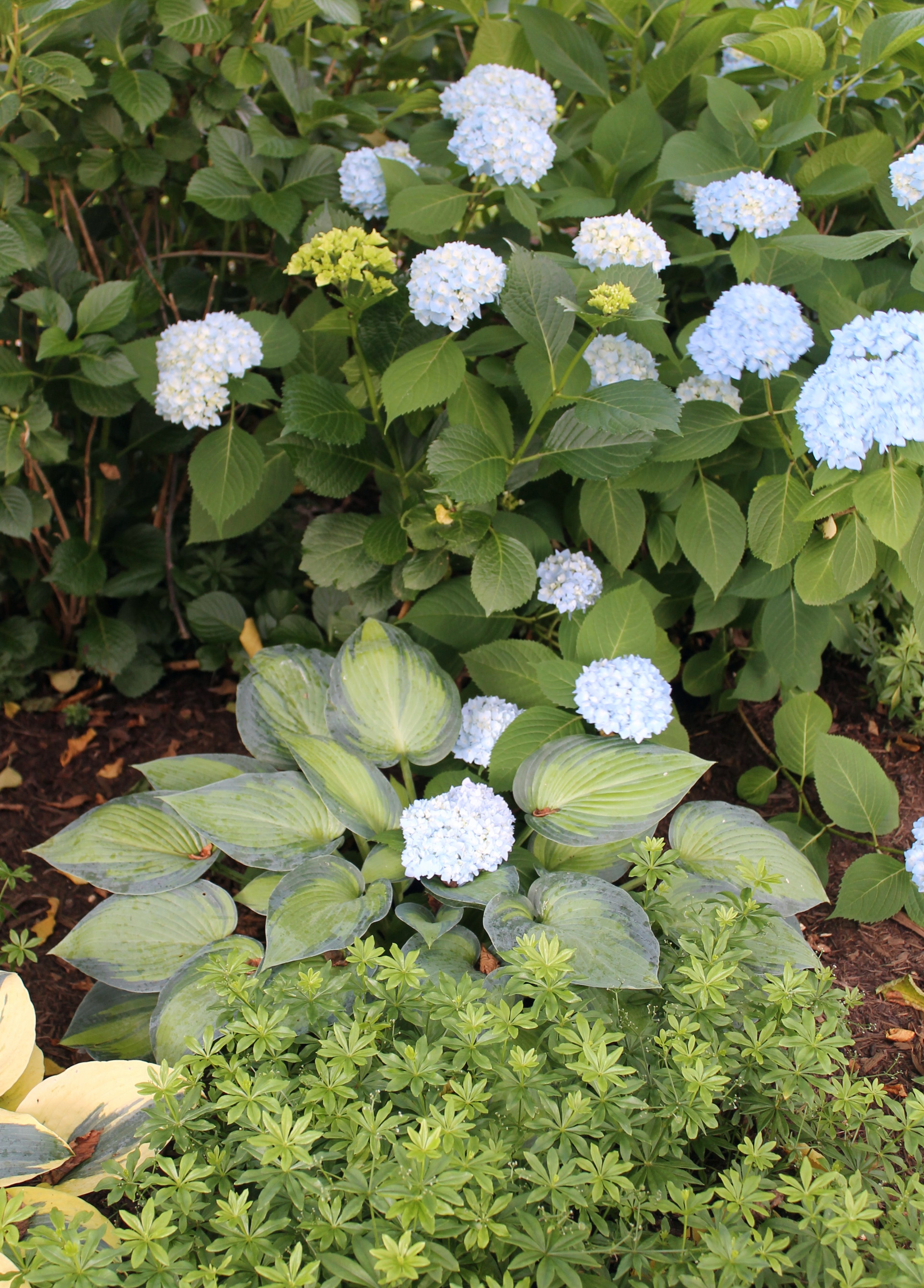
The hydrangea has dropped a blooming arm into the lap of the hosta, creating a "hostarangea."

The hydrangea has dropped a blooming arm into the lap of the hosta, creating a “hostarangea.”

   Intermingling is one of them, and that’s the answer behind the “mystery plant” I wrote about here earlier this week (see below).

   The plant I noticed in my front yard had a round blue bloom growing out of the center of a variegated leafy cluster.

   Alert reader Deborah Albericci was the first to correctly answer my mystery quiz by recognizing this was a hydrangea bloom growing through a hosta plant.

   I’ve got a ‘Forever and Ever Blue Heaven’ hydrangea and a ‘June’ hosta plant growing side by side in the shade of a cherry tree.

   ‘Forever and Ever’ decided to send out a low arm that snaked into the middle of the neighboring ‘June’ and then popped up one of its beautiful blue flower balls.

   It couldn’t have been a more perfect placement. The flower was sitting dead center in ‘June’s’ lap.

   Serendipity is the big word for it.

   I thought it was a fun surprise and one of those things that makes gardening so intriguing.

   I think a good name for my “new” plant is “Hostarangea interminglis.” I call this particular cultivar ‘Forever June.’


Mystery Plant

June 25th, 2013

   I was out inspecting the botanical troops the other day (my favorite summer pasttime) when one particular bloom caught my eye.

Can you identify the mystery plant?

Can you identify the mystery plant?

   The flower was a soft but true blue in color and rounded in shape – about the size of a baseball.

   It was sitting dead center in the middle of a rosette of variegated foliage in a shaded spot of my front side yard, under a cherry tree.

   Let’s see how good you are. Can anybody identify it?

   A photo is at right. Email me at george@georgeweigel.net if you know what it is.

   I may have stumbled onto something new, and I’ve got the perfect name for it. I’ll let you know as soon as somebody guesses.

   Lots of other interesting stuff is going on at this time of year.

   Something that two people asked about in the last week is why the little, immature berries are dropping off the dark-leafed elderberry bushes and the evergreen hollies – in particular, ‘Dragon Lady.’

   I have both ‘Black Lace’ elderberry and ‘Dragon Lady,’ and the same thing happens every spring to mine.

   The most likely explanation is a pollination issue. Young fruits (technically, ovaries) form on these plants in spring, but if they’re not pollinated, the fruits drop.

Read More »


Trouble brewing at the border

June 18th, 2013

   Trees are generally a good thing.

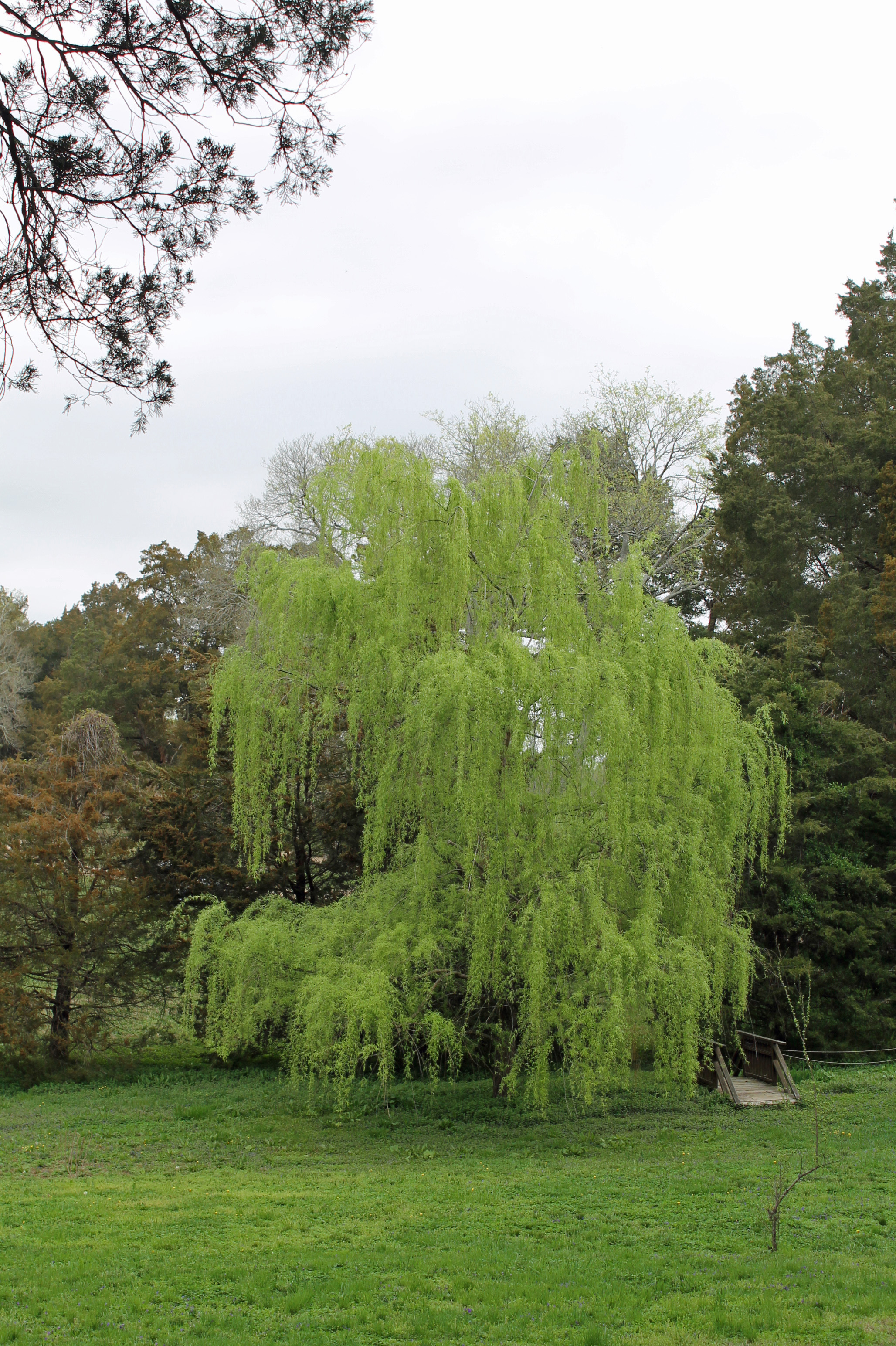
Nice weeping willow... in a good spot.

Nice weeping willow… in a good spot.

   A weeping willow 2 feet off the property line is not.

   I mention this because of the email I got from a dispirited local woman who sees trouble heading for her back yard, yet she’s helpless to do much about it.

   It seems her neighbor likes weeping willows and decided to plant one, even though they live in a small residential neighborhood.

   Worse yet, he planted the tree 2 feet inside his property line.

   The woman who emailed says she’s not only concerned about potential damage to water and sewer lines that run back there, but also with the effect this tree is going to have on her line of evergreens that already are planted 2 feet inside her line.

   She says the owner is aware of how big the tree will get and the potential for problems but isn’t concerned – at least not enough to do anything about it.

   “I’ve called the township,” the woman says, “but was told there is no rule preventing this, only that I can trim the branches that grow over the property line.”

   I wish I could say this is a rare problem that surprises me, but it’s unfortunately neither rare nor surprising.

   It seems to me it’s just one of many, many troubles that could be prevented if people would use good common sense and actually care about each others’ concerns.

   It’s also the kind of thing that drives police and the township folks crazy because they often get in the middle of disputes like this and end up passing ordinances that people later criticize for being privacy-invading “big government.”

   I used to cover local government for The Patriot-News, and from what I saw, most of the rules and regulations stemmed from trying to keep one party from stomping on the welfare of another.

   In the case of this tree-trouble waiting to happen, your best bet is to try reasoning with your neighbor.

   If he’s flat-out refusing to do anything, then I’d suggest giving/sending him something in writing that outlines your concerns.

   The reason is that if/when this ever goes to adjudication, you’ve got a record showing that the neighbor was made aware of possible problems.

Read More »


Yield Boosters

June 11th, 2013

   I try to milk every last little bit of production space out of my vegetable garden.

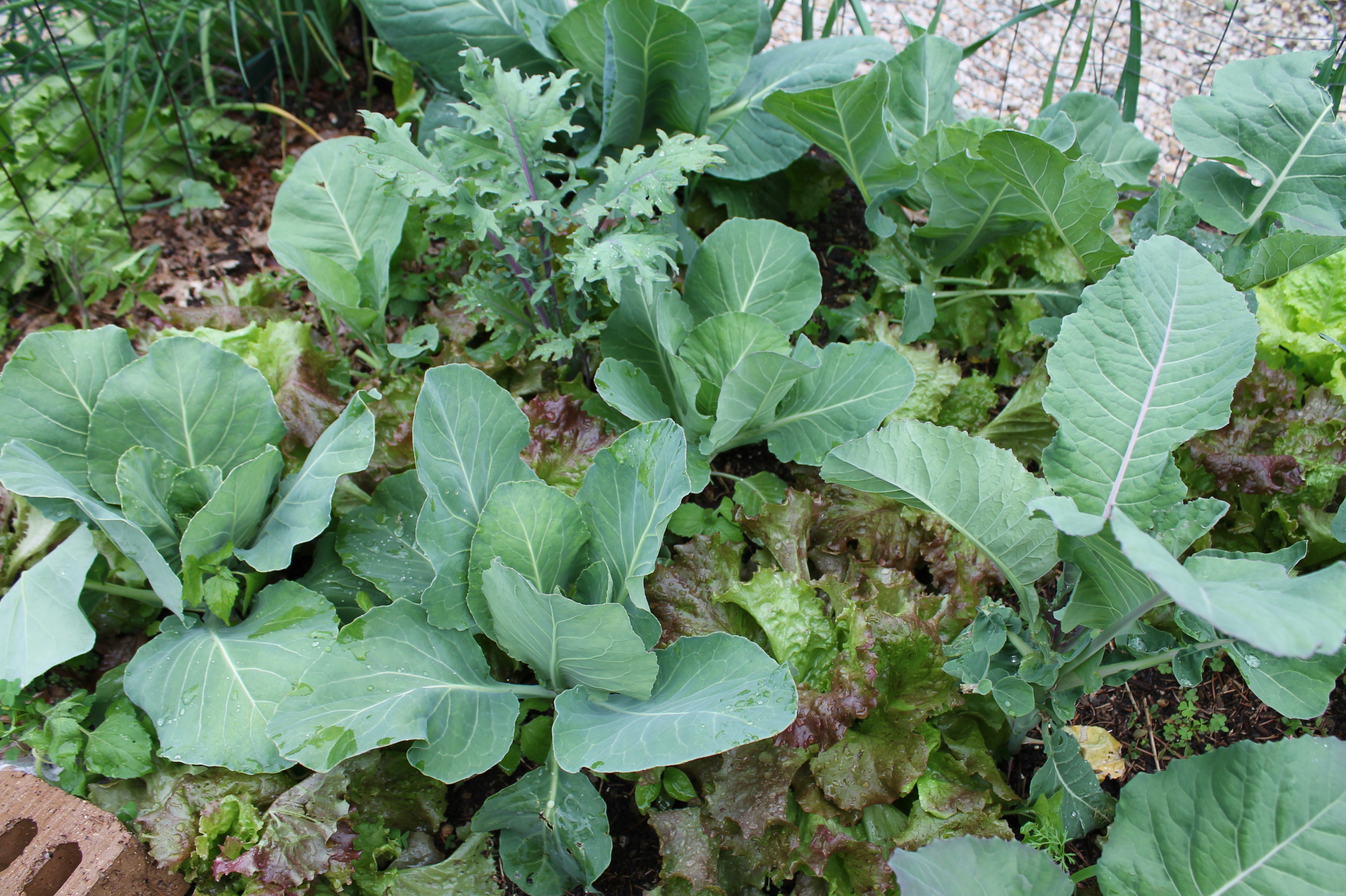
Lettuce inserted among cauliflower transplants.

Lettuce inserted among cauliflower transplants.

   From the design itself to what and how I plant, my goal is to get the most out of the least space with the least work.

   You’ve heard of Square Foot Gardening? I do Square Inch Gardening because a speck of soil is a terrible thing to waste.

   I’ve picked up a lot of little yield-boosting ideas over the years, so this week I thought I’d share some of them with you:

   1.) Planting in blocks instead of rows right off the bat increases yields. But I maximize even the block-plantings by inserting small, fast-growers in the gaps among the transplants.

   Example: When I plant my broccoli, cabbage and cauliflower plants about 15 to 18 inches apart, I insert a lettuce seedling or plant a few radishes in each gap. By the time the cole crops expand over the space, the lettuce and radishes are ready to pick.

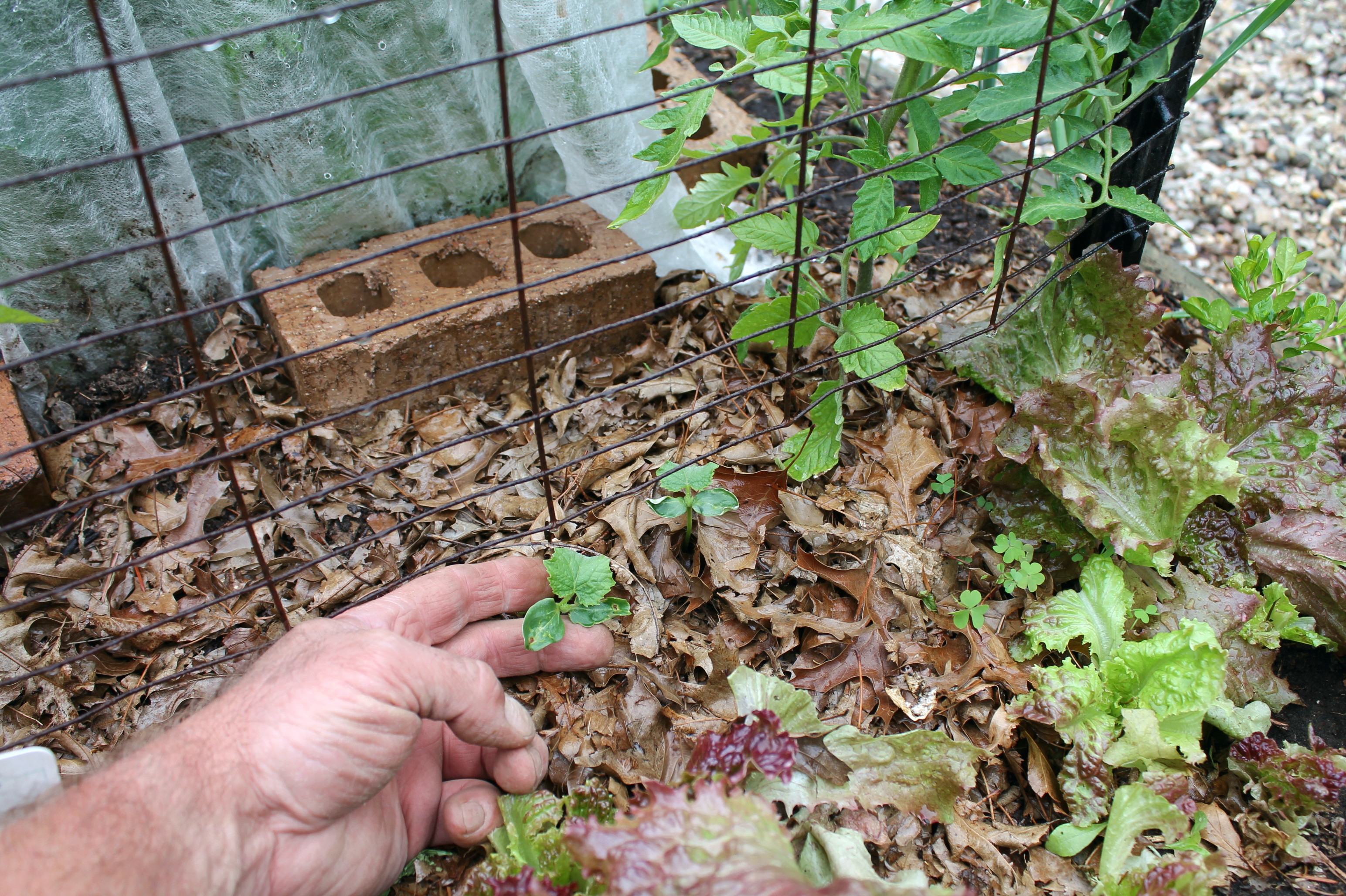
   2.) Similarly, I interplant tomato transplants with cucumber seeds. I use concrete-reinforcing wire tied to metal stakes as my “tomato walls,” and this support is also ideal for climbing cuke tendrils.

Cucumber seedlings are coming up and will grow alongside the tomato.

Cucumber seedlings are coming up and will grow alongside the tomato.

   The cukes wind their way up along with the growing tomato foliage, and I end up picking bonus cucumbers in space that otherwise would be used solely by tomato leaves.

    Even a few plants give plenty of cucumbers for fresh eating, usually starting before the tomatoes ripen.

     3.) Those tomato walls are spaced 1 foot in from the edge of my beds to allow soil space for the tomato roots to stretch out.

   I’ve found that shallow-rooted lettuce, mesclun and similar leafy plants do fine in that foot-wide strip without setting back the deeper-rooted tomatoes.

   In summer, I plant the leafy crops so they’ll get afternoon shade from the tomato foliage. That keeps them cooler, giving me bolt-free, bitter-free summer lettuce that wouldn’t be possible out in the open garden.

Read More »


« Older Ramblings and Readlings Newer Ramblings and Readlings »

  • Home
  • Garden House-Calls
  • George's Talks & Trips
  • Disclosure

© 2026 George Weigel | Site designed and programmed by Pittsburgh Web Developer Andy Weigel using WordPress