

10 Top Gardening Trends of 2016
January 5th, 2016
A good way to start any gardening year (other than fretting about the weather we’re going to get the next two months) is to take a look at what trends might be shaping up.
You want to be a trendy gardener, right?
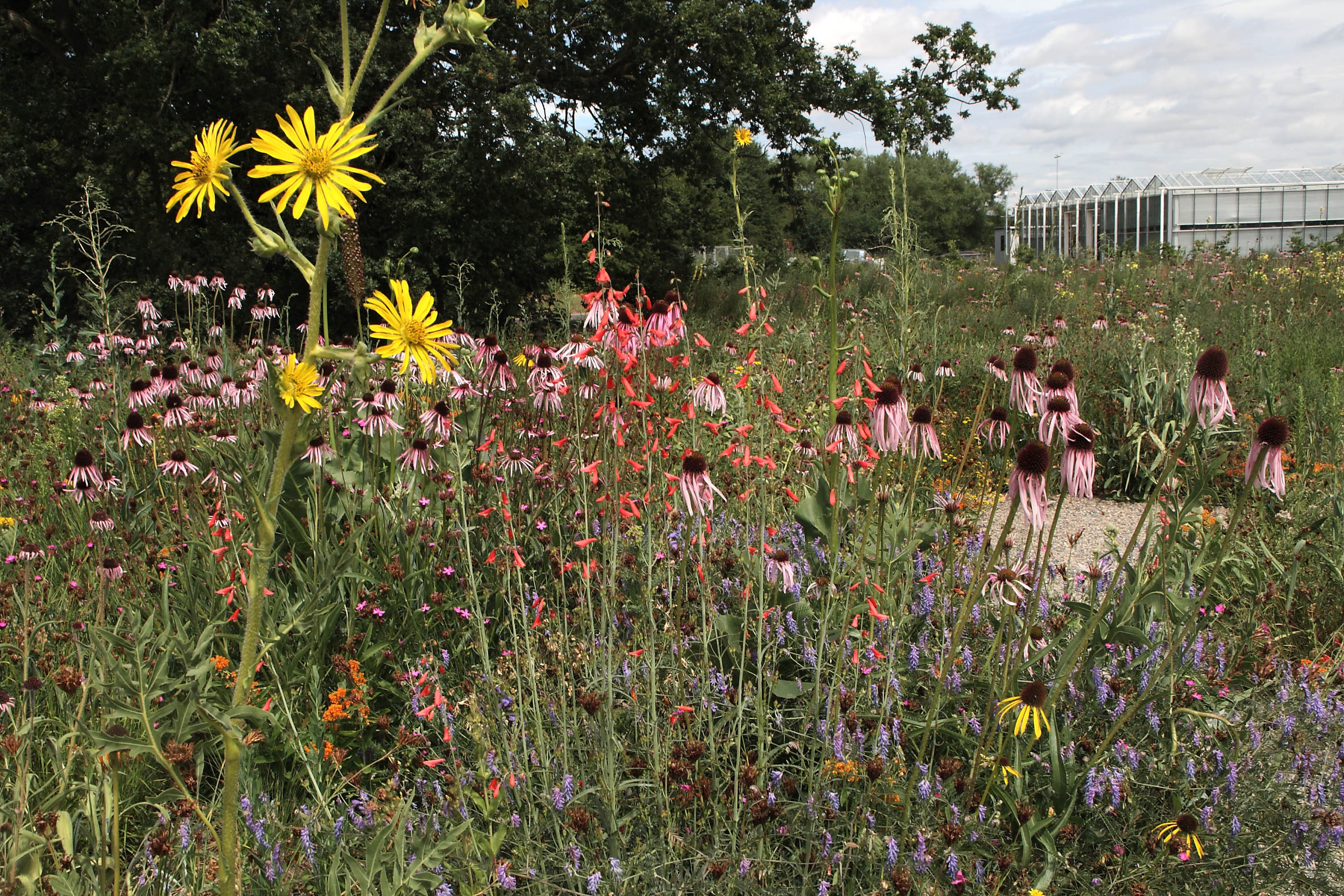
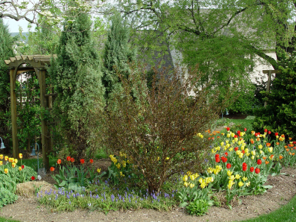
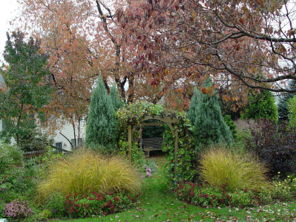
We’re looking at low-care gardens that “evoke” nature.
Credit: Susan Skender
Even if not, you might find it interesting to see what local garden-trends watchers foresee being hot items in 2016.
1.) “Naturalistic” landscapes. Fed up with back-breaking mulching, pain-staking trimming and never-ending lawn-mowing in the traditional “neat” landscape, people are turning to a more relaxed planting style that features densely planted and low-care shrubs, grasses, perennials and groundcovers. And not necessarily all native plants, either.
“It evokes nature,” is how Cumberland County Master Gardener Susan Skender described the emerging style at a Penn State Extension seminar. “I’ve heard it described as less Grace Kelly and more Beyonce.”
The style also features smaller lawns, a blend of native and low-care non-native plants, and beds planted in layers with plants arranged in intermingling colonies as opposed to neat rows.
If you want to see what this concept is all about, check out the new book “Planting in a Post-Wild World” by Thomas Rainer and Claudia West (Timber Press, 2015, $39.95 hardcover) or visit Rainer’s A Way to Garden website.
2.) Pollinator gardens. This trend really caught on in 2015 and “will no doubt continue in 2016,” says Mariella Trosko, director of Hershey Gardens. “As people become more aware that pollinators are in danger due to increased urbanization, they’re looking to create a pollinator-friendly environment. So they’re planting native species and host plants such as milkweed and black-eyed susan.”

Pollinator gardens are still on the upswing.
Also spurring this one is a new national task-force recommendation handed down in 2015 encouraging Americans to plant more pollinator-attractive plants and to spray less.
3.) Container gardening. This one’s been a trend for years but will be stronger than ever in 2016 because of the ease of care, multi-season interest and up-close-and-personal color, says Steve Norman, director of merchandise for Stauffers of Kissel Hill Garden Centers.
Norman says recent twists are growing edibles and succulents in containers.
“Edibles in containers is strong with the increased awareness of where our food comes from,” he says. “Succulents as a living art in unique containers is also popular.”
“We’re also seeing an increase in the use of tropical foliage like alocasias, bananas, cannas and such as people are looking for bold colors and textures,” Norman adds.
4.) Berry bushes in containers. Kerri Laudig, the greenhouse manager at Ashcombe Farm and Greenhouses in Monroe Twp., foresees another new container twist growing in 2016 – berry bushes in pots.
“People are interested in strawberries, blueberries, raspberries and new additions like pink blueberries and yellow raspberries,” she says. “We completely sold out of berries last spring.
“I’m not sure what’s cool about berries lately, but it’s relatively easy, doesn’t require much space (especially in pots), and it’s something the kids like to eat. I know my son got a kick out of picking blueberries last spring.”
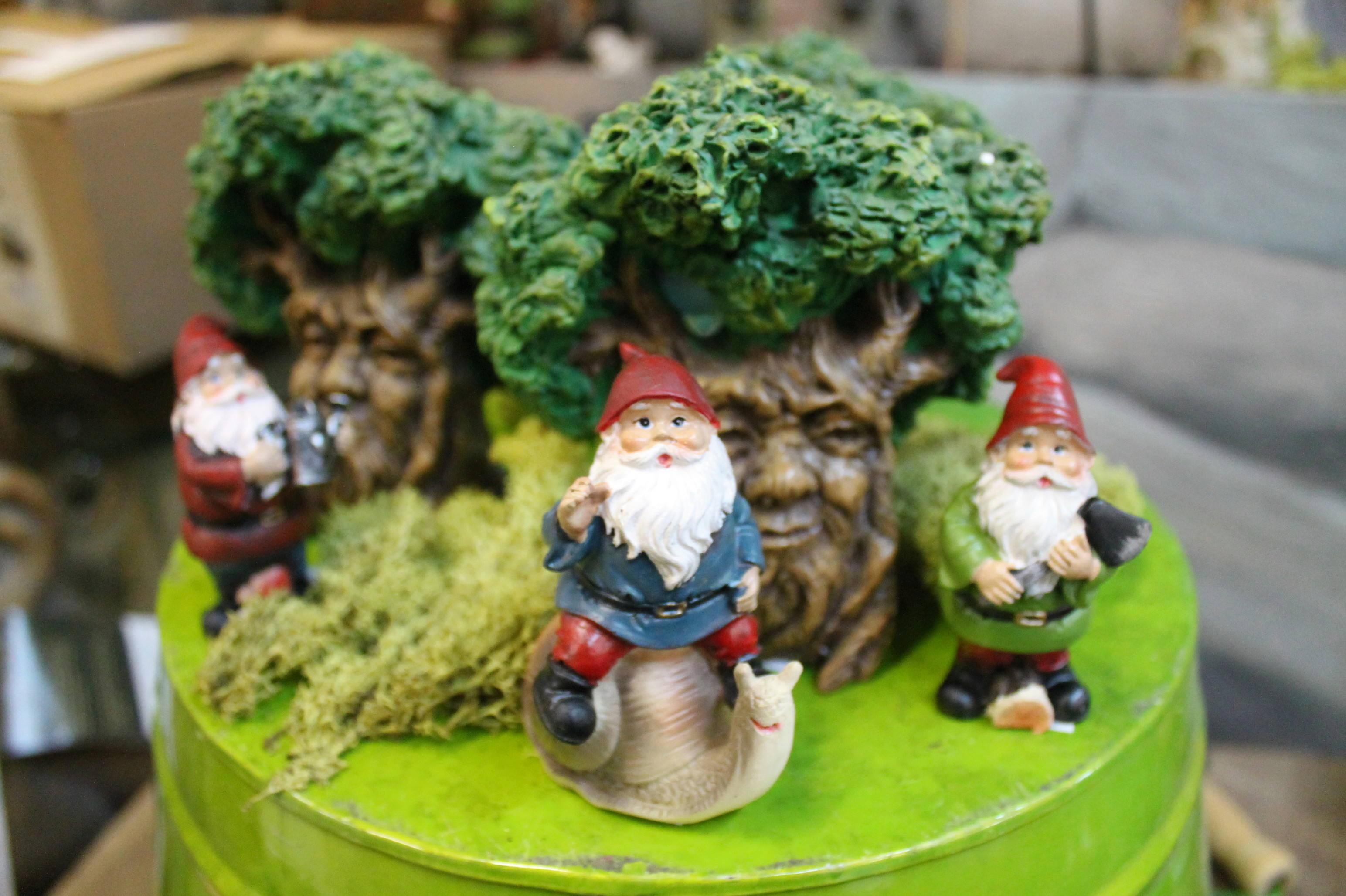
Gnomes in, fairies out?
5.) Gnomes. Could fairies be out and gnomes in?
Erica Shaffer, manager at Highland Gardens in Lower Allen Twp., says she’s seeing and hearing more gnome noise as we head into 2016.
“I guess gnomes saw all of the limelight that the fairies have been getting and decided to come out of hiding,” she speculates. “They are quite a diverse bunch, too. These nature spirits include brownies and elves. You can often find them hiding just out of sight behind mushrooms.”
Shaffer says they’re also hard-working and jovial, and “legend has it they often guard buried treasure!”
Fine, but do they scare away groundhogs?
6.) “NaTECHure.” Here’s a new term for you. It’s a blend of two trends near and dear to the hearts of the sleep-with-our-cell-phone generation – technology and reconnecting with nature.
On the one hand, iPads and smart phones are ingrained. On the other, many feel the need to “rewild” and engage in earthy activities such as camping, hiking and gardening, says Susan McCoy, the “queen bee” and chief trends-watcher at Chester County-based Garden Media Group.
“People are getting plugged-in outside, syncing their garden habits with technology and garden hobbyists with each other,” she says.
That can range from getting watering reminders by app to stationing plant-monitoring gadgets in the garden to monitor conditions wirelessly.
“NaTECHure has the potential to mobilize a new generation of nature-lovers,” says McCoy. “It will get people off the couch, outside, and digging in the dirt again.”
7.) Garden “makers.” This refers not to making a garden, as in digging up a chunk of lawn. It refers to the increasing number of gardener/crafters who like to make and do as opposed to just grow.
Garden Media Group’s McCoy says this trend is being fueled by so-called young, urban culturals or “yuccies” – the offspring of yuppies and hipsters.
“They like to be makers – taste-makers, craft-makers and so on… not just making things but experiences,” she says. “They engage with nature hands-on through projects like growing hops for backyard brewing and testing out natural dyes with fruits and vegetables. They want to get down and dirty and engage with outdoor environments in a more hands-on way.”
Annette MaCoy, the Master Gardener coordinator in Penn State Extension’s Cumberland County office, says that trend is expanding into all sorts of “drink gardens,” including more grape-growing for homemade wine, apples for hard cider, and assorted mints and herbs for teas.
8.) Home-grown herbs. Hershey Gardens’ Trosko says Hershey’s herb garden has been particularly popular lately. Besides the increased interest in home-grown tea ingredients, she thinks that popularity might be linked to the farm-to-table trend in which people are paying more attention to their food’s origin.
“People know that the herbs they grow in their own garden will be flavorful and fresh and that they’ll be free of pesticides,” she says.
Most herbs also are among the easiest plants to grow.
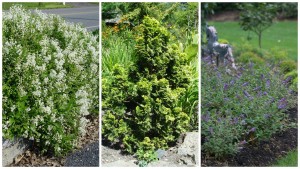
Compact plants are in.
9.) Space- and work-savers. Aging baby boomers and the trend toward smaller lot sizes are adding up to a demand for low-care plants that grow in compact sizes.
Gardeners want dwarf or down-sized versions of their favorite plants that they can grow in small spaces and containers, and they want varieties that take little to no pruning, watering, deadheading, spraying or other “work.”
“As retiring homeowners downsize to smaller homes, townhomes, or apartments with very limited space for gardening, they still want to feel a connection with the outdoors,” says Cumberland County’s MaCoy. “But I think they want to be able to ‘pick and choose’ their gardening. Maybe they don’t want to be bothered with lawn-care chores, but maybe they do want to tend succulent container gardens.”
10.) Dogscaping. Dogs and plants often don’t co-habitat nicely, but what about households with both gardener and dog-lover?
“Pets run through the lawn, roll in it, dig in it and often eat it, so it’s no wonder that pet-owners are thinking more and more about how to make their gardens pet-friendly and pet-safe,” says Garden Media Group’s McCoy.
On the one hand is using fencing, training and strategic design to limit plant damage from Rover. But the bigger interest appears to be moving away from lawn chemicals and toxic plants (foxglove, castor beans and angel’s trumpet, for example) to protect Rover from the landscape.


Hi George! Happy new year! Thanks for sharing this great valuable info on 2016 trends! Always good for some down time to fill in my days..reading your articles take care of that! Chris Abel