
• Home
  • Contact
  • Site Map
George Weigel - Central PA Gardening
  • Landscape 1
  • Landscape 2
  • Landscape 3
  • Landscape 4
  • Garden Drawings
  • Talks & Trips
  • Patriot-News/Pennlive Posts
  • Buy Helpful Info

Navigation

  • Storage Shed (Useful Past Columns)
  • About George
  • Sign Up for George's Free E-Column
  • Plant Profiles
  • Timely Tips
  • George’s Handy Lists
  • George's Friends
  • Photo Galleries
  • Links and Resources
  • Support George’s Efforts


George’s new “50 American Public Gardens You Really Ought to See” e-book steers you to the top gardens to add to your bucket list.

Read More | Order Now


George’s “Survivor Plant List” is a 19-page booklet detailing hundreds of the toughest and highest-performing plants.

Click Here


Has the info here been useful? Support George’s efforts by clicking below.


Looking for other ways to support George?

Click Here

George's Current Ramblings and Readlings

Better in the Garden than in Pots

April 22nd, 2014

   Lots of plants are slow starters that just don’t show well in pots at the garden center.
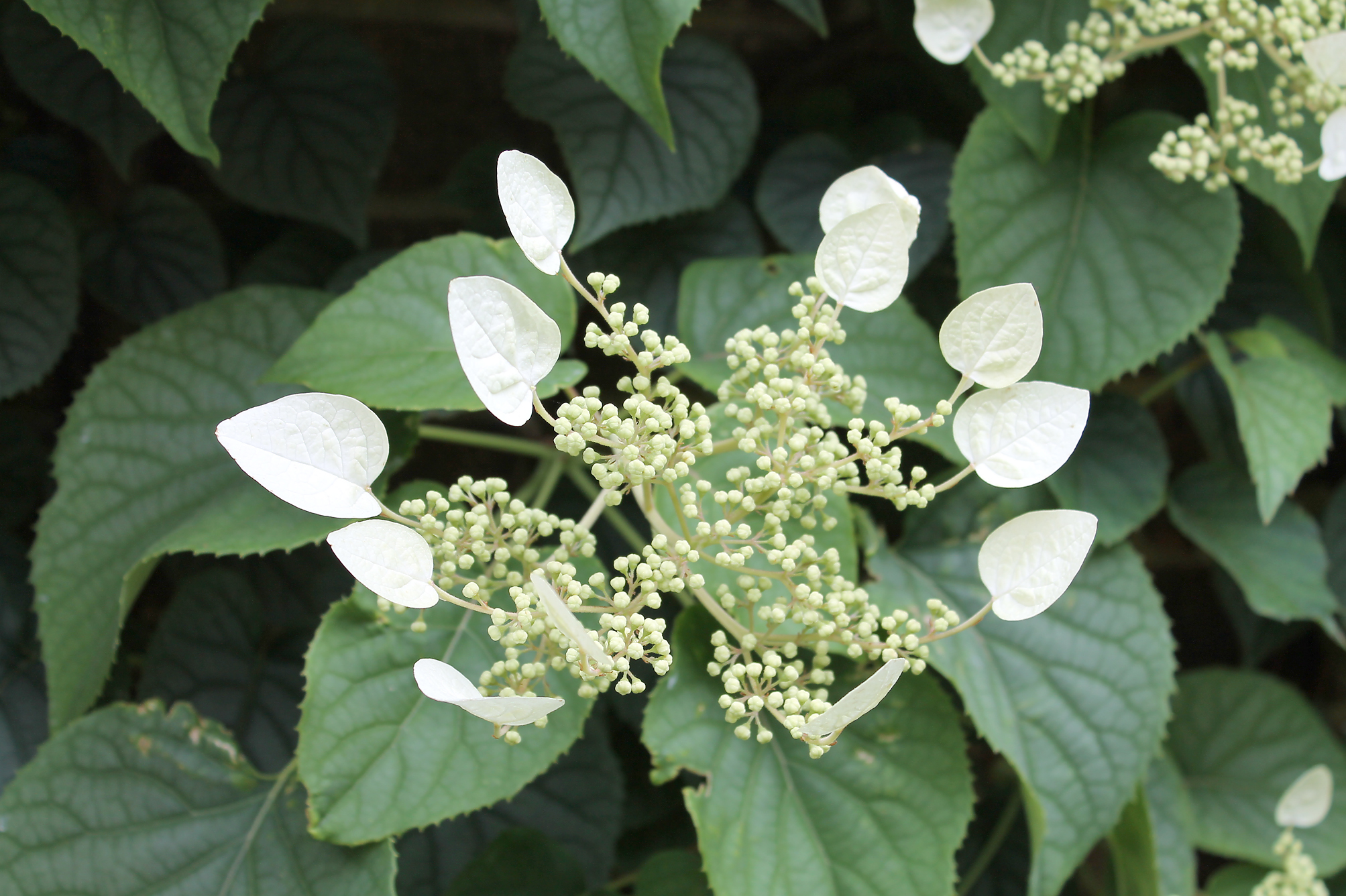
Japanese hydrangea vine 'Moonlight' -- slow to get going but excellent when it gets there.

Japanese hydrangea vine ‘Moonlight’ — slow to get going but excellent when it gets there.

   They’re usually under-planted even though they mature into trouble-free beauties later in the season in the garden.

   Last week we looked at my top 10 plants that do the opposite… ones that look better in pots than the garden.

   Here’s my list of top 10 plants that turn out to be better in the garden than in pots:

   1.) Climbing hydrangea/Japanese hydrangea vine. These two woody vines are similar in habit and looks with their heart-shaped leaves and white or pink summer flowers.

   They’re my favorite shade vines, but it can take them a good 3 years in the ground before they hit prime. In a pot as a toddler, they’re plain and even gangly.

   2.) Leadwort (plumbago). An under-used groundcover, leadwort fills in quickly without becoming invasive, it blooms blue in late summer, and it has leaves that turn blood red in fall.
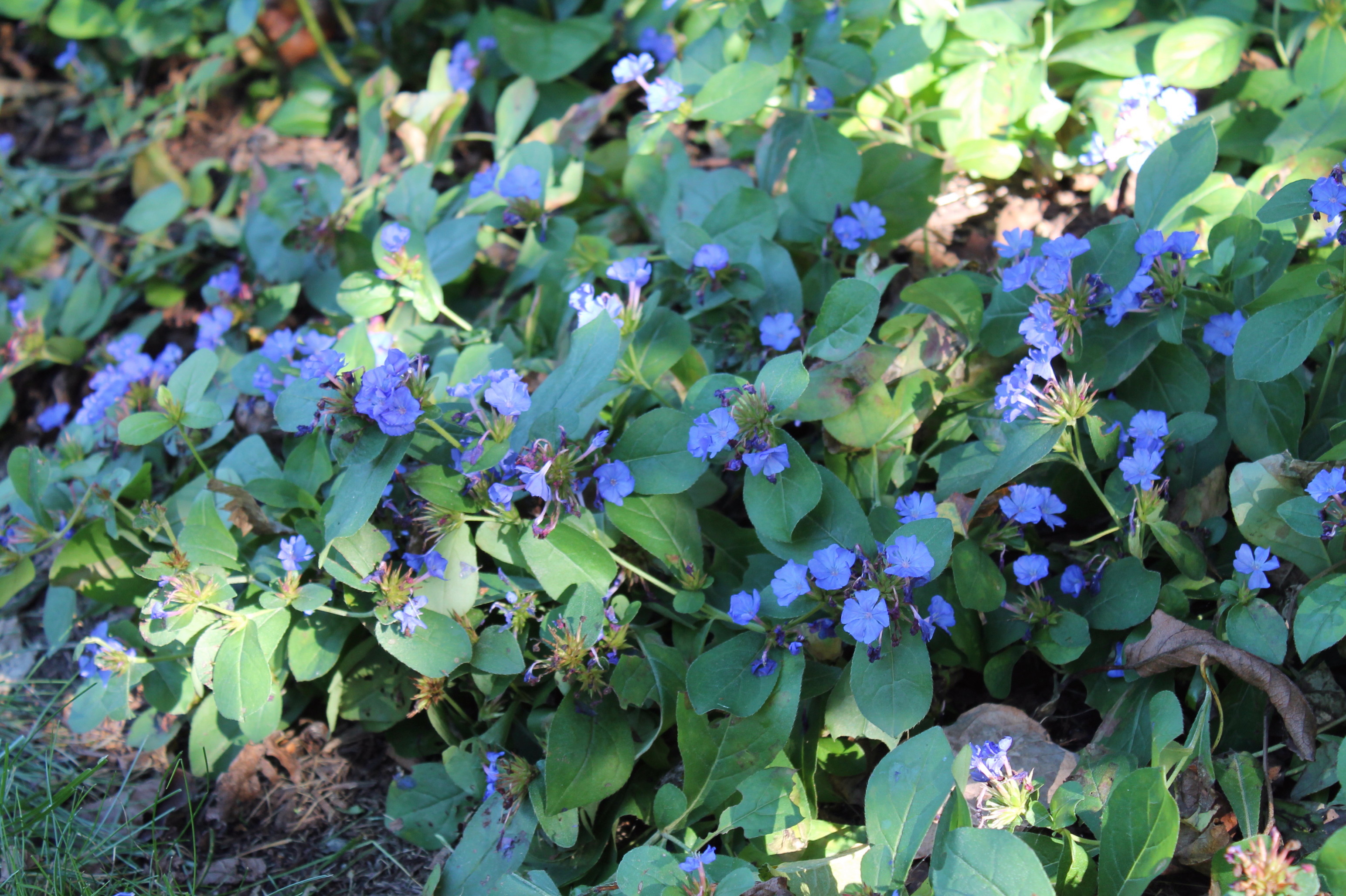
Leadwort blooming in September.

Leadwort blooming in September.

   In spring in a pot, there’s nothing going on. Leadwort is boring and puny then.

   3.) Crape myrtle. Few tall shrubs/small trees are as showy in summer to late summer as this Southern staple. (We can grow ones selected for Pennsylvania cold hardiness.)

   The problem is these are some of the last plants to leaf out in spring, much less flower. So at prime plant-shopping time in early to mid May, crape myrtles are still bare, which is why garden centers often don’t even bother carrying them until early summer.

   4.) Threadleaf bluestar (Amsonia hubrichtii). A U.S. native perennial, threadleaf bluestar is at its best when it’s had a chance to grow into a summertime 3-foot bush with ferny, thready foliage that turns golden in fall.

   It blooms baby blue in spring, but its small size in pots in spring doesn’t nearly do it justice.
Read More »


Better in Pots than the Garden

April 15th, 2014

   Finally… warm weather and that time of the year when we can get started planting/replanting the landscape.

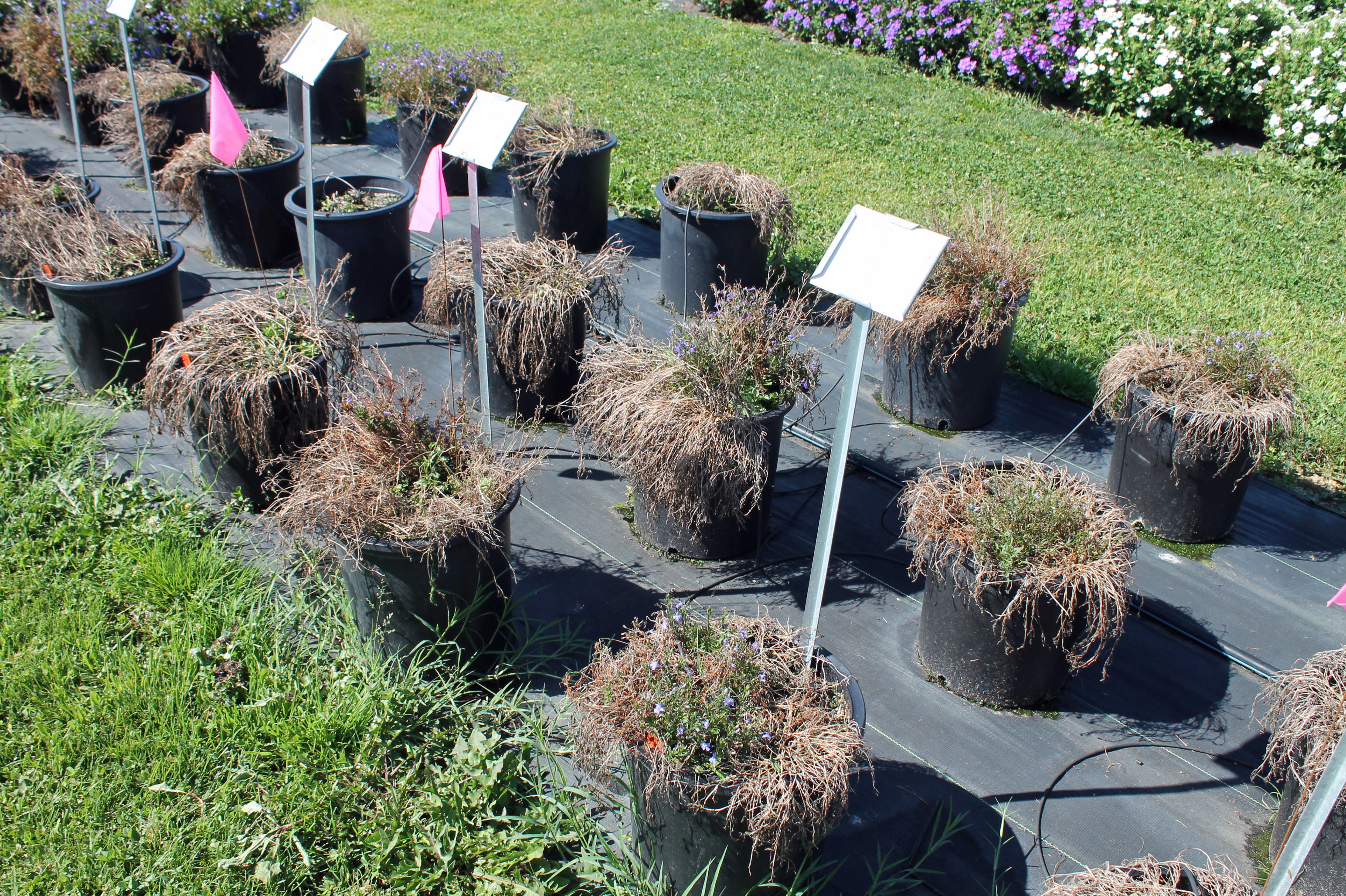
What lobelias usually look like in summer. Here's a trial planting of them at Penn State's Trial Gardens.

What lobelias usually look like in summer. Here’s a trial planting of them at Penn State’s Trial Gardens.

   As you’re shopping, consider that some plants make a good first impression but quickly lose their luster once they move in with you.

   Others get off to a homely, underwhelming start in their garden-center pots but flourish like botanical swans once in open ground.

   Knowing which is which helps invest your plant-buying dollars more wisely.

   To help with your spring plant-buying, I’ve come up with a list of top 10 plants that look better in pots than the garden and a list of top 10 plants that look better in the garden than in pots at the garden center.

   Let’s do the first list below and the second one next week.

   Better in Pots

   1.) Annual lobelia. These compact, dainty annuals grab lots of eyes with their rich blue flowers. Some varieties bloom sky blue, and others bloom a deeper, darker blue than any flower I’ve seen.

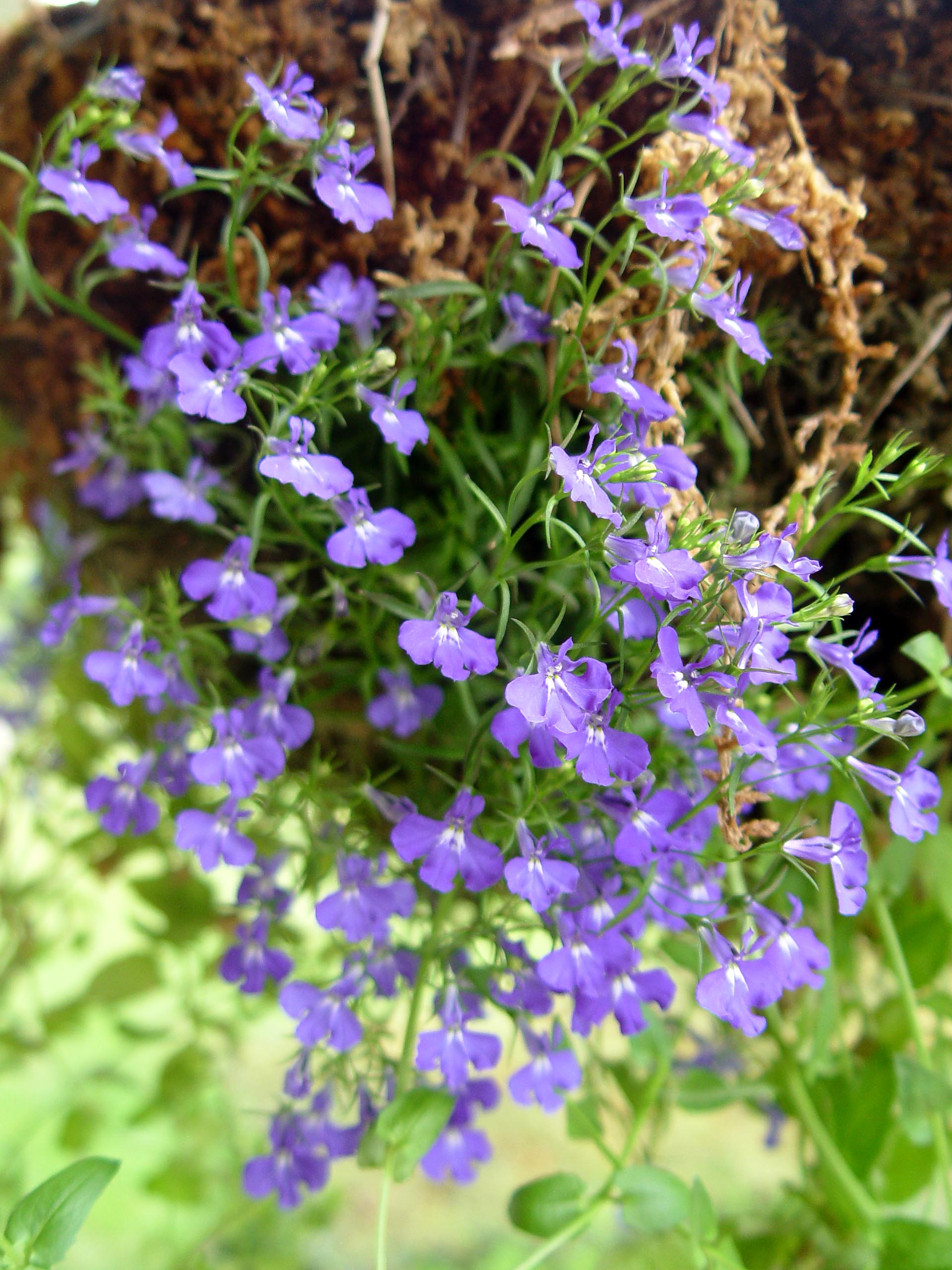
What lobelia looks like in the pot at purchase time.

What lobelia looks like in the pot at purchase time.

   The problem is lobelia doesn’t do heat. By July, they’re almost always out of bloom and often totally fried to a crisp.

   2.) Pansies/violas. These closely related flowers are also cool-weather lovers. They come in all sorts of vibrant colors with their cutesy faces.

   In my experience, they end up in the same summer boat as lobelia – if the rabbits don’t eat them first.

   3.) Azaleas. Azaleas have the good sense to hit peak bloom at the same time the bulk of people are planting-shopping in May.

   Most are gorgeous balls of solid color in nursery pots, but way too many of them croak or become lacebug-infested in lousy soil, too much sun and summer drought.

   4.) Mountain laurel. Our official state flower (a woodland broadleaf evergreen shrub) also looks great in April/May with its shiny leaves and pretty pink, rose or white flowers.

   Unfortunately, this species is very picky about growing conditions, much preferring the cool Poconos woods (or the greenhouse) to your baked-clay back yard. A majority are dead in 2 to 3 years… or looking like they’d be better off if they were.

Read More »


Veggies with the Best Payback

April 8th, 2014

   The soil finally warmed and dried enough that I could sneak the first crops into my 2014 vegetable garden – about 2 weeks later than usual.

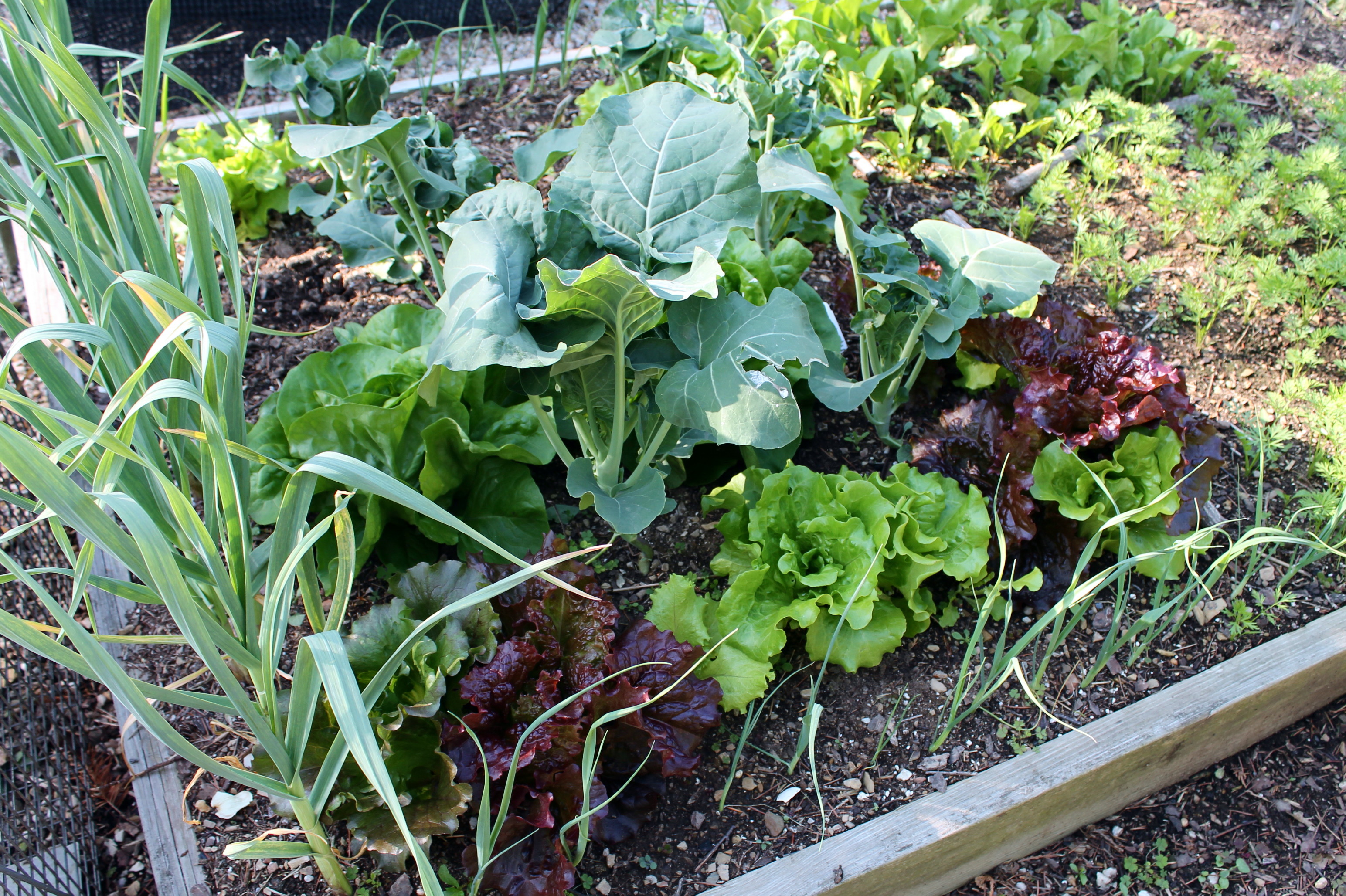
I like vegetables that make the effort well worth it.

I like vegetables that make the effort well worth it.

   We’ve got some catching up to do this year.

   One thing I’ve always tried to do is maximize my edible return for the time, work and space I invest in the veggie garden.

   Garden long enough, and you start to realize that some crops work out much better than others.

   Onions, beans and peppers, for example, give most gardeners a good return for their effort while fare such as watermelon, eggplant and sweet corn are apt to disappoint as often as pay off (at least they have for me).

   If you ran a cost/benefit analysis on home-garden crops, which would gravitate to the top?

   Which give reliably good yields of the most valuable and nutritious crops without taking up a ton of space or breaking the budget on sprays, water and fertilizer?

   Here’s my top 10 list of veggies that offer the best payback:

Read More »


Behind and Behinder

April 1st, 2014

   Those warm spells we’ve had in recent winters have been great for getting some spring yard jobs out of the way early.

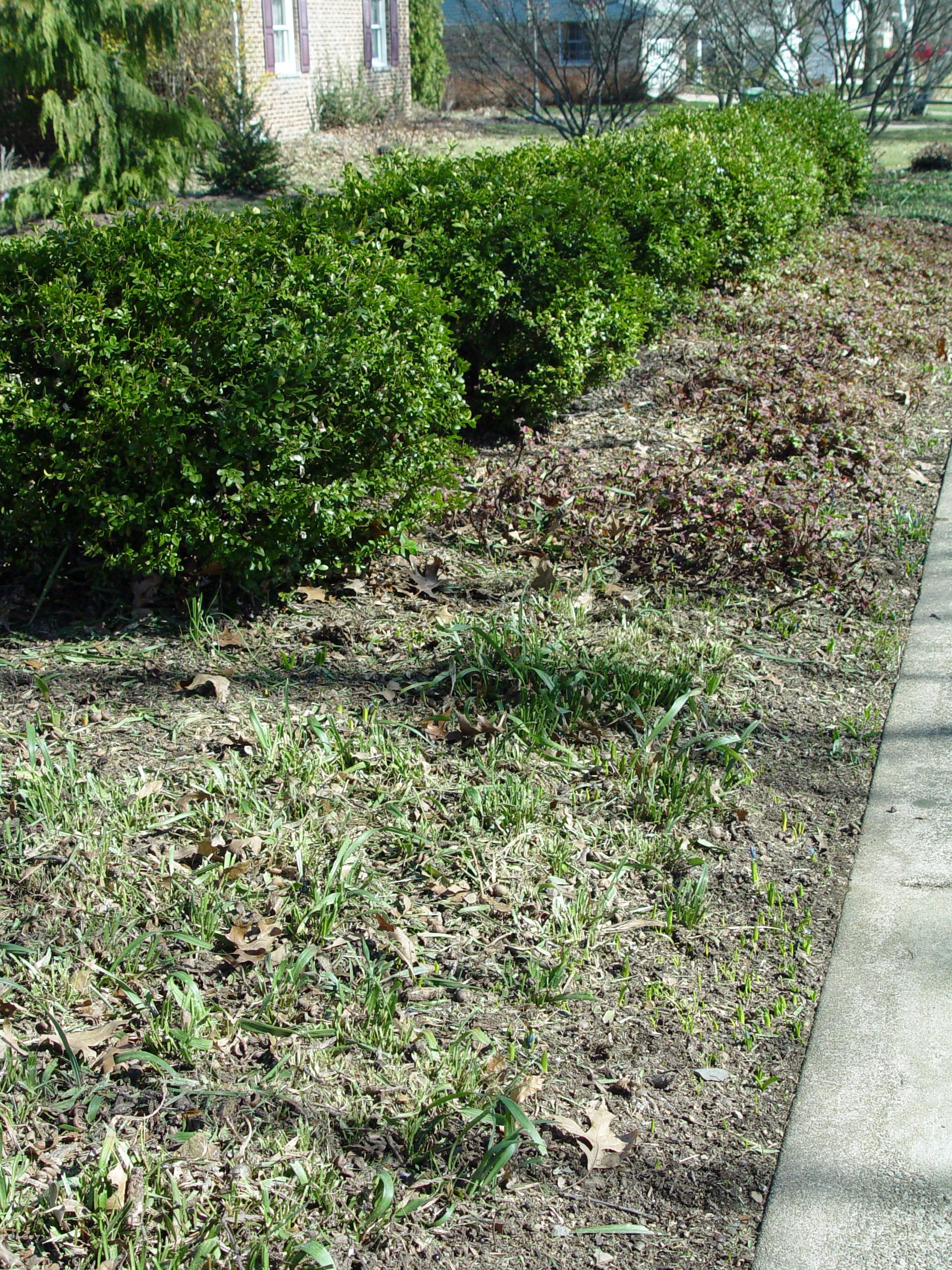
The boxwoods are trimmed, and the liriope and hardy geraniums are clipped... a few jobs done.

The boxwoods are trimmed, and the liriope and hardy geraniums are clipped… a few jobs done.

   No such luck this year.

   I probably speak for all but the most crazed gardeners in admitting that I didn’t get a thing done this year until late March. No April fooling.

   Since then, it’s been a flurry of trimming, raking, pruning, perennial-cutting, vole-cursing and such. It reminds me of the folksy saying, “The faster I go, the behinder I get.”

   Judging from how plants have progressed in this cold late winter and early spring, we’re all at least a week – and maybe two – behind our usual happenings.

   I’d been getting used to seeing forsythia and Mellow Yellow® spireas blooming in late March, with daffodils and crocuses and helleborus adding to the chorus (a helleborus-chorus?)

   We’ll catch up. All it took was a couple of 50-degree days on March 21-22 to encourage even the tulips to poke up their leafy heads.

   Everything will get around to emerging and blooming, even though the timing might be on the back end of normal for a change. That’s assuming the cold winter just browned our landscape plants and didn’t actually kill off much.

   To help you whip things into shape in your yard, here’s what I’ve been up to:

   * Trimmed the boxwoods, hollies and falsecypresses. The boxwoods in particular had some tip-burning from the winter wind. They’ll be fine once new leaf buds push out.

   * Shored up a few sagging arborvitae. This happened to a lot of arbs under the heavy snow and ice loads we had back in January. Mine had fairly minor splaying that I fixed by bundling back together with wide bands. People with severe sags on big arborvitae aren’t going to be so lucky.

Read More »


Spring First Aid

March 25th, 2014

   Normally, this is spring cleanup time in the landscape.

Osmanthus 'Goshiki' foliage browned out by the winter's cold winds.

Osmanthus ‘Goshiki’ foliage browned out by the winter’s cold winds.

   This year – at least in my yard – it’s more like spring first aid.

   I finally got out in the past week to assess the snow and cold carnage, and it’s not pretty… not disastrous, but things took more of a beating than usual.

   A lot of broadleaf evergreens are browned around the edges – “winterburned” from the cold wind.

   The boxwoods, some of the azaleas and rhododendrons, my pyracantha, the cherry laurels and especially the nandinas and my precious variegated ‘Goshiki’ osmanthus all have varying degrees of leaf-browning.

   I think these will come out fine once new buds push. I just got done trimming off much of the wind-damaged foliage and some brown branch tips. Eventually, the remaining brown leaves will drop.

   The nandinas looked the worst, but they can take severe cutbacks and come out looking good as new by June.

   I’m a little more concerned about the osmanthus. The leaf color just doesn’t look good even down into the inside of this borderline Zone 6 plant. The branches are pliable, though, so I think even it is going to be OK. It’s letting me know it’s not a fan of zero degrees, though.

   A bigger long-term problem is the lawn.

   Those dratted, tunneling voles did a fair amount of damage under the winter-long snow cover, which protects them from flying predators.

Read More »


« Older Ramblings and Readlings Newer Ramblings and Readlings »

  • Home
  • Garden House-Calls
  • George's Talks & Trips
  • Disclosure

© 2026 George Weigel | Site designed and programmed by Pittsburgh Web Developer Andy Weigel using WordPress