• Home
  • Contact
  • Site Map
George Weigel - Central PA Gardening
  • Landscape 1
  • Landscape 2
  • Landscape 3
  • Landscape 4
  • Garden Drawings
  • Talks & Trips
  • Patriot-News/Pennlive Posts
  • Buy Helpful Info

Navigation

  • Storage Shed (Useful Past Columns)
  • About George
  • Sign Up for George's Free E-Column
  • Plant Profiles
  • Timely Tips
  • George’s Handy Lists
  • George's Friends
  • Photo Galleries
  • Links and Resources
  • Support George’s Efforts


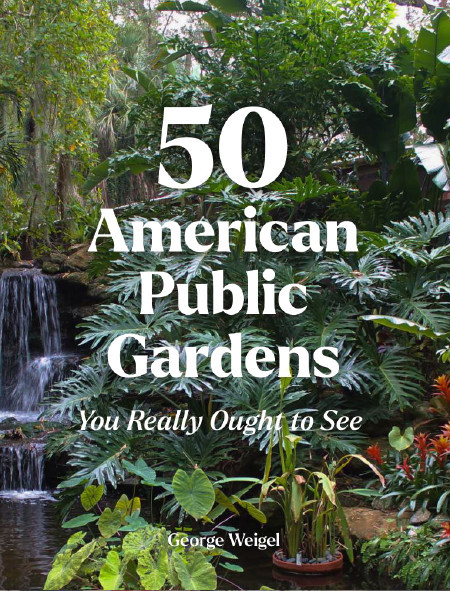
George’s new “50 American Public Gardens You Really Ought to See” e-book steers you to the top gardens to add to your bucket list.

Read More | Order Now


George’s “Survivor Plant List” is a 19-page booklet detailing hundreds of the toughest and highest-performing plants.

Click Here


Has the info here been useful? Support George’s efforts by clicking below.


Looking for other ways to support George?

Click Here

George's Current Ramblings and Readlings

A Salty Problem

March 10th, 2014

  You’ve no doubt heard about how all of the road salt spread this winter by state and local road crews strained budgets.
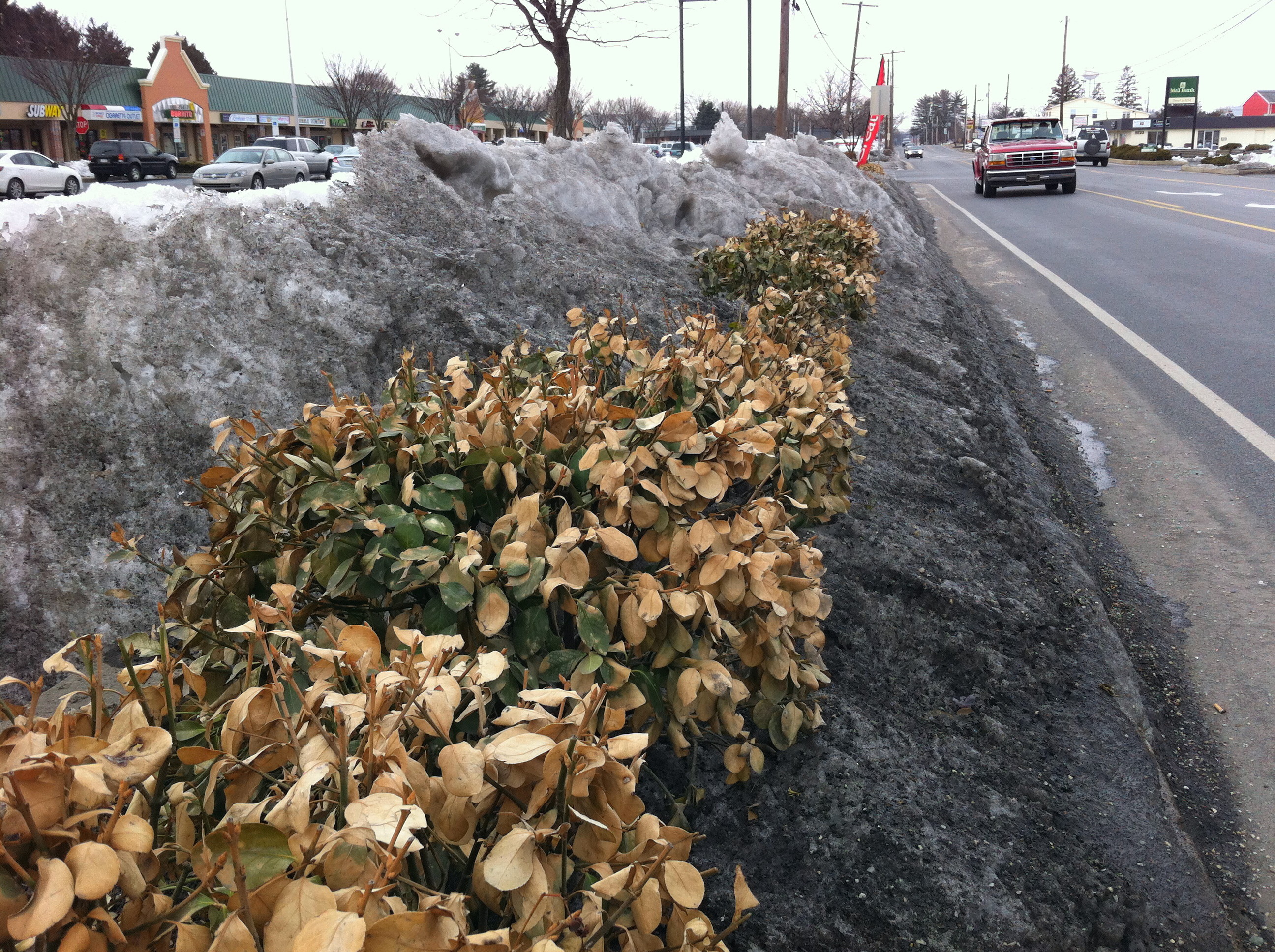
Lots of salted slush got dumped on these roadside euonymus.

Lots of salted slush got dumped on these roadside euonymus.

   By one estimate, highways are treated with up to 80 tons of salt per lane per mile in a back-to-back-to-back-snow season like this one.

   That’s a heckuva lot of salt when you add up all of the dumpings on all of our roads.

   The salt took care of the important job of making roads safer to travel – pretty quickly, too. But it doesn’t all just innocently disappear.

   Salty residue runs off into streams, and it corrodes bridges and car under-carriages. Less known is the damage it does to plants.

   That’s something we’re going to have to watch in the coming weeks and months.

   Winter salt-spreading affects plants in two main ways.
Read More »


Shrub Madness

February 18th, 2014

   Whether you care about college basketball or not, you’ll be hard pressed to ignore all of the Tweeting, Facebooking, water-cooler talk and bracket-forecasting bravado that will surround “March Madness” in the coming weeks.

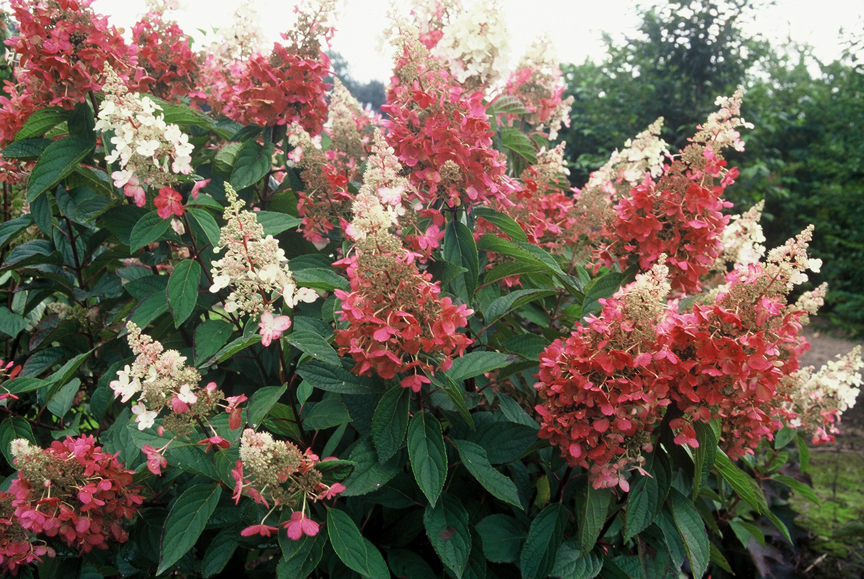
Will Pinky Winky hydrangea be good enough to win Shrub Madness?

Will Pinky Winky hydrangea be good enough to win Shrub Madness?

   That’s the title of the NCAA tournament that starts with 64 of the nation’s top college basketball teams and whittles them down week by week to the prestigious Final Four… and ultimately to a single champion.

   The folks at Michigan’s Spring Meadow Nursery, which produces the popular line of Proven Winners ColorChoice shrubs, got to thinking, “Why should basketball fans have all the fun? Why not a tournament for plant geeks?”

   So for the first time starting March 3, we’ll have “Shrub Madness.”

   Spring Meadow put together a Plant Selection Committee that picked 64 favorite Proven Winners ColorChoice shrub varieties and lined them up in playoff brackets – just like the March Madness pair-offs.

   But instead of waiting to see if Incrediball® hydrangea’s stout branches can fend off the aggressive root offense of Red Wall® Virginia creeper, the winners of these matchups will be determined by fan voting.

   Specifically, plant geeks can go to http://www.Facebook.com/PWColorChoice and pick their favorites through each of the six rounds of competition.

   To sweeten the competition, Spring Meadow plans to give away five collections of plants that make it to the final four – to be known forthwith as the “Floral Four.”

   Dozens of additional prizes are to be awarded along the way.

   The beginning brackets include a mix of familiar, top-selling varieties such as Pinky Winky® hydrangea, Lo & Behold® ‘Blue Chip’ dwarf butterfly bush and Brandywine™ viburnum as well as more obscure varieties that only a hard-core plant geek will know and love. (Happy Face® White bush cinquefoil anyone? Marie Rose™ New Jersey tea? Sugar Shack™ buttonbush?)

   “With more than 32,000 fans weighing in on the competition, this is anyone’s game,” says Stacey Hirvela, Proven Winners ColorChoice social media specialist. “Time and again, our fan base has proven their love for hydrangeas. But they’re a hungry bunch. They’re a smart bunch. And they know a good plant when they see one.

   “I wouldn’t be the least bit surprised if a truly garden-worthy but less-than-showy plant makes it to the latter rounds.”

   Shrub Madness will run from March 3 through April 4.

   By then, the coast should be clear to stop picking and start planting.


Going Native?

February 11th, 2014

   One of gardening’s hot buzzes in the last few years has been interest in planting more native plants.

Native-plant gardening is a hot trend (and hot button) lately.

Native-plant gardening is a hot trend (and hot button) lately.

   It’s also been one of gardening’s hot buttons, sometimes creating controversy and friction between nature-leaners and those who don’t care where a plant is from so long as it doesn’t die in their yard.

   Me? I’m on the garden fence. I appreciate both viewpoints and don’t think the native question has to be an all-or-evil matter.

   Yes, it makes sense to plant more native plants. They’re adapted to our soils and climate, they tend to be most attractive to our native wildlife and pollinators, and they help our landscapes look like here, giving us a distinctive regional identity.

   One of the biggest arguments is that it avoids the risk of encouraging any more invasive non-natives that have become some of our worst weeds.

   On the other hand, just because a plant is native doesn’t mean it’ll never die or require no care. You still have to get the right plant in the right place – native or not.

   Also, not everyone likes the looks of many native plants. Some see them as generallly “messy” or “weedy.”

   And native plants may attract wildlife you don’t want, such as groundhogs, deer, rabbits, voles, skunks, ticks, mosquitoes, snakes, etc.

   Things get even more complicated when you try to define exactly what a native plant is. Not everyone agrees.

Read More »


Where the Plants Are Still Growing

February 4th, 2014

   I’m back from a semi-snowbird getaway to central Florida, where I can report that plants are still alive.

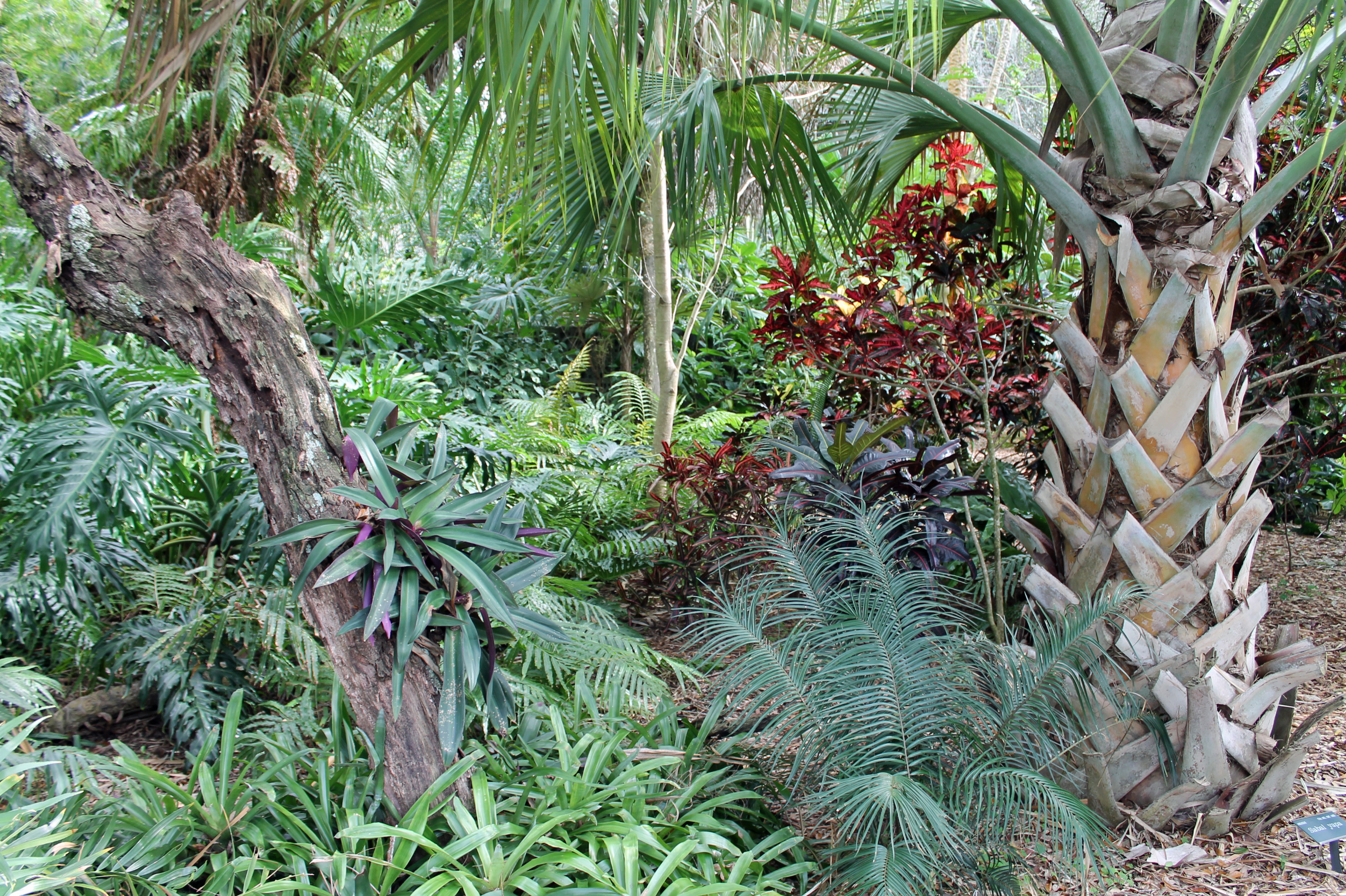
The tropical fern garden at Marie Selby Botanical Gardens in Sarasota, Fla.

The tropical fern garden at Marie Selby Botanical Gardens in Sarasota, Fla.

   It’s been chilly there so far this year, too – mostly days in the 60s with a few brushes with overnight frost – but certainly way better than our vortexish January.

   The “balmy” weather (in northerly terms) gave my wife, Sue, and me a chance to see some of central Florida’s public gardens – all ones I’d never seen before and all different from one another.

   If you favor looking to reading, check out the Central Florida Gardens Photo Gallery I just posted to go on a virtual tour. And if you’re thinking about heading down there yourself, check out the 3-bedroom, pool-equipped villa our daughter, Erin, rents just 15 minutes from Disney World.

   We both ranked Sarasota’s Marie Selby Botanical Gardens as our favorite.

   Set in a residential neighborhood along Sarasota Bay, this place, I think, is underrated because it sounds like a stuffy research, plant-specimen place.

   Selby’s main claim to fame is its collection of epiphytes, which to most people sounds like some kind of skin-disease-causing parasite. Epiphytes actually are curious plants that survive on air and rain outside of soil. They’re commonly called “air plants.”

   Selby’s air plants are fascinating, for sure, but there’s way more to this tropical 13 acres than those.

   I particularly liked the “strangler fig” tree that reaches rainforest sunlight by climbing up existing trees, then over-growing and killing them. (See last week’s e-column for more on this.)

A beautiful specimen of a Bismark palm at Selby Gardens.

A beautiful specimen of a Bismark palm at Selby Gardens.

   Also cool was the Bismark palm, a 20-footer with blue foliage and large vertical fans.

   Sue liked the rainbow gum tree (a type of eucalyptus) for its pink and green flaking bark and Selby’s new Children’s Rainforest, a unique place for exploring among trees, huts, cliffs and a waterfall.

   The gardens’ founder, Marie Selby, was an interesting woman, too. She grew up in Ohio, married a wealthy oil executive who overwintered in Sarasota, was the first woman to cross the United States in a car, and was an accomplished pianist.

   Setting up this beautiful and intriguing garden wasn’t a bad legacy either.

   Sue and I also both liked the Harry P. Leu Gardens in Orlando.

Read More »


Believe-It-Or-Not Trees

January 28th, 2014

   Trees, like most living things, will do what it takes to keep living.

A strangler fig overtaking a palm.

A strangler fig overtaking a palm.

   Even it means killing other trees.

   I’d never encountered a directly and intentionally murderous tree until running into a so-called “Florida strangler fig” last week at Sarasota’s beautiful Marie Selby Botanical Gardens.

   Skinny gray trunks of this tree were working their way around a peace-loving palm like the Boston strangler’s fingers around a throat.

   The sign said this strangler fig (Ficus aurea) eventually would surround and overtake the palm, killing it and letting behind a fig with a hollow center as the palm wood rots.

   It’s actually a clever, albeit diabolical, way for this species to compete in its native rainforest environment, where sunlight is at a premium. Whoever gets to the light first wins.

   What the strangler fig does is use birds to eat its fruit and then drop its seeds into the crevices of existing trees.

   When a seed germinates, the tree sends aerial roots down into the ground to root while branches work their way up. It’s fast-growing enough that it usually outpaces the host and wins the sunlight war.

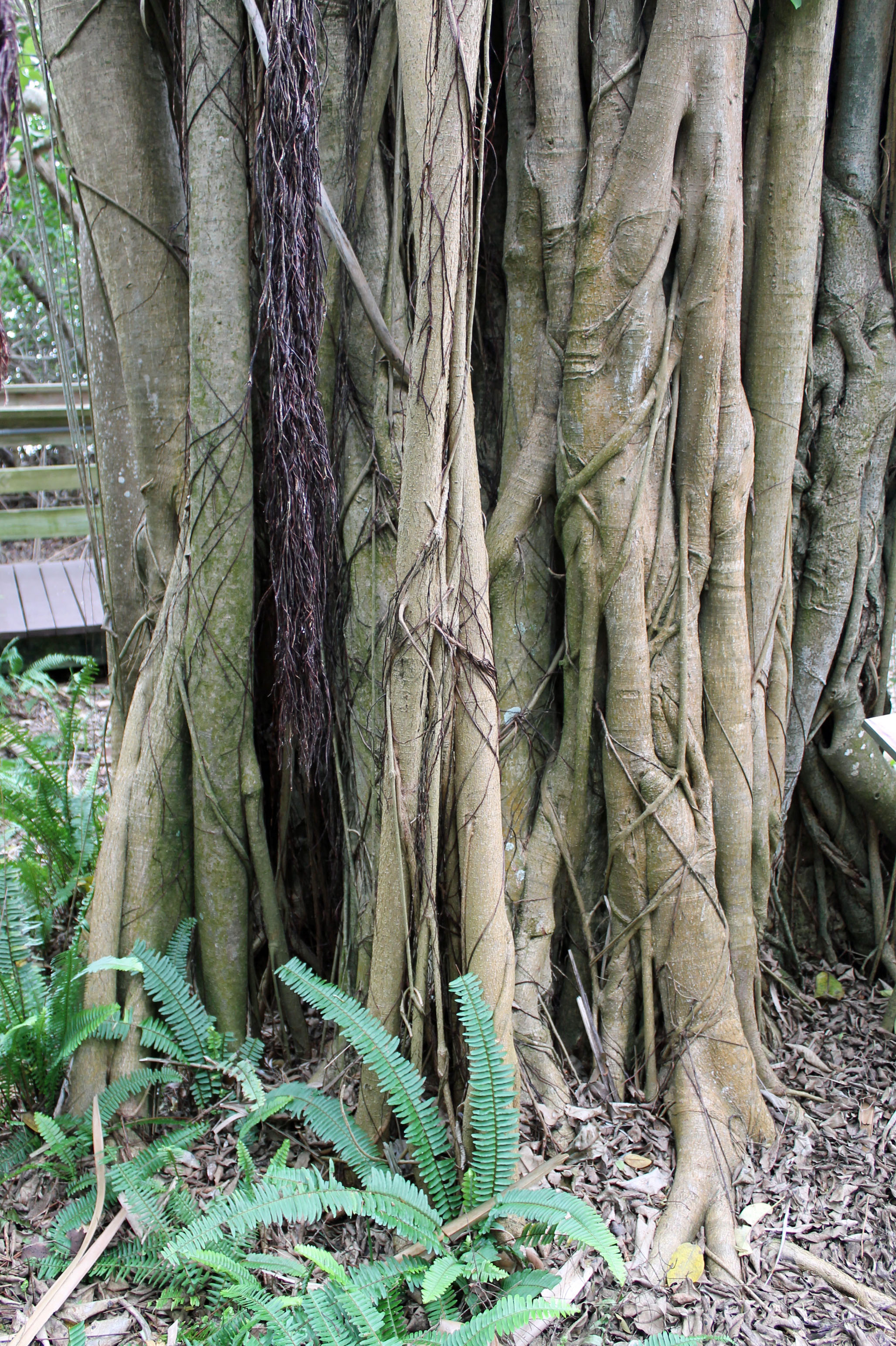
The curious paneled root system of a Moreton Bay fig.

The curious paneled root system of a Moreton Bay fig.

   That was just one weirdo tree I saw on a polar-vortex-escaping trip to central Florida. 

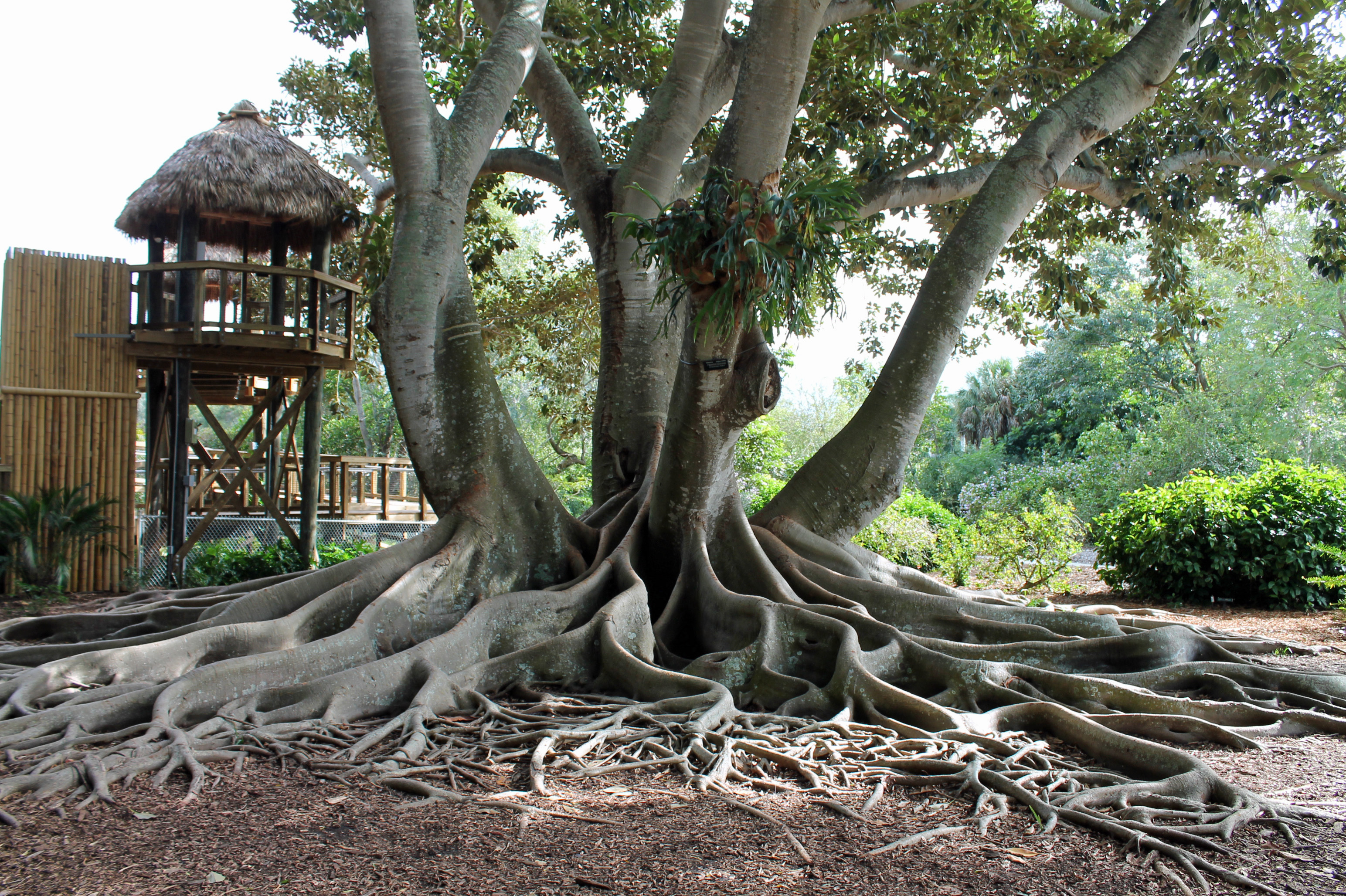
   Another eerily oddball species was the Moreton Bay fig (Ficus macrophylla). This Australian native has strangling tendencies, too, but the main feature is the wall-like buttress roots.

   The tree can become huge – upwards of 200 feet. To support that size, the big roots creep out and grow up in vertical panels about a foot tall.

   If you’ve ever seen the movie “Jurassic Park,” this is the tree where the characters found dinosaur eggs nestled among the roots.

   You won’t forget a Moreton Bay fig if you ever see one, but it’s seldom planted even in warm climates because the roots are so aggressive.

   Another tree that just looks plain mean is the floss silk tree (Ceiba speciosa). Native to South America, the floss silk’s very noticeable identifier is the spikes you’ll find all over the trunk.

Read More »


« Older Ramblings and Readlings Newer Ramblings and Readlings »

  • Home
  • Garden House-Calls
  • George's Talks & Trips
  • Disclosure

© 2026 George Weigel | Site designed and programmed by Pittsburgh Web Developer Andy Weigel using WordPress