
• Home
  • Contact
  • Site Map
George Weigel - Central PA Gardening
  • Landscape 1
  • Landscape 2
  • Landscape 3
  • Landscape 4
  • Garden Drawings
  • Talks & Trips
  • Patriot-News/Pennlive Posts
  • Buy Helpful Info

Navigation

  • Storage Shed (Useful Past Columns)
  • About George
  • Sign Up for George's Free E-Column
  • Plant Profiles
  • Timely Tips
  • George’s Handy Lists
  • George's Friends
  • Photo Galleries
  • Links and Resources
  • Support George’s Efforts


George’s new “50 American Public Gardens You Really Ought to See” e-book steers you to the top gardens to add to your bucket list.

Read More | Order Now


George’s “Survivor Plant List” is a 19-page booklet detailing hundreds of the toughest and highest-performing plants.

Click Here


Has the info here been useful? Support George’s efforts by clicking below.


Looking for other ways to support George?

Click Here

George's Current Ramblings and Readlings

Time to “Make America Native Again” in the Garden?

June 12th, 2018

   Here’s an article I wrote last year for the Patriot-News on an interesting native-plant talk by entomologist Dr. Doug Tallamy and author Rick Darke. I thought it would make a good follow to my last week’s post on why I’m not guilty over my Pinky Winky hydrangea.
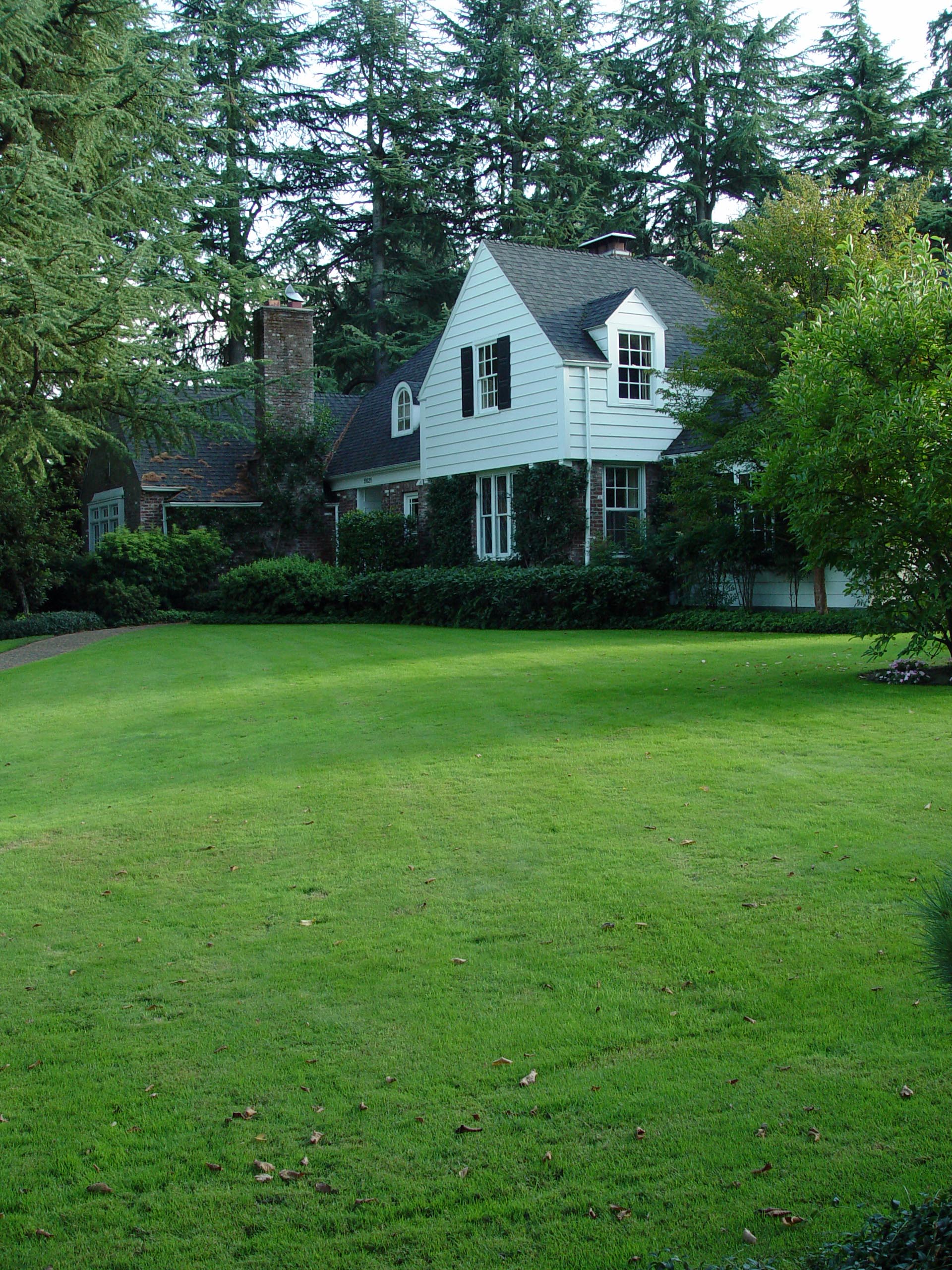
Nice lawn or ecological disaster?

   Entomologist and author Dr. Douglas Tallamy looks at the typical American yard and doesn’t see model green lawns and pristine rows of trimmed yews.

   He sees “ecological disasters.”

   The lack of diversity, our penchant for killing anything that crawls, and our heavy leaning toward non-native plants has created wastelands for birds, pollinators, and other less-visible but key parts of a healthy earth.

   “If we keep doing this, we’re in trouble,” Tallamy said at a talk at Lower Dauphin High School, adding that it’s time to “make America native again.”

   Tallamy joined landscape ethicist and former Longwood Gardens plant curator Rick Darke in a “Living Landscape” program sponsored by the local Manada Conservancy and Appalachian Audubon Society.

   The two are co-authors of a 2016 book of that same name (Timber Press, $39.95 hardcover) that urges homeowners to rethink how they plant and care for their yards.

   Their overriding theme is that our ideal of the bug-free, neatly tended, lawn-dominated yard is exactly the opposite of what nature does in maintaining a healthy ecosystem.

   Darke said we “like to whack off stuff to make things neat,” which destroys the food and habitat that the rest of life depends on to survive and reproduce.

   “Leaves are not litter,” Darke said. “It’s a part of the regenerative process and very necessary.”
Read More »


Navigating the Native vs. Non-Native Controversy

June 5th, 2018

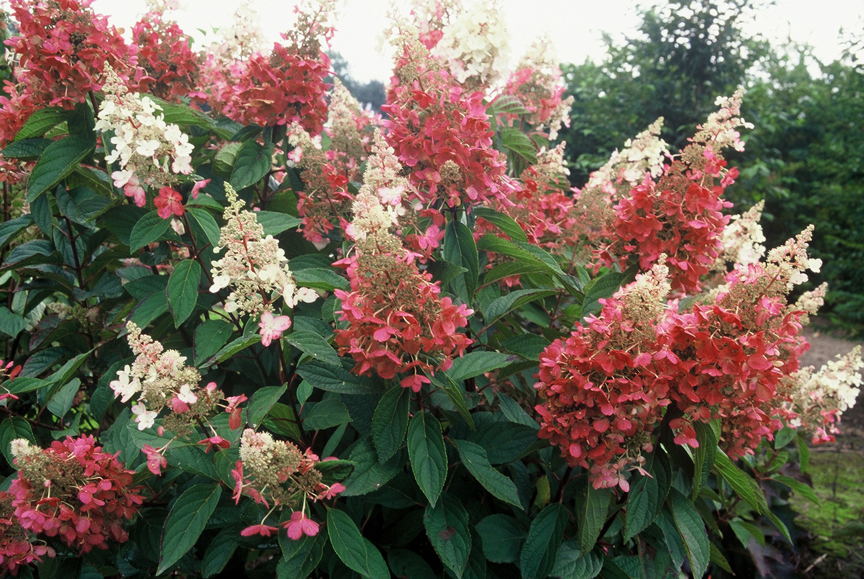
   In a few more weeks, my Pinky Winky panicle hydrangea will start blooming for the 2018 season.

Hydrangea Pinky Winky in action.

   It’ll produce foot-long, cone-shaped flowers that start out white, then morph through a bicolor white and pink, then rosy-pink, and finally rusty/tan into winter.

   It doesn’t run into any bug or disease problems, I never spray, fertilize or water it, and the only care I give it is a once-a-year cutback at the end of winter.

   In short, it’s a low-care, high-output, extremely winter-hardy, impressive plant that’s one of my favorite shrubs.

   Some people think I shouldn’t grow it.

   That’s because this type of hydrangea is not a U.S. native species. And the extreme wing of the native-plant movement believes we should plant nothing but native plants – to the point of making people feel guilty or immoral if they plant anything else.

   That point really hit home when I was helping a kindly older woman redesign her landscape. She obviously loved her plants and gardens, but when we got to her foundation planting of peonies, she asked, “Do I have to rip these out?”

   “Why would you want to do that?” I replied.

   “Because I heard peonies aren’t native plants and that we shouldn’t grow non-natives,” she said. “I’ll take them out if I have to, but I planted them because they were my mother’s.”

   After I got over the stun, I told her that if she liked her peonies, it was perfectly fine to let them alone and enjoy them – along with the memories.

   I think she was hoping that someone would bestow forgiveness for her supposed sin against nature.

Read More »


See George’s Gardens

May 30th, 2018

   If you’ve ever wondered what my yard looks like, you’ll get a chance to see it on Sat., July 14.

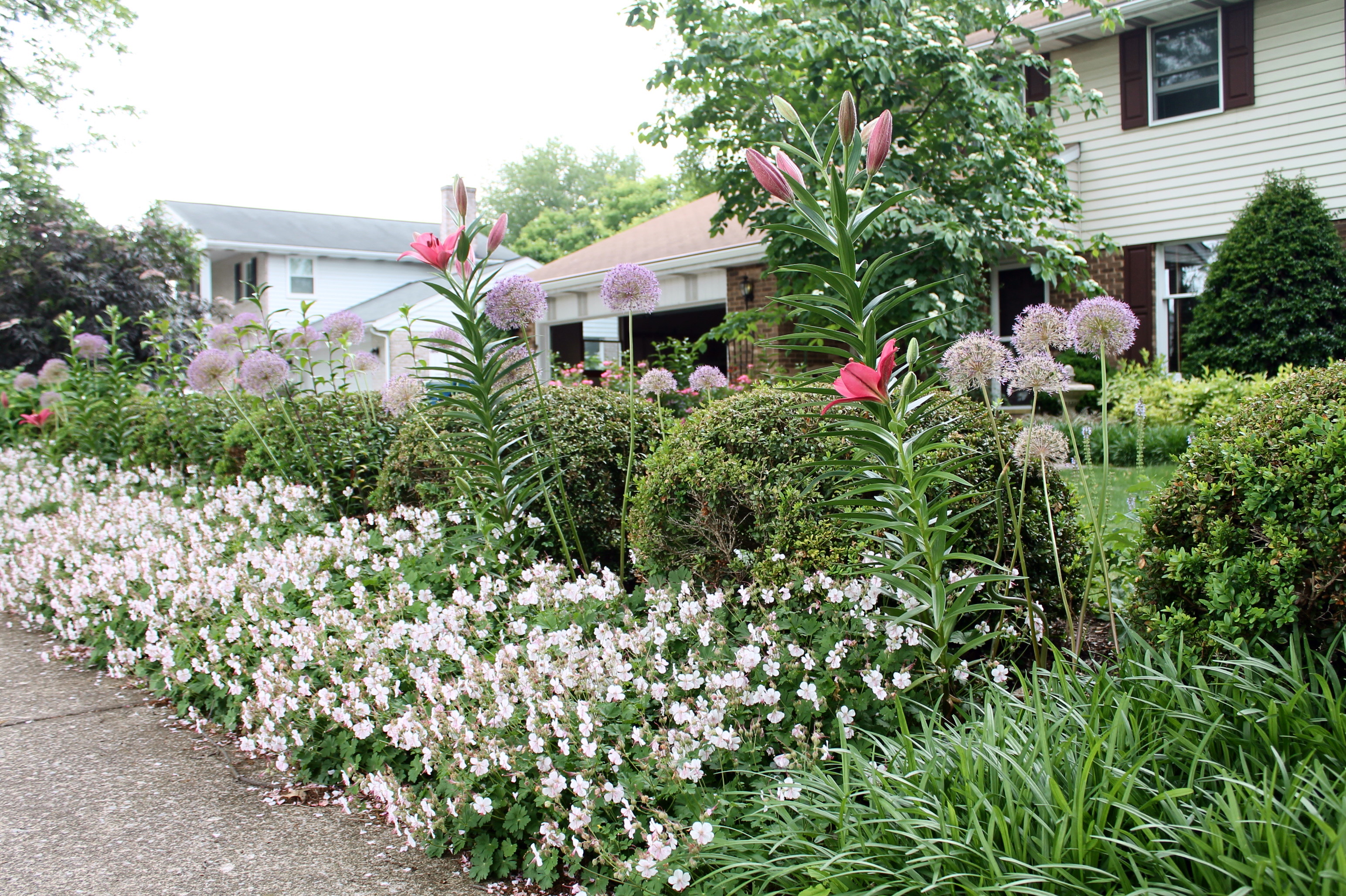
‘Biokovo’ geraniums and allium ‘Globemaster’ bloom around the front-walk boxwoods at George’s house.

   That’s the day of the Penn-Cumberland Garden Club’s “Plant America Beautiful” summer garden tour. My wife and I agreed to be one of the five or six residential stops on the tour, which takes place between 10 a.m. and 5 p.m. that day.

   The tour also will include stops at the Rosemary House Garden in Mechanicsburg (with exhibits from the Susquehanna Bonsai Society), the impressive community vegetable gardens next to the Ames True Temper factory in Hampden Twp., and the house and new gardens at Mechanicsburg’s historic Frankenberger Tavern.

   Tickets go on sale starting June 1. Advance tickets are $15 and will be available at Ashcombe Farm and Greenhouses in Monroe Twp., Highland Gardens in Lower Allen Twp., the Rosemary House in Mechanicsburg, and Stauffers of Kissel Hill Garden Center in Upper Allen Twp. Tickets the day of the tour are $17.

   Proceeds benefit Penn-Cumberland Garden Club – the West Shore’s biggest, oldest garden club that manages the Ames Community Gardens, gives plant-career student scholarships, runs flower shows and plant sales, and more.

   If you’ve never done a garden tour, the way it works is that your ticket is a booklet that gives locations and descriptions of the participants. You pick which (or all) you want to visit in whatever order, then drive from one to the next on the tour day and hours.

   Owners and/or garden-club representatives are at each stop to answer questions and point you in the right direction. In this case, wine-tasting, artwork, and music will be taking place at some of the locations.

   Don’t get too excited about what you might see at our place. I’m a plant nut, horticulturist and garden designer, but our yard is more “test lab” than landscape haven. It’s also small at only one-third of an acre and is located in a typical suburban development.

Read More »


Mulching in the Rain

May 22nd, 2018

   Forget the weather forecast if you’re wondering if it’s going to rain.

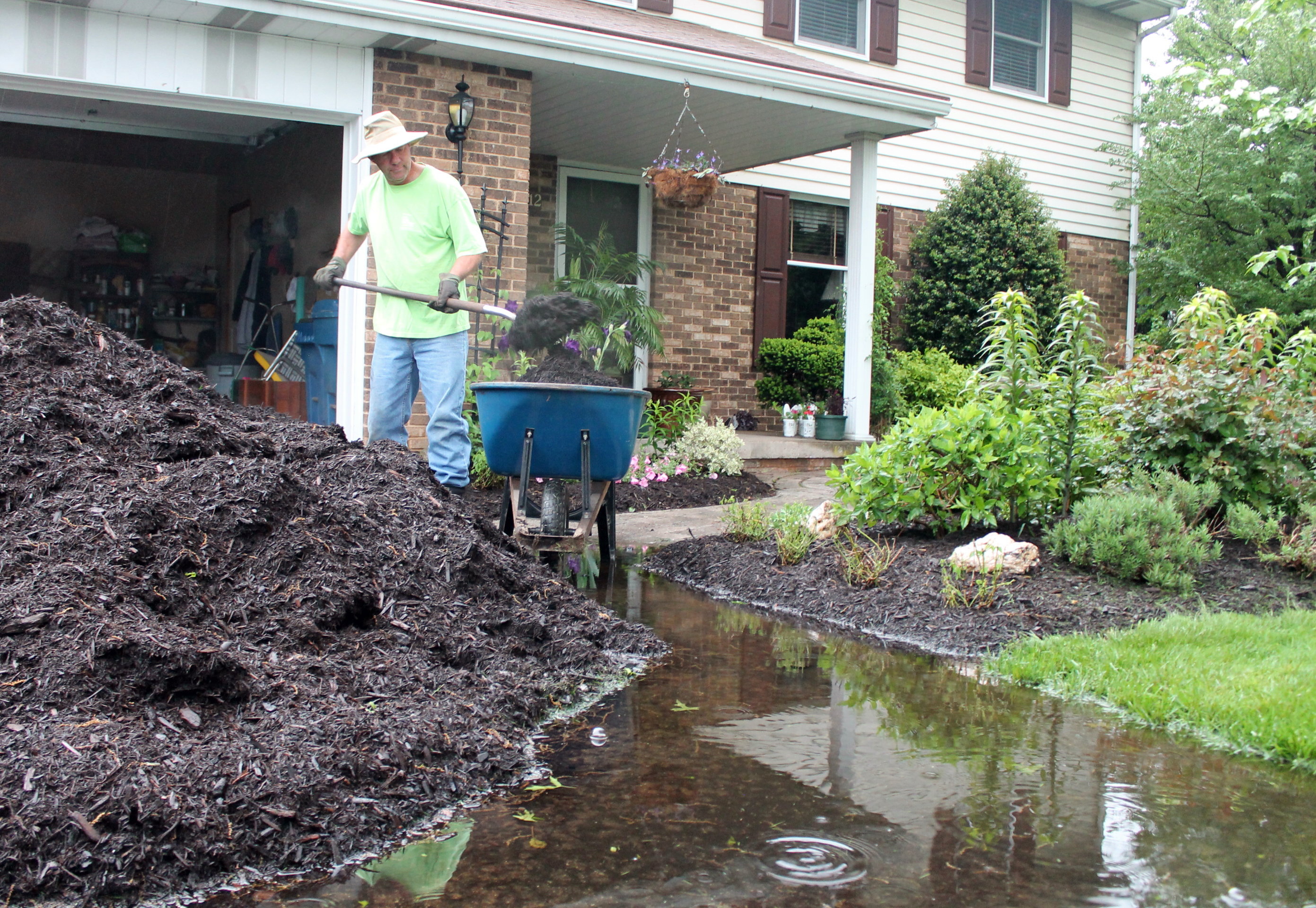
I’m mulching in the rain… but not dancing around about it like Gene Kelly.

   Just check if I’m planning to mulch.

   Without fail, rain falls every year after the 8-cubic-yard pile of mulch shows up on my driveway.

   It doesn’t matter whether meteorologists forecast rain or not. The mulch pile causes it, which is why I’ve given up trying to plan mulching around the forecast.

   Next drought, I plan to order a pile.

   This Murphy’s Law of Gardening happened again over the weekend when my neighborhood got an inch of steady rain to soak that big brown heap of shredded hardwood.

Read my list of 10 Murphy’s Laws that Apply to Gardening

   Rain makes mulch twice as heavy, which in turn makes me twice as tired, twice as sore, and a few pounds heavier from water-soaked clothes.

   Wet mulch also sticks, making it harder to spread and harder to clean off of the driveway in the end.

   And running the wheelbarrow over wet ground is rough on the grass by flattening the crowns and compacting the soil underneath.

Read More »


Easy-to-Grow Cooking Herbs

May 15th, 2018

   You could keep paying $3 or more for a packet of fresh herbs at the grocery store.

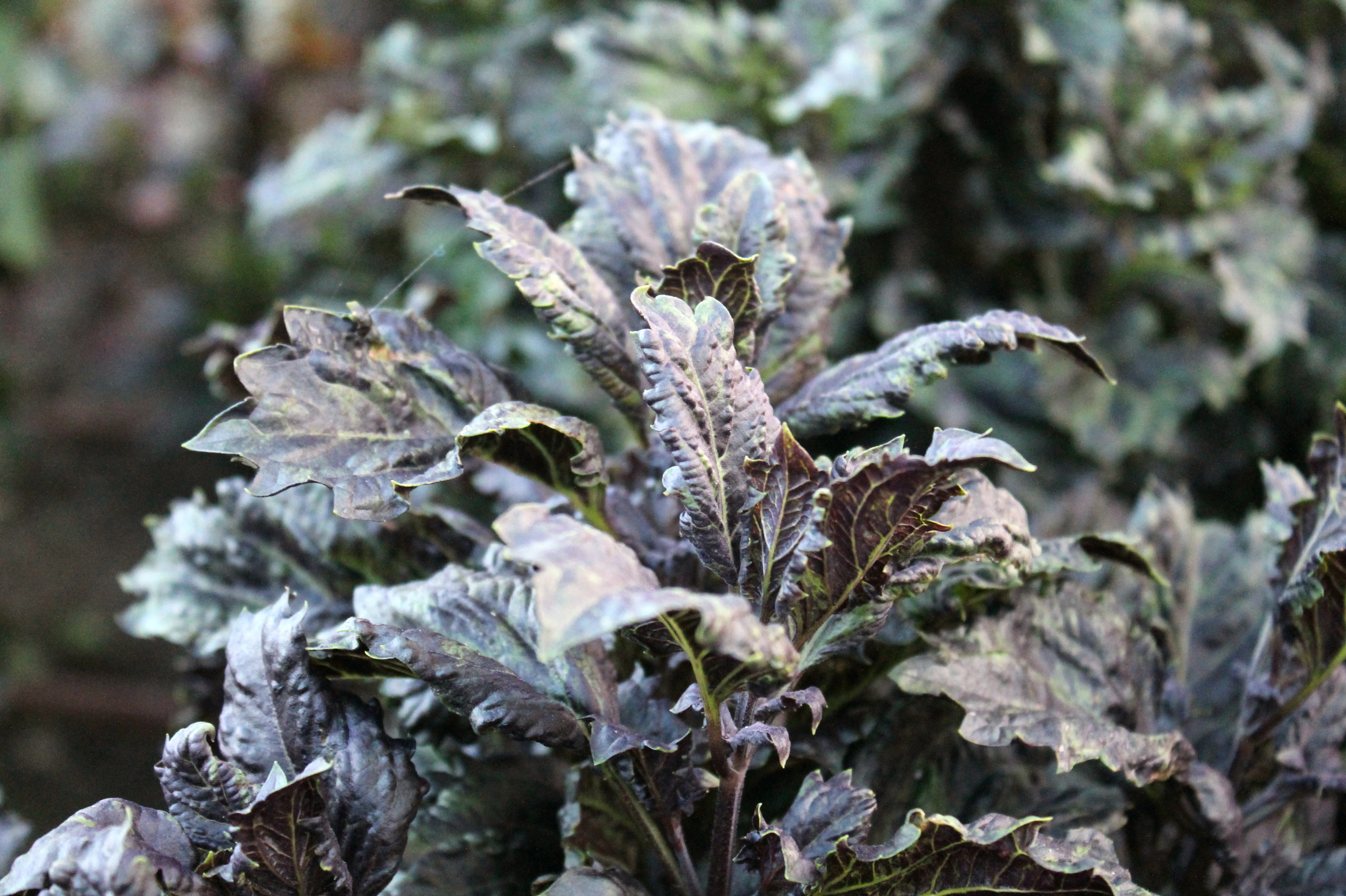
Basil ‘Ruby Frills’ almost looks too good to harvest.

   Or you could start growing your own herbs for pennies – even fresher and at arm’s reach whenever you need a sprig or two for dinner. Most cooking herbs are easy to grow, too.

   And many of them have scents and strong flavors that make them less attractive to foraging deer and rabbits – the bane of many vegetable gardeners.

   If you’re interested in adding a few good herbs to the garden this spring, here are 10 of the most kitchen-useful ones that I think are worth growing:

   1.) Basil. A tender, leafy annual that’s usually grown in its green-leaf form but also comes in an attractive purple-leaf form.

   Growing it: Direct-seed into the garden or transplant young plants after all danger of frost in May and June. Sub-freezing nights will kill basil. Snip leaves throughout the season as needed. Plants will continue growing new leaves until frost kills them in fall. Grow in full sun to light shade.

   Using it: The perfect complement to tomatoes, basil leaves are often used in pesto but also work well in tuna, potato and egg salads, in marinades or in herbal butter. Can be used fresh or dried.

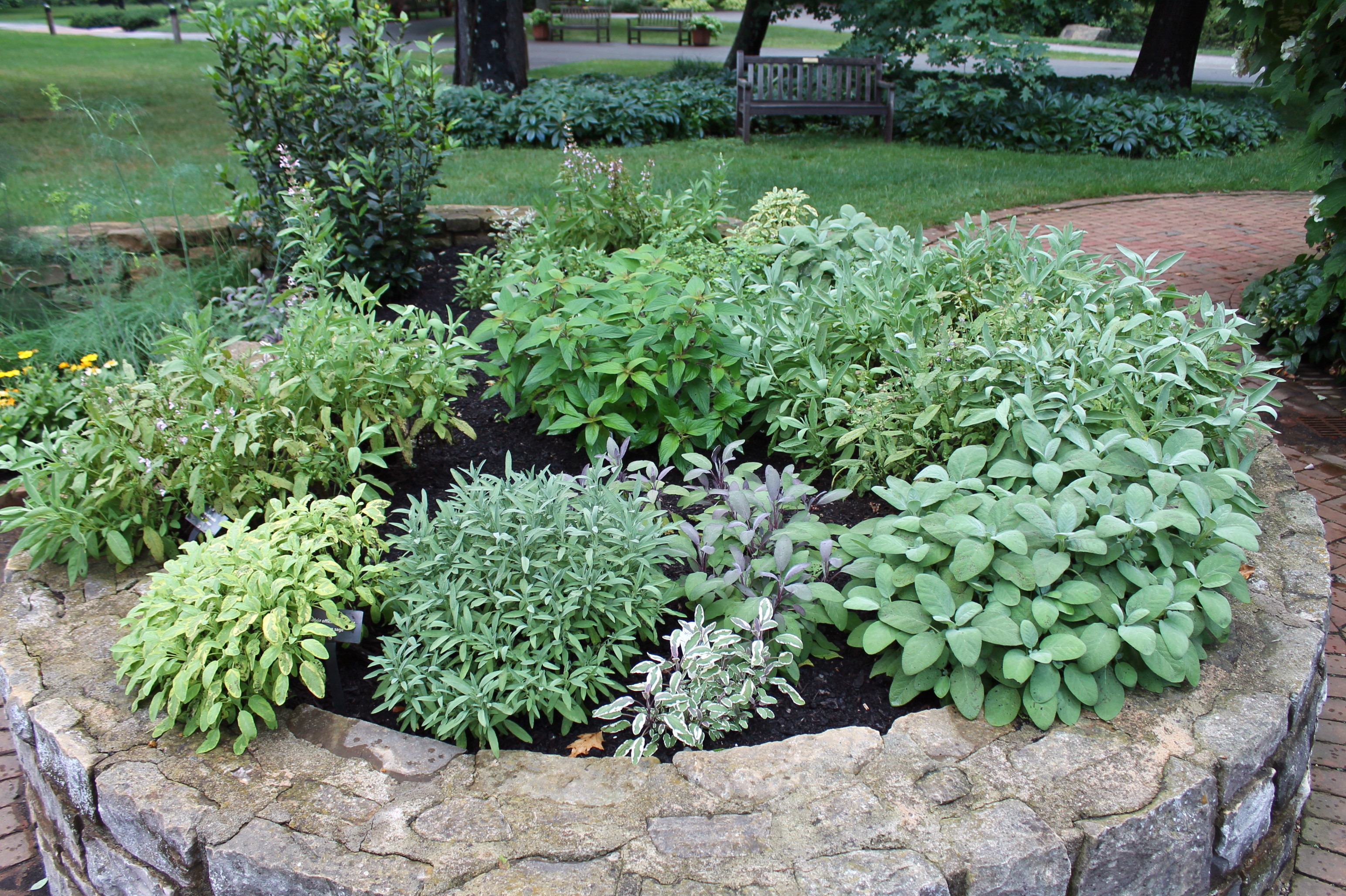
A variety of different sages.

   2.) Sage. One of the most attractive herbs, sage comes in purple-leafed and purple-cream-green variegated forms in addition to the common gray-green type.

   Growing it: Transplant plants in spring. Ones you’ll find in the herb section are winter-hardy. Just avoid planting in wet clay. Harvest leaves as needed throughout the growing season. Frost will brown out the leaves in fall. Trim back the plants at winter’s end to about ankle-high to keep them compact. Best in full sun.

   Using it: Uses include seasoning sausage, poultry, stuffing, pork, lamb, seafood and vegetables. Sage also makes a tasty rub for pork chops or pork tenderloin. Can be used fresh or dried.

   3.) Thyme. A low, creeping, small-leafed perennial herb that comes in green, gold-green and white-green variegated forms.

   Growing it: Can be started directly from seed in the garden but usually is planted as a young transplant in early spring. Harvest continuously throughout the season as needed. Will brown out with fall frost but survives most winters, so long as you’re not growing it in soggy clay. Clip off any dead or overly long foliage at winter’s end. Grow in full sun or light shade.

   Using it: Add leaves to stuffing, meat marinades, soup and sauce seasonings and in herbal oils and butters. Can be used fresh or dried.

Read More »


« Older Ramblings and Readlings Newer Ramblings and Readlings »

  • Home
  • Garden House-Calls
  • George's Talks & Trips
  • Disclosure

© 2026 George Weigel | Site designed and programmed by Pittsburgh Web Developer Andy Weigel using WordPress