• Home
  • Contact
  • Site Map
George Weigel - Central PA Gardening
  • Landscape 1
  • Landscape 2
  • Landscape 3
  • Landscape 4
  • Garden Drawings
  • Talks & Trips
  • Patriot-News/Pennlive Posts
  • Buy Helpful Info

Navigation

  • Storage Shed (Useful Past Columns)
  • About George
  • Sign Up for George's Free E-Column
  • Plant Profiles
  • Timely Tips
  • George’s Handy Lists
  • George's Friends
  • Photo Galleries
  • Links and Resources
  • Support George’s Efforts


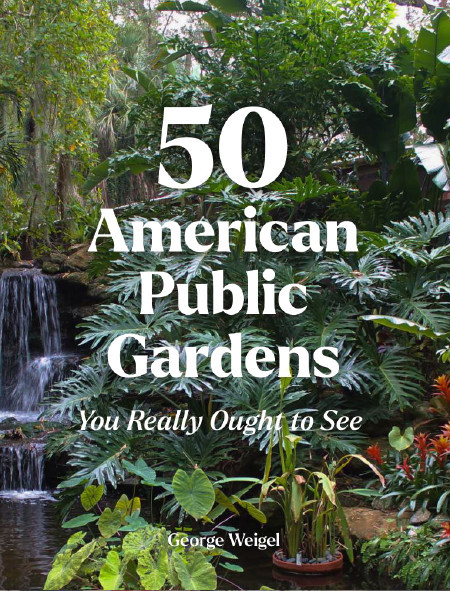
George’s new “50 American Public Gardens You Really Ought to See” e-book steers you to the top gardens to add to your bucket list.

Read More | Order Now


George’s “Survivor Plant List” is a 19-page booklet detailing hundreds of the toughest and highest-performing plants.

Click Here


Has the info here been useful? Support George’s efforts by clicking below.


Looking for other ways to support George?

Click Here

George's Current Ramblings and Readlings

Presenting: The Garden

July 17th, 2018

   Sue and I had a couple of hundred visitors tour our yard this past Saturday as part of a Penn-Cumberland Garden Club tour.
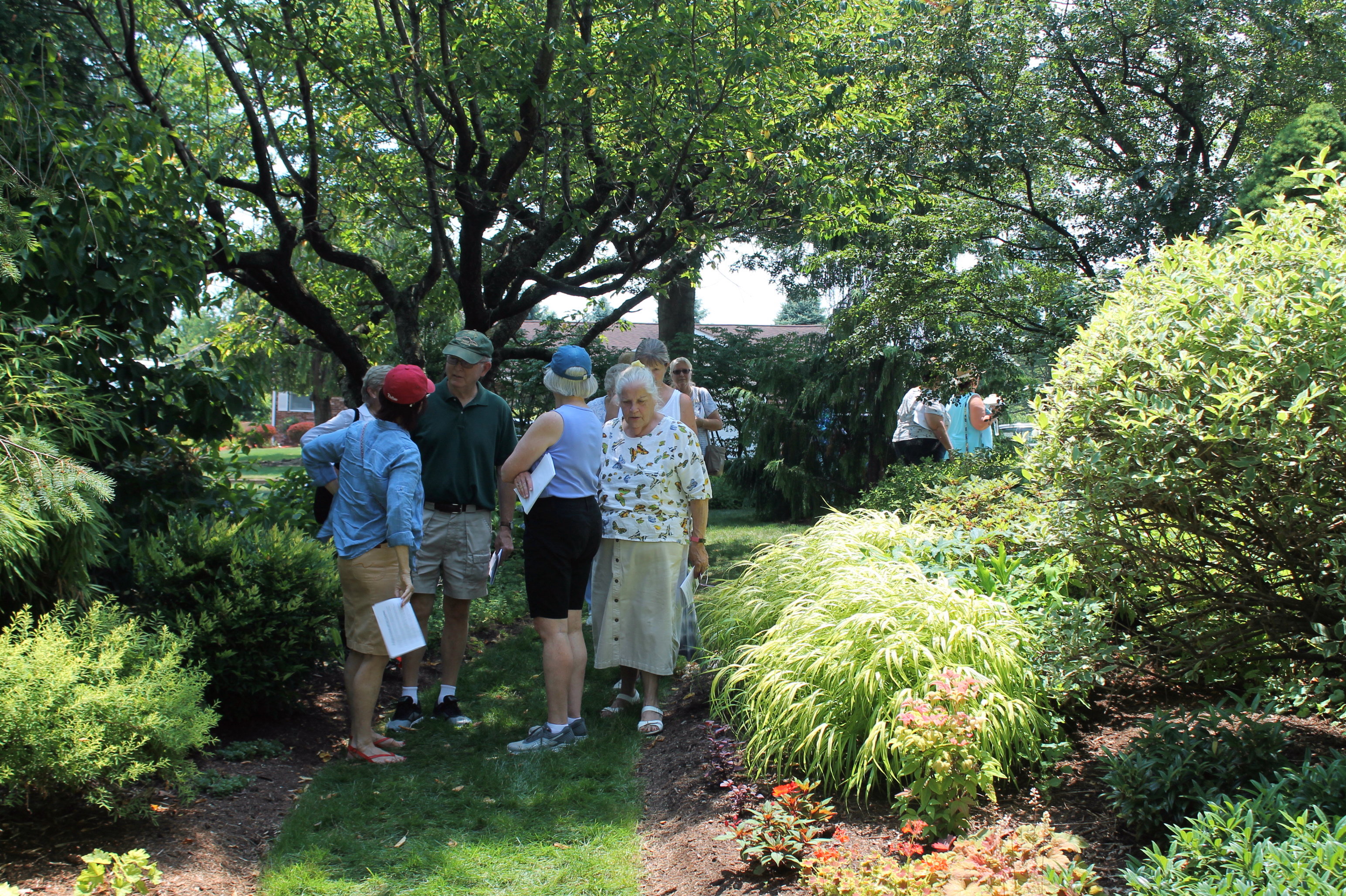
Visitors tour our side-yard Asian shade garden.

   We didn’t go to a whole lot of extra trouble to make the yard look better than it really is. But we did do a few things ahead of time to help the plants put their best foot forward.

   I got to thinking that some of it might be useful to others trying to polish the landscape, whether it’s a tour, a pending sale, or even just having company over.

   The most important thing is dealing with weeds. A weedy garden is the house-cleaning equivalent of food smears on the counter, dirt on the carpets, and dust on the tables.

   Yanking the weeds does more than anything to show that the gardens are tended.

   I went around our yard starting a couple of weeks in advance – bucket and weeding tool in hand – “harvesting” weeds from the beds and lawn. Most went in the compost pile.

   I spot-sprayed a few patches of creeping weeds like oxalis and chickweed in the lawn with broadleaf weed-killer (one of the few chemicals I ever use). Creepers are hard to pull and will overtake grass if you don’t stop them early. That at least limits overall herbicide use.

   Next up was trimming. I neatened the arborvitae, hollies, boxwoods, and yews, pruned the bloomed-out spring shrubs (spirea, sweetspire, fothergilla, weigela, and deutzia), and cut back perennials that were done blooming and flopping (hardy geraniums, salvia, and catmint).

   I also cut back the mums, sedum, and asters that will bloom later and stay more compact if given a late-spring haircut. (Read my past post on “Stake No More” for more on this.)

   Then we addressed plants that weren’t looking so good from disease.
Read More »


10 of the Best Variegated Plants

July 10th, 2018

   Plants with variegated leaves offer beauty all season, not just when flowers are blooming. That’s a main reason why you can count me as a variegation fan.

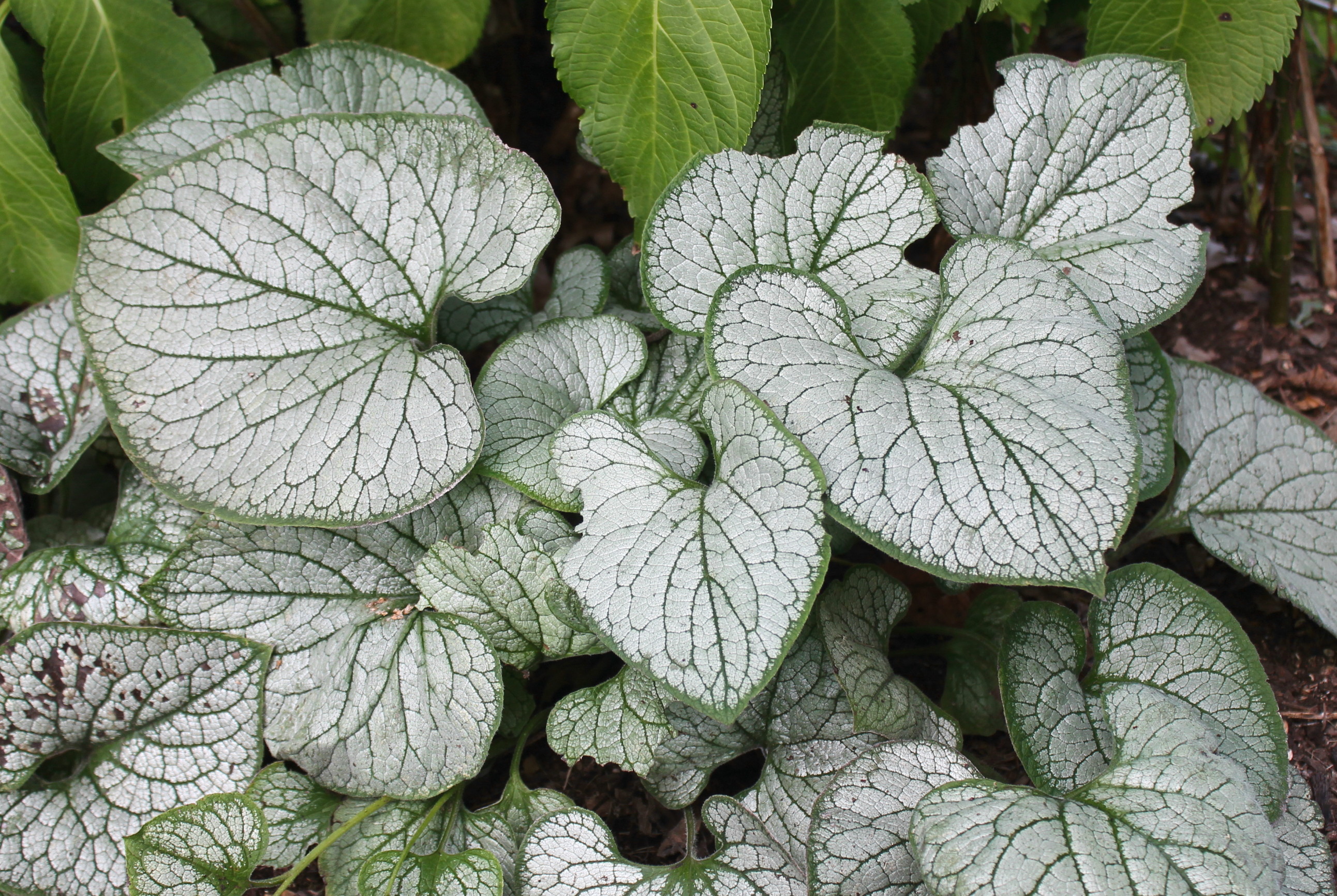
Brunnera ‘Silver Heart’ in September.

   Although variegation can involve zones of assorted different colors, the most common blend is green and white.

   Variegation isn’t terribly common in nature since the reason for the lack of solid green is lack of chlorophyll. That gives most variegated plants an inherent growing disadvantage.

   However, gardeners tend to like variegated leaves, so breeders and growers are always on the lookout for mutations with variegated leaves. Propagating a mutation is where most variegated plants originated.

   One other thing I’ve learned about variegated plants over the years is that even sun-preferring ones do best out of the afternoon shade. In drought or when getting blasted by the direct rays of a 2 p.m. summer sun, the white edges of variegated leaves tend to brown.

   It’s even more important to keep shade-preferring variegated species out of too much sun.

   For your spring plant-planning, here are 10 of my favorite variegated shrubs and perennials:

   Brunnera ‘Silver Heart.’ One of the most beautiful of any plants, this shade perennial with the heart-shaped leaves is primarily silver with green veining. The blue forget-me-not-like spring flowers are a nice bonus. This variety is as vigorous and reliable of any variegated brunnera I’ve grown.

Gold-variegated Japanese forest grass

   Variegated Japanese forest grass. My favorite grass, forest grass (a.k.a. Hakone grass) is a well behaved, arching 2-footer. The gold-variegated ‘Aureola’ variety is especially colorful in addition to its textural interest. It looks great with coleus. Forest grass is one of the few grasses that prefers being in shade.

   Variegated liriope. Liriope or “lilyturf” looks like a foot-tall grass, but it’s actually a bladed perennial that produces flower spikes of purple in late summer. This version isn’t as indestructible and fast-growing as green-leafed liriope, but the foliage color makes it ornamental, not just utilitarian. Does best in shade to part shade.

Read More »


Why I Always Water New Plantings – Rain or Not

July 3rd, 2018

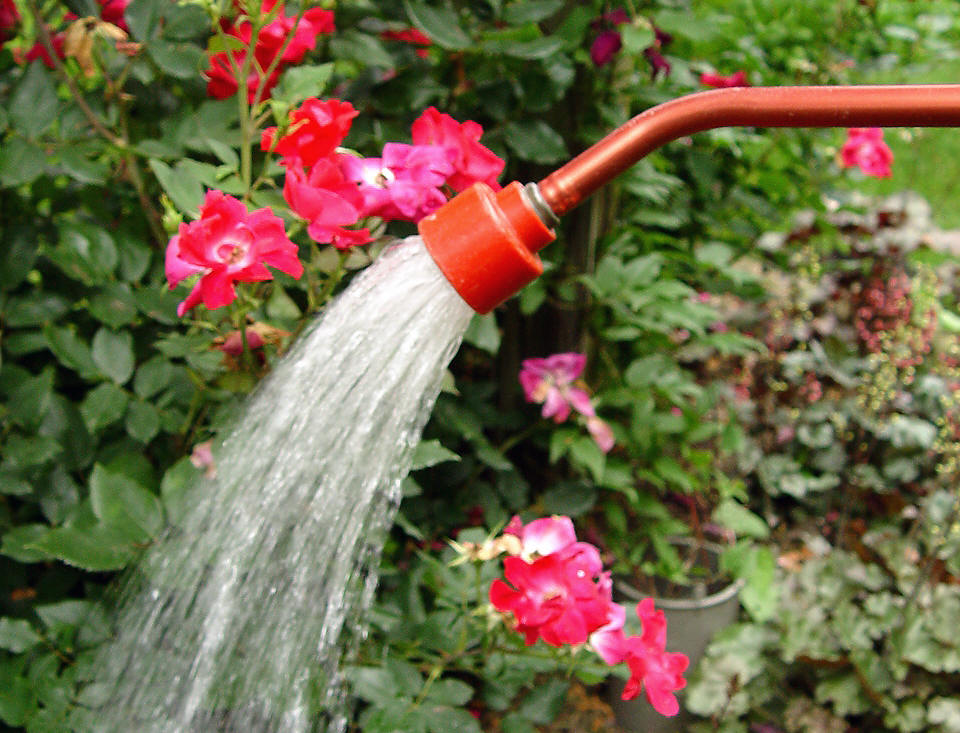
   The first thing I do when I finish planting any new plant is to give it a good soaking of water. Right away.

I always water in new plantings, despite any forecasts of can’t-miss rain.

   This includes when the soil is already damp and even when I’m planting during a rain, which happens a fair amount because of the limited time I often have to plant them.

   Why? Isn’t that unnecessary? Isn’t it just one more reason for passersby to think I’m crazy? No and maybe.

   The reason to water ASAP is that plant roots need thorough contact with the soil as well as damp soil to grow well. By watering, you settle the soil around the newly planted plant and ensure that soil is damp right off the bat.

   Not watering means your roots will have to wait until the first soaking rain for any excessive air pockets around them to fill in.

   Also, it’s possible that soil isn’t as damp as you think.

   So, take away the maybes, and “water in” your new plants as soon as you’re done planting. This is doubly important if you’re planting in summer, when insufficiently damp new plants can go down the tubes in days in the heat.

Read More »


Invasion of the Gnats

June 26th, 2018

   They’re back… and worse than ever.

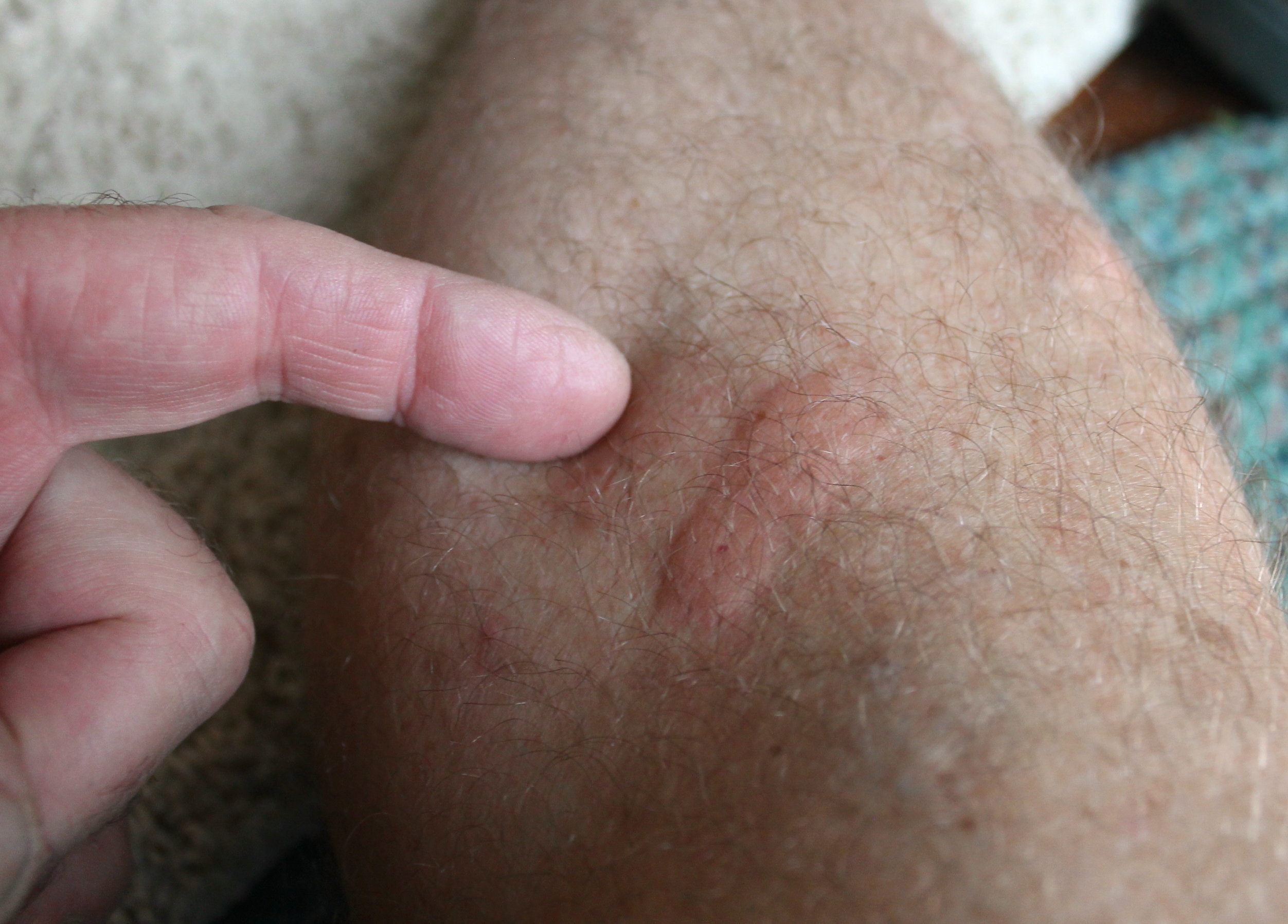
Black flies aren’t just minor annoyances. They bite and can cause welts and allergic reactions.

   Those swarming, biting gnats have exploded in population this spring, making outdoor life miserable or impossible for anyone living within a mile or two of a central-Pennsylvania creek.

   More accurately called “black flies,” this pest is one we had solved for 25 years before we stopped committing the control money.

   If you were here in the early 1980s, you’ll remember that black flies were so bad that public pressure led legislators to start a statewide Black Fly Suppression Program.

   The defining push came when our leaders realized this was more than just an annoyance that people should get over. Swarms were bad enough that it became an economic issue, discouraging tourists from coming back, keeping golfers off the courses, and costing restaurants outdoor-dining business.

   For more than two decades, the state Department of Environmental Protection and participating counties shared the cost of spraying Bti (Bacillus thuringiensis israelensis), which is a naturally occurring soil bacterium highly effective at controlling black-fly larvae without harming people, mammals, birds, fish, and most aquatic life.

   Enough regular sprays went on affected creeks and streams via helicopter and back-pack spraying that black flies became a non-issue. All was fine in black-fly land for two decades, and people could garden, golf, and go outside again in peace.

   Then state funding started to lag. Costs went up, and spraying went down, opening windows that let populations break through.

   Douglas Orr, a water program specialist with DEP, says it’s possible to keep a lid on black flies by spraying every 10 to 15 days from mid-April through early September. That’s what we once did.

   This year, we’re down to a handful of sprays over the Susquehanna River and Conodoguinet and Yellow Breeches creeks – spread over the whole season.

   As soon as we stop spraying, new eggs hatch, and adults fly as much as 20 miles away from their watery breeding grounds. The worst populations are within a mile or so of creeks and rivers.

   The high water levels we had this spring made things even worse. High water means more spray is needed, and that runs out the budget even faster. Spraying doesn’t even happen when levels are high enough, as they were for much of this spring.

   Orr says the budget likely will allow only two more sprays in July and August this year. In other words, things aren’t going to get much better the rest of the summer. And it could get even worse in September and October without any spraying.

Read More »


Pollinators: Why It’s Not So Simple as Just Planting All Natives

June 19th, 2018

   This is a piece on pollinators and plants that I wrote in 2015 for the Patriot-News. It rounds out the look we’ve been taking at the native-plant “controversy” the last two weeks.

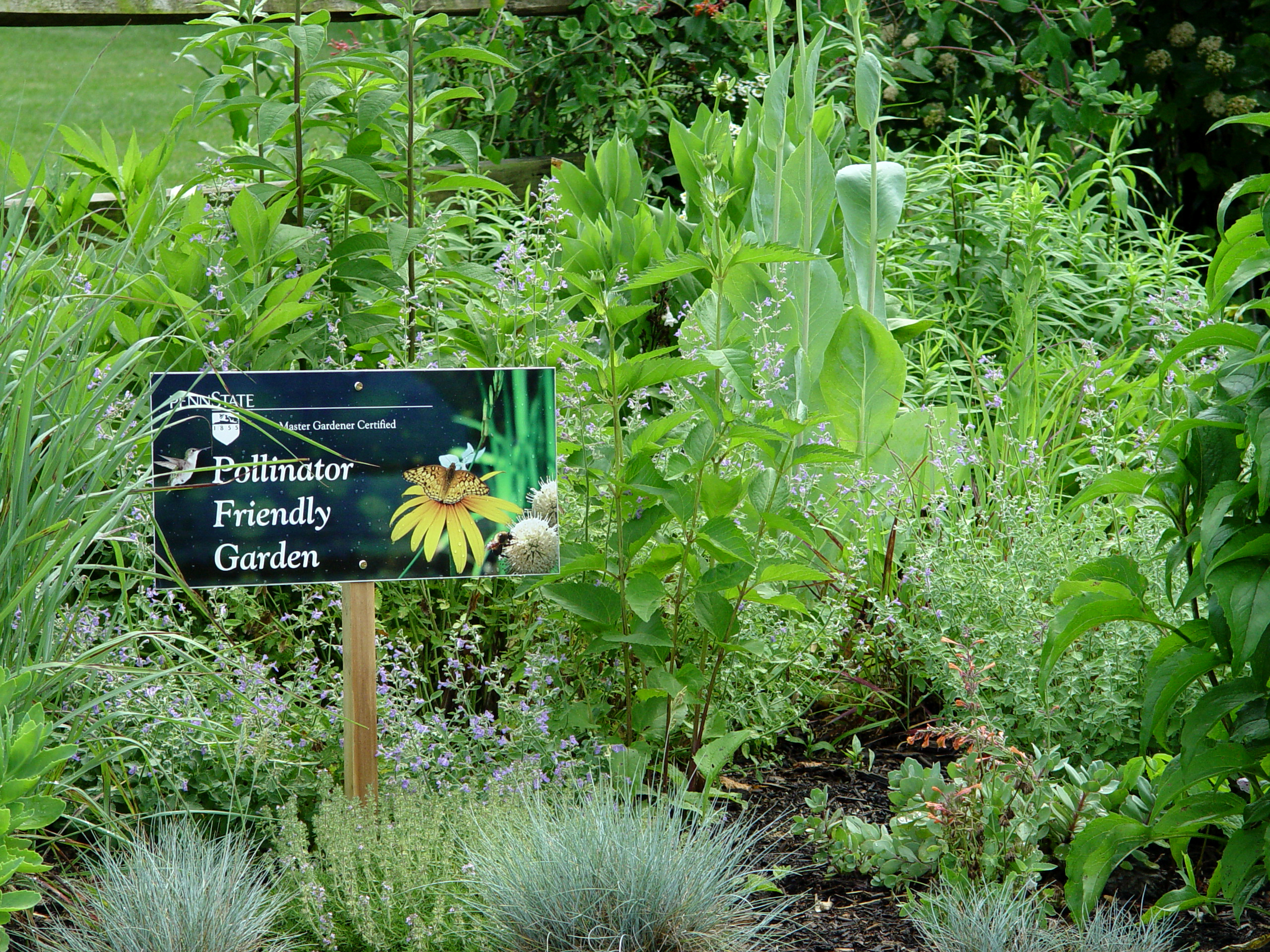
Pollinator-attracting native-plant gardens are trendy lately.

   Gardeners are getting the message that they can help birds, bees and nature in general by planting more native plants.

   But that message sometimes has converted into a call to plant nothing but native plants, a version that goes something like: “Native plants are eco-friendly, pollinator-saving, and morally superior, while plants brought here since European settlement are invasive, useless to wildlife, and choices that only careless, reckless and clueless people plant.”

   No wonder the whole native-vs.-non-native issue leads to peony guilt or that rare clash in the otherwise serene world of flowerdom.

   Now comes a somewhat controversial new study out of plant-loving England that claims that native plants aren’t always the No. 1 choice of pollinators, that many non-native plants provide value to beneficial wildlife, and that a mix of natives and non-natives is the best way to go – especially if you plant a wide diversity of species that blooms continuously throughout the season.

   “These findings will help gardeners confidently pack their borders, window boxes and (yards) with flowers without getting hung up on the idea that they are somehow doing the ‘wrong thing’ if the plants are not all U.K. natives,” concludes the report from the Royal Horticultural Society.

   This same debate has boiled in the U.S. for more than a decade as the native plant movement has gained steam.

   What’s fueled the issue lately is a dwindling pollinator population and what role a plant’s “nativeness” plays in pollinators’ plight.

   Why should we care?

Read More »


« Older Ramblings and Readlings Newer Ramblings and Readlings »

  • Home
  • Garden House-Calls
  • George's Talks & Trips
  • Disclosure

© 2026 George Weigel | Site designed and programmed by Pittsburgh Web Developer Andy Weigel using WordPress