
• Home
  • Contact
  • Site Map
George Weigel - Central PA Gardening
  • Landscape 1
  • Landscape 2
  • Landscape 3
  • Landscape 4
  • Garden Drawings
  • Talks & Trips
  • Patriot-News/Pennlive Posts
  • Buy Helpful Info

Navigation

  • Storage Shed (Useful Past Columns)
  • About George
  • Sign Up for George's Free E-Column
  • Plant Profiles
  • Timely Tips
  • George’s Handy Lists
  • George's Friends
  • Photo Galleries
  • Links and Resources
  • Support George’s Efforts


George’s new “50 American Public Gardens You Really Ought to See” e-book steers you to the top gardens to add to your bucket list.

Read More | Order Now


George’s “Survivor Plant List” is a 19-page booklet detailing hundreds of the toughest and highest-performing plants.

Click Here


Has the info here been useful? Support George’s efforts by clicking below.


Looking for other ways to support George?

Click Here

George's Current Ramblings and Readlings

The Power of Purple

May 8th, 2018

   Trying to eat healthier? Eat purple.
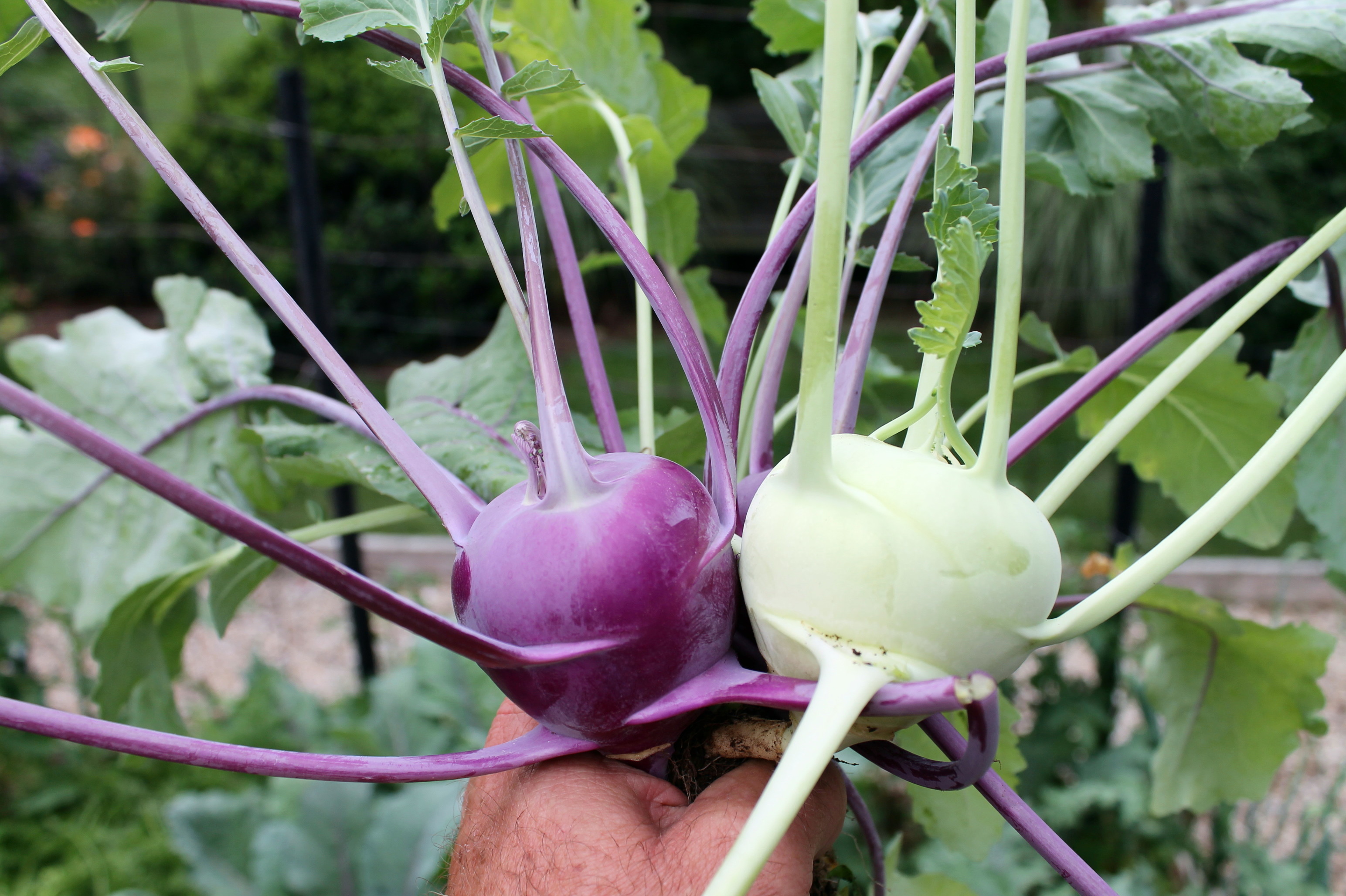
Purple kohlrabi next to a traditional green one.

   Not so coincidentally, the plant pigments that give burgundy, bluish-black, and purple color to some plants’ leaves, roots and fruits – known as anthocyanins – are the same ones that act as antioxidants when eaten.

   That’s true of other plants and colors, too. As a general rule, the more colorful a plant, the higher its nutrient value.

   It’s why you’ll sometimes hear dieticians advise eating a “rainbow” of antioxidant-rich fruits and vegetables for high nutritional value and possible health benefits, such as lowering blood pressure, fighting cancer and aiding brain health.

   Purple has become a particularly hot item in the vegetable garden – both for the health/nutrition potential and for adding beauty and color to the edible garden. Purple veggies stand out nicely among all the green.

   Some vegetables are naturally rich in anthocyanins, but breeders have been developing and selecting new purple and burgundy versions of traditional green or bland-colored vegetables to boost their anthocyanin levels – and looks.

   Here’s a dozen of my favorite purple “power vegetables” if you’d like to become a more colorful veggie gardener this season:
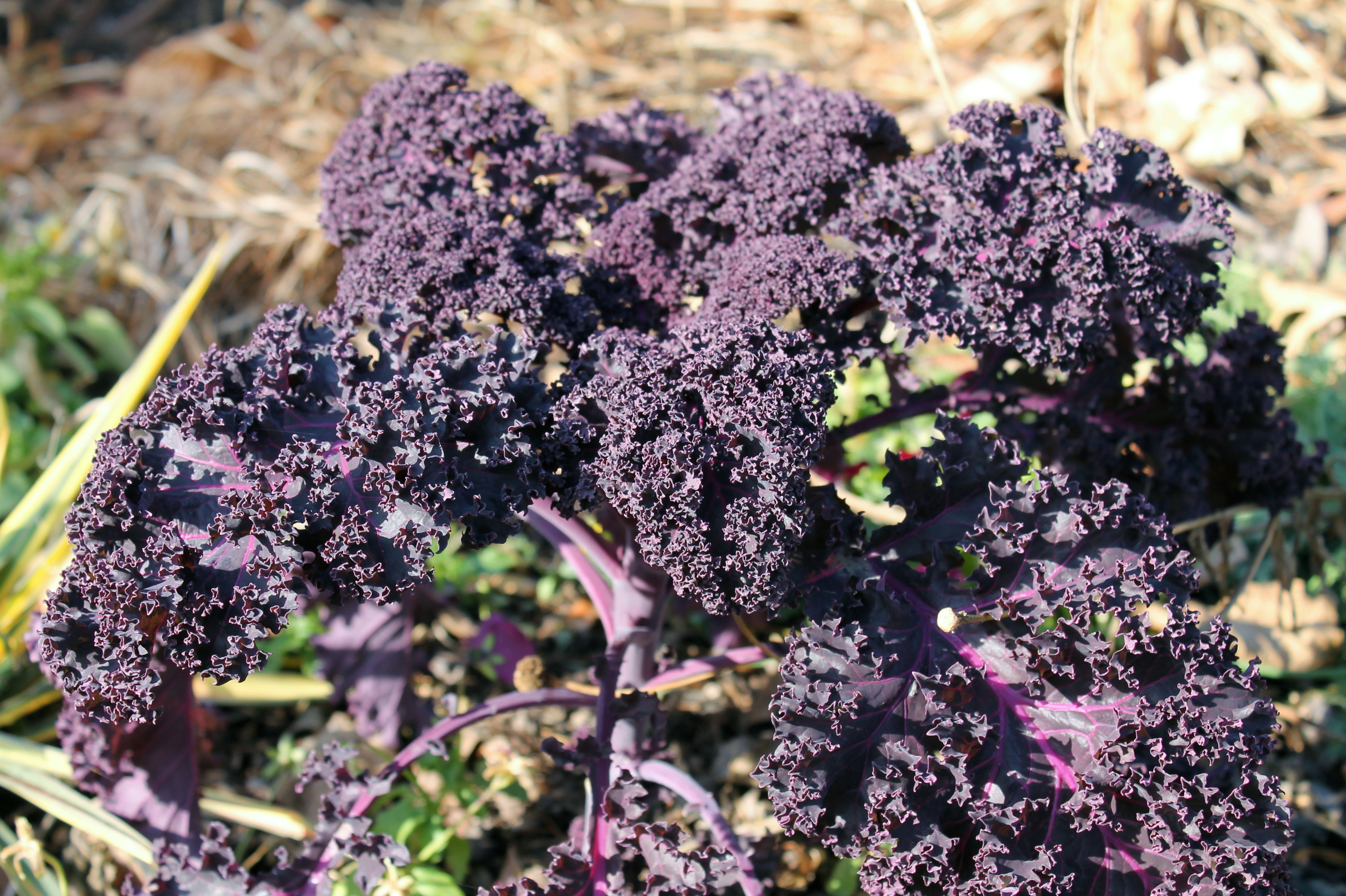
‘Redbor’ kale in fall.

   Carrots. Some have purple skins, others are purple throughout. Look for ‘Purple Haze,’ ‘Purplesnax,’ ‘Purple Dragon,’ ‘Purple Sun,’ ‘Deep Purple,’ ‘Purple 68,’ and ‘Black Nebula.’

   Kale. This frost-tough leafy crop is a nutritional powerhouse even in its green form, but ‘Redbor’ matures from burgundy to deep purple in fall to a striking ornamental plant. ‘Scarlet’ and ‘Darkibor’ are two other good dark-leafed ones.

   Kohlrabi. This little-known cabbage-family plant produces crunchy orbs low to the ground that have leaves jutting out around the perimeter. Most are green or creamy-white, but ‘Kolibri,’ ‘Azur Star’ and ‘Purple Vienna’ are purple varieties.
Read More »


Two Weeks Behind

May 1st, 2018

   So here we are at the beginning of May, and I’m just now cutting my grass for the first time.

Not a whole lot is going on in the landscape yet.

   I can’t ever remember the grass lagging this long into spring. Then again, I don’t remember a lot of things as well as I used to.

   The cool April has the whole landscape moving in slow motion, waiting for some sustained warmth before growth kicks into its usual healthy mid-spring pace.

   I’d estimate we’re running about two weeks behind.

   The good news is that the steady cool is prolonging the early-spring bulbs and the early-blooming trees and shrubs, such as forsythia, saucer magnolia, and ornamental pear.

   Soil moisture also has been good, and we haven’t had any erratic warmups followed by sudden freezes – a duo that lures buds into a death trap. Consistency either way (unusually cool or unusually warm) is far better for plants than yo-yo weather.

   What concerns me a little, though, is that we’re going to catch up too fast. If the weather goes back to normal or even warmer than normal, plants will fast-forward back to their regularly scheduled programming.

   That would mean a compacted late spring.

   One result could be blooms that come and go faster than usual. In other words, don’t blink or you’ll miss the lilacs.

   The other possibility is having plants flower together instead of following one after the other in a symphony of bloom. That can be more impressive than usual, but it also tightens our ogling and sniffing pleasure into a shorter package.

   The worst scenario is if the weather decides to go right into July mode, cheating us out of some of our finest weather weeks of the year.

Read More »


Let’s See You Kill These Little Beauties

April 24th, 2018

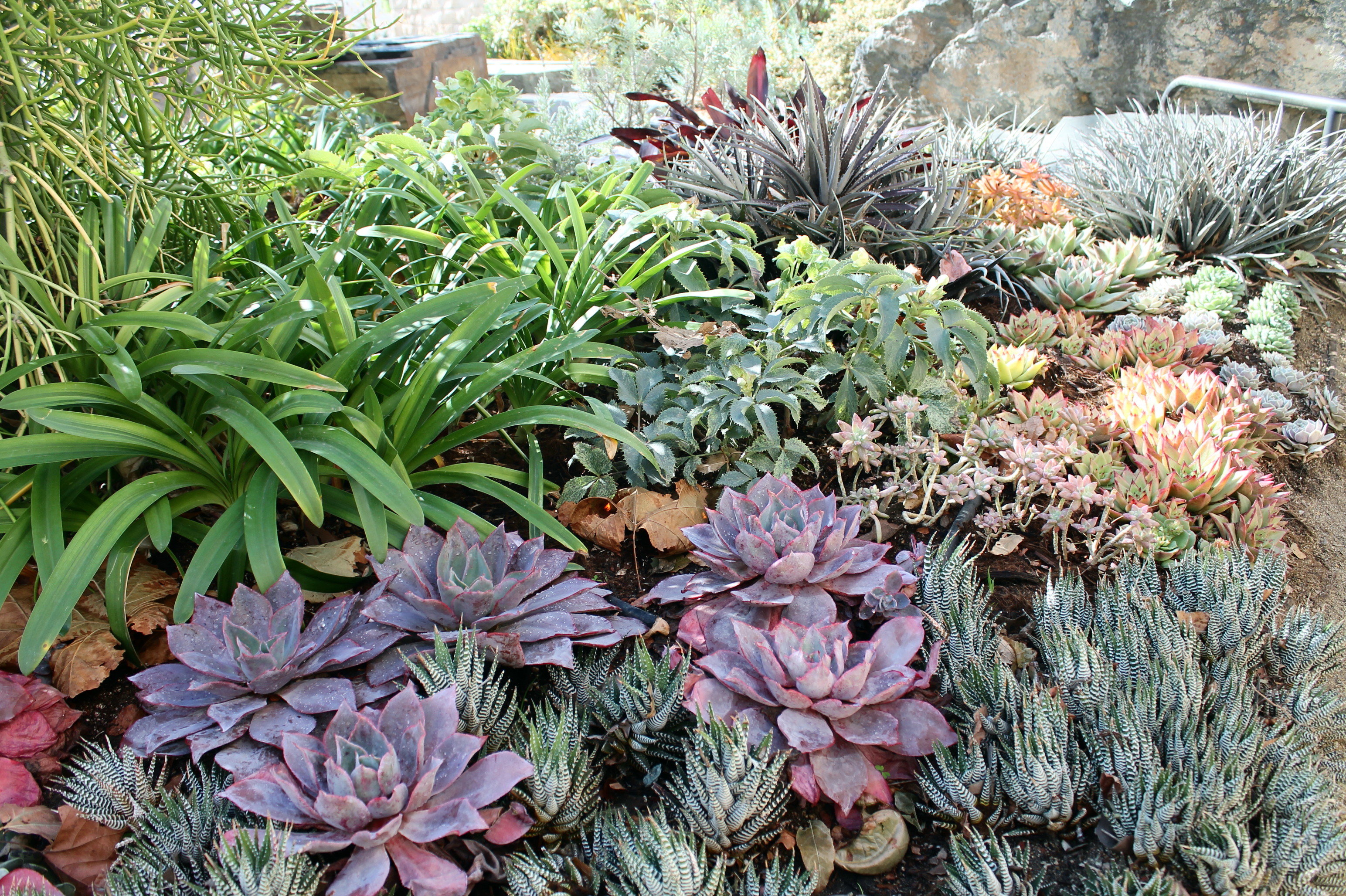
   Succulents are the hot plant category lately… and for good reason.

Succulents come in lots of shapes and colors… and they’re hard to kill.

   They’re compact, versatile, colorful, and easy to grow.

   They’re not prone to bugs or disease. They need no spraying, little water or fertilizer, and even the deer and bunnies let them alone.

   In short, avoid over-watering, and they’re about as low-care and bullet-proof as any plant.

   Unlike hydrangeas or roses, succulents aren’t a related family of plants but rather a loosely defined type of plant with similar characteristics – specifically, ones with fleshy foliage or bulbous stems that give them the ability to survive dry conditions.

   Think species such as cactus, aloe, sedum, and the old-fashioned favorite “hens and chicks” (a type of sempervivum).

   These plants have evolved in arid spots all over the globe – everywhere except Antarctica.

   Read George’s post on The Beauty of – Believe It or Not – Desert Plants

   See George’s photo gallery on the surprisingly beautiful succulents growing in California’s Huntington Library Desert Garden.

   Succulents have become increasingly popular the last few years, especially as reluctant, newbie and/or low-care-seeking gardeners discover their merits and ready availability, including at box stores.

   Succulents are naturals for rock gardens, but most of them do well lining hot driveways or covering the ground on sunny slopes.

   The recent wave of interest finds them as container favorites – less-fussy and harder-to-kill alternatives to annual flowers in pots, window boxes and hanging baskets. So if you’ve never considered anything other than annual flowers in your summer pots, give succulents a thought this May.

Read More »


The Not-So-Secret Secret Gardens of Epcot

April 17th, 2018

   One of my favorite public gardens really isn’t a public garden at all.

Some of the tens of thousands of flowers planted each year at Epcot.

   It’s the Epcot theme park at Walt Disney World near Orlando, Florida – 320 acres of colorful, neatly landscaped gardens, grounds, and displays.

   But because Epcot’s main draws are the rides and attractions, the scope of what’s there plant-wise gets overlooked.

   This place has a lot to offer gardenly (if that’s a word)… tropical trees, ribbon beds of 70,000 annual flowers each year, 200 hundred hanging baskets, theme gardens from around the world (China, Japan, Canada, England, and France in particular), flower planters that float on water, 7-foot-tall “flower towers” that look like blooming pyramids, a huge hydroponics operation, and probably most famous, the topiary collection.

   To see Epcot in its full horticultural glory, visit between March and May during the annual, three-month Epcot Flower and Garden Festival. This is when Disney hauls out even more flowers, plus additional festival-only gardens, food-sampling with edible gardens, and special tours and exhibits.

   Epcot has been running the festival for 25 years, and it’s been getting bigger and longer each year. I’m just back from this year’s version and posted a photo gallery of the 2018 festival to give you a feel for the highlights.

   I also posted a video of 20 scenes from the festival on Pennlive.com (the website of The Patriot-News).

   While at the 2018 Epcot flower festival, I went on a three-hour, in-depth tour of Epcot’s plants and gardening practices with Disney horticulturist Lisa Bernardini. It was a fascinating three hours.

Read More »


8 Ways Gardeners Prove They’re Tough

April 10th, 2018

   Gardeners tend to be durable people. We have to be.

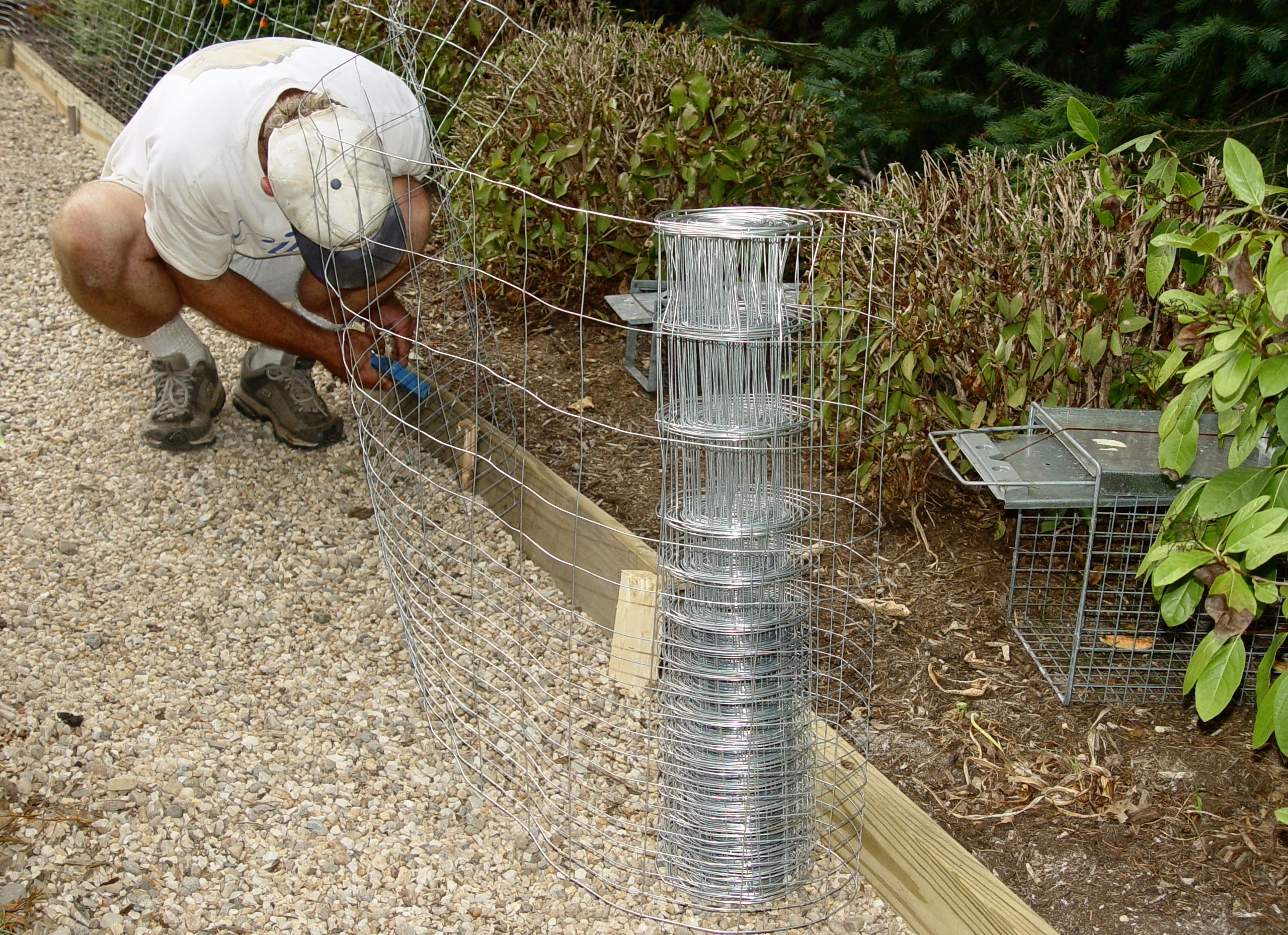
Gardeners will build Fort Knox II if they have to to stop deer and groundhogs.

   Growing a decent tomato or pretty posy requires coping with a host of challenges and adversities.

   So as we head into another new growing season, I came up with these eight ways that gardeners prove they’re not wimps:

   1.) Deer and groundhogs. These two can ruin a planting overnight, destroying months of diligence without warning or mercy.

   Real gardeners don’t give up when that kind of monumental disappointment happens (sometimes repeatedly). They just get more determined.

   2.) Erratic weather. Pennsylvania weather is always too something – too hot, too dry, too wet, too cold, too windy. And it’s erratic and often extreme, creating a steady stream of plant threats.

   Gardeners learn to roll with the punches, to replant when necessary, and to cope by constantly whining about the weather (which is the one thing all gardeners have in common).

   3.) Weather tolerance. Most people have the good sense to go inside when it rains or when temperatures dip below freezing. Gardeners tough out almost anything when there’s mulch to put down or a few more perennials to get in the ground.

   Besides, it we waited for good-weather days, we’d be waiting forever. Those days happen only when there’s already other obligations inside. (See my list of 10 Murphy’s Laws that Apply to Gardening.)

Read More »


« Older Ramblings and Readlings Newer Ramblings and Readlings »

  • Home
  • Garden House-Calls
  • George's Talks & Trips
  • Disclosure

© 2026 George Weigel | Site designed and programmed by Pittsburgh Web Developer Andy Weigel using WordPress