• Home
  • Contact
  • Site Map
George Weigel - Central PA Gardening
  • Landscape 1
  • Landscape 2
  • Landscape 3
  • Landscape 4
  • Garden Drawings
  • Talks & Trips
  • Patriot-News/Pennlive Posts
  • Buy Helpful Info

Navigation

  • Storage Shed (Useful Past Columns)
  • About George
  • Sign Up for George's Free E-Column
  • Plant Profiles
  • Timely Tips
  • George’s Handy Lists
  • George's Friends
  • Photo Galleries
  • Links and Resources
  • Support George’s Efforts


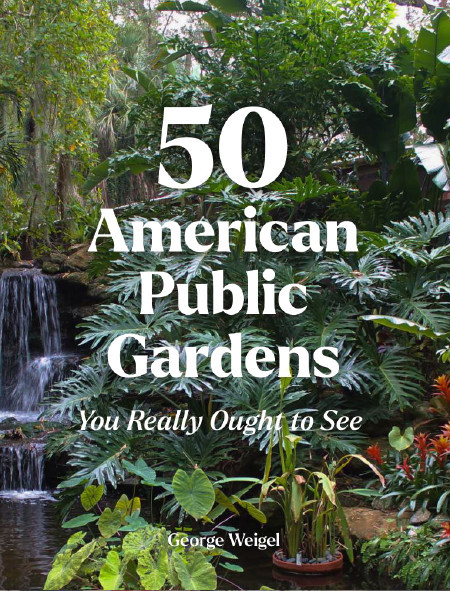
George’s new “50 American Public Gardens You Really Ought to See” e-book steers you to the top gardens to add to your bucket list.

Read More | Order Now


George’s “Survivor Plant List” is a 19-page booklet detailing hundreds of the toughest and highest-performing plants.

Click Here


Has the info here been useful? Support George’s efforts by clicking below.


Looking for other ways to support George?

Click Here

George's Current Ramblings and Readlings

Surprise Waterfalls

July 30th, 2019

   I like waterfalls.
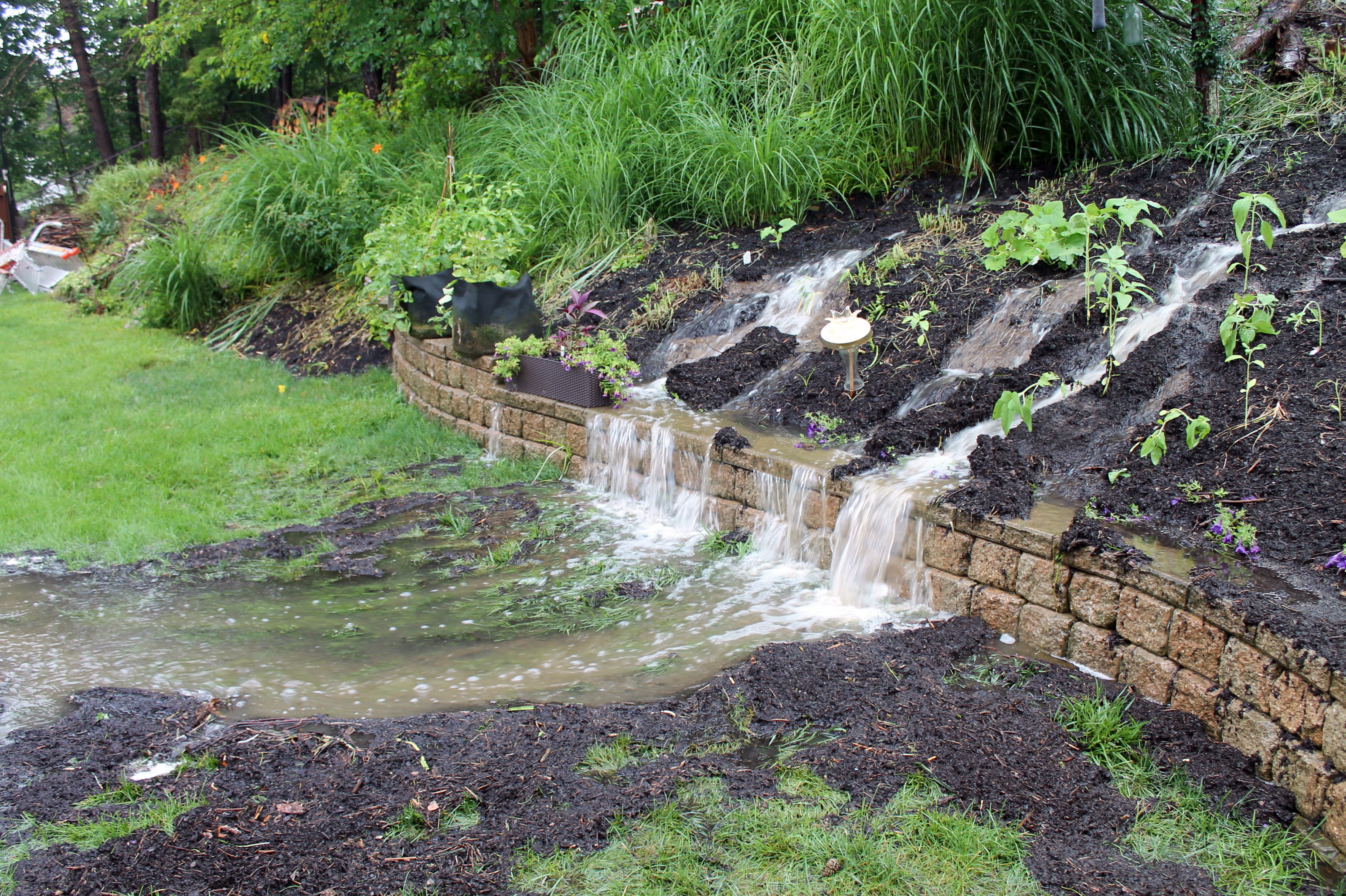
Damage from the waterfalls I didn’t know I had.

   They make dramatic or soothing landscape features, and ones like Niagara and Iguaçu are some of most impressive features on the planet.

   However, I don’t care for waterfalls that materialize out of summer downpours and carry away everything in their path.

   It turns out that’s the type we have in our new Pittsburgh back yard.

   Like most of the other disasters we’ve faced since moving, no one mentioned the torrents that come gushing down our back bank every time it rains heavily.

   Water pours in an 8-foot-wide sheet from our neighbor’s property above, then cuts three snake-like channels into the bank as it rushes down.

   At the bottom, three muscular waterfalls shoot over a retaining wall that somehow has managed not to collapse. The force carries soil and mulch as much as 20 feet into the back yard.

   The pumpkins and sunflowers that I planted on the bank there in place of weeds didn’t stand a chance.

   The sheer amount of water coming down is enough to create a solid sheet of water that runs across the lawn, down a sidewalk, and down steps to the driveway, creating gushing falls on the steps, too.

   We’re not talking drainage here. These are torrents with enough force to move landscape stones the size of hoagie rolls and tear asphalt off the road at the end of my driveway.

   This has happened five times now since we moved six months ago.
Read More »


“Friendly” Bug Control

July 23rd, 2019

   Bugs.

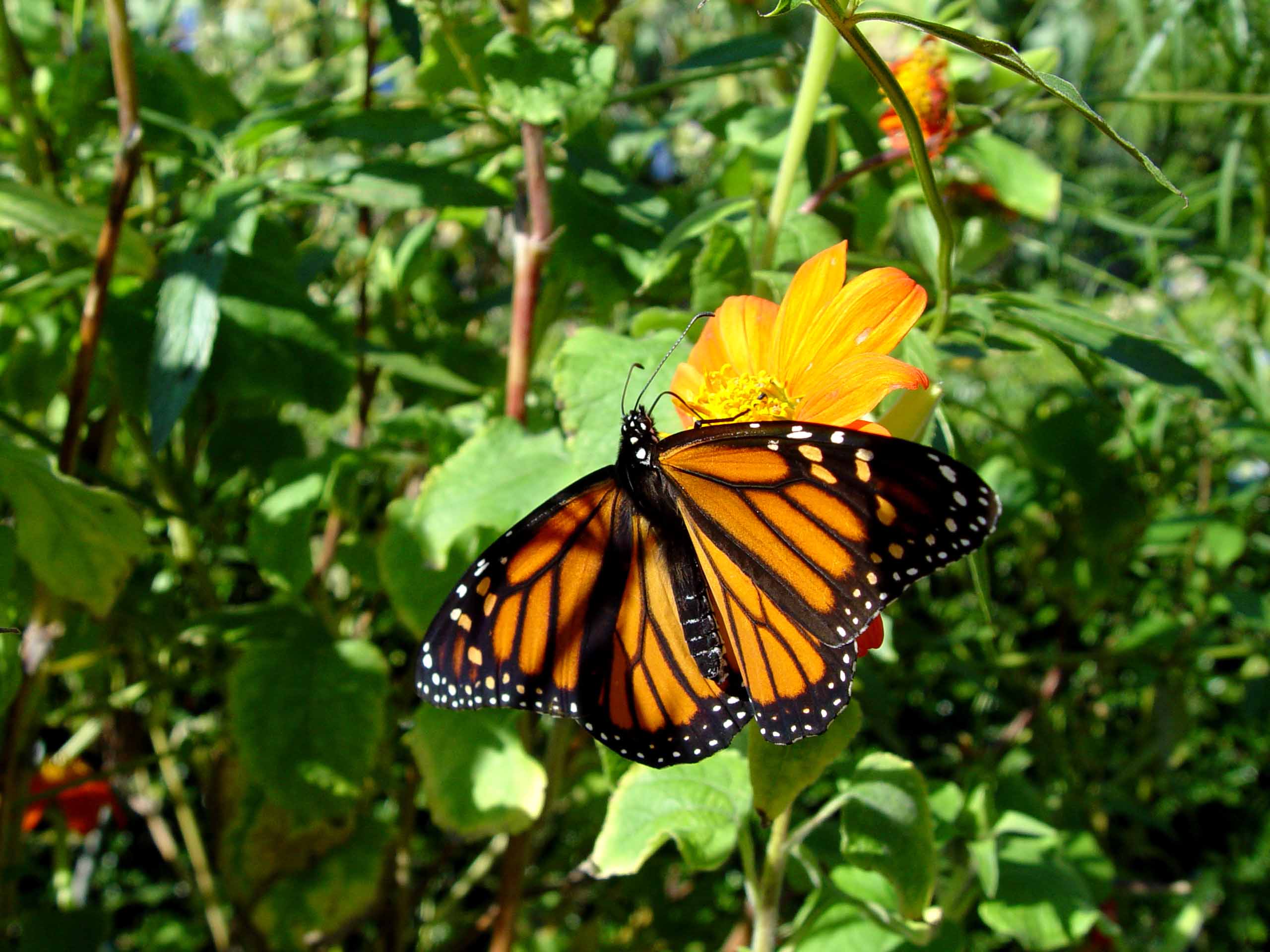
   We like it when those pretty little skippers and monarchs flit around the flowers.

We like this bug, but not so much when it comes to Japanese beetles and stinkbugs.

   And more people are coming around to the idea that bees are a good sign in the garden and that spiders do more good than not.

   But pretty much everyone is aghast when Japanese beetles swarm all over the roses or when stinkbugs decide to head inside for the winter.

   It’s a gardener’s dilemma.

   Can’t we have it both ways… welcome the “good” while keeping a lid on the “bad?”

   Yes. Or at least maybe. Here’s a 10-point game plan to a “friendlier” way to deal with yard-bug problems:

   1.) Plant bug-resistant plants. This is by far your best bet.

   Relatively few landscape plants run into serious insect problems, so if you steer clear of those (spider mites on dwarf Alberta spruce, scale on euonymus, adelgids on hemlock, for example), you can virtually plant-select your way out of spraying.

   Penn State Extension has an excellent booklet on what bugs attack which landscape plants.

   Pittsburgh’s Phipps Conservatory has a helpful list of dozens of the best “sustainable” plants for Pennsylvania.

   I’ve posted lists of both my Bottom 10 and Top 10 plants and have an 18-page “Survivor Plant List for Pennsylvania” online ($5.95 download) that steers you toward the least problematic choices.

   2.) Let nature work for you. The bug world is surprisingly well equipped to police itself. Given time, beneficial and predatory insects keep most pests in check.

   Tip the scale in your favor by planting enough diversity to attract beneficials. Especially pay attention to picking plants that bloom throughout the season. Dr. Douglas Tallamy’s book “Bringing Nature Home” (Timber Press, 2009) is one good resource.

   Then knock off spraying as much as possible. Spraying kills the predators along with the pests and puts you in the control seat since pests typically return first. (Without that pest-bug food supply there first, predators would starve.)

   3.) Let you work for you. Follow pest-discouraging practices in your yard care.

   Don’t whack into bark with your string trimmer and leak sap that attracts pest bugs.

   Pick up bug-infested fallen leaves at the end of the season to get rid of overwintering eggs.

   And above all, keep your plants as healthy as possible. It’s typically stressed plants that pests go after first. That means improve your lousy soil before planting, get plants in the site where they’re ideally suited, keep them watered in dry weather, and test every now and then to be sure the soil nutrition is optimal.

Read More »


I Miss My Soil

July 16th, 2019

   One thing Cristina Papson said she wished she had done before moving from Cumberland County to Florida was take a little of her garden soil with her.

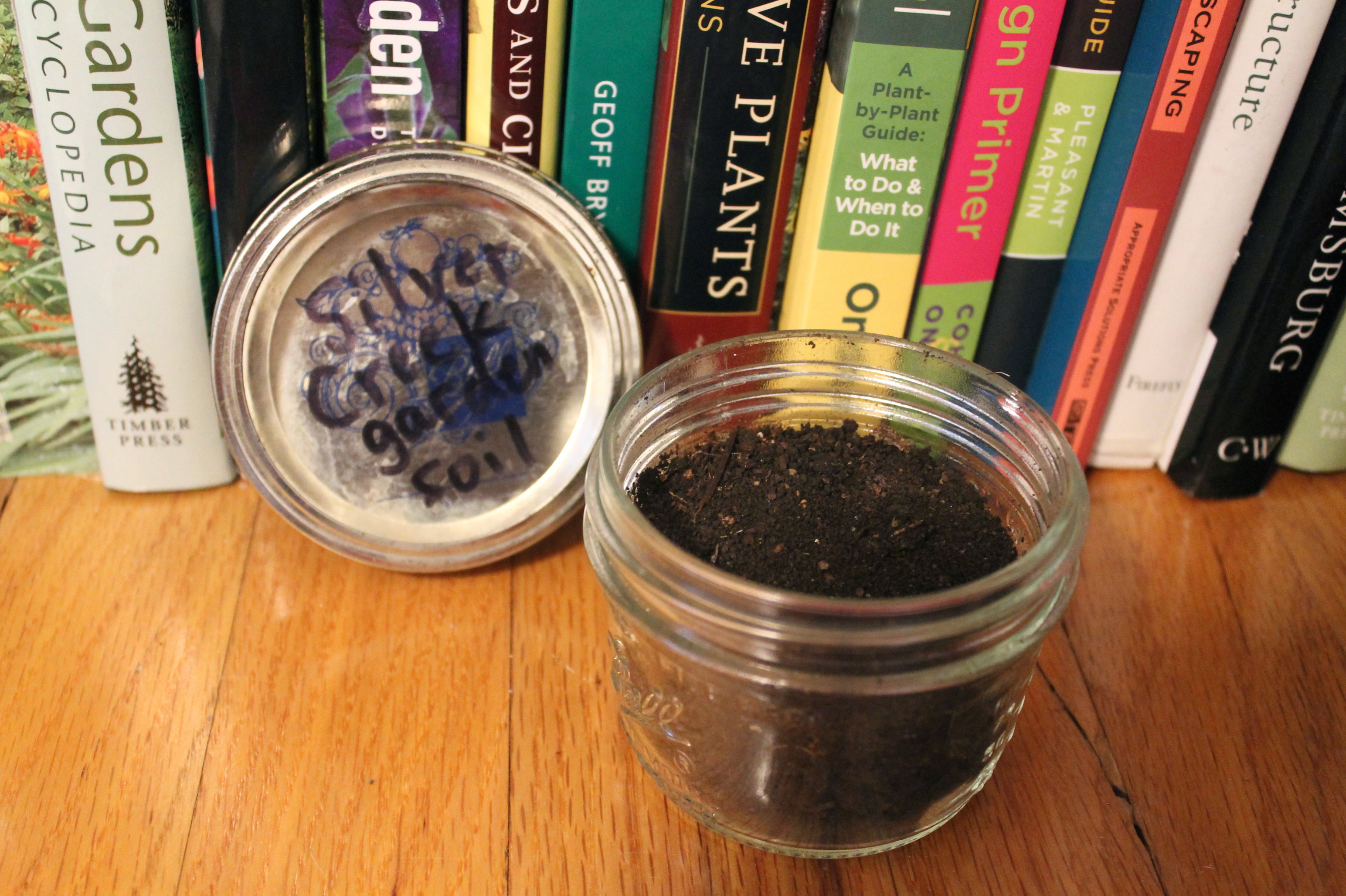
My jar of Hampden Twp. soil.

   It would’ve been a memento… a tangible keepsake to remind her of the many pleasant hours spent beautifying her Hampden Twp. yard.

   Before my wife, Sue, and I moved to Pittsburgh in December, I took Cristina’s wish to heart.

   I scooped up a couple of handfuls of soil from my raised-bed vegetable gardens and put it in a small jelly canning jar, which now sits like a trophy on my office shelf.

   I spent more than 30 years building that stuff from typical lifeless “builder’s soil” into a root Heaven that’s black, rich, and crumbly.

   Practically everything grew well in it.

   It got to the point where I didn’t even need a shovel or trowel to plant. I could just pull open a hole with my hands and insert the eager plants, which if they were human, would probably be panting with excitement at this royal treatment.

   My new Pittsburgh soil is a world apart from the Hampden Twp. soil.

Read More »


The Flowery City

July 9th, 2019

   I’m beginning to think that maybe the appreciation of flowers is inversely proportional to the lousiness of your winter weather.

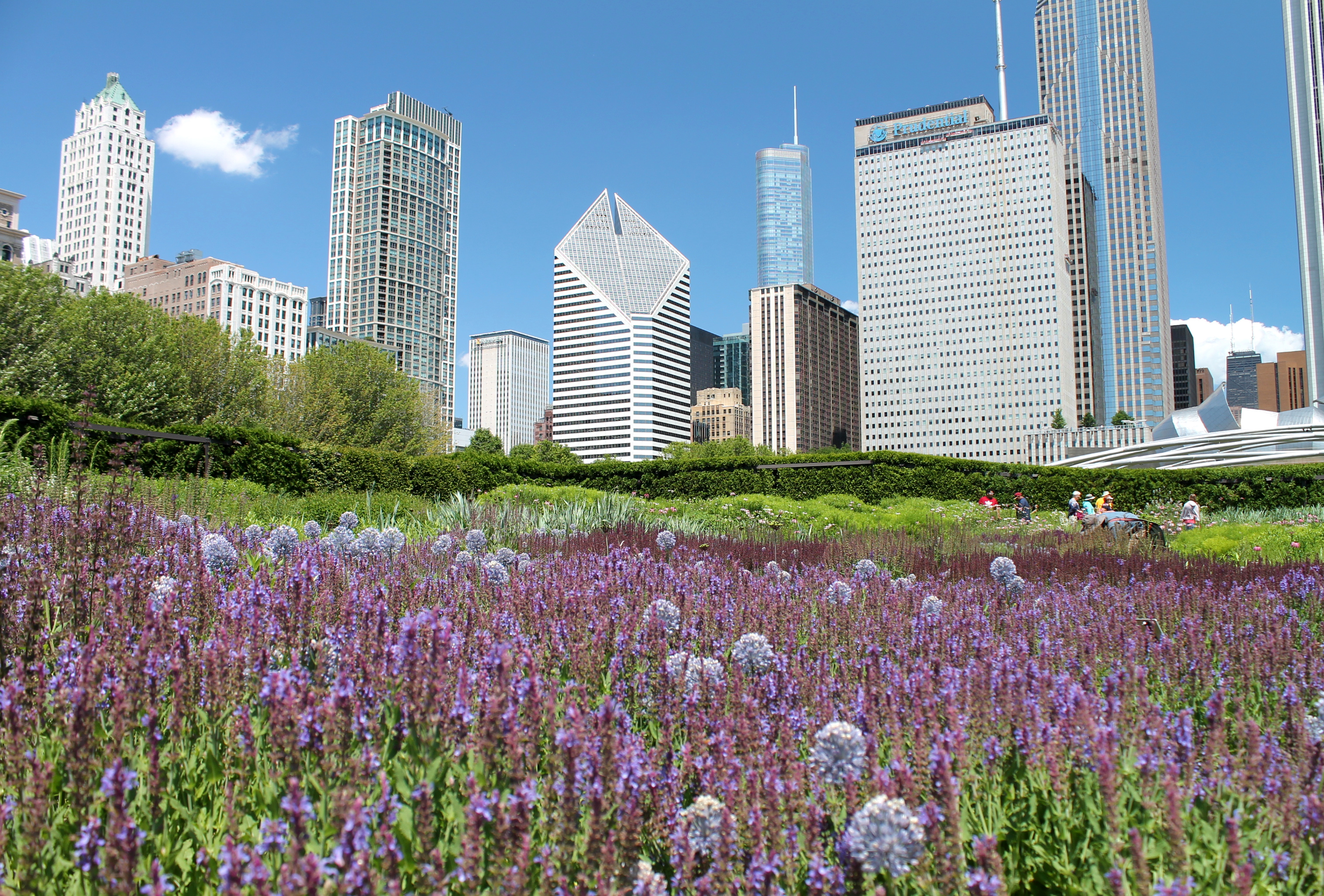
Lurie Garden is a colorful meadow right in the heart of downtown Chicago.

   Boothbay, Maine, is pretty cold and icy over a long winter, but the little coast-line town has one of the nation’s best botanical gardens, the Coastal Maine Botanical Gardens.

     Buffalo, N.Y., is one of America’s snowiest cities – sometimes getting snow in May – but its citizens love to garden and stage the country’s biggest garden tour, the 400-garden Garden Walk Buffalo that happens at the end of each July.

   I’m just back from leading a tour to Chicago – well known for its piercingly cold winter winds – and that city has more publicly planted gardens, pots, and street-side planters than any other place I’ve been.

See my photo gallery of pictures of Chicago’s botanical beauty and gardens along the way

   Chicago is investing a lot of public dollars in beautifying itself.

   Plants and color are everywhere… rose gardens in parks, huge concrete planters in street medians, flower-pot gardens lining sidewalks, one of the nation’s best botanical gardens (the Chicago Botanic Garden), a huge vegetable garden on the roof of the city’s convention center (McCormick Place), and two of America’s best conservatories (Garfield Park and Lincoln Park).

   Most of it is funded or at least partly supported by tax dollars. In a lot of places, people would revolt at having their tax dollars spent on flowers, but we were told that the majority of Chicagoans consider it money well spent.

Read More »


The Father of Master Gardeners

June 25th, 2019

   I can’t imagine the void we’d have in the gardening world if there were no such thing as Master Gardeners.

Master Gardener founder Dr. David Gibby

   These plant-loving, sharing-minded folks – mostly retirees – volunteer millions of hours nationwide each year answering gardening questions, teaching better ways to garden, and helping home gardeners solve their garden problems.

   It’s a huge and much needed service… and offered free.

   But there was a time not long ago when there were no Master Gardeners. If you had a garden question, you either looked it up in a book, hoped your neighbor knew the answer, or called the county Extension agent.

   Dr. David Gibby was one of those agents, now called Extension educators.

   Frustrated at being able to get back to only a fraction of the hundreds of weekly callers, Gibby came up with the idea of sort of “deputizing” a corps of avid gardeners who could help out with the workload.

   Despite resistance from the highers-up, he managed to recruit a team of what became the first Master Gardeners in 1973 in two counties of Washington state.

   The idea went viral. These days, all 50 U.S. states have Master Gardener programs attached to their land-grant universities (Penn State in Pennsylvania), totaling 95,000 Master Gardeners nationwide.

   Combined, they put in 5.5 million volunteer hours a year helping America produce better gardeners.

   The idea has since spread to Canada and overseas.

   Dr. Gibby is now 76 and dubbed the “father of Master Gardeners.”

   I heard his fascinating story when he reminisced at last week’s International Master Gardener Conference in Valley Forge.

Read More »


« Older Ramblings and Readlings Newer Ramblings and Readlings »

  • Home
  • Garden House-Calls
  • George's Talks & Trips
  • Disclosure

© 2026 George Weigel | Site designed and programmed by Pittsburgh Web Developer Andy Weigel using WordPress