• Home
  • Contact
  • Site Map
George Weigel - Central PA Gardening
  • Landscape 1
  • Landscape 2
  • Landscape 3
  • Landscape 4
  • Garden Drawings
  • Talks & Trips
  • Patriot-News/Pennlive Posts
  • Buy Helpful Info

Navigation

  • Storage Shed (Useful Past Columns)
  • About George
  • Sign Up for George's Free E-Column
  • Plant Profiles
  • Timely Tips
  • George’s Handy Lists
  • George's Friends
  • Photo Galleries
  • Links and Resources
  • Support George’s Efforts


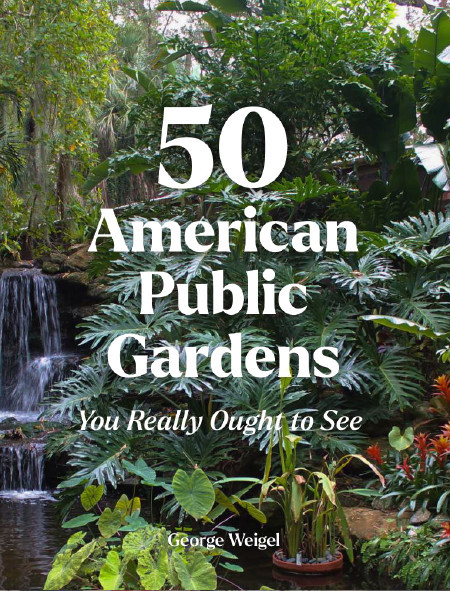
George’s new “50 American Public Gardens You Really Ought to See” e-book steers you to the top gardens to add to your bucket list.

Read More | Order Now


George’s “Survivor Plant List” is a 19-page booklet detailing hundreds of the toughest and highest-performing plants.

Click Here


Has the info here been useful? Support George’s efforts by clicking below.


Looking for other ways to support George?

Click Here

George's Current Ramblings and Readlings

Invasiveness Is in the Eye of the Beholder

June 18th, 2019

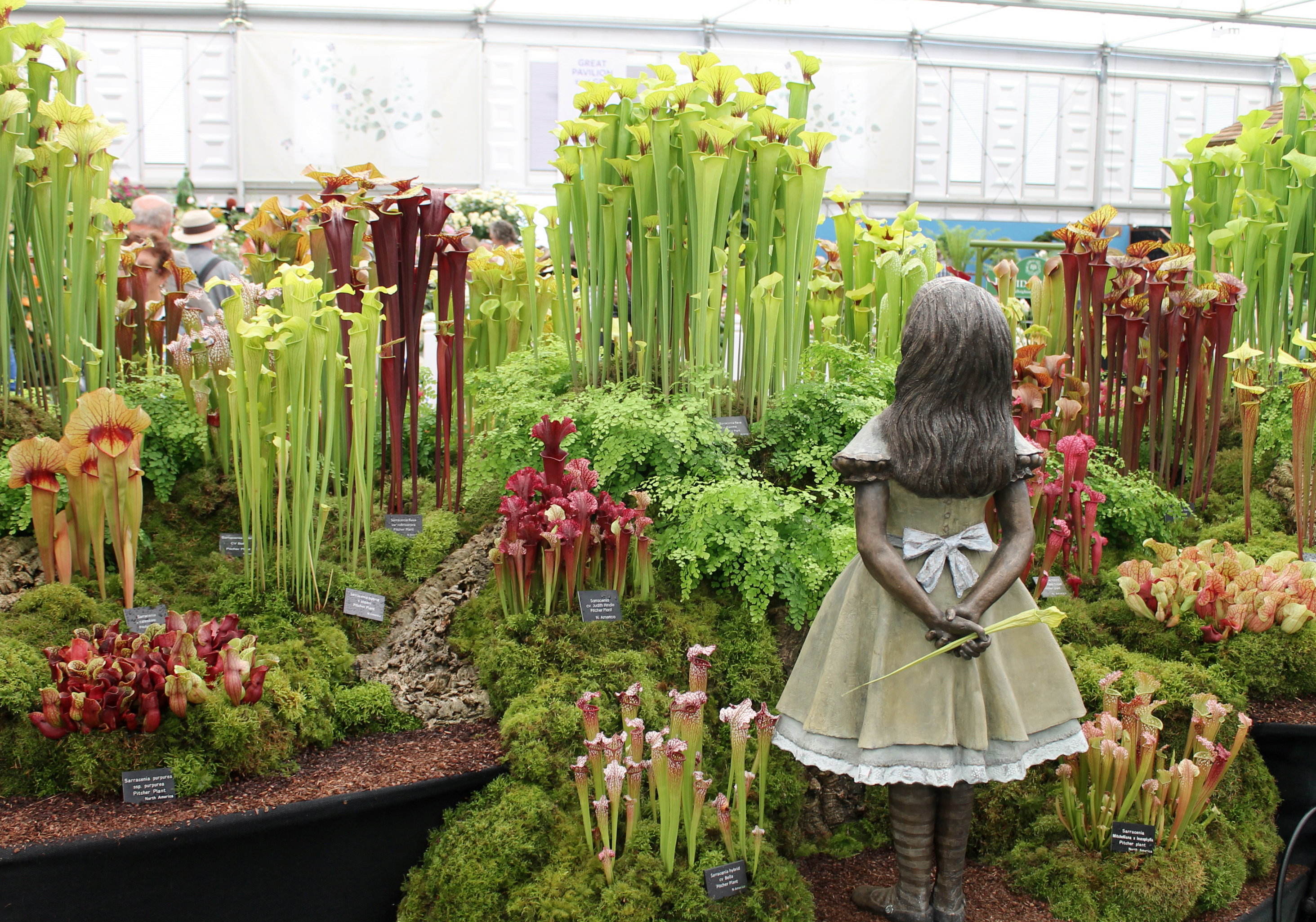
   So I was poking around the fabulous 2019 Chelsea Flower Show last month in London when I came across an educational display on invasive plants.
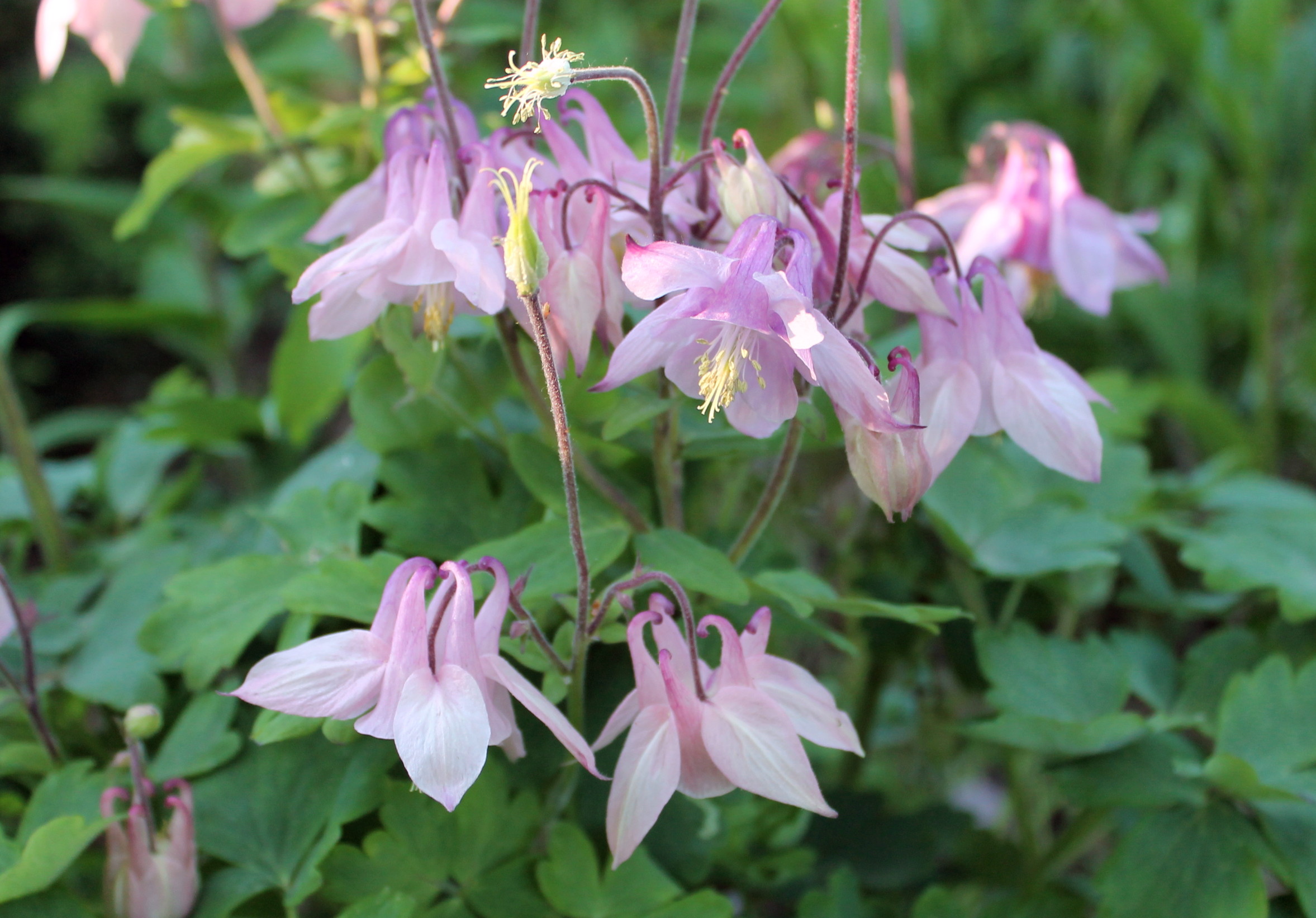
U.S. native columbine is considered to be invasive in the United Kingdom.

   The British are apparently having as alarming a time with that issue as we are.

   But what caught my eye most was what made the invasive list there. Among the familiar culprits of Japanese knotweed, houttuynia, and kudzu was a plant very common to our yards – columbine.

   This spring-blooming, U.S. native perennial apparently seeds around as well in England as in America. The difference is that seeding around when you’re not a native makes you an evil invader while seeding around on your home turf makes you a desirably virile choice.

   Interesting difference, eh? The same plant with the same characteristics and behavior can be “good” or “bad” depending on who’s doing the judging and where.

   American gardeners – like so many Brits – are on a big native-plant kick lately. Some of the more avid native-backers advocate that even cultivars of a native species aren’t worthy of being planted, not to mention making owners of non-native peonies and azaleas feel guilty.

   I like many U.S. native plants and think we should plant more of them. But being born in America doesn’t automatically make a plant superior.
Read More »


Gardening with Axes and Sledgehammers

June 11th, 2019

   Back in my Cumberland County garden, I’d improved the soil so well over 30 years that I scarcely needed even a trowel to plant.

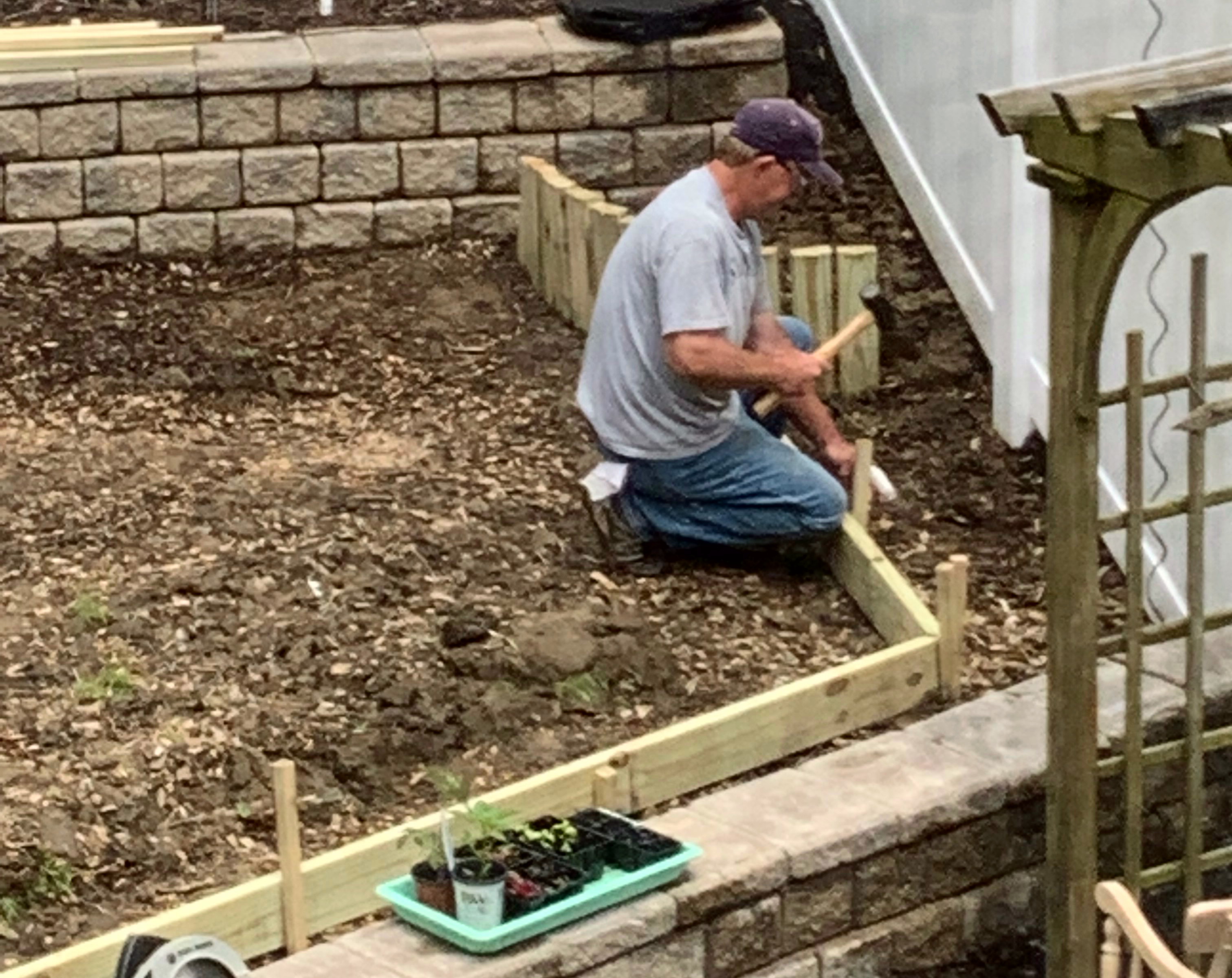
Trying to pound stakes into the ground with a smaller sledgehammer after whacking my finger with a bigger one.

   The ground was so loose I could open holes with my fingers.

   Not so in my new Pittsburgh “landscape.”

   The soil here is a dense, back-achingly heavy, poorly drained black goop, pock-marked with rocks.

   It doesn’t help that the previous owners never went outside, leading to barrel-sized clumps of seeded-in miscanthus grass everywhere, rampant seedlings of rose-of-sharon, and roots like I haven’t seen since watching the Jurassic Park film.

   I now find myself gardening not with trowels and rakes but with axes and sledgehammers.

   This is more battle than coddle, and my shed seems to be more an arsenal of weapons than a home for yard-crafting implements.

   Other than a lot of aches and muscle cramps, I’ve managed not to do any serious damage to myself or the property during renovation. This is, until I got to the point of attempting to install raised beds for a vegetable garden.

   I was trying to pound 2-by-2-inch stakes in the ground to secure my boards and keep them from warping, but they weren’t going into the rocky, dense goop very well.

   So I resorted to the new, long-handled, eight-pound sledgehammer that I had bought to drive metal sleeves into the ground for my deer-fence posts (another story of Pittsburgh adversity for another day).

   You can probably guess what happened. I somehow got my left index finger in the way of the business end of the hammer, and my finger came out the loser.

Read More »


Lessons from the Brits

June 4th, 2019

   Nobody on the planet gardens better – and enjoys it more – than the British.

One of the scenes from London’s 2019 Chelsea Flower Show.

   England, in particular, is the world’s hot spot for great gardens. Most every town or city there has at least one public garden, adding up to hundreds across a country that’s smaller than many of our states.

   The British appreciate plants so much that ordinary people somehow seem to know plants by their botanical names, and even English alleys, graveyards, and restroom entries are adorned with flowers.

   I’m just back from leading a 10-day trip to see gardens of England, and I’m hoping some of this British green-thumb enthusiasm will rub off on America.

   See George’s photo gallery of pictures from the gardens of England and the 2019 Chelsea Flower Show

   We have lots to learn from the Brits when it comes to gardening.

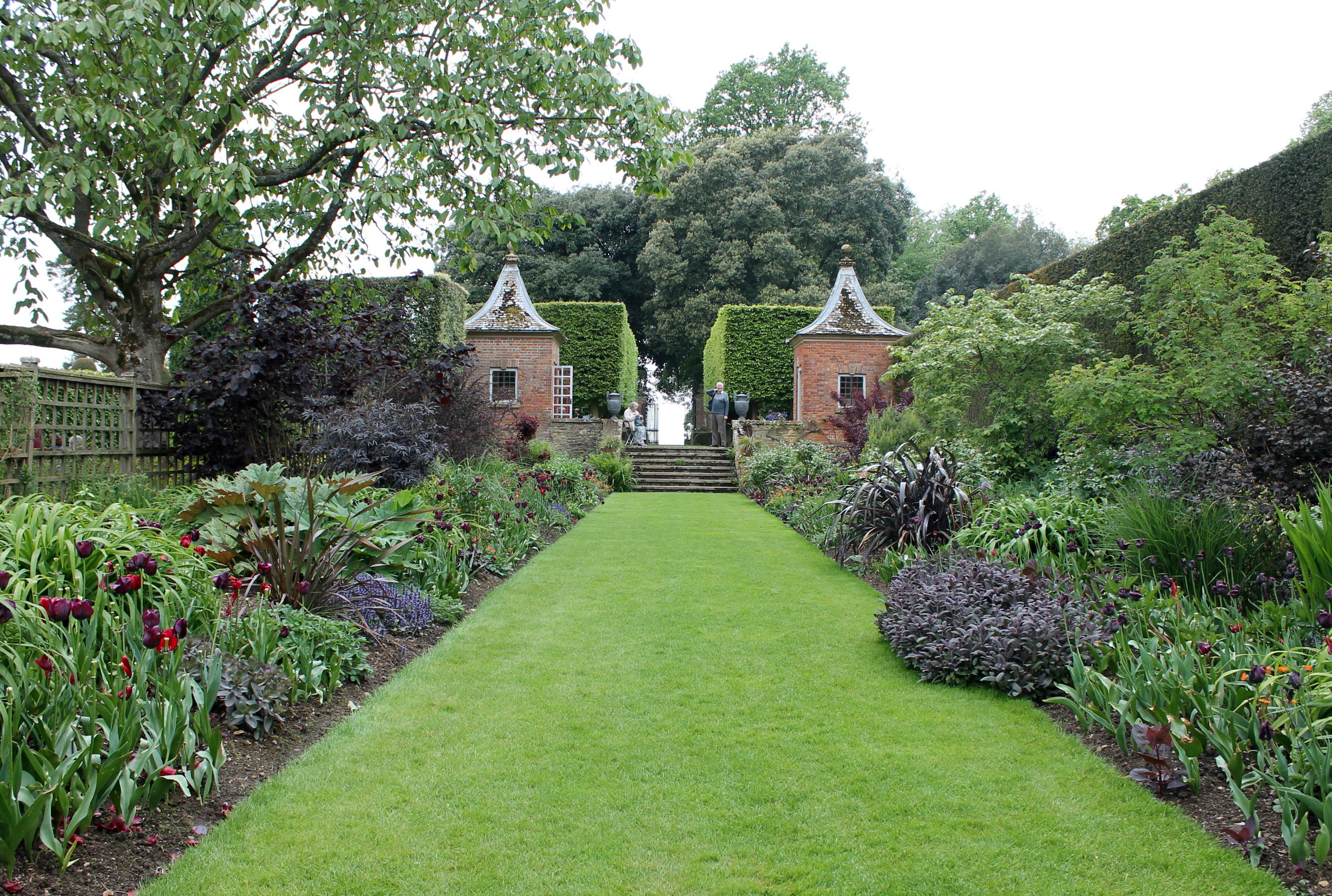
This is the red-themed double herbaceous border at Hidcote Manor gardens in England.

   One lesson is that gardening and plants should give us pleasure and satisfaction. We tend to look at gardening as work. They seem to view time in the garden as a creative pastime that, although takes some effort, isn’t really work.

   The British also don’t seem to be quite as attached to the lawn as we are.

   They have no problem digging up grass to make garden beds, flower-surrounded sitting areas, and the best of all British garden features, the double herbaceous border.

   A double herbaceous border involves planting wide, parallel beds of assorted perennials and grasses that bloom in symphonies of changing color throughout the season.

Read More »


Tropicals for the Summer Landscape

May 28th, 2019

   The heat and humidity of a typical Harrisburg August is enough to make it seem as if we’re living in the tropics.

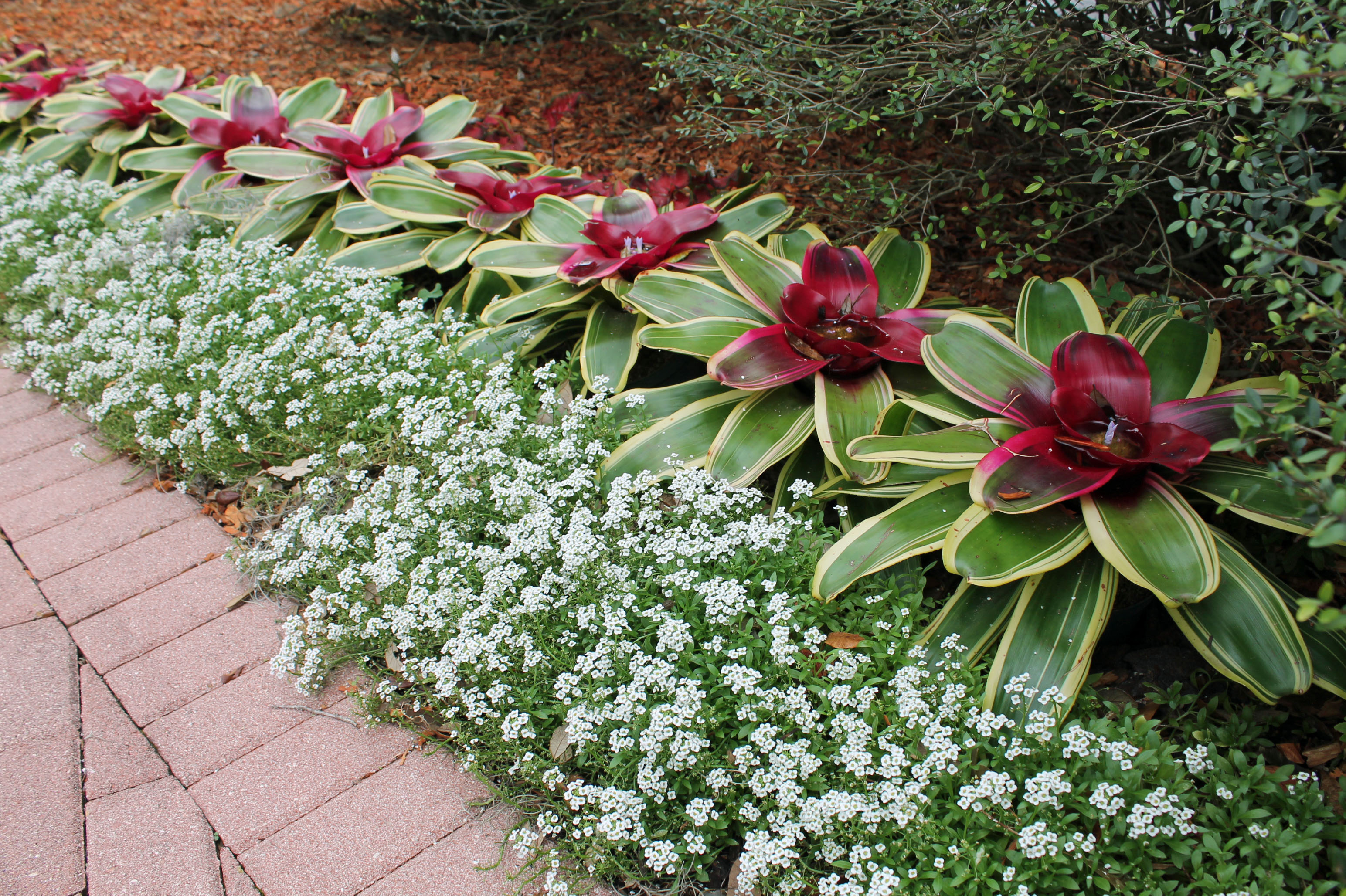
Bromeliads grow nicely in the ground in a Harrisburg summer.

   If that’s the case, we may as well grow with the flow.

   Plenty of tropical plants do nicely here as summertime in-ground, landscape plants.

   They think they’re at home.

   Yet we limit our use of tropicals to houseplants or, at best, in summer pots alongside the petunias and geraniums.

   Hardly anyone here sticks a croton or a copper plant in the ground.

   Actually, most so-called “houseplants” grow well in our May-to-September landscapes.

   Two caveats:

   1.) If you plan to keep tropicals more than one season, you have to dig them and pot them for inside storage once the late-season temperatures dip into the low 40s.

   Frosts and near frosts will kill most tropical natives. But most are up to double-duty as winter houseplants before going back outside the following May.

   Note: Hose off or spray your tropicals after repotting so you don’t take bugs into the house.

   2.) Be careful about light. Even a tropical that prefers full sun can wash out in color or drop leaves if it goes directly from inside to full sun outside.

   The solution is to acclimate the plant to increasing outside light over a 7- to 10-day period or to plant it outside in shade or part shade.

   Tropicals appreciate going into warm, real soil where their roots are free to roam. You may notice them thrive like never before.

   Life in a pot is stunting. Species sold as houseplants are good at tolerating that, but none of them prefer it.

   Nonetheless, if you’d rather not unpot and plant tropicals, go ahead and sink them pots and all. At least it’ll cut down on how often you have to water compared to potted tropicals sitting on the deck or porch.

Read More »


A “Meadow” of Annual Flowers

May 21st, 2019

   Hardly anyone plants masses of in-ground annual flowers anymore.

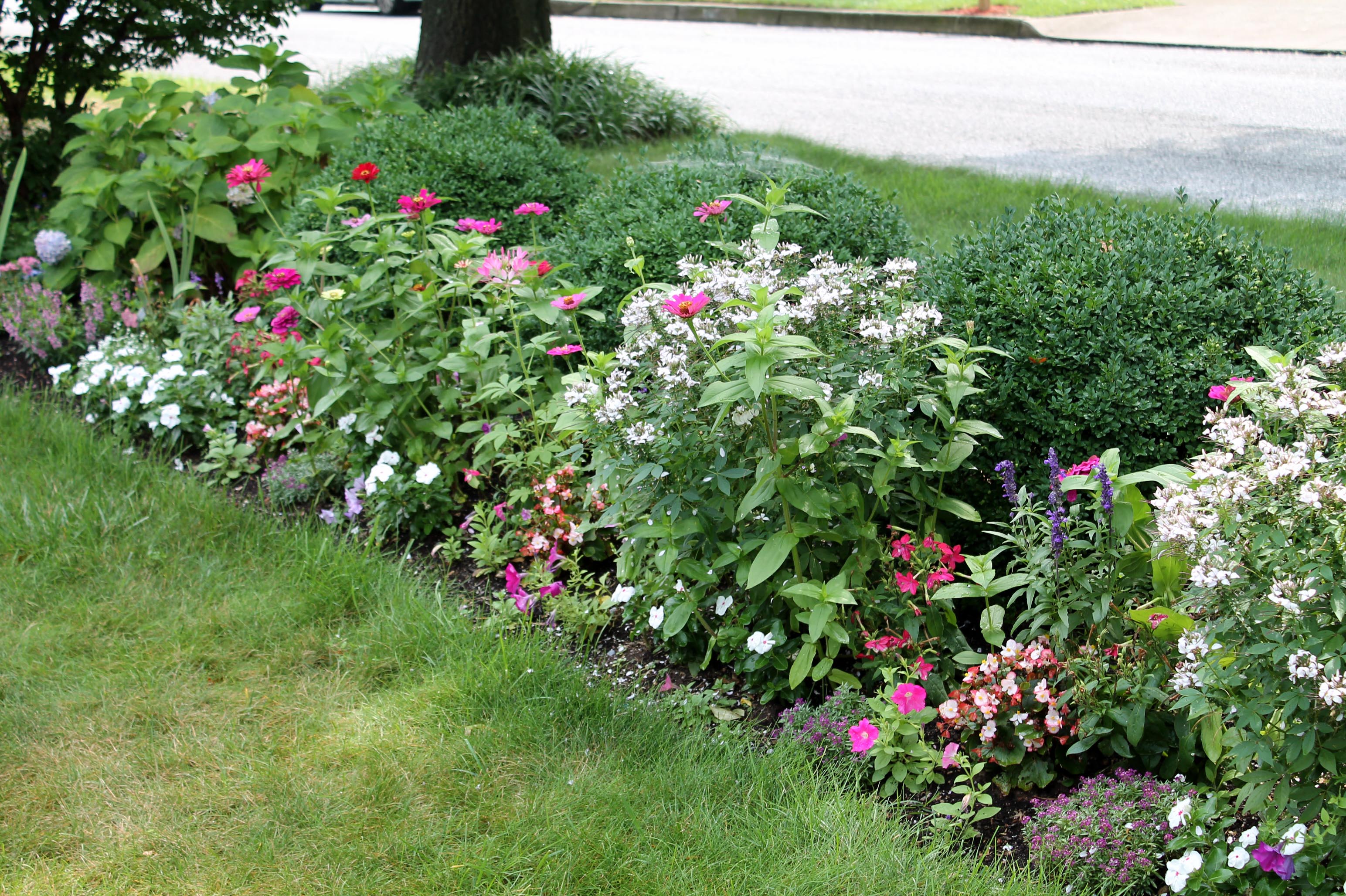
The “meadow annual” look.

   For one thing, it’s expensive since $4 plants in four- and six-inch pots have largely supplanted cheaper six-packs.

   For another, most people don’t want the planting work and watering time that so many new plants require.

   I’m not even sure most people like the look of one big mass of, say, red geraniums or pink petunias.

   I like annual flowers, but for the above reasons, I’ve been tinkering around the last few summers with a different way to use them other than in containers – a style I call the “meadow look.”

   This involves interplanting a mix of eight to 10 different annual-flower varieties instead of massing out just one or two choices.

   I pair the varieties so that they look good next to each other and repeat the pairings to give a tad of organization to the bed.

   A few of the flowers are the pricey divas. But most are the much cheaper 4-packs and 6-packs as well as two or three varieties that I direct-seed.

   The result is a front border that gives me color all summer long at a fraction of the cost of a traditional mass planting.

Read More »


« Older Ramblings and Readlings Newer Ramblings and Readlings »

  • Home
  • Garden House-Calls
  • George's Talks & Trips
  • Disclosure

© 2026 George Weigel | Site designed and programmed by Pittsburgh Web Developer Andy Weigel using WordPress