



A Book by George
August 27th, 2013
Pardon me if I seem a little distracted the rest of this season.
I just signed a contract to write a plant book for Cool Springs Press, and the manuscript is due by the end of the year.
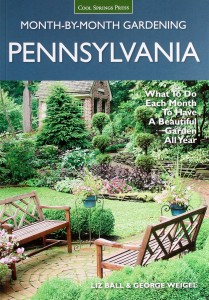
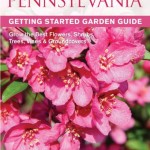
The book will be called the Pennsylvania Getting Started Garden Guide, and it’s actually a new version of the Pennsylvania Gardener’s Guide that my eastern-Pa. friend and garden-writer colleague Liz Ball did for Cool Springs in 2002.
It’s part of a nationwide regional series aimed at helping new gardeners and casual yardeners pick the best plants for their yards.
I like that approach because plant selection is such a regional thing. What does well in one area might be invasive or bug-prone or wimpy in one another.
That’s why I sometimes joke that I can’t move because I’d be out of a job in a different growing zone. I’d be back to square one trying to figure out the plants of Florida or New England or whatever.
The bulk of the Pennsylvania Getting Started Garden Guide will be detailed profiles on the 170 best plants for Pennsylvania landscapes. I get to pick the lineup.
Each profile gets a full page, including sizes, bloom times, colors, growing tips and specific varieties or cultivars that I think are the best of the best.
It’s a bit along the lines of the 18-page plant list that I give to all of my Garden House-Calls clients and that’s available here as a $5.95 download or a $10.95 mailed-out paper copy.
I’ve also got about 300 plants profiled on the Plant Profiles section of this site, in case you’ve never seen that.
The book’s plant picks will be broken down into categories: Annuals, Bulbs, Groundcovers, Evergreens, Ornamental Grasses, Shrubs, Trees, Perennials and Vines.
Each section will have a 2-page introduction about that category of plants. The first chapter will be a rundown on the basics of what people should know about gardening in Pennsylvania.
We’re also looking at some helpful additional information, including a chapter on lawns, Pennsylvania award-winning plants, what to do when things go wrong in the garden, 20 Pennsylvania public gardens worth visiting, and icons that’ll tell which of the 170 plant picks are native selections.
The book will be a paperback, most likely priced at $24.99 and available at Lowe’s stores as well as online and at the usual book stores and garden-related venues where garden books are sold.
I’ll also have copies to sell here and at the talks and trips I do.
And I suspect the book will be available in electronic form, although I’m not positive about that yet.
It’ll be late 2014 until the book hits the market. I’ll let you know when it’s done and out.
In the meantime, I’ve had to cut off appointments this fall for Garden House-Calls to clear the deck to get the book done.
Check back over winter to get on my next spring’s calendar if you need help with ideas in your yard.
Or just wait for the book and pick out your own favorites from the 170.

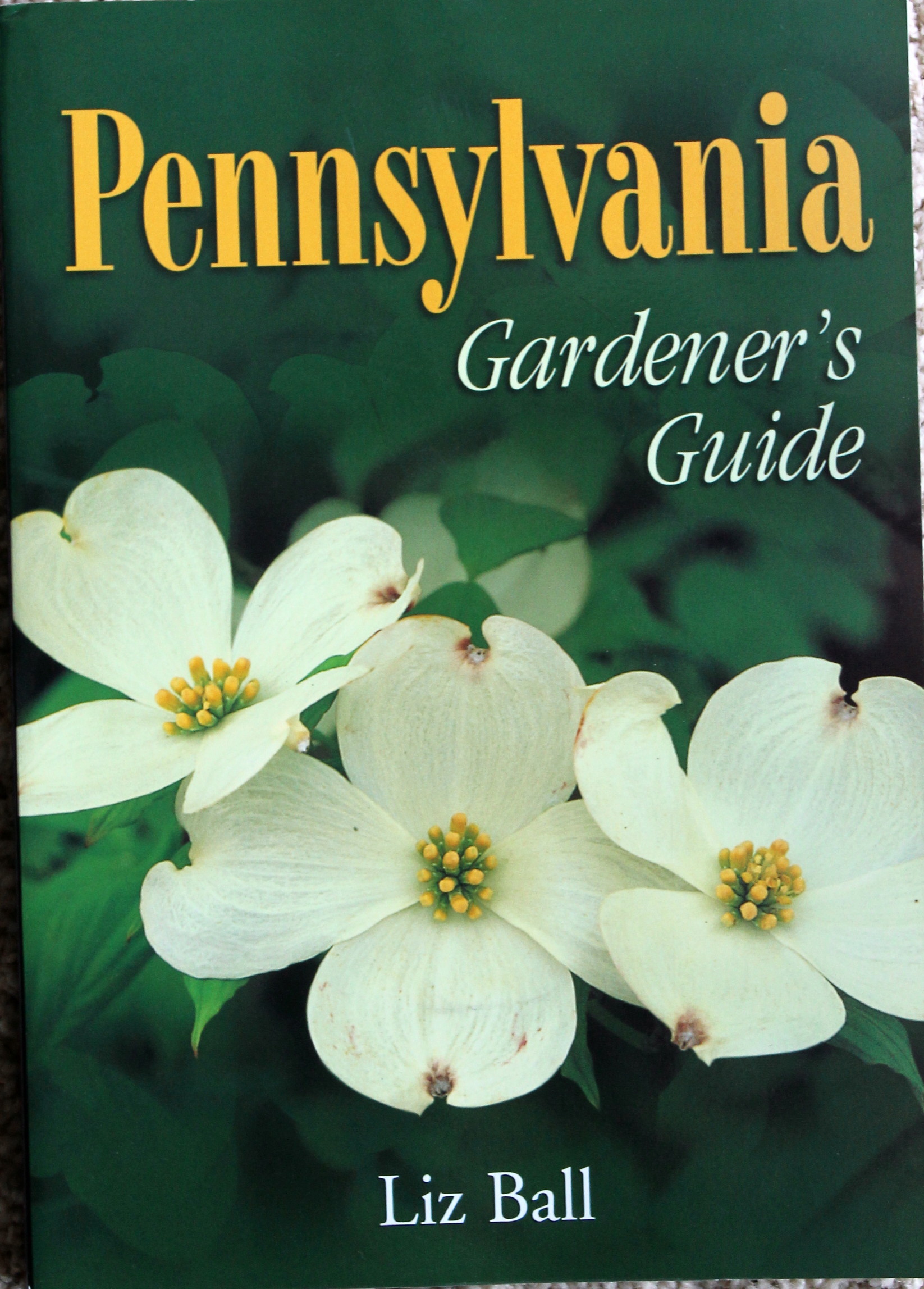
This is great news, George, for both you and the rest of us. I’ve learned so much from you, had you in my yard, been to your talks, mention you to my customers (in my very, very small gardening business). Since I have followed you so much, my guess is I will know a good bit already of what’s in your book, but I will absolutely tell my customers about it. I purchased Liz Ball’s book, and I have leant (sp?) that out to neighbors several times, and enjoy sitting with it myself. Of course, I bought that on your recommendation. I have one request, and one comment.
Request: can you clarify the hydrangea pruning timing, and how to do issue? The only one I have in my yard is the oakleaf, so I know what/how/when to do that. My issue is mainly the mophead - how do I identify what type it is, and then when to prune back? I know forever-and-ever blooms on new and old wood, but . . . unless I myself have planted it, how do I know if it is that type??
Comment: If you were writing a similar book on vegetable gardening, how to stake, which are easier/harder, etc. I would definitely buy it!! Can you do that one next????
Thanks, Trish. I have a lot of work ahead of me…
Mophead hydrangeas are the most common of the bigleaf hydrangea family (H.macrophylla). Those are the most common of all hydrangeas planted around here and have the big fat flower balls in June. Up until the rebloomers came along, these flowered on old wood, which means you prune them right after bloom is done. July is the best month. (Rebloomers flower on both old and new wood.)
Here’s what pruning advice I give my Garden House-Call clients for dealing with bigleaf/mophead hydrangeas: “No pruning needed if size is fine. If heavier pruning is needed, do it right after flowering (mid to late July). Up to one-third of the oldest canes can be removed right to the ground to thin out the plant, and any or all branches can be shortened by up to one-third at the same time. Canes also can be thinned out in March, but don’t shear back or cut tips then.”
Whole books have been written on identifying different kinds of hydrangeas along with how to prune them and care for each. The best one, in my opinion, is Michael Dirr’s “Hydrangeas for American Gardens” (Timber Press, 2004).
I’ll put the vegetable book on my “think-about-later” list.
George
Okay, so no tip pruning late winter is what seems like the best idea to me. And, I do understand that late winter stems may look dead, but you have to wait until they leaf out to be sure. Then at that time, I could take out some old/dead wood. But, whether it’s an oakleaf, limelight, forever-and-ever, or old-timey mophead, July should be safe, correct? I have been taking back my oakleaf more like mid-August - did I cut off next year’s blooms? ALSO, I KNOW I looked up limelight (this is a BIG ONE) last fall, and I determined I could take it back then - I did this (maybe early October), and right now this thing is gorgeous and back with a vengeance.
Sorry about confusing follow-up comment to confusing issue for me . . .
Okay, go write your book now.