• Home
  • Contact
  • Site Map
George Weigel - Central PA Gardening
  • Landscape 1
  • Landscape 2
  • Landscape 3
  • Landscape 4
  • Garden Drawings
  • Talks & Trips
  • Patriot-News/Pennlive Posts
  • Buy Helpful Info

Navigation

  • Storage Shed (Useful Past Columns)
  • About George
  • Sign Up for George's Free E-Column
  • Plant Profiles
  • Timely Tips
  • George’s Handy Lists
  • George's Friends
  • Photo Galleries
  • Links and Resources
  • Support George’s Efforts


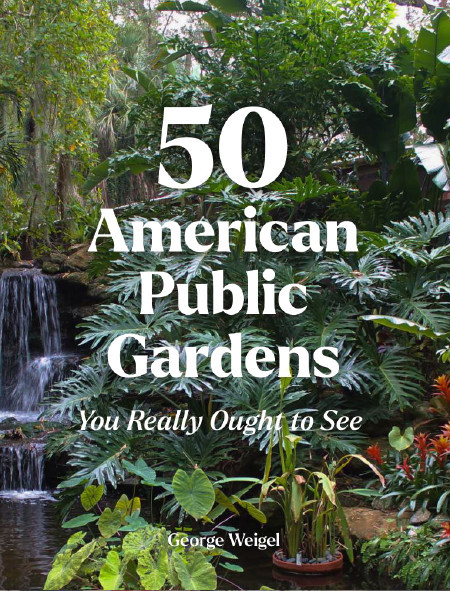
George’s new “50 American Public Gardens You Really Ought to See” e-book steers you to the top gardens to add to your bucket list.

Read More | Order Now


George’s “Survivor Plant List” is a 19-page booklet detailing hundreds of the toughest and highest-performing plants.

Click Here


Has the info here been useful? Support George’s efforts by clicking below.


Looking for other ways to support George?

Click Here

George's Current Ramblings and Readlings

The Finale Begins

October 14th, 2013

   This week is shaping up as peak week for fall foliage in our section of southcentral Pennsylvania – and I’m not just talking about the forests.
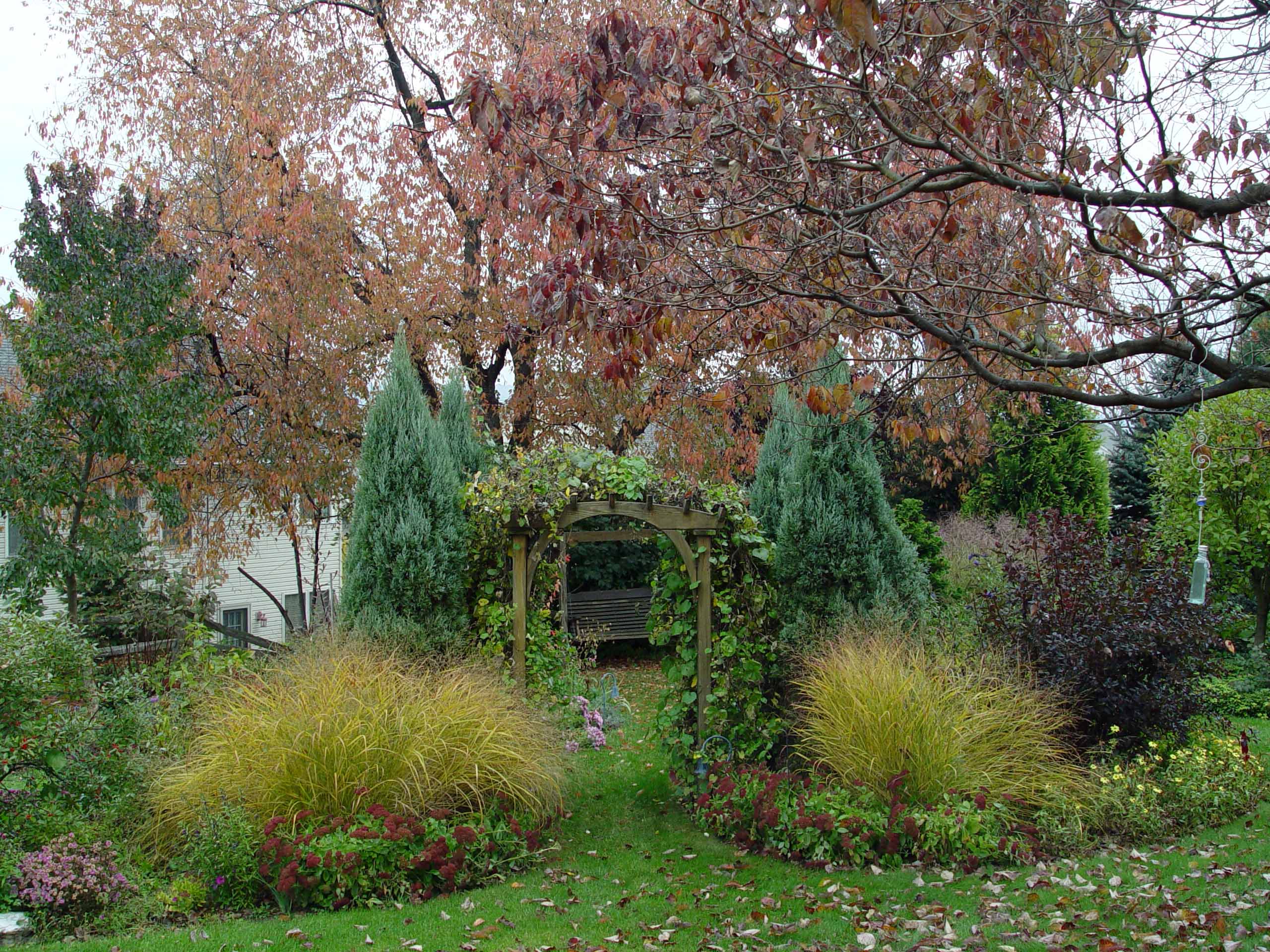
The fall show beginning in George's back yard.

The fall show beginning in George’s back yard.

   Lots of landscape trees and shrubs also turn spectacular shades of red, gold, purple and yellow this time of year. Of course, that’s assuming you planted enough fall-peakers to produce a show.

   I really like spring, but fall comes in a close second because so much happens in such a short period of time.

   Unlike spring-blooming plants that spread out the show over 2 or 3 months, fall-foliage plants do their thing over just 2 or 3 weeks.

   Add to that the perennials that bloom in fall, the annuals that are still chugging along in advance of the first killing frost and shrubs that are reblooming, and it all adds up to an action-packed landscape.

   Enjoy it. We’ll be in winter mode before we know it. But if there’s little to enjoy in your yard, get planting or get planning to add more fall interest to your one-dimensional yews, forsythias and dwarf Alberta spruces.

Read More »


Beautiful but Dry

October 8th, 2013

   I can’t remember the last time I’ve seen our weather stay so pleasant for such a long stretch.

Unusual... hydrangeas wilting in October.

Unusual… hydrangeas wilting in October.

   We’ve had weeks of blue skies, 70-degree days, comfortably cool nights and scarcely any of our usual stifling humidity.

   I can’t complain. Well, I could, but I’ll take this pleasantry in exchange for the parched soil. At least we and our hoses and sprinklers were able to do something about that. Monday’s rain was just what we needed because the ground was getting dry enough to threaten plant health.

   Don’t be too quick to put away the hose in case we go back to dry.

   Especially pay attention to watering any new evergreens you planted this season. Spruce, junipers, arborvitae and such are very drought-tough once they’re established, but young roots need water to keep the plant from shutting down.

   Unlike flowers and deciduous shrubs that give us warning signs such as wilting and browning leaf margins, evergreens can be root-dead for weeks before the foliage finally turns brown – seemingly overnight.

Read More »


Bottom 10 Shrubs

September 27th, 2013

   Now that you’ve got my list of Bottom 10 Annuals and Bottom 10 Perennials, it’s time to finish off this series with my Bottom 10 Shrubs.

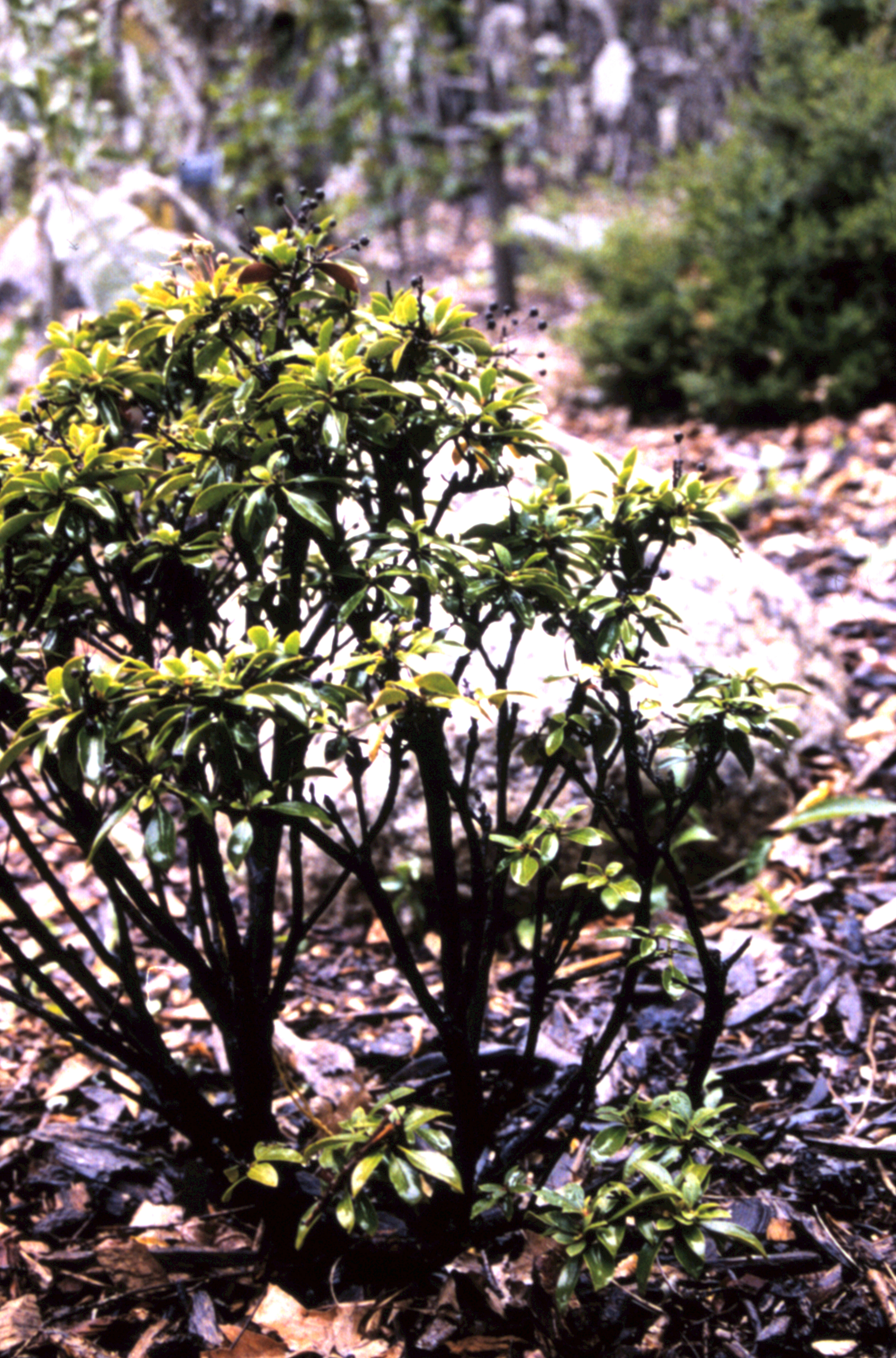
Another mountain laurel working its way toward death.

Another mountain laurel working its way toward death.

   I’m not saying you should never plant any of these, and it doesn’t mean I hate them. So don’t get mad if your favorite shrub made my “wouldn’t-plant-again” list.

   Feel free to add your own non-favorite shrubs by using the comment button below.

   Here goes… my Bottom 10 Shrubs for central Pennsylvania:

   1.) Mountain laurel (Kalmia). I can’t grow one of these to save my life, and from what I’ve seen in hundreds of other yards, neither can you. Our state flower does fine in the woods when its seed finds a site to its liking. But in our baked-clay yards, it suffers and croaks most of the time.

   2.) Heath/Heather (Erica/Calluna). When Longwood Gardens gave up trying to grow these, I knew it wasn’t just me. Heaths and heathers manage to grow in nearly solid rock and other horrific sites so long as the conditions are acidic and free from wild temperature extremes. They do exceedingly well in Scotland and England, but we often get shades of Alaska in winter and weeks worth of Dallas in summer. In other words, we’re not Scotland. Some people manage to keep these alive. Not me.

   3.) Burning bush (Euonymus alata). Yardeners love this common shrub for its fire-engine red foliage in fall. In my experience, that lasts about 3 days before the leaves blow into the gutter. The trait that turns me against the burning bush, though, is its bad seeding manners. Gobs of unwanted babies can pop up most anywhere, including in untended areas where they can choke out native and more enviro-useful vegetation.

Read More »


Bottom 10 Perennials

September 24th, 2013

   Last week I told you about the 10 annual flowers that rate at the bottom of my “would-plant-again” list.

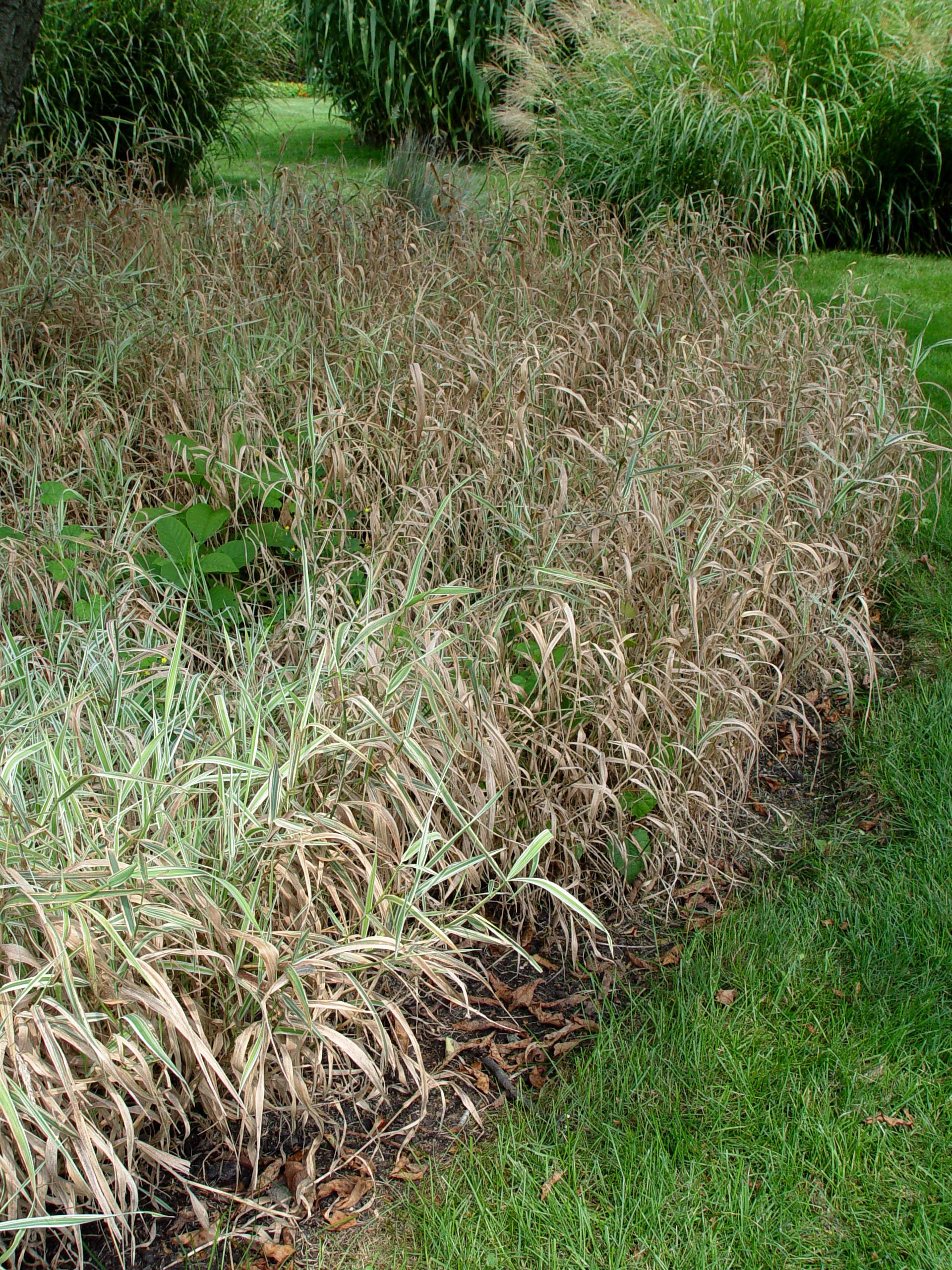
Ribbongrass on the march.

Ribbongrass on the march.

   This week it’s perennials’ turn.

   Remember, I’m not saying you should never plant any of these, and it doesn’t mean I hate them. (OK, maybe it does in some cases.)

   These are ones I’ve had no luck with and/or that, in my mind, have at least one serious drawback.

   Fire away with your own non-favorites by using the comment button below.

   Here are my Bottom 10 Perennials for central Pennsylvania:

   1.) Ribbongrass (Phalaris). I’m still traumatized by my early-years experience of putting this neighbor pass-along grass into a perennial garden. It didn’t run everywhere, it sprinted. It’s the Usain Bolt of invasive grass plants. Don’t be fooled by the enticing variegated coloration. It took me years to get rid of it…

   2.) Bishop’s weed (Aegopodium). It’s probably a good idea to think twice about any plant that has “weed” in the name. This one is also prettily variegated but overly aggressive in any situation other than in its own mass planting in a dry-shade, root-competition setting… if even there.

   3.) Chameleon plant (Houttuynnia). This tri-colored creeper completes the invasive trifecta. Once again, very alluring in a pot, but it sprints faster than you can rein it in. It’s fine contained in a pot in a water garden, but on land, stay on top of it or be sorry.

Read More »


Bottom 10 Annuals

September 17th, 2013

   I spend a lot of time telling people about my favorite plants and some of the best new or under-used varieties worth trying.

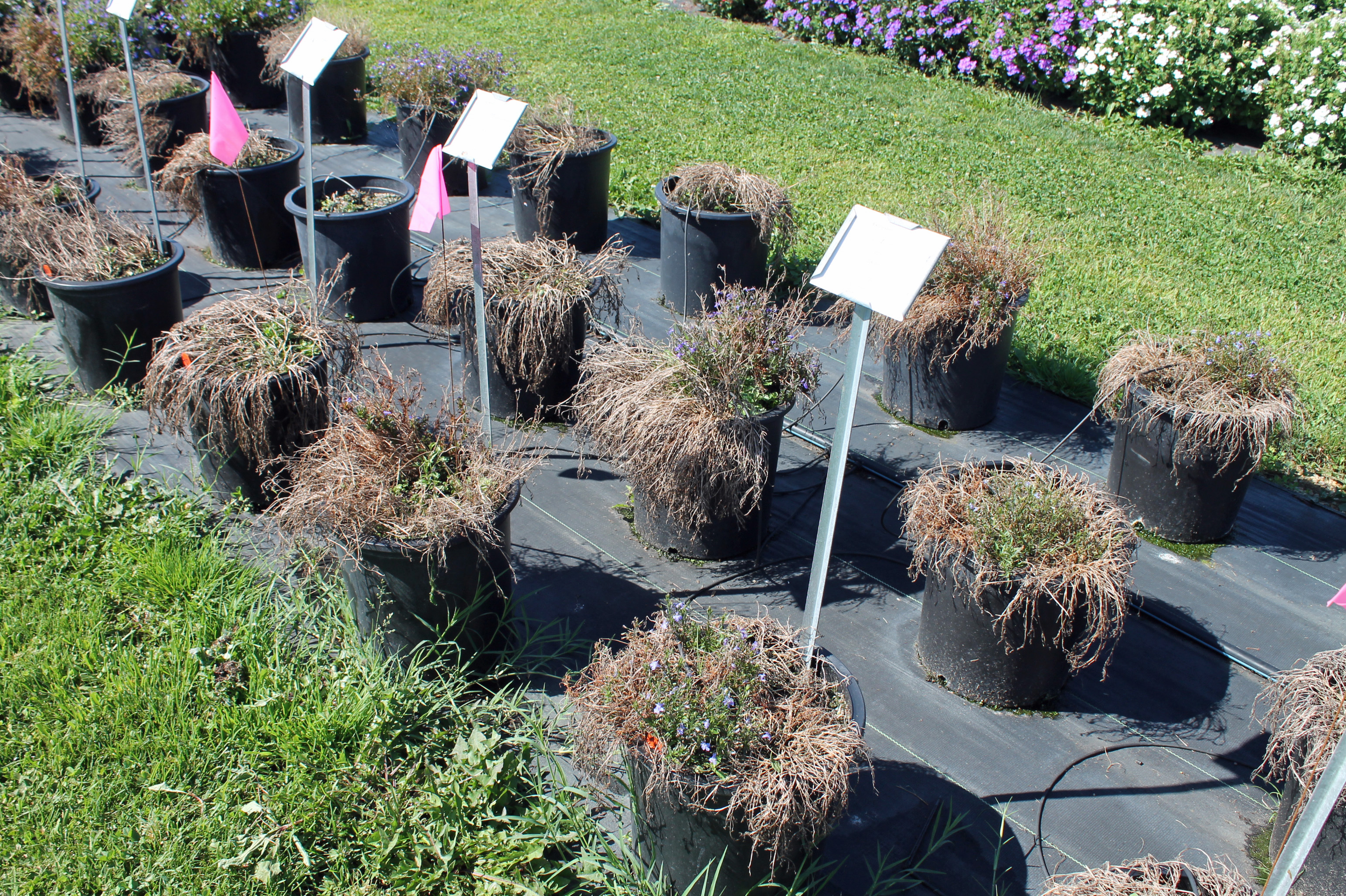
It's not just me. Here's what the pots of lobelia look like at Penn State's Trial Gardens in August.

It’s not just me. Here’s what the pots of lobelia look like at Penn State’s Trial Gardens in August.

   What I don’t spend as much time talking about is plants at the other end of the spectrum – the wimps, the bug magnets, the feeble bloomers, the uglies and the easy-to-kills.

   Knowing those can be just as helpful at plant-picking time as knowing the latest and the greatest.

   So for the next three weeks of fall-planting season, I thought I’d share my opinions on the dogs of the central-Pennsylvania landscape world.

   I’ll start with my “Bottom 10 Annual Flowers” today, move on to my “Bottom 10 Perennials” next week, and finish off with my “Bottom 10 Shrubs” the week after that.

   Just because a plant has made the list doesn’t mean I’m saying you should never plant it. It also doesn’t mean I hate these plants or that I’ll hold you in disrepute if I see any of them growing in your yard.

   I’m sure your lists would be different. In fact, feel free to fire away with your own non-favorites by hitting the comment button at the bottom of this list.

   The 30 plants on my three lists come from my own personal experience with them and the assorted faults and shortcomings I observed that were enough to convince me to cross them off my “would-plant-again” list.

   So for what it’s worth to you, here’s my pick of Bottom 10 Annual Flowers:

   1.) Pansies and violas. I can’t keep either of these out of the rabbits’ mouths for more than 5 minutes after I plant. Which is just as well because the ones I’ve struggled to protect fry to a crisp by July anyway… even the supposedly heat-tolerant ones.

   2.) Lobelia. These dainty bloomers look so enticing in the greenhouse with their deep blue flowers. But like pansies, they don’t like our summer heat and at the least shut down flowering – if not croak altogether. At least the rabbits don’t eat them.

Read More »


« Older Ramblings and Readlings Newer Ramblings and Readlings »

  • Home
  • Garden House-Calls
  • George's Talks & Trips
  • Disclosure

© 2026 George Weigel | Site designed and programmed by Pittsburgh Web Developer Andy Weigel using WordPress