
• Home
  • Contact
  • Site Map
George Weigel - Central PA Gardening
  • Landscape 1
  • Landscape 2
  • Landscape 3
  • Landscape 4
  • Garden Drawings
  • Talks & Trips
  • Patriot-News/Pennlive Posts
  • Buy Helpful Info

Navigation

  • Storage Shed (Useful Past Columns)
  • About George
  • Sign Up for George's Free E-Column
  • Plant Profiles
  • Timely Tips
  • George’s Handy Lists
  • George's Friends
  • Photo Galleries
  • Links and Resources
  • Support George’s Efforts


George’s new “50 American Public Gardens You Really Ought to See” e-book steers you to the top gardens to add to your bucket list.

Read More | Order Now


George’s “Survivor Plant List” is a 19-page booklet detailing hundreds of the toughest and highest-performing plants.

Click Here


Has the info here been useful? Support George’s efforts by clicking below.


Looking for other ways to support George?

Click Here

George's Current Ramblings and Readlings

Stretching the Limits?

December 23rd, 2014

Other than the grocery store and plant places, I don’t do a lot of shopping.
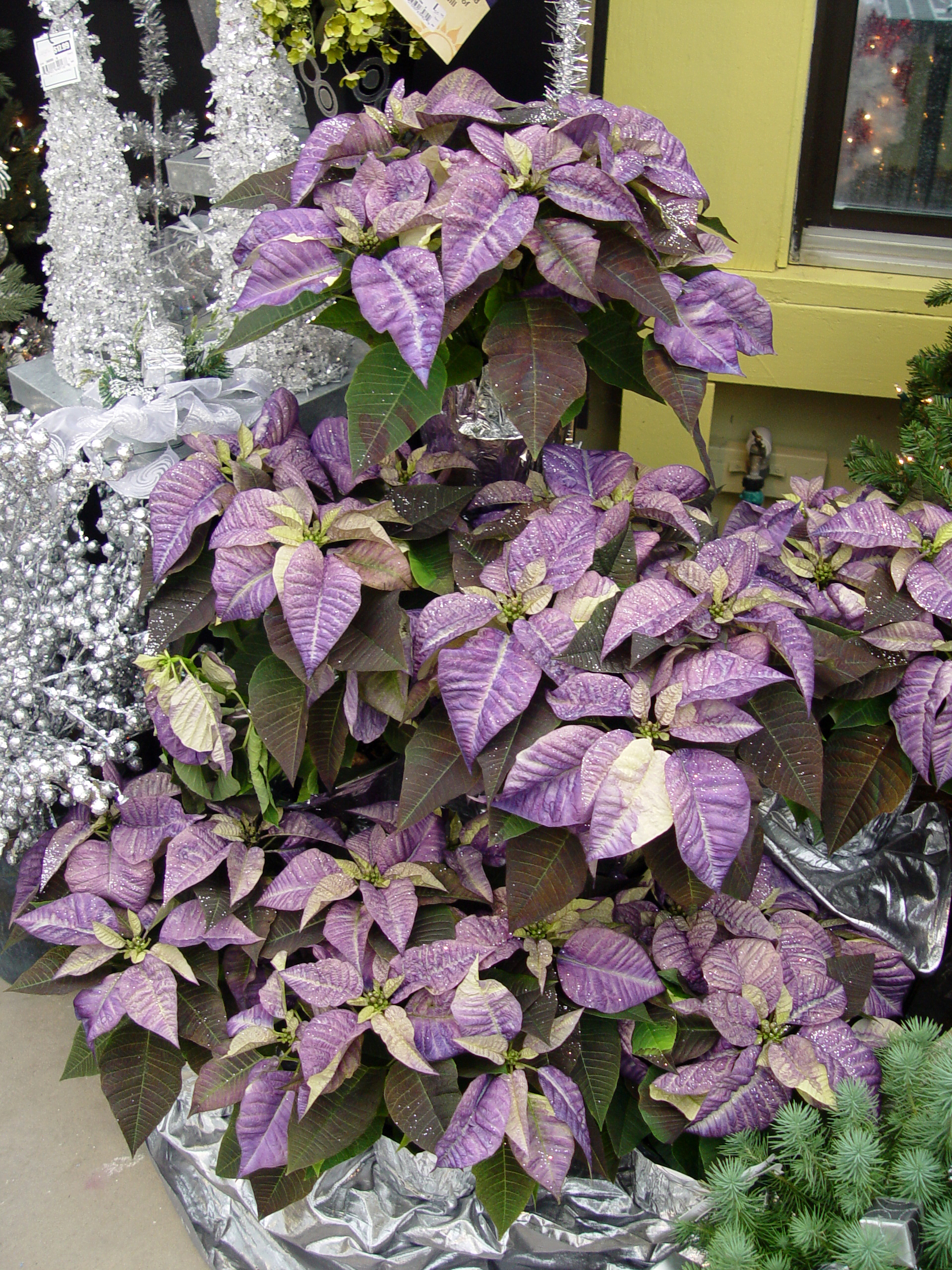
A purple improvement or plant sacrilege?

A purple improvement or plant sacrilege?

So when it comes to unnecessary-product knowledge, I’m probably way out of touch. I have no idea how many things I need because I don’t know they exist.

But in my travels this month to scope out the latest in gifts for gardeners, it occurred to me that the gardening marketplace is not immune from over-stretching in the never-ending effort to sell something new, something different or something just a little more convenient.

The best known example is the poinsettia, which I’d argue has been more abused in the name of consumerism than any other plant.

For decades, growers have crowded cuttings in too-small pots, sprayed them with growth regulator to keep them compact, and shipped them off to stores as cheap throw-aways. And that’s before we get our hands on them.

The cross-the-line part, though, was a dozen or so years ago when someone came up with the idea of spray-dying the bracts. That meant you could instantly change a poinsettia’s color to, say, Penn State blue or Ravens’ purple.

Dyed poinsettias became all the rage for awhile. Some people loved them. Others thought it amounted to plant sacrilege. Dyed ones are still around, although more of a niche now.

Me? I really like most of the new varieties that have come along in the last 20 years and especially the new hot-pink ‘Luv U Pink’ type that popped up everywhere this December. But spray-dying poinsettias just seems unnatural to me.

You might guess, then, that I’m not a fan of the Color Fuze orchids that soon followed painted poinsettias. These are white orchids that have been infused with colored dye to make the flowers look like they’re deep blue or royal purple.

This isn’t quite as blatant as getting out an aerosol can, but it’s also kind of “cheating.”
Read More »


5 Holiday Plants You Can Keep Going

December 16th, 2014

The Christmas tree is on its death bed the second it’s cut in the field.

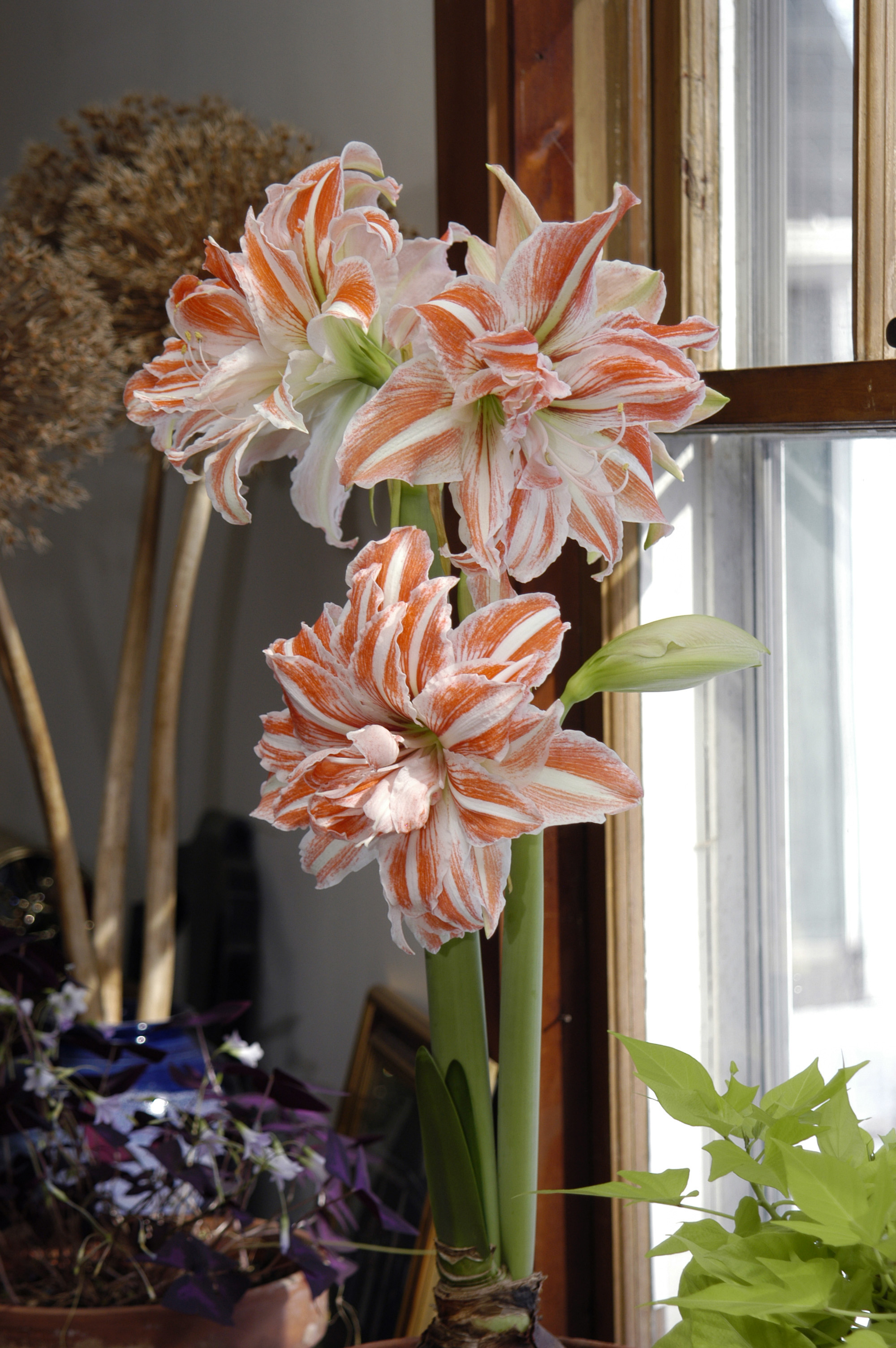
Amaryllis is one holiday plant you can keep going for years. This one is a double one called 'Dancing Queen' from Colorblends. (Credit: Colorblends Inc.)

Amaryllis is one holiday plant you can keep going for years. This one is a double one called ‘Dancing Queen’ from Colorblends.
(Credit: Colorblends Inc.)

Poinsettias are bred as throw-away plants.

But what about the other holiday plants that end up as home décor or gifts this time of year?

It’d be nice if they served a longer purpose beyond December.

A lot of them will with only limited gardener skill.

The trick is picking plants that are both interesting enough for holiday gifting and/or decorating and tough enough to survive the typical abuse of a dry-air, limited-light, living-room pot.

Have it both ways with these five holiday survivors:

* Amaryllis. Other than the poinsettia, this non-cold-hardy South American bulb is our second favorite holiday plant – available in garden centers and mass merchants everywhere.

Take the easy route by buying amaryllis that are already potted and about to flower, but it’s almost as easy to start those seemingly lifeless brown orbs from scratch.

Just set them with the very bottom of the bulb in a pot with drainage holes that’s filled with potting mix. Keep damp, and within days, green shoots will emerge. Within 4 to 6 weeks, you’ll get one or more clusters of showy, trumpet-shaped, tropical flowers.

Instead of tossing them after bloom, just cut off the flowering stalks. Keep the leafy growth near a sunny window, and treat it like a houseplant. Keep the soil damp (never soggy), and give the plant a monthly dose of liquid, balanced fertilizer.

Come mid to late May, move your amaryllis plant outside. Get it used to the outdoors gradually over a week or so, then either plant it in a sunny spot or grow it as an outdoor potted plant all summer.

In late September, cut off all foliage, dig the bulb, and store it inside – dry without soil. Temperatures around 50-55 are ideal, but I’ve just tossed amaryllis bulbs on a work bench in the garage and had them survive.

After letting the bulb “rest” dormant for 6 to 8 weeks, pot it up inside to start a new cycle.

* Christmas cactus. These are flowing, flowering plants – usually grown in hanging baskets – that look their best when bought new under ideal conditions in a greenhouse.

Read More »


The Life of a Christmas Tree

December 9th, 2014

If you’ve ever watched a back-yard fir turn brown as toast in an August heat wave or a spruce get eaten alive by bagworms, you have a glimpse into the life of a Christmas-tree grower.

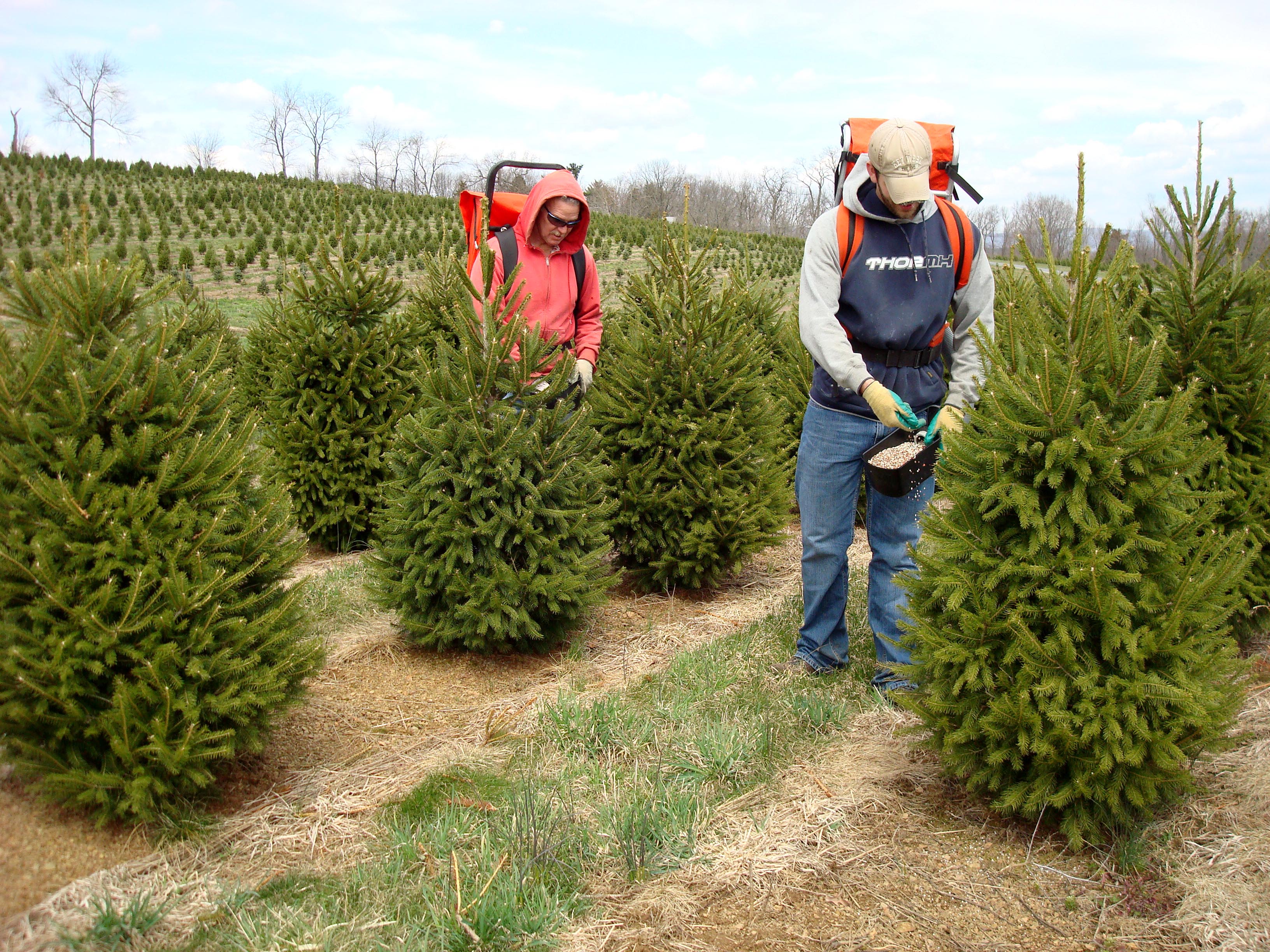
Rod and Tyler Wert fertilize a stand of young Christmas trees at their Blue Ridge Christmas Tree Farm in Lebanon County.

Rod and Tyler Wert fertilize a stand of young Christmas trees at their Blue Ridge Christmas Tree Farm in Lebanon County.

Rows of perfectly trimmed evergreens might magically materialize this time every year, but it’s no easy feat getting them there.

Growing a conifer for Christmas use involves an array of year-round work over the average 7 years it takes to nurse a tree from sapling to cuttable size.

And much can wrong in that time… bugs, disease, weed assault, root-rotting in week-long deluges, deer browsing and much more.

It’s a wonder any are left to sell by the end of the 7 years.

One of the misconceptions about live, cut Christmas trees is their origin.

Generations ago, people and tree-sellers would go into the woods to cut whatever they could find.

These days, virtually all cut trees you’ll find for sale originated on a Christmas-tree farm. They were planted specifically for “harvest” as a Christmas-time product, much as corn or soybeans are planted for consumption.

So if you’re averse to cut trees because it seems like a cruel massacre of nature’s gift, scratch that off the concern list. Without demand for cut trees, all of those Fraser firs wouldn’t have been planted in the first place.

As you might’ve noticed in your own yard, conifers are picky about where they’ll grow.

Specifically, most of them don’t like “wet feet.” The roots of most firs, pines and spruce will rot in just a few days of soggy soil.

That’s why Christmas-tree growers look for well drained fields with ample soil depth, often on slightly hilly land that gets good air flow.

Read More »


Attack of the Plant Police

November 11th, 2014

The letter from the Washington lawyer came both to me and the top management of Pa. Media Group, which publishes my garden writings in The Patriot-News and on Pennlive.com.

Don't forget the "R" symbol... or else!

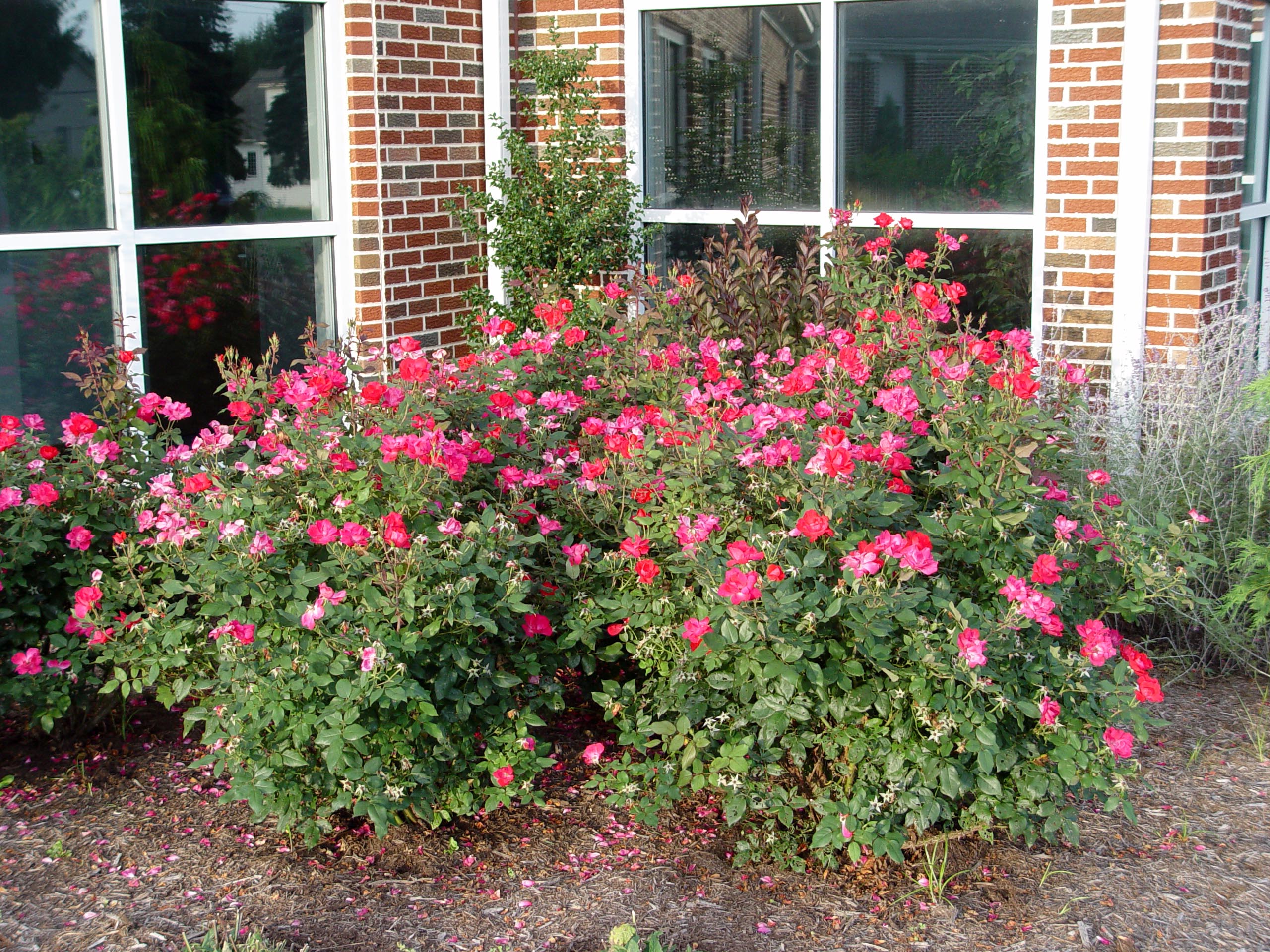
Don’t forget the “R” symbol… or else!

We were being accused of “misusing” the Knock Out® rose name in a 2012 blog post and were being given 10 days to correct it.

The letter didn’t say, “Or else what,” but we got the point.

Our crime? Enclosing the rose’s name in single quotes as opposed to using all capital letters with the little “R” registered-trademark symbol next to it.

That’s right, gardeners. The plant world now has punctuation police, and if writers don’t use the plant name the way the company wants it used, we might get a lawyerly threat.

In this case, Pa. Media Group’s New York lawyer assured us that companies can’t dictate how third-parties, such as media, choose to punctuate product names (so far).

In other words, you can’t get sued for saying Kleenex instead of KLEENEX®-brand tissue in a newspaper article.

That this kind of letter would happen in the first place really perplexed and concerned me.

The perplexing part is why a plant company would send a nasty legal letter to the very writers who help make its products a success.

Why not more of a courteous educational appeal? I’m thinking something from the company like, “Thank you for mentioning KNOCK OUT® roses. We appreciate your help in making it such a popular plant. Here’s our dilemma/concern and here’s what you can do to help. Could you please blah blah blah… Thanks for your cooperation.”

My concern was how many of these letters Conard-Pyle’s lawyer was sending out and to whom. I kept picturing a fledgling blogger or Facebook or Pinterest poster getting a similar letter and worrying about getting sued or having his/her site shut down for punctuation abuse.

In our case, it “only” wasted multiple executives’ time and cost money in paying the New York lawyer to answer the Washington lawyer.

My bigger concern was that to avoid future letters like this, publishers would just advise garden writers to stop mentioning specific plant names (which is where we were headed).

Or worse yet, to just get rid of the whole, fluffy, non-essential, trouble-causing field of garden-writing altogether (which many papers have done in the last 10 years for economic reasons).

Fortunately, Conard-Pyle’s president, Steve Hutton, cleared this one up in a hurry with an apology.

Read More »


A Nut to Behold

November 4th, 2014

Maples usually get top billing in the fall-color department, and I can’t disagree after seeing some of the beauties on display these past couple of weeks.

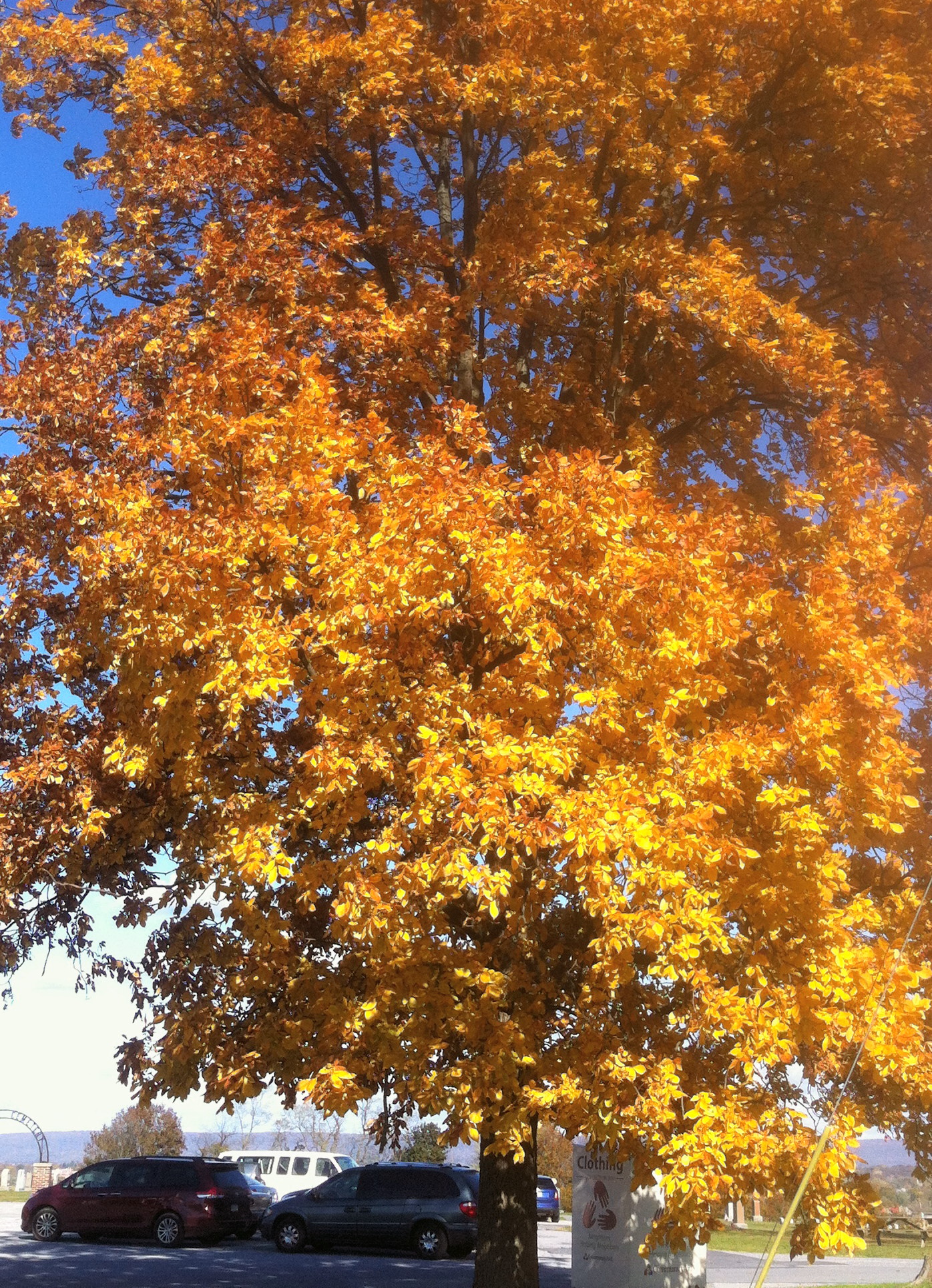
A shagbark hickory in full fall golden glory against a blue-sky backdrop.

A shagbark hickory in full fall golden glory against a blue-sky backdrop.

But this is the first year I really took notice to another tree that hardly anyone mentions on their top fall-foliage list – our native hickory.

I saw one on the way to church last weekend. There it was at the top of an apartment-complex driveway in Lower Allen Twp., literally glowing rich-gold and framed spectacularly by a deep blue sky.

What a specimen it was – every bit as head-turning as a sugar maple or blackgum and just as big at about 50 feet tall.

It was so impressive that I got out of the car to check it out up close and verify what it was. I believe it was a shagbark hickory (Carya ovata), distinctive for its four-winged nuts and shingle-like or shaggy bark (hence the name).

Despite its fall beauty, native origin, ease of growth and tasty nuts, hardly anyone plants a hickory in their yard – or any nut, for that matter.

The very trait that attracts nut-lovers is the same one that repels your typical homeowner – the falling nuts.

Nut-lovers consider hickories a gift of nature that sell for upwards of $20 a pound – when you can even find them. They’re pricey and not widely available in stores because they’re so hard to get out of their shells.

For a homeowner, though, a hickory is considered “messy, “ something to be avoided anywhere near civilization and patios. Gazillions of nuts in their dark hulls can drop over a few-week period, “defiling” the lawn, attracting squirrels and maybe even plunking folks in the head.

So it goes. What’s a plus to one is a negative to another. I won’t condemn you for either point of view. (I can find plenty of other stuff to condemn you for!)

Read More »


« Older Ramblings and Readlings Newer Ramblings and Readlings »

  • Home
  • Garden House-Calls
  • George's Talks & Trips
  • Disclosure

© 2026 George Weigel | Site designed and programmed by Pittsburgh Web Developer Andy Weigel using WordPress