
• Home
  • Contact
  • Site Map
George Weigel - Central PA Gardening
  • Landscape 1
  • Landscape 2
  • Landscape 3
  • Landscape 4
  • Garden Drawings
  • Talks & Trips
  • Patriot-News/Pennlive Posts
  • Buy Helpful Info

Navigation

  • Storage Shed (Useful Past Columns)
  • About George
  • Sign Up for George's Free E-Column
  • Plant Profiles
  • Timely Tips
  • George’s Handy Lists
  • George's Friends
  • Photo Galleries
  • Links and Resources
  • Support George’s Efforts


George’s new “50 American Public Gardens You Really Ought to See” e-book steers you to the top gardens to add to your bucket list.

Read More | Order Now


George’s “Survivor Plant List” is a 19-page booklet detailing hundreds of the toughest and highest-performing plants.

Click Here


Has the info here been useful? Support George’s efforts by clicking below.


Looking for other ways to support George?

Click Here

George's Current Ramblings and Readlings

The Landscape in Winter

November 13th, 2018

   Back when winter-long snow-covers were the norm, plants and their leafless skeletons were little more than different forms of white sticking out above the snowy sea.
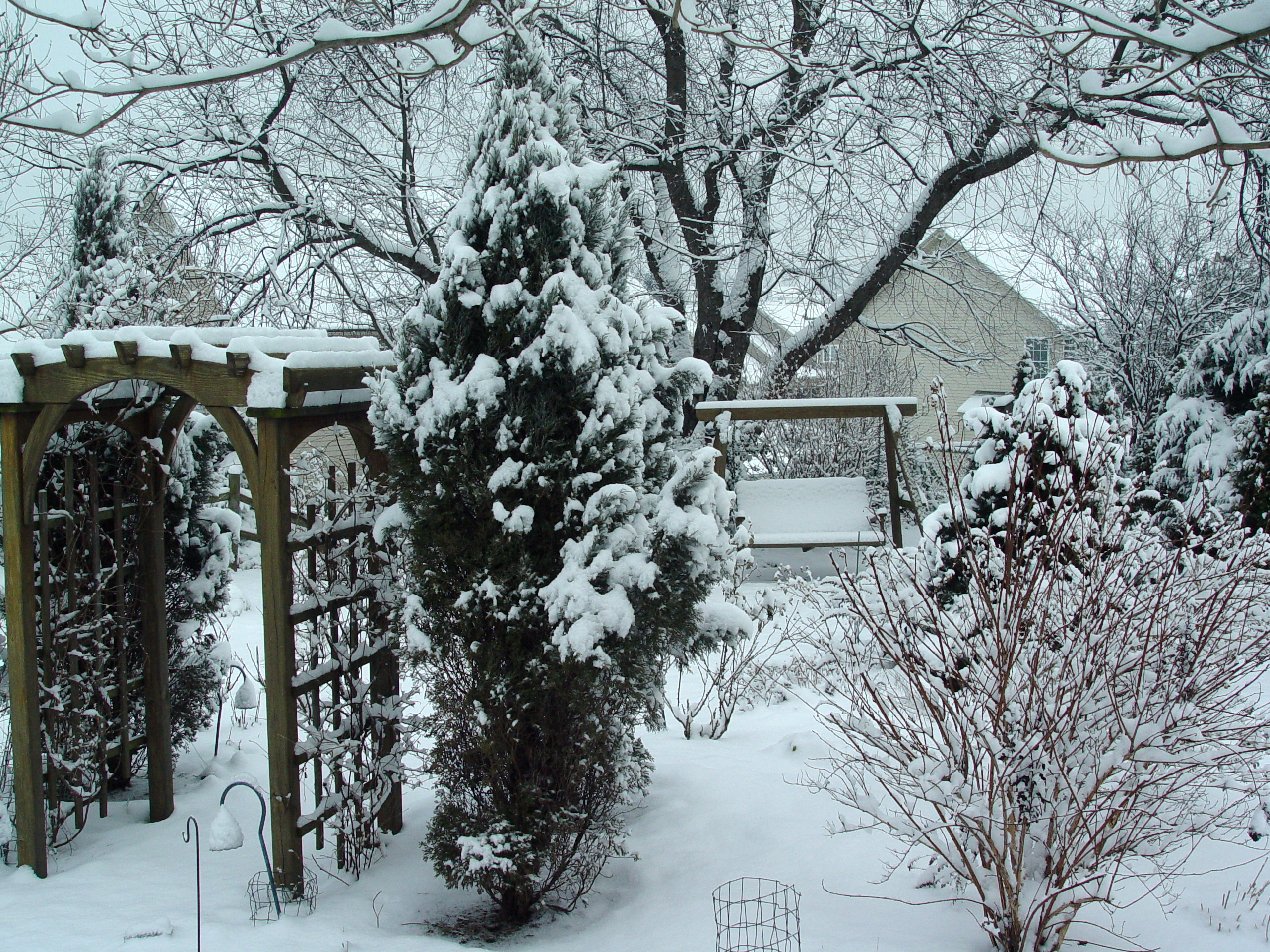
The winter landscape can make for some beautiful scenes — with or without snow.

   But now that winter typically gives us at least periodic spells of bare ground, the winter landscape is no longer a three-month write-off. Cold weather no longer means your yard is doomed to be barren.

   Free of white frosting, a surprising number of plants look pretty decent in winter. However, unless you get lucky, it takes planning to have a landscape that makes the most of our fourth and forgotton season.

   Needled evergreen trees and shrubs are the most obvious example. Relegated to background and screening status during the growing season, evergreens take on starring roles when the flowers die back.

   We have much more to pick from than just green evergreens, though. Choices also come in shades of blue and gold, not to mention a wide range of shapes, textures and growing habits.

   Blue junipers, blue spruce, concolor fir and blue cedars are needled evergreens at their best after a snow – or spotlighted at night by landscape lights.

   Golden- and yellow-needled Hinoki cypress, goldthread cypress, and junipers are superb for adding bright color during those snow-free periods when the predominant color is lifeless brown.

   Toss in broadleaf evergreens such as azaleas, rhododendrons, boxwoods, nandina, and cherry laurel, and you’ve got plenty to give structure and life to the winter landscape.

   Hollies, for instance, have attractive bluish-green leaves all winter, and the females give the bonus of red berry clusters that persist most of winter.

   Nandina is a broadleaf evergreen whose leaves turn red from late fall through much of winter.

   Many types of euonymus have white and green variegated leaves, giving a wintery feel (at least when scale insects haven’t caused the leaves to drop).

   And some types of camellias now sold at local garden centers are hardy enough to survive Harrisburg-area winters, giving us the possibility of rose-like flowers even before spring arrives.
Read More »


This Time for Real?

November 6th, 2018

   The bad news is that house we were going to buy in Monroeville turned out to have a serious mold issue, so we canceled the offer.

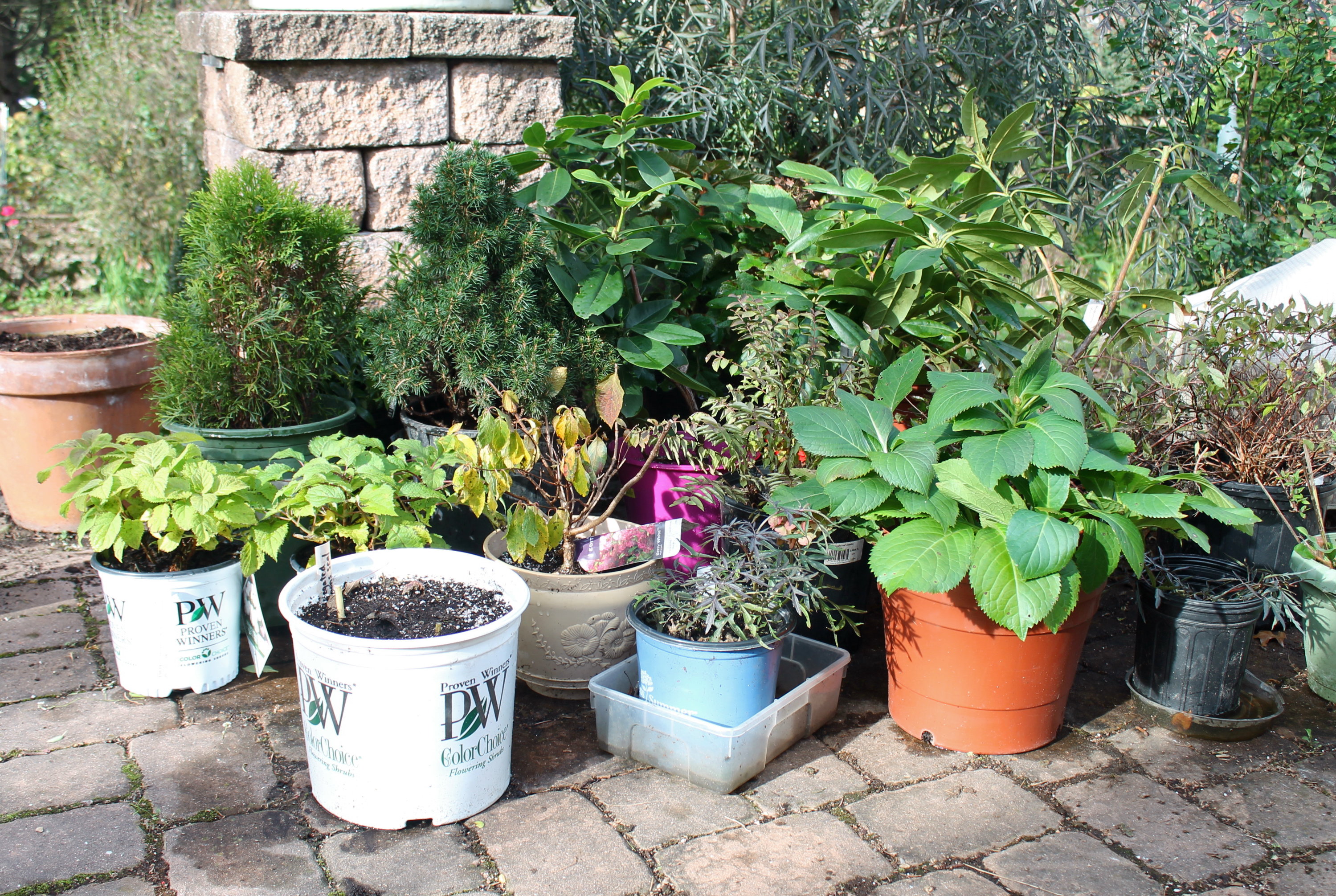
Plants from my yard are potted and ready for a move to Churchill, Pa.

   The good news is that we found another home in Churchill (about 9 miles east of Pittsburgh) that’s in a lot better shape. Things are going smoothly this time around, so if all works out, Sue and I will be moving westward in early December.

   We’re both planning to cut back on work and be closer to our grandkids in the Pittsburgh area.

   This house is a two-story Colonial on a half-acre corner lot in a fairly quiet suburban neighborhood with a lot of trees. Besides having more steps than we wanted, the worst thing I can say is that deer are lurking nearby.

   I noticed munched hostas near the garage door (gardeners look for that kind of thing) and saw a doe prancing through a front yard up the street.

   The lot is also hillier than I’d like. However, everything is on a hill in the Pittsburgh area – or worse yet, on a cliff.

   The front yard is the biggest part of the lot and is almost all grass. It’s sloped but not so much that it can’t be mowed.

   If I were younger, I’d be adding border beds and island gardens throughout it. But now that my aging body has me gardening in a lower gear, I’m planning to limit the work to maybe five trees with groundcover around them.

   The back yard is partly level and partly shaded with a bank running up to the property lines above. It looks like part of the bank was planted at one time, but now the whole thing is overgrown and covered with whatever won out.

   I don’t think the sellers were gardeners, although the lawn is in excellent shape, thanks to a lawn-care company and an irrigation system.

   The foundation plantings are also pretty blah, so I’ll have my hands full the first year improving those and tackling the bank.

   I’ll also be working on the grading around the house. Soil has settled all around so that there’s negative grading that’s been contributing to dampness in the basement.

   I’ll keep you posted on the work as I go along since these are all issues that a lot of people run into.

   As for our house in Hampden Twp., this is your last chance to let me know if you’re looking for a place with a lot of plants and gardens – or know someone who is.

   Once we move, we’d like to sell our place ASAP. I was hoping to find a gardener who might keep some/all of the gardens and actually appreciate caring for the many plants. But if that doesn’t happen, we’ll go the conventional route, hire a Realtor, and list a house with three bedrooms, a finished basement, a large back patio, and a whole lot of plants. I’m thinking of offering to come back and dig out plants for a buyer who’d rather have more lawn.

   If you’re interested in buying, email me at george@georgeweigel.net or call 717-737-8530.

Read More »


How to “Force” Bulbs

October 30th, 2018

   One antidote to the months of cold weather coming our way soon is blooming flowers.

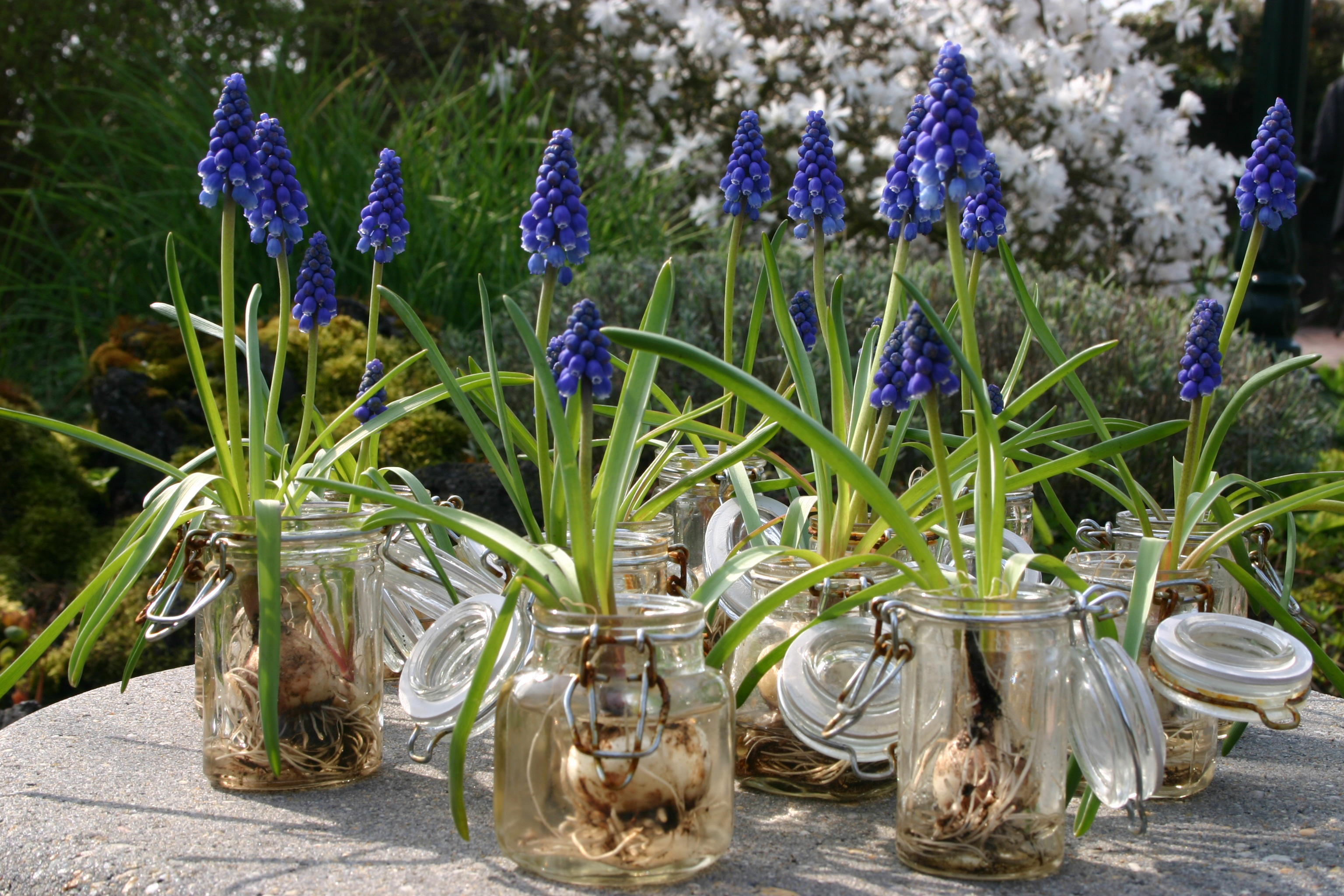
Grape hyacinths forced into bloom. (Credit: Netherlands Flower Bulb Information Center)

   You could just go out and buy some blooms whenever you’re fed up with snow and dark. Or you could get some ready yourself via the botanical trickery known as “bulb forcing.”

   Forcing involves planting and chilling bulbs in pots now, then taking them inside in winter for a floral show that’s weeks ahead of schedule.

   I do it some years, but no one does it better and knows more about bulb-forcing than New Jersey writer, speaker and photographer Art Wolk.

   Wolk has won hundreds of forced-bulb blue ribbons at the Philadelphia Flower Show over the years and wrote a 2012 book called “Bulb Forcing for the Beginner and Seriously Smitten” (AAB Book Publishing, $32.95 hardcover).

    I’ll give you his how-to highlights here, but if you end up “seriously smitten,” check out his book, which is a very fun read, by the way.

   First off, Wolk prefers to call the technique “bulb enticing.”

   “Bulb forcing is such a terrible term,” he says. “It sounds like an outright assault – as if you’re jamming botanical specimens into a pipe with a too-narrow opening.”

Read More »


How to Keep Animals from Eating Your Bulbs

October 23rd, 2018

   Most of our yards are seriously under-bulbed – probably for several reasons.

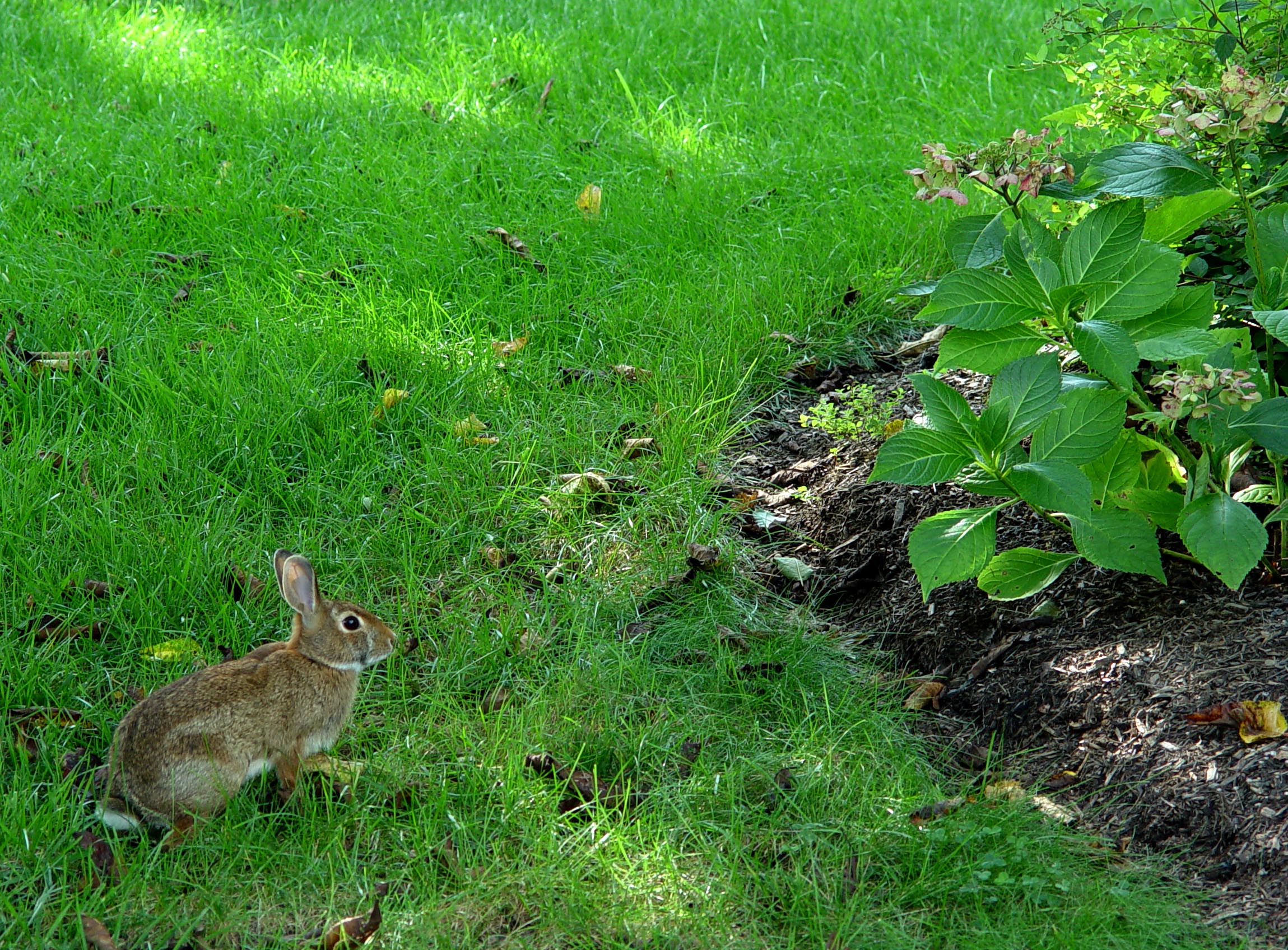
A rabbit looking for a free garden meal.

   One is that bulbs have the unfortunate trait of lacking badly on the instant-gratification scale. You plant the things in fall, then end up with a bare bed for at least 4 months before anything happens.

   Another is the cost and the work. Not many people want to invest in either, especially at a time when they presume the gardening season is over. (October and November are the two best months to plant bulbs.)

   The third big strike is that a lot of gardeners haven’t had very good luck with bulbs. They rot, get eaten, or otherwise fail to deliver for more than a year or two (the bulbs, not the gardeners).

   That last one is easier to solve than you might think… mainly because the problems trace primarily to tulips.

   Tulips are wonderful bulbs that make a brilliant display, which is why they’re the most popular of the spring-flowering bulbs.

See George’s video on how to plant spring bulbs

   However, they happen to be the most challenging to grow. Deer, rabbits, and rodents love the flavor of all parts of the tulip, and they often ruin a planting. Even when tulips don’t become animal dessert, most of them tend to peter out within a few years.

   The latter is the reason why most public gardens treat tulips as annuals – yanking them after bloom each year and planting anew each fall.

   In case you’d rather not do that, I have a better idea. Why not select your way out of trouble by scaling back on or skipping tulips and planting other bulbs that animals are a whole lot less likely to eat? More on that in a minute…

   But first, as in any warfare, it helps to understand the enemy. We’re dealing with invaders on two fronts here.

Read More »


A Virtual Tour of Our Endangered Gardens

October 16th, 2018

   Now that my wife, Sue, and I are in the process of relocating to the Pittsburgh area, we’ll be selling our Hampden Twp. house.

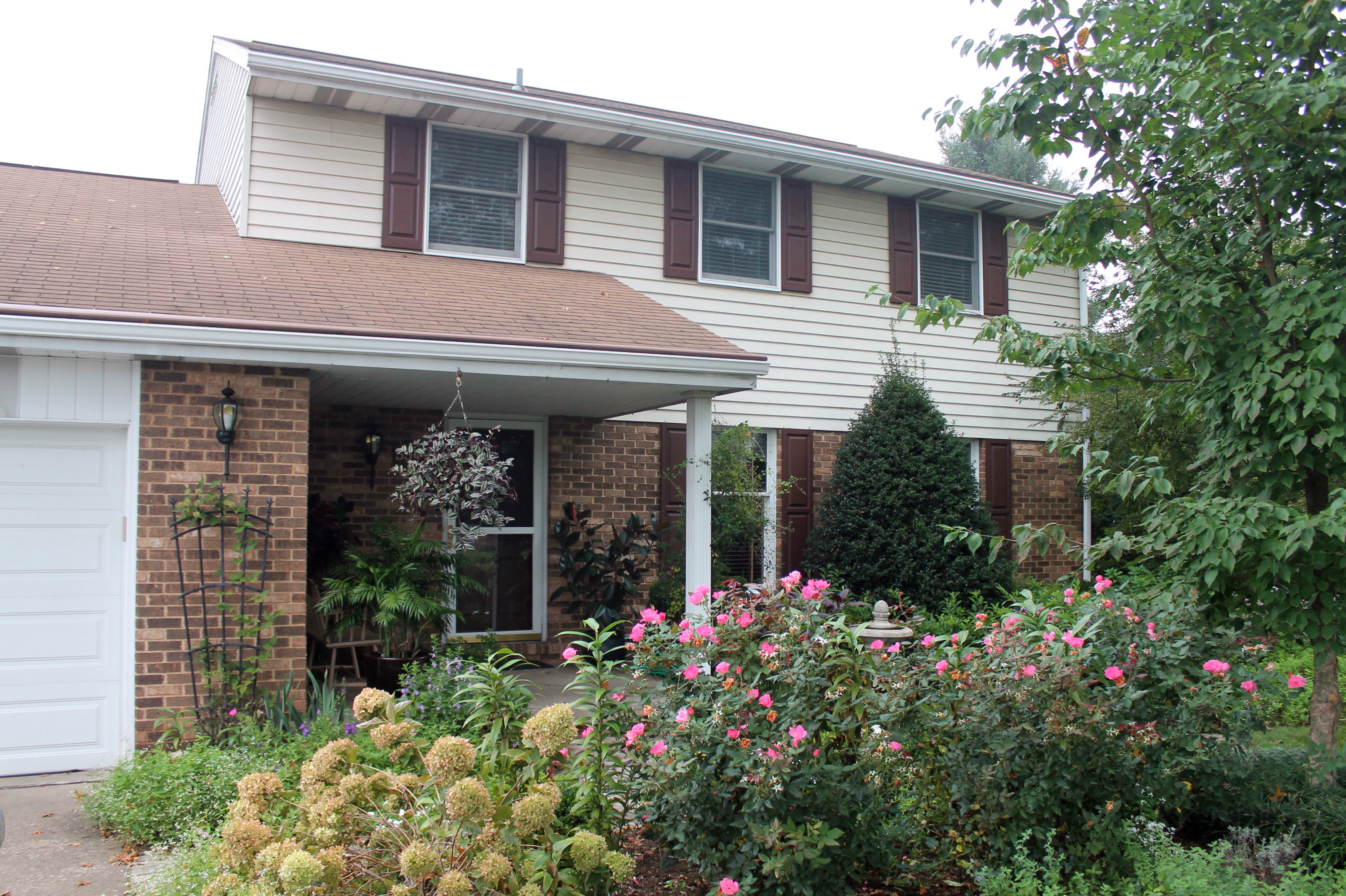
Our house is a two-story Colonial with brick and beige siding.

   We’re not sure what that means for the gardens we’ve built and tended for the past 32 years. It’d be great to find a plant-loving buyer (call me at 717-737-8530 or email george@georgeweigel.net if you’re interested or know someone who is), but if that doesn’t work out, it’s entirely possible the gardens could be gutted to make way for more lawn.

   Given that possibility, I’m snapping pictures and planning to take along a few of my more beloved and/or special plants. Fellow already-relocated gardener Cristina Papson also suggested that I take along a vial of garden soil, sort of a keepsake similar to saving ashes from a deceased loved one.

   Some of you have seen our gardens first-hand during the two times they were on Penn-Cumberland Garden Club tours. For others, I thought this might be a good time to do an online “virtual tour” so there’s something left behind if a gutting happens.

   To see 33 photos from around the yard, head to my website’s Photo Gallery section and check out the one on George and Sue’s Gardens.

   To read about more details on our house/gardens if you’re a potential buyer, see my post on “We’re moving. Want Our Gardens?”

   Our gardens really are more horticultural test lab than anything. They aren’t what I would have designed if I were trying to come up with a really nice layout.

Read More »


« Older Ramblings and Readlings Newer Ramblings and Readlings »

  • Home
  • Garden House-Calls
  • George's Talks & Trips
  • Disclosure

© 2026 George Weigel | Site designed and programmed by Pittsburgh Web Developer Andy Weigel using WordPress