
• Home
  • Contact
  • Site Map
George Weigel - Central PA Gardening
  • Landscape 1
  • Landscape 2
  • Landscape 3
  • Landscape 4
  • Garden Drawings
  • Talks & Trips
  • Patriot-News/Pennlive Posts
  • Buy Helpful Info

Navigation

  • Storage Shed (Useful Past Columns)
  • About George
  • Sign Up for George's Free E-Column
  • Plant Profiles
  • Timely Tips
  • George’s Handy Lists
  • George's Friends
  • Photo Galleries
  • Links and Resources
  • Support George’s Efforts


George’s new “50 American Public Gardens You Really Ought to See” e-book steers you to the top gardens to add to your bucket list.

Read More | Order Now


George’s “Survivor Plant List” is a 19-page booklet detailing hundreds of the toughest and highest-performing plants.

Click Here


Has the info here been useful? Support George’s efforts by clicking below.


Looking for other ways to support George?

Click Here

George's Current Ramblings and Readlings

Moving a Garden

December 18th, 2018

   Moving 32 years’ worth of inside stuff to a new house is difficult enough.

Dug and potted plants are huddled on my back patio, ready for the move to Pittsburgh.

   Moving 32 years’ worth of plants and gardens is probably nuts.

   But that’s what I’m up to these days as my wife, Sue, and I skedaddle from our house in suburban Mechanicsburg to a house near Pittsburgh that’s closer to our grandkids.

   Most people just walk away from their outside when they move. There’s seldom the personal attachments out there as with the furniture, pictures, and accents inside.

   Not in my case. I’ve planted thousands of plants in my third-of-an-acre yard over the years and know all of them by name. I can even tell you where I got almost all of them and know by heart the intricacies of what they do throughout each season.

   They’re kind of like family. So how can I leave behind my teenage Japanese umbrella pine that I raised from a baby or that gorgeous Korean stewartia that I rescued as a forked orphan from the half-price section at Highland Gardens?

   Answer: I can’t. That’s why I’ve been digging and potting a few hundred plants since October, ready to make the move west. I’m using nursery pots saved over the years and potting mix from my containers, along with some of the superb, compost-enriched garden soil that I’ve worked to build over three decades.

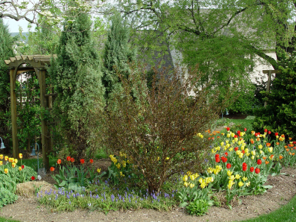
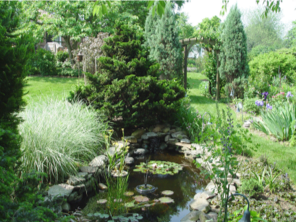
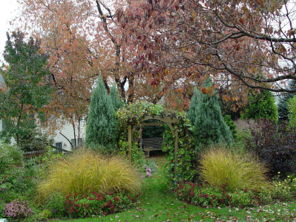
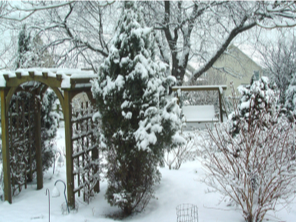
Take a “virtual tour” of George’s endangered gardens
Read More »


My New Favorite City Feature

December 11th, 2018

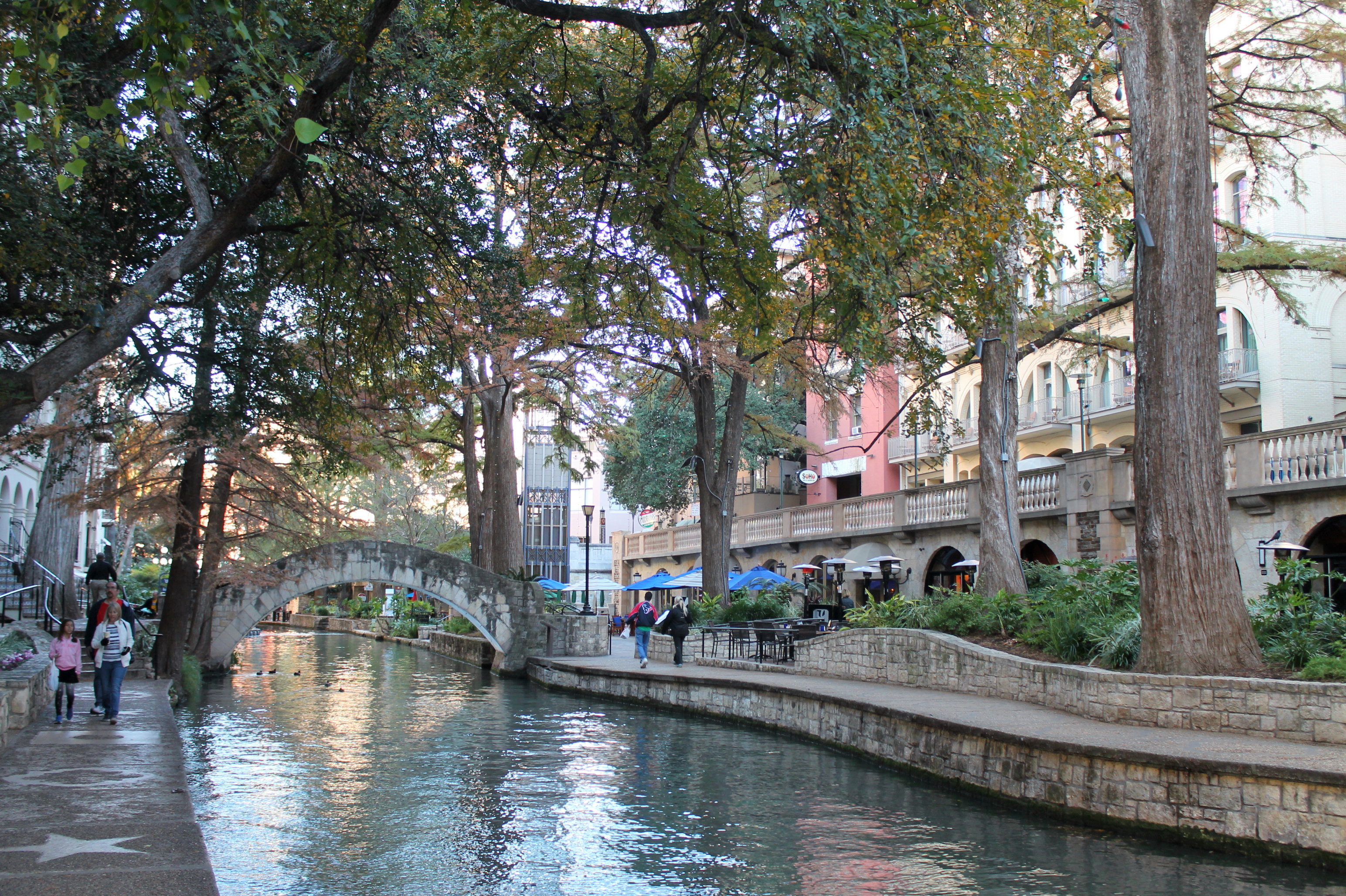
   I have a new favorite feature of any city I’ve seen anywhere – the Riverwalk in San Antonio, Texas.

The Riverwalk is a striking feature of San Antonio — my favorite cityscape anywhere.

   This lushly landscaped blend of water, food, shops, and park winds 2½ miles along the San Antonio River in the heart of Texas’s second largest city.

   San Antonio’s Riverwalk is the model for walks like this, which many cities have copied for good reason. It’s not only an early one (its roots date to a 1921 flood), but its plantings really make it special.

   The stars are the nearly century-old bald cypress trees that line both river sides and grow into a steepled canopy above the narrow, shallow water.

   Bald cypresses fall into a rare class of plants known as deciduous conifers – cone-bearing, needled plants that turn color in fall and drop their foliage each year like a maple or dogwood. That fakes out a lot of people who think their “evergreens” have died.

   Despite its southern location, San Antonio does have fall foliage. It’s not as broad and striking as ours, but there IS fall color in Texas.

   It comes about a month later than our fall-foliage show, which means those Riverwalk bald cypresses were in prime burnt-gold mode for the garden tour that Lowee’s Group Tours and I ran at the end of November.

See my photo gallery of pictures from the November 2018 San Antonio tour.

   San Antonio offered more than the Riverwalk and the Alamo – its most famous attraction. (The Alamo could use some landscaping… it’s pretty bare out front!)

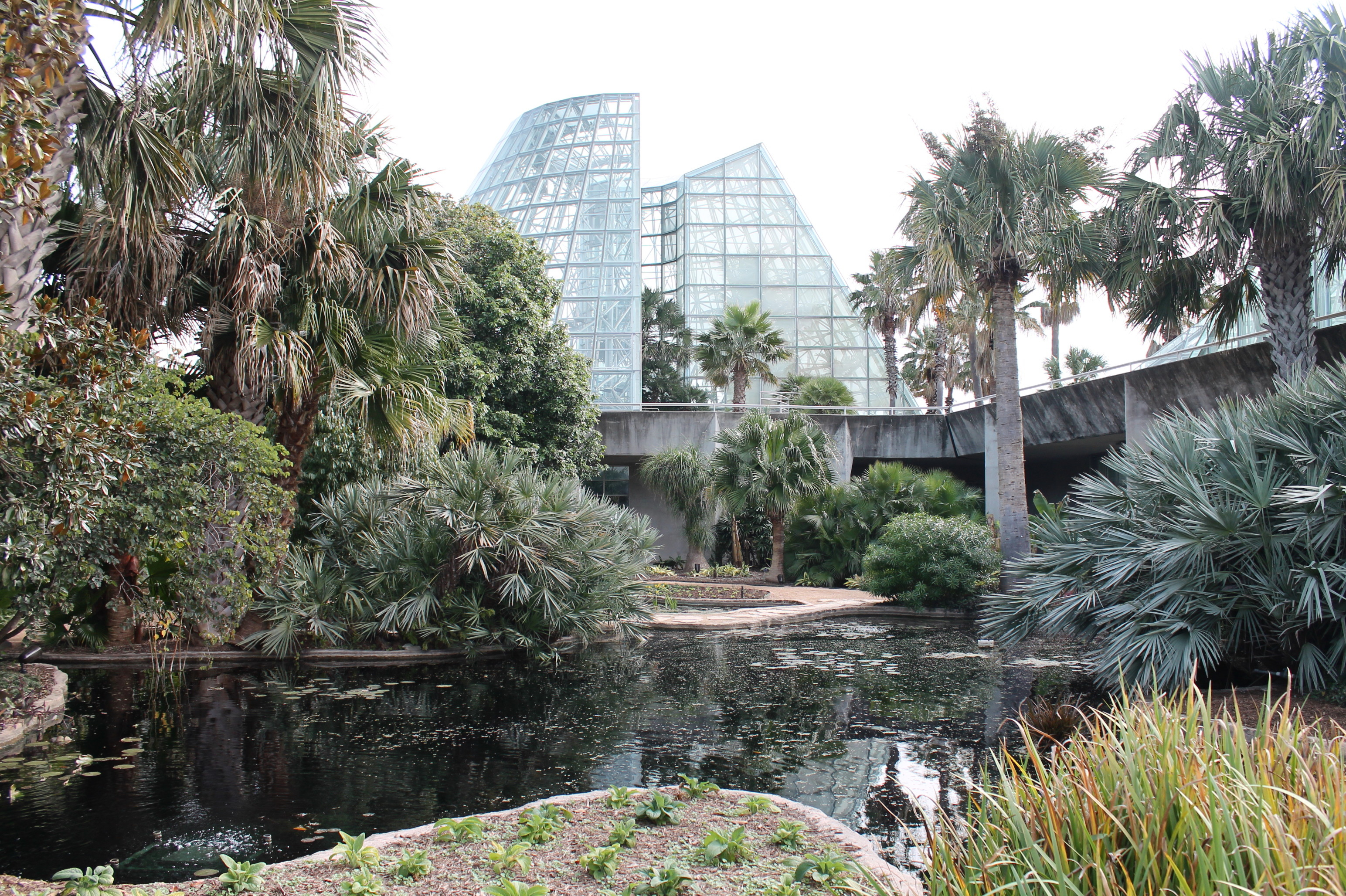
The five-glasshouse Halsell Conservatory is the best feature of San Antonio Botanical Garden.

   For gardeners, there’s the 38-acre San Antonio Botanical Garden, a fairly new (1980) collection of display gardens, glasshouses, and trails.

   The Lucille Halsell Conservatory is the highlight there. It’s actually a five-glasshouse futuristic conservatory village with a courtyard and pond in the middle.

   Each house features a different setting of tender plants, including desert plants, a foggy fern grotto, tropical plants, and a palm and cycad house.

   The 2½-acre Adventure Garden is also a strong suit at SABG. Kids can play in cactus-roofed little huts, wind their way through a muhly-grass maze, and walk down “Thunder Ridge,” a long, rocky canyon that sometimes channels water to mimic a Texas thunderstorm.

Read More »


A Year in the Life of a Christmas Tree

December 4th, 2018

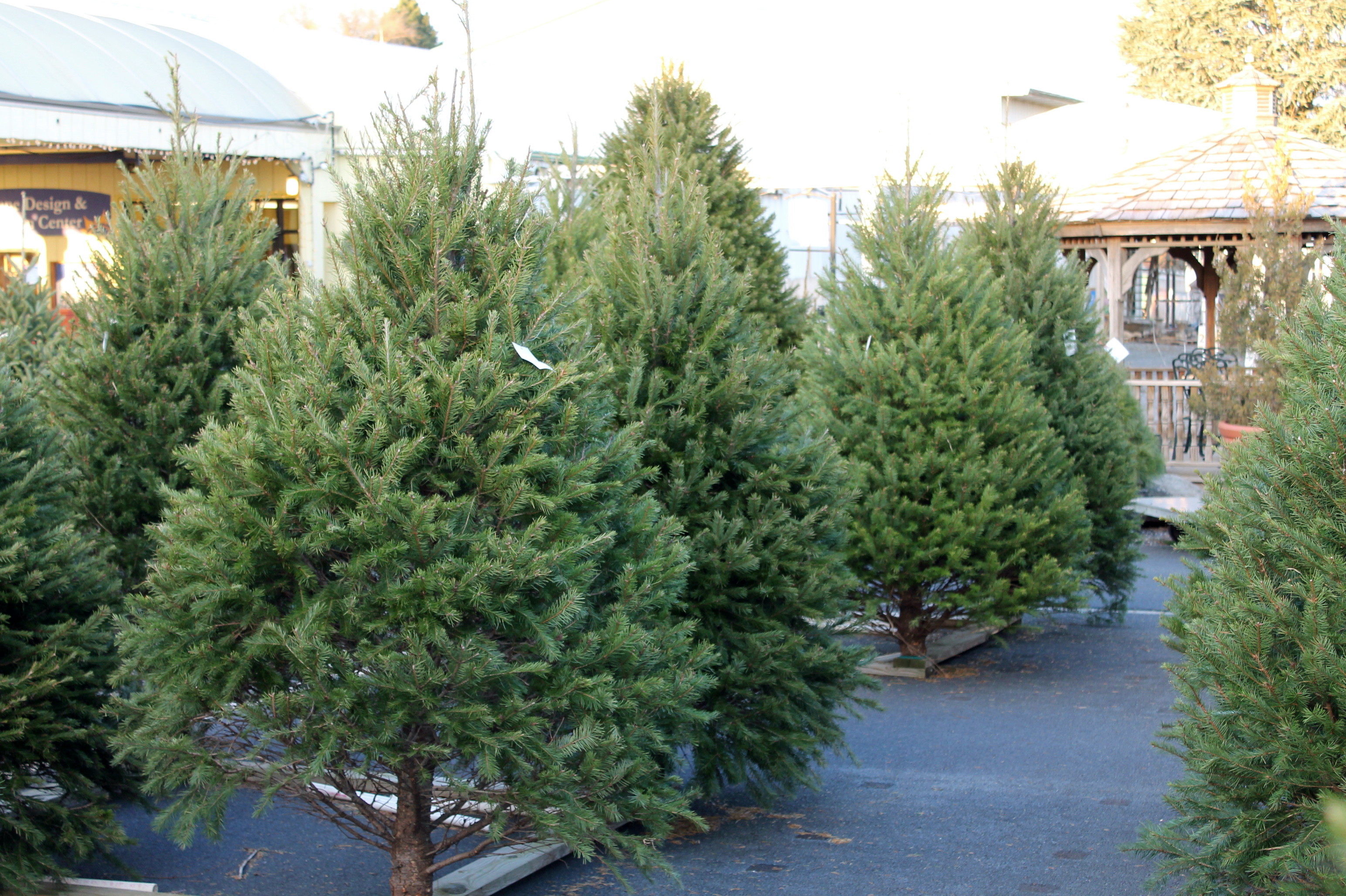
   We take for granted all of those Christmas trees that magically show up in retail lots and in garden centers this time of year.

It’s not easy to get conifers to this point…

   It’s not easy to grow a fir or a pine or a spruce – as if I have to tell any of you that who have seen your conifers rot in this soggy season or succumb to assorted bugs and blights.

   Christmas-tree growers run into the same challenges. A few years ago, I talked to Rod Wert, who’s been growing Christmas trees for nearly 30 years at his 140-acre Blue Ridge Christmas Tree Farm in Lebanon County, about the average seven-year ordeal of babying a conifer from seedling to cut Christmas tree.

   Here’s what I wrote for a Patriot-News column…

   Rod Wert knows as much about firs and pines and spruce as anyone. Yet he’ll tell you that growing them is anything but easy or reliable.

   One look at his pile of dead Fraser firs, and you get the point.

   “When we bought this farm, the whole thing was in corn,” says Wert. “And it was gorgeous corn. But growing corn and growing trees is two different things.”

   So much can go wrong with conifers.

   They rot in wet soil. Young ones die in dry soil.

   Some are quick to get fatal root diseases. Others are prone to diseases that make the needles drop.

   Bugs are a threat to all of them.

Read More »


Beyond Poinsettias

November 27th, 2018

   The old-favorite red poinsettia is no longer the only way to color your holidays.

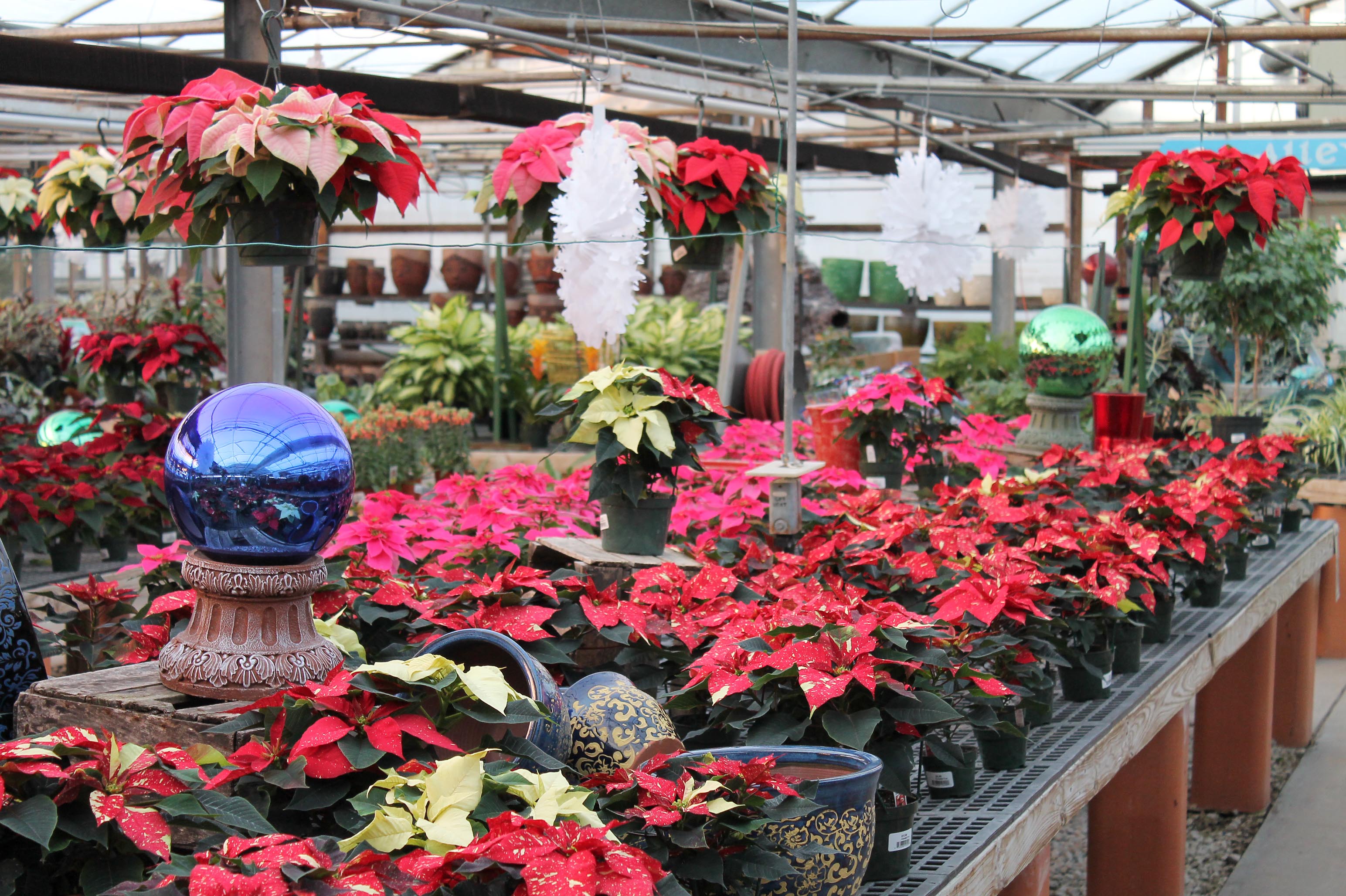
Red poinsettias are still our favorite Christmas plant, but it’s far from the only choice.

   Although this red-bracted Mexican import is still America’s top-selling potted plant, lots of other plant choices have elbowed their way into the Christmas market.

   Watch in these coming weeks as garden-center plant benches color up with the likes of everything from amaryllis bulbs to December-blooming orchids to roses forced into flower.

   It’s amazing how much variety growers have been able to throw at us at a time of year when you’d think most plants would be hibernating.

   Through the magic of greenhouse heat, artificial lighting, and the ability to fly in plants from all parts of the globe, we have almost as much color choice in December as in May.

   People like color in their lives.

   It brightens our darkening days, reminds us of warmer times, and is especially useful in decorating the house for the holidays.

   Poinsettias and other plants also make ideal hostess and holiday gifts.

   In other words, the demand is there.

   Once upon a time, red was the Christmas color – and to a lesser extent, white (not coincidentally the two main colors of poinsettias).

   These days, anything goes, from lavender cyclamens to poinsettias spray-dyed purple, blue, and even orange.

   Believe it or not, one the hottest holiday plant sellers lately is cactus. Not the more traditional Christmas cactus with its red or hot pink trailing arms of bloom, but mini barrel cactuses with blooming “heads.”

   They come in a variety of hot colors (including red), but they’re definitely not your Grandmother’s Christmas plant.

   Also quickly catching on as a popular holiday seller: orchids.

Read More »


A Decorating Scavenger Hunt

November 20th, 2018

   Gardeners have a distinct advantage when it comes to holiday decorating.

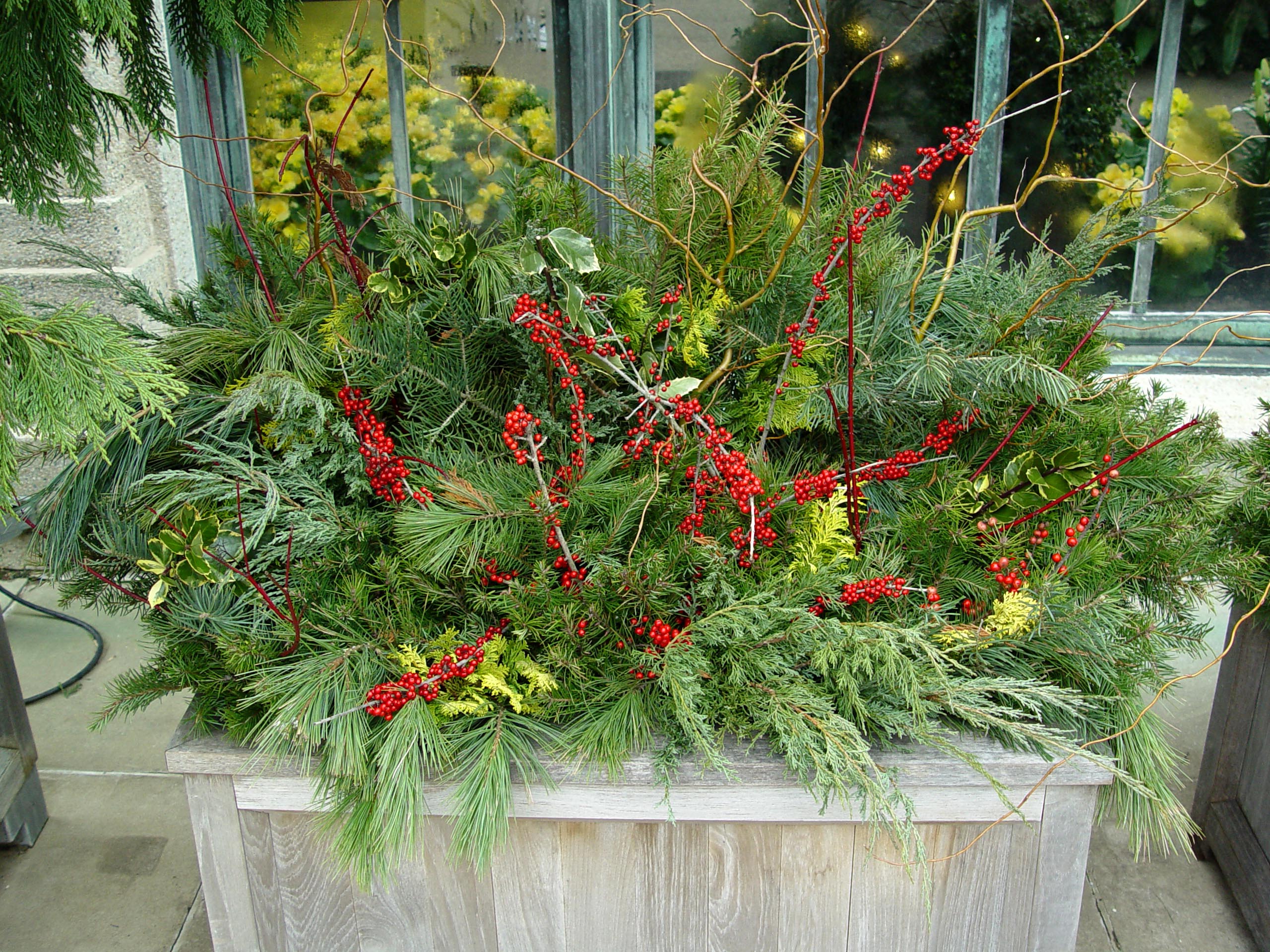
A gardener’s yard can be a treasure trove of free Christmas/winter decorations.

   Yards filled with plants other than grass and yew bushes are virtual treasure troves for “harvesting decorations.”

   Wreath clippings from the firs, red-berried twigs from the hollies, and fallen cones from pines are just some of the bounty that’s free for the taking.

   Some people even cut their own Christmas trees from the back yard each December. You won’t get a tree any fresher.

   If you’re a creative and crafty sort, gatherings from around the yard are the raw materials for a limitless line of decorations. You’ll likely run out of materials before you run out of ideas.

   Before starting your decorating this season, take a look around outside. Most yards have at least a smattering of fresh materials that can be cut or collected to make attractive wreaths, swags, and holiday pots.

   You might find pods, nutlets and such already on the ground.

   Take your pruners to clip the rest, such as dried flowers from the hydrangea bushes, berried twigs from the hollies, and the mainstream of branch clippings from the needled evergreens.

   If you’re using these materials as outside decorations, there’s no need for any special treatment.

   If you’re using them inside, soak needled evergreens in water for a day ahead of time to make sure they’re well hydrated, and consider spray-painting or using hairspray on dried plant parts to help keep them from cracking apart.

   Ready to try your hand at holiday scavenging and repurposing? Here are 12 ideas to get you started:

Read More »


« Older Ramblings and Readlings Newer Ramblings and Readlings »

  • Home
  • Garden House-Calls
  • George's Talks & Trips
  • Disclosure

© 2026 George Weigel | Site designed and programmed by Pittsburgh Web Developer Andy Weigel using WordPress