
• Home
  • Contact
  • Site Map
George Weigel - Central PA Gardening
  • Landscape 1
  • Landscape 2
  • Landscape 3
  • Landscape 4
  • Garden Drawings
  • Talks & Trips
  • Patriot-News/Pennlive Posts
  • Buy Helpful Info

Navigation

  • Storage Shed (Useful Past Columns)
  • About George
  • Sign Up for George's Free E-Column
  • Plant Profiles
  • Timely Tips
  • George’s Handy Lists
  • George's Friends
  • Photo Galleries
  • Links and Resources
  • Support George’s Efforts


George’s new “50 American Public Gardens You Really Ought to See” e-book steers you to the top gardens to add to your bucket list.

Read More | Order Now


George’s “Survivor Plant List” is a 19-page booklet detailing hundreds of the toughest and highest-performing plants.

Click Here


Has the info here been useful? Support George’s efforts by clicking below.


Looking for other ways to support George?

Click Here

George's Current Ramblings and Readlings

2019 Pennsylvania Garden Show of York Blooms This Weekend

February 28th, 2019

   “Flowers on Parade” is the theme of the 2019 Pennsylvania Garden Show of York, which runs Friday through Sunday (March 1-3, 2019) in the York Expo Center’s Memorial Hall, 334 Carlisle Road, York.
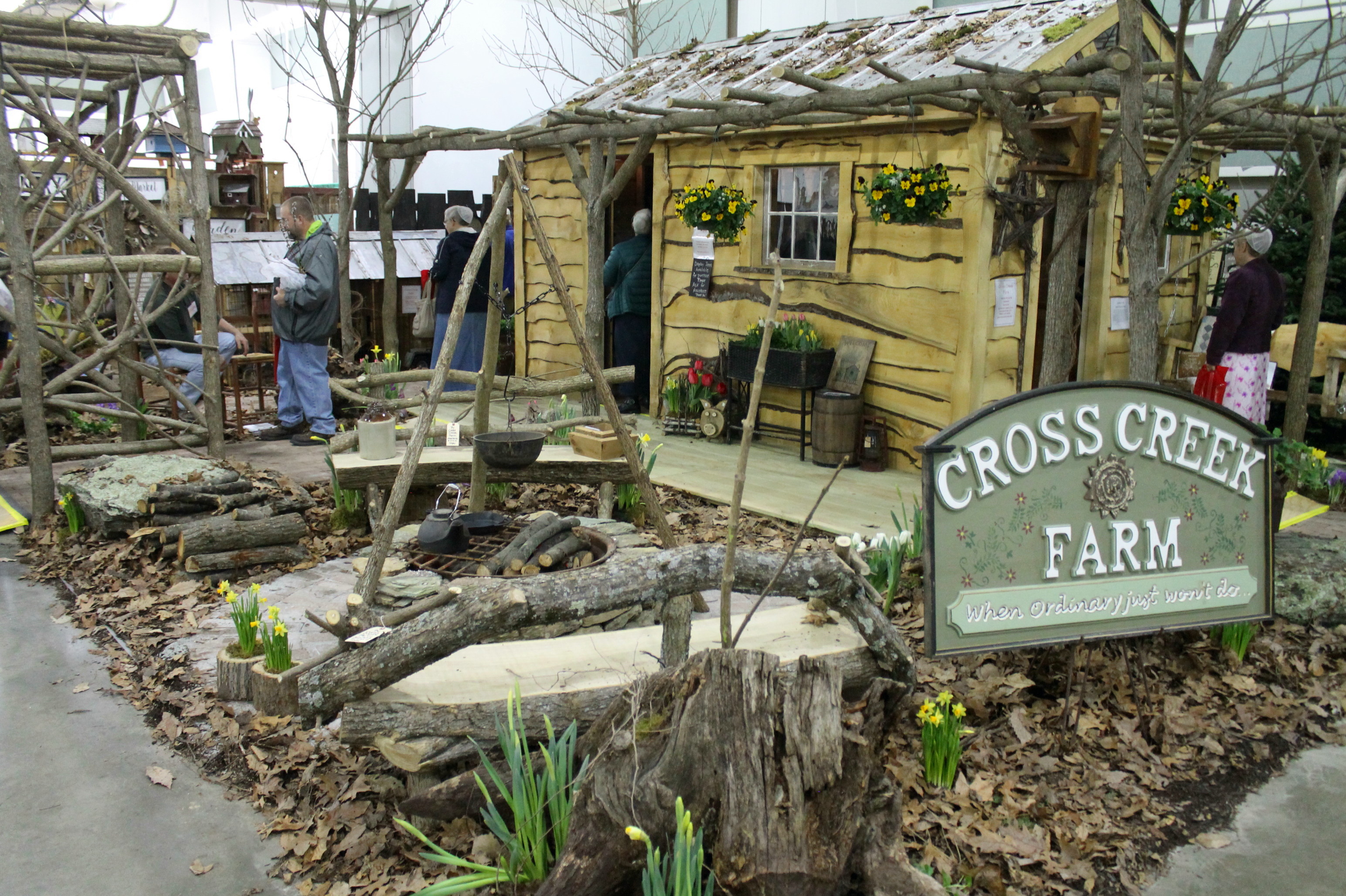
Here’s Cross Creek Farm’s display from the 2018 York show.

   The 2019 show features eight display gardens built by local landscapers, a marketplace with nearly 100 home and garden exhibitors/vendors, a flower show sponsored by local garden clubs, and a lineup of seminars in two different venues.

See my video from the 2018 Pa. Garden Show of York

   Show tickets are $10 at the door for adults and $9 for members of the military and those over age 62. Children age 12 and under are free. Admission passes for all three days are $15.

   Information on other discounts and advance-sale locations are listed on the show’s ticketing web page.

   Show hours are Friday and Saturday from 10 a.m. to 8 p.m., and Sunday from 10 a.m. to 5 p.m.

   Parking is free.

   This year’s show also features a three-category photography contest, live insect demos by Ryan the Bug Man, and tea parties hosted by Red Brick Bakery Friday and Saturday (registration and extra fee for those).

   PAGSY, as it’s called for short, is divided into two main parts.

   Turn left from the main entrance to enter a Hall of Gardens that features the display gardens, seminars, and an information/education booth manned by Penn State Extension.

   Turn right to go into the Garden Market of vendors, exhibitors, and a judged garden-club flower show staged by Federated Garden Club District IV.
Read More »


Edison and Ford Were into Plants?

February 26th, 2019

   Thomas Edison, America’s greatest inventor, and Henry Ford, the father of the moving assembly line and his namesake car company, had more in common than fame, innovation, and a whole lot of money.

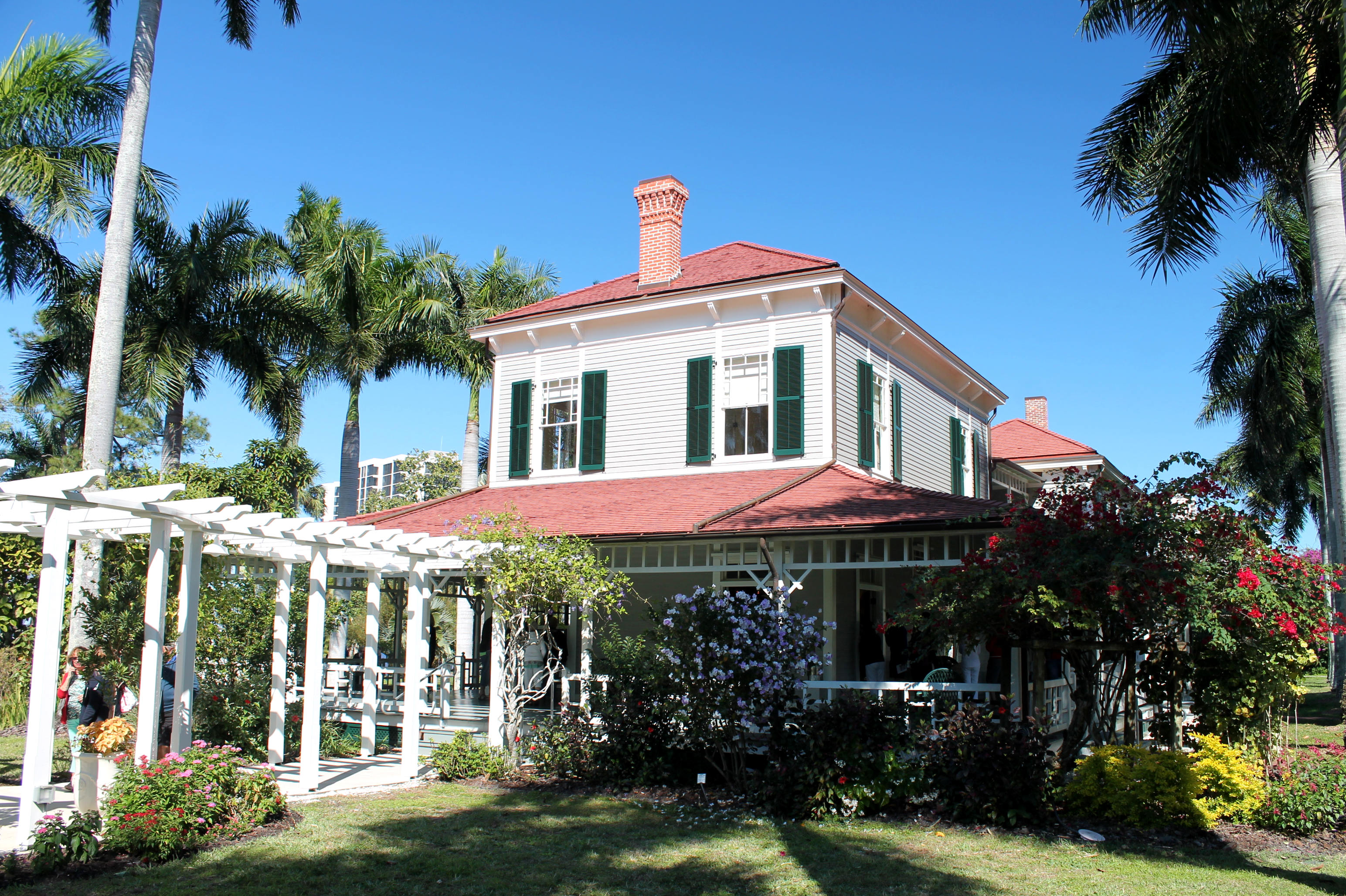
Thomas Edison’s guesthouse in Fort Myers, Fla.

   They both also were very interested in plants.

   Edison was especially keen on bamboo and thought it would make the perfect filament for his new electric light bulb. He also surrounded his New Jersey home with a fine collection of native and unusual trees.

   Ford was fascinated by the common soybean, which was an up-and-coming crop in the early 1900s. He used soybeans to make car-horn buttons and ornamentation on gearshift knobs and even wore a suit made out of soybean fiber.

   He once tried Spanish moss as stuffing in some of his Model T seats, only to find that if you didn’t adequately treat the chiggers (“red bugs”) that often infested this tree-hanging bromeliad, drivers could get some unwanted surprises in their downward-facing end.

   Ford’s wife, Clara, also was a big-time rose fancier who planted 10,000 roses in a five-acre rose garden on their Michigan estate.

   But it was in Florida where Edison and Ford paired up on a plant-related project that ultimately fizzled.

   Both Ford and Edison thought America needed a source of rubber latex that could be grown in America. They were concerned the country was too dependent on a newly important resource that was largely foreign-supplied.

   In 1927, they founded the Edison Botanic Research Corp. along with tire magnate Harvey Firestone to experiment with 17,000 plants that might be good for latex harvesting.

   The research took place at a winter property called Seminole Lodge that Edison built in Fort Myers, Fla., in the late 1880s while looking for a place to escape New Jersey winters.

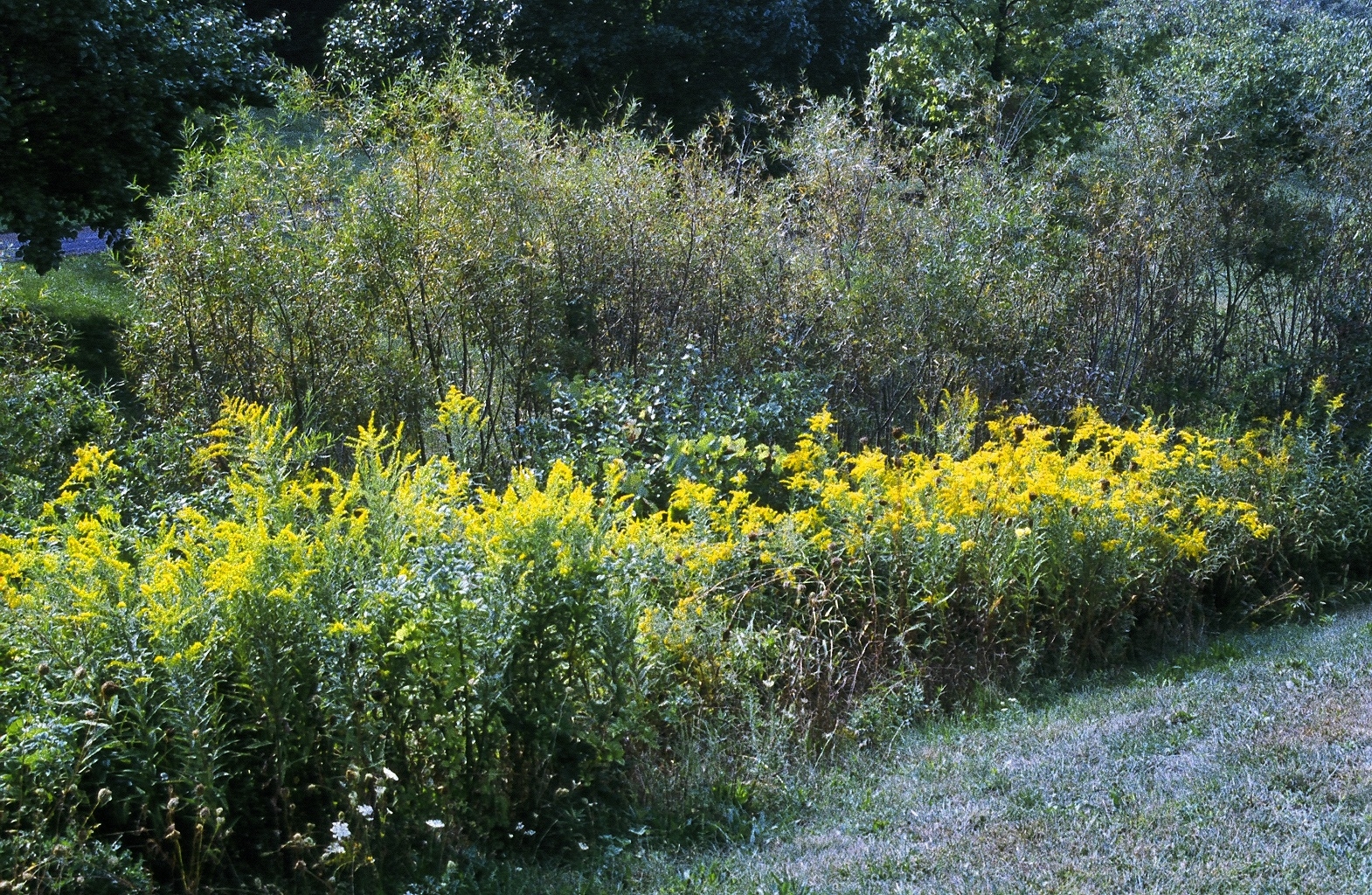
The winner of the latex experiments… goldenrod.

   Turns out the ideal source wasn’t rubber trees (Ficus) or any kind of tree or shrub, for that matter. The company’s latex plant of choice was a native perennial flower, the goldenrod.

   The finding didn’t really matter since synthetic rubber came along and ended the possibility that we all might be driving around on goldenrod tires.

   The remaining vestiges of this fascinating story can be seen on the grounds of the 20-acre Edison and Ford Winter Estates, one of America’s most visited historic-home sites and well worth seeing if you’re ever midway down Florida’s West Coast. I saw it for the first time last month.

Read More »


Gardening’s Worst Threat?

February 19th, 2019

   One gardening challenge I’ve never had to deal with is arguably the worst one: deer.

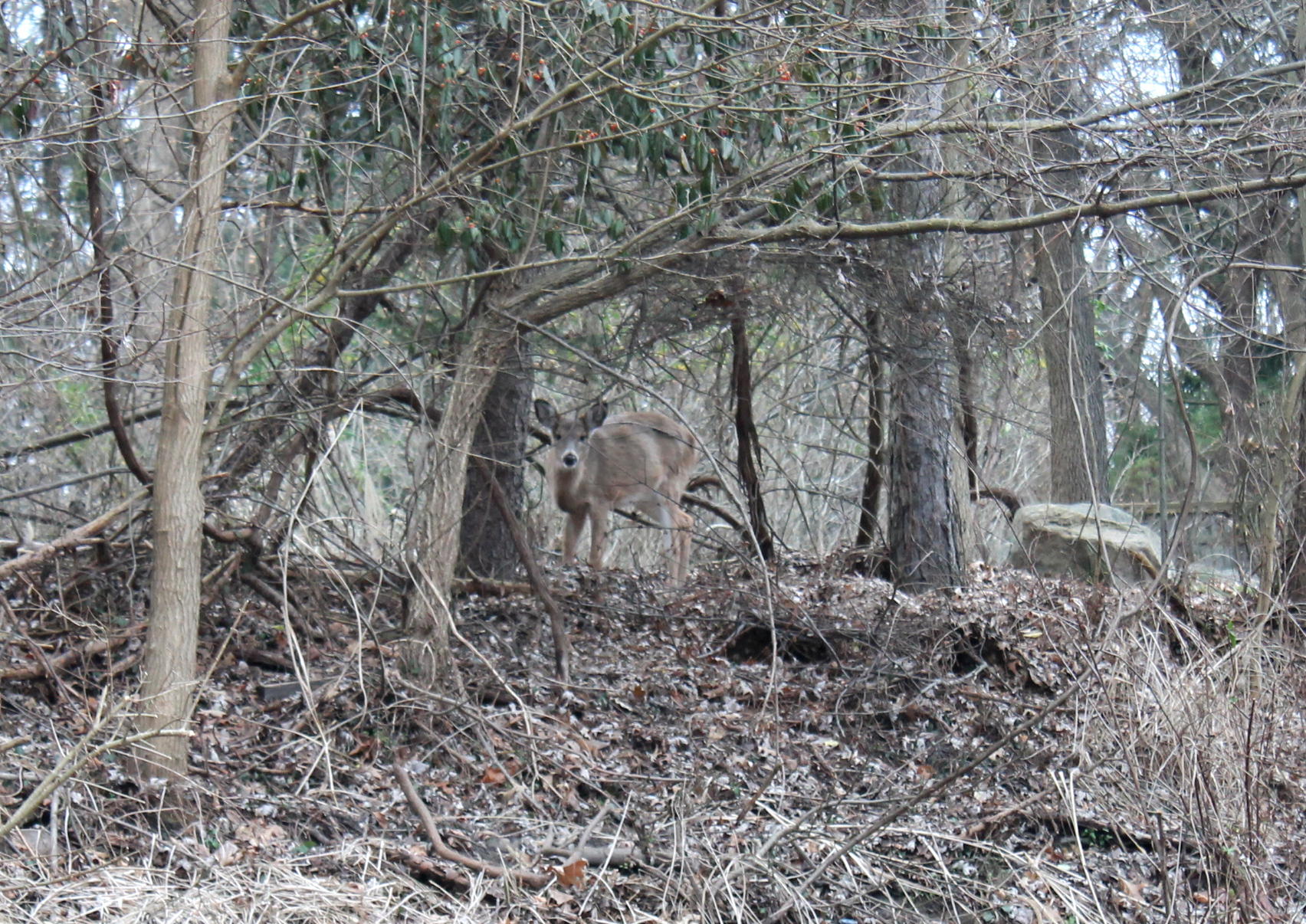
One of my new neighbors.

   These four-legged eating machines can take out half of a yard’s landscaping in a single night. And they’ve learned that people aren’t a threat but rather a sign that tasty vegetation is nearby.

   Groundhogs, voles, chipmunks, and rabbits gave me a lot of trouble in 30 years of gardening in Hampden Twp., but at least I never had to worry about deer.

   Now that my wife and I have moved to a quiet, wooded neighborhood in suburban Pittsburgh, deer are on the front burner.

   I saw chomped hosta and piles of brown “deer pellets” in the lawn while house-hunting. Then I saw a pair of does munching nonchalantly in a neighbor’s back yard while the neighbor was out mowing with a rather loud gas-powered riding mower.

   No fear at all there.

   Since moving, I’ve seen at least three deer browsing the vegetation of my new back bank.

   This is very bad news for a gardening nut who dug up, potted, and took some 200 fine plants halfway across the state.

   Before I plant any of it, I’m activating my defenses.

   That’s right… a border wall.

   My borough allows 6-foot-tall solid fences right up to the property line out back, so that’s what I’m going to do.

   Deer can jump that high, but I’ve heard they’re reluctant to jump into what they can’t see.

   I’ll find out.

Read More »


How Do They Pull Off the Philadelphia Flower Show???

February 12th, 2019

   One of the first things you’ll notice about the Philadelphia Flower Show – besides the really, really welcome 10 acres of plants blooming while it’s still winter – is how elaborate the whole thing is.

The Dutch-themed 2017 show was named best event in the world.

   We’re not talking about a collection of paver-block rectangles planted with a few daffodils and forsythias.

   The Philly show is the world’s biggest, oldest indoor flower show, and I’d wager, also the world’s most impressive.

   The 2017 Holland-themed show was named best event in the world by the International Festivals and Events Association, beating out competitors such as the Kentucky Derby Festival and the Tournament of Roses Parade.

   I don’t have to tell you that it’s hard enough to grow nice gardens outside when you have nature cooperating at least some of the time.

   Inside, the challenge is making gardens happen on concrete floors, in a matter of days, when the snow is still flying outside no less.

   It takes incredible knowledge, skill, work, and sometimes good fortune to do the kind of plant displays that the landscapers and garden-builders are famous for at the Philly show.

   People come to the Pennsylvania Convention Center from all over the world to see the 40-some display gardens and plant exhibits that get built for just 10-day lifespans the first week of each March.

See my photo gallery of pictures from the 2018 Philadelphia Flower Show

   So much of it is well beyond the norm and over the top… 30-foot waterfalls, slices of Dutch bulb fields, rain forests filled with orchids, and replicas of a flower-adorned Eiffel Tower come to mind.

   This is, after all, a show, and it’s a chance for the region’s best horticulturists and designers to display what’s amazingly possible with plants.

   The Pennsylvania Horticultural Society’s chief of shows and events, Sam Lemheney, did a talk at last year’s show in which he shared some of the details (and fears) that go into pulling off this 190-year-old show.

Read More »


10 Houseplants You’re Unlikely to Kill

February 5th, 2019

   Before you beat yourself up too much over killing houseplants, realize that no plant is native to the inside of a house.

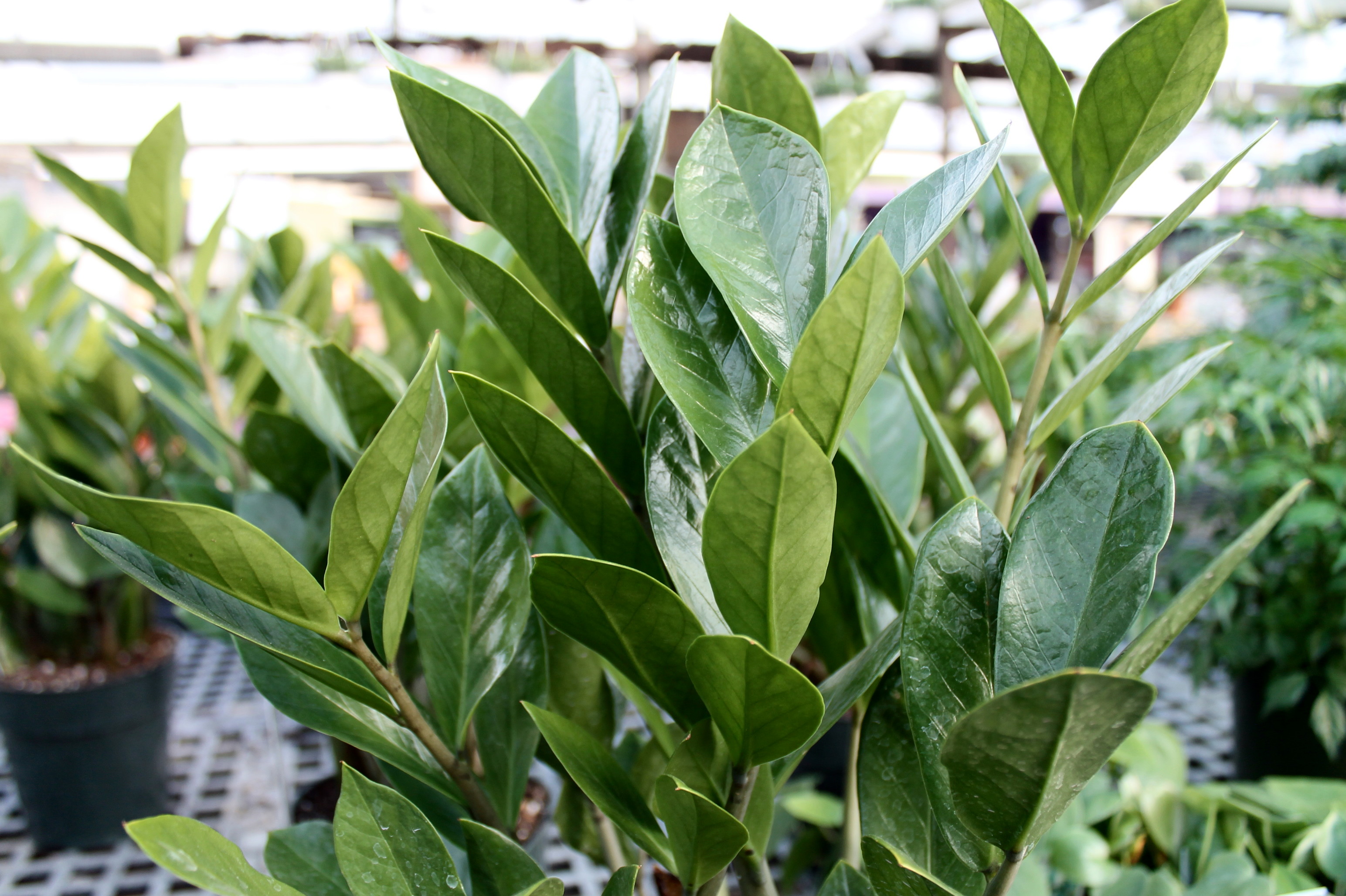
The ZZ plant is one of the hardest houseplants to kill.

   It’s a tall order to ask any plant to grow well in the sunlight-challenged and dry air of a typical central-Pennsylvania house, especially in winter.

   However, a fair number of plants are up to the challenge. For your winter-sanity consideration, I thought I’d list 10 of the toughest houseplants that also are interesting and/or useful enough to brighten your February housescaping. Just don’t overwater them…

   1.) ZZ plant (Zamioculcas zamiifolia). I’ve seen this one survive being stuck in a dark corner and ignored for a month or more.

   ZZ plants have succulent, glossy green leaves that are arranged opposite one another on the stems, giving it a ladder or stairs-like feel. It’ll grow upright slowly 2 to 3 feet or so.

   2.) Chinese evergreen (Aglaonema). Yeah, it’s a plain-Jane foliage plant, but it does give some bright color in its striped silvery-white and green variegated leaves.

   It’ll also take low light and much neglect.

   3.) Cast iron plant (Aspidistra elatior). The name ought to tell you something about this 2-foot foliage plant that looks a bit like a bushy corn plant. It laughs off very low light, irregular watering, dry air, near-freezing temperatures, dust, coffee dregs… you name it.

   Cast iron plants have dark-green, shiny, leathery leaves. ‘Milky Way’ is a compact version with white speckles.

Read More »


« Older Ramblings and Readlings Newer Ramblings and Readlings »

  • Home
  • Garden House-Calls
  • George's Talks & Trips
  • Disclosure

© 2026 George Weigel | Site designed and programmed by Pittsburgh Web Developer Andy Weigel using WordPress