
• Home
  • Contact
  • Site Map
George Weigel - Central PA Gardening
  • Landscape 1
  • Landscape 2
  • Landscape 3
  • Landscape 4
  • Garden Drawings
  • Talks & Trips
  • Patriot-News/Pennlive Posts
  • Buy Helpful Info

Navigation

  • Storage Shed (Useful Past Columns)
  • About George
  • Sign Up for George's Free E-Column
  • Plant Profiles
  • Timely Tips
  • George’s Handy Lists
  • George's Friends
  • Photo Galleries
  • Links and Resources
  • Support George’s Efforts


George’s new “50 American Public Gardens You Really Ought to See” e-book steers you to the top gardens to add to your bucket list.

Read More | Order Now


George’s “Survivor Plant List” is a 19-page booklet detailing hundreds of the toughest and highest-performing plants.

Click Here


Has the info here been useful? Support George’s efforts by clicking below.


Looking for other ways to support George?

Click Here

George's Current Ramblings and Readlings

Are New Varieties Really Better?

April 2nd, 2019
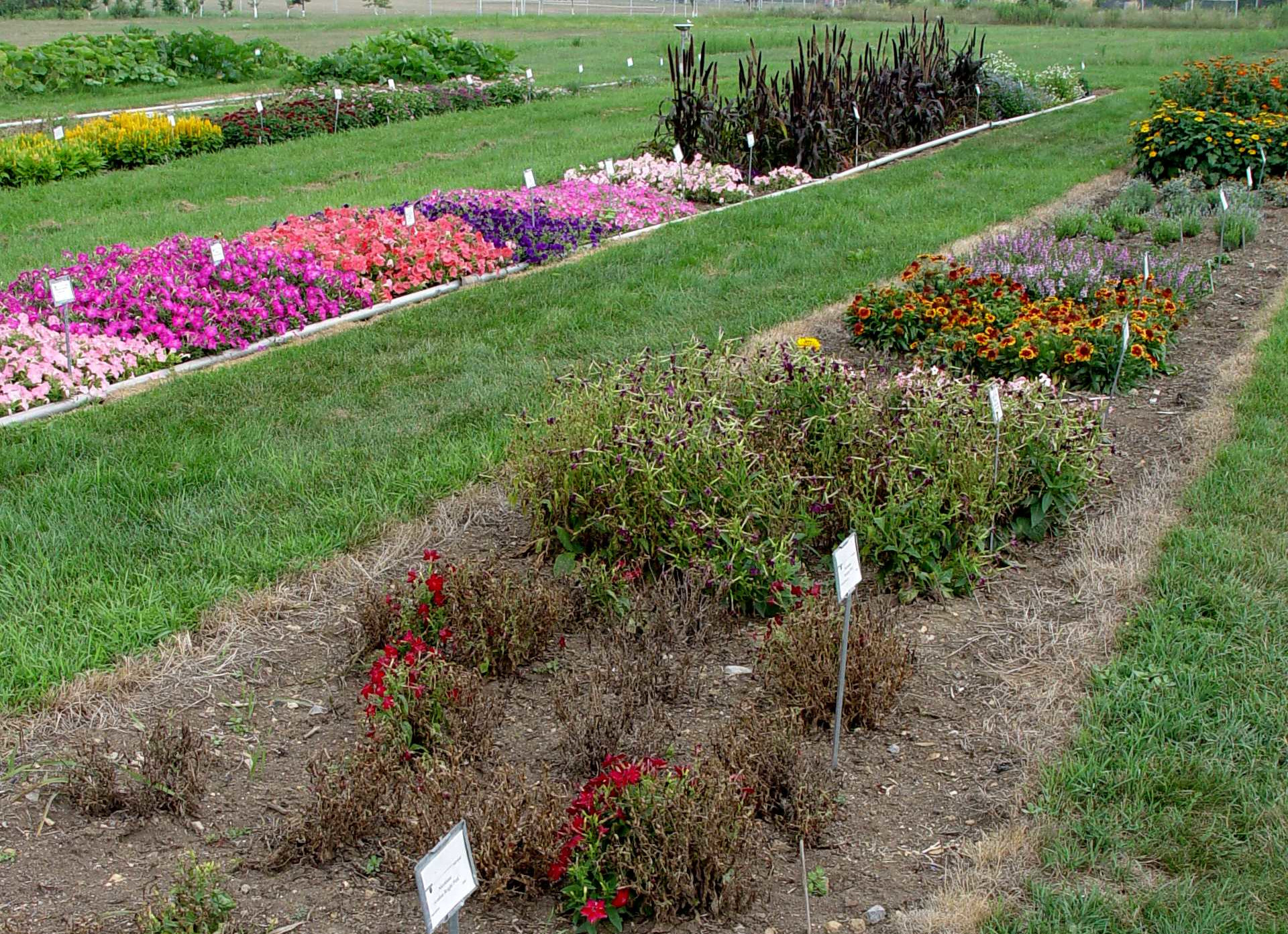
Yes, variety matters when you’re picking plants.

   Every new growing season brings a boatload of new plant introductions, most of them trumpeting some sort of improvement or new twist, if not one-of-a-kind break-throughs.

   They can’t all be better, can they?

   The short answer is no. Many are more of the same, and some aren’t even as good as what’s already on the market.

   However, when you look at the whole of what we can pick from now vs. 20 or 30 years ago, we’re light years ahead.

   Plant breeders and seed companies have done an amazing job at bringing us new choices that bloom better, bloom longer, fight off disease, and grow in more compact, easier-to-care-for habits.

   I spend a lot of time evaluating and writing about new varieties because I believe that picking superior plants and getting them in the right spot is one of the two keys to gardening success – good soil being the other. (Living well away from deer is a third!)

   One of the comments to my new-plant series this year made me wonder, though, whether gardeners are taking advantage of the good stuff.

   “Differences over what’s currently on the market is minuscule,” reader Owen said about my PennLive post on new annual flowers. “Every company just wants to expand every line they have and put out new cultivars to maximize plant royalties.”

   There’s some truth in that cynicism, mainly when it comes to differences in annuals from one company’s line to another.
Read More »


Best Plants for Your Yard? Try These 2019 Award-Winners

March 26th, 2019

   Picking the best plants makes a big difference in whether your landscape thrives or withers.

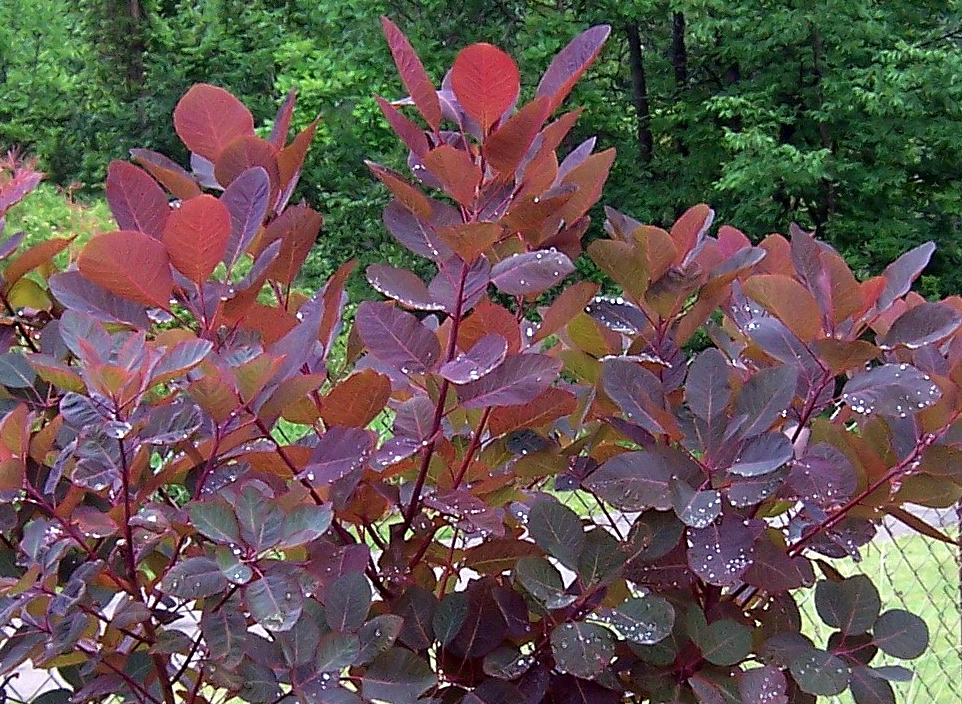
Smokebush ‘Grace’ won a 2019 PHS Gold Medal award. (Credit: Pa. Horticultural Society)

   Genes matter.

   So how do you sort the strong from the weak?

   One way is to lean on the experience of the experienced.

   Each year, organizations of growers, horticulturists, researchers, and other plant experts bestow awards on top plant performers – some new, some just under-used.

   Here’s a look at plants that have won honors for 2019:

Pennsylvania Gold Medal

   A panel of experts assembled by the Pennsylvania Horticultural Society (best known for running the Philadelphia Flower Show) each year picks trees, shrubs, and perennials worthy of greater use in Pennsylvania landscapes.

   For 2019, six plants made the Gold Medal grade.

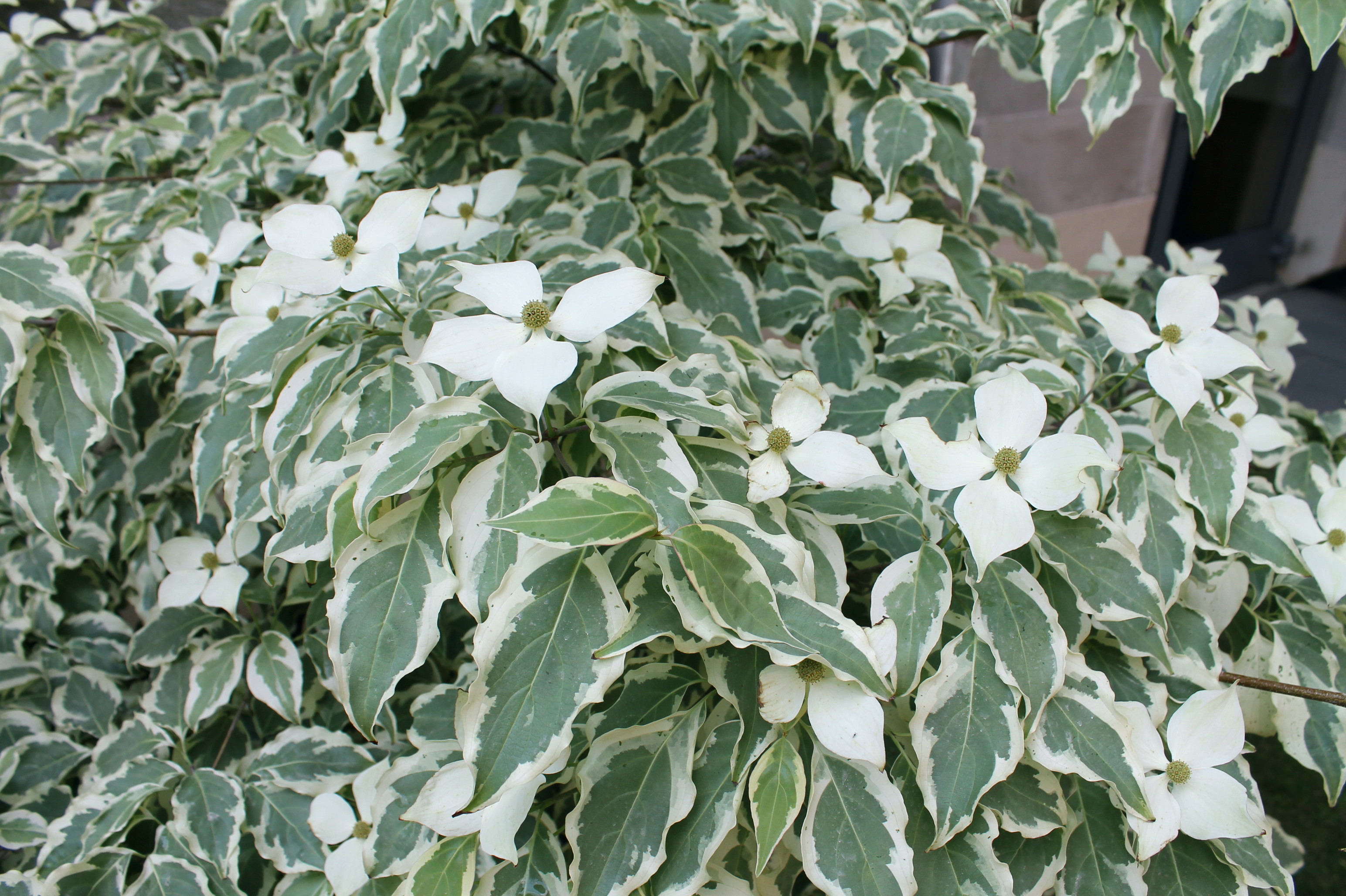
Kousa dogwood ‘Wolf Eyes.’

   Kousa dogwood ‘Wolf Eyes.’ A showy, slow-growing, 10-foot tree that’s most striking for its ivory-edged variegated leaves that turn pinkish-red in the fall. It also flowers white in June and gets red berries in September. Grows best in part shade.

   Purple smokebush ‘Grace.’ A multi-stemmed tree with dark purple-burgundy leaves that’s best cut back hard each year to grow as an eight-foot bush. If not pruned, it produces large pink flowers in May and June that look like smoke puffs. Grows best in part sun and moist soil.

   Juniper ‘Robusta Green.’ A narrow, upright Chinese juniper with blue-green needles. Grows 10 to 15 feet tall and five to seven feet wide, ideally in full sun.

   Chrysanthemum ‘Hillside Sheffield Pink.’ A reliably winter-hardy perennial flower that grows three feet tall and wide and has soft pink, daisy-like flowers that bloom for weeks in late summer. Grows best in full sun.

   Little bluestem ‘Standing Ovation.’ A flop-resistant, deer-resistant, drought-resistant native ornamental grass with blue-green stems that turn to red, purple, and orange in fall. Grows three feet tall, ideally in full sun.

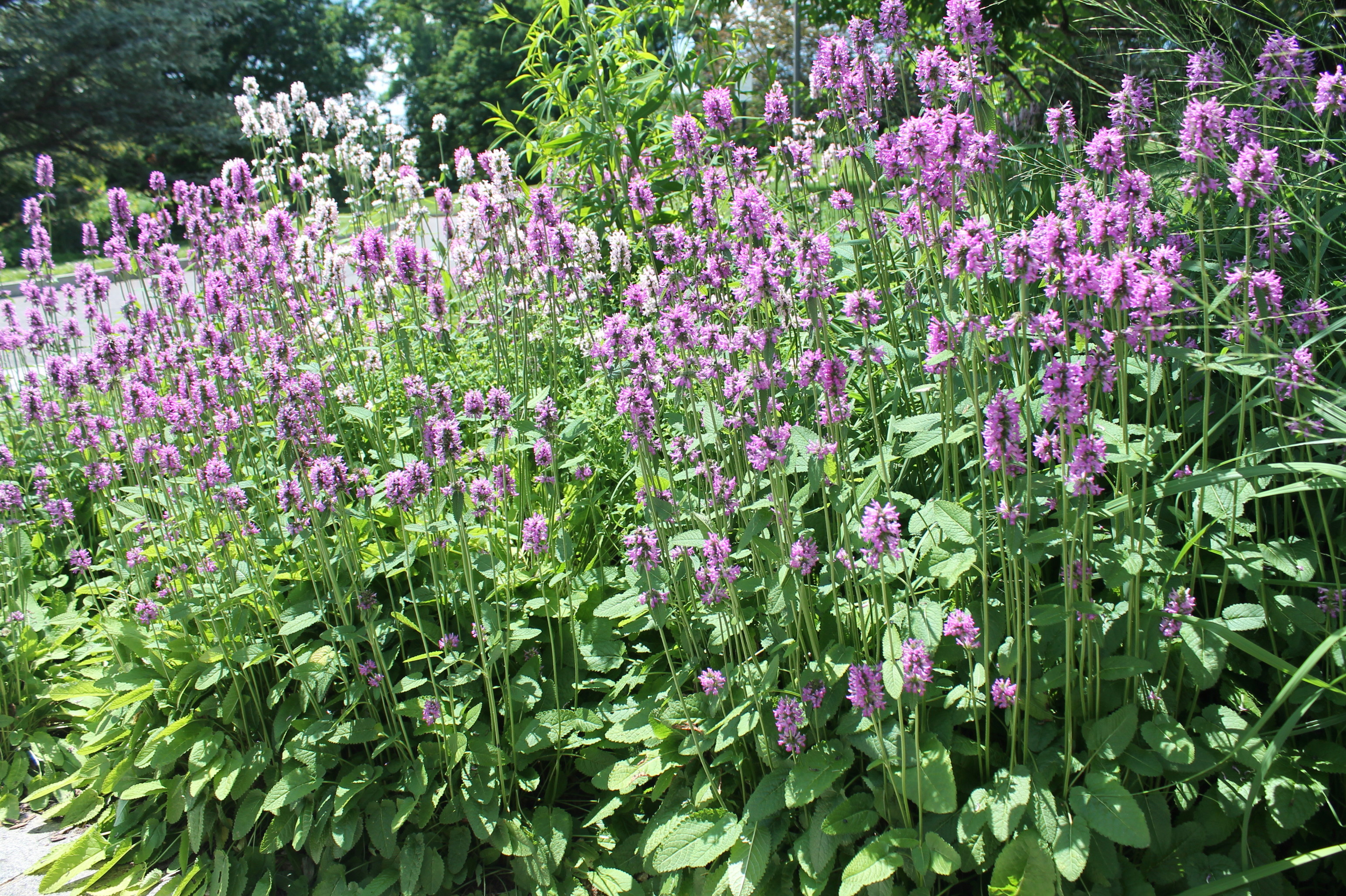
   Betony ‘Hummelo.’ A trouble-free, long-blooming, winter-tough perennial that sends up flower spikes of purple-lavender from late spring into early summer. Flowers poke up about 18 inches and produce well in full sun to part shade.

   (Disclosure: I’m a member of the Gold Medal panel.)

Perennial Plant of the Year

   Members of the Perennial Plant Association vote to honor one perennial plant each year that’s superior in terms of performance, low care, pest resistance and multiple-season interest. The 2019 winner is…

Betony ‘Hummelo’ in bloom.

   Betony ‘Hummelo.’ It’s rare for the same plant to win honors from two separate, unrelated groups in the same year, but this one did it. PHS and PPA experts both think it’s a winner deserving better notoriety and more garden use.

   Although ‘Hummelo’ was introduced by German grower Ernst Pagels in the late 1990s, this cousin of lamb’s ear is just now being more widely recognized for its superior performance.

Green Ribbon Native Plants

   This program, run by the staff and Horticulture Committee at Jenkins Arboretum and Gardens in Devon, Pa., focuses on singling out some of our region’s best native plants for home landscapes.

   An ornamental grass, a shrub, and a shade tree won 2019 Green Ribbon awards:

Read More »


Why Would You Want to Cut a Plant Almost to the Ground?

March 19th, 2019

   Gardeners have to overcome erratic weather, sidestep a laundry list of potential bug and disease threats, and beat back attacks by deer, voles, and groundhogs to grow a decent plant.

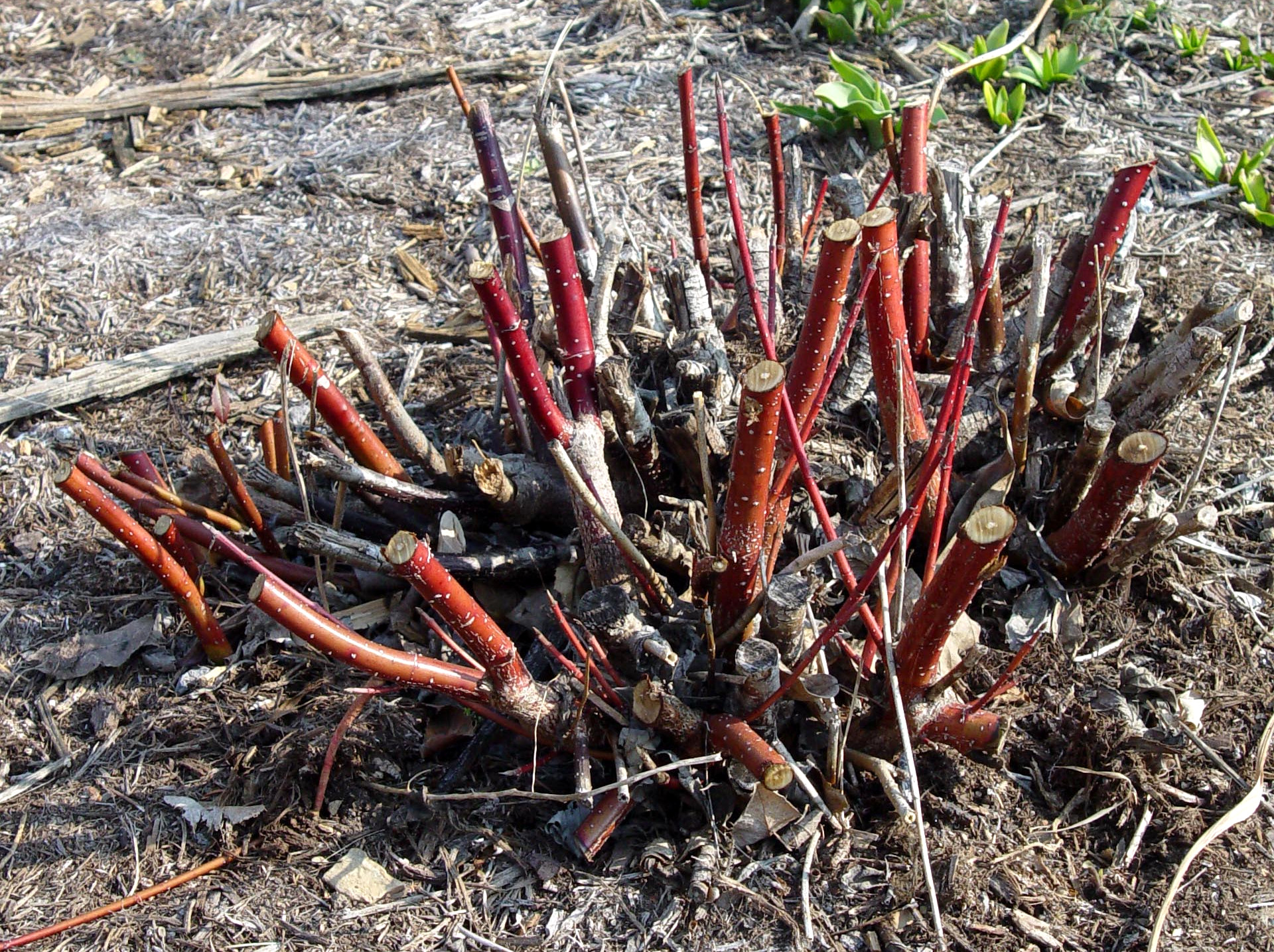
This red-twig dogwood has been “coppiced.”

   So why would any sane gardener ever consider cutting a healthy tree or shrub to the ground?

   I can think of a few good reasons for what horticulture calls “coppicing.”

   The main reason is to rejuvenate a big, old bush. Getting rid of all of the old wood clears space and coerces a plant to get busy growing fresh shoots – or else.

   Another is that coppicing turns what wants to be a jungle-sized plant into one whose size fits the space you have.

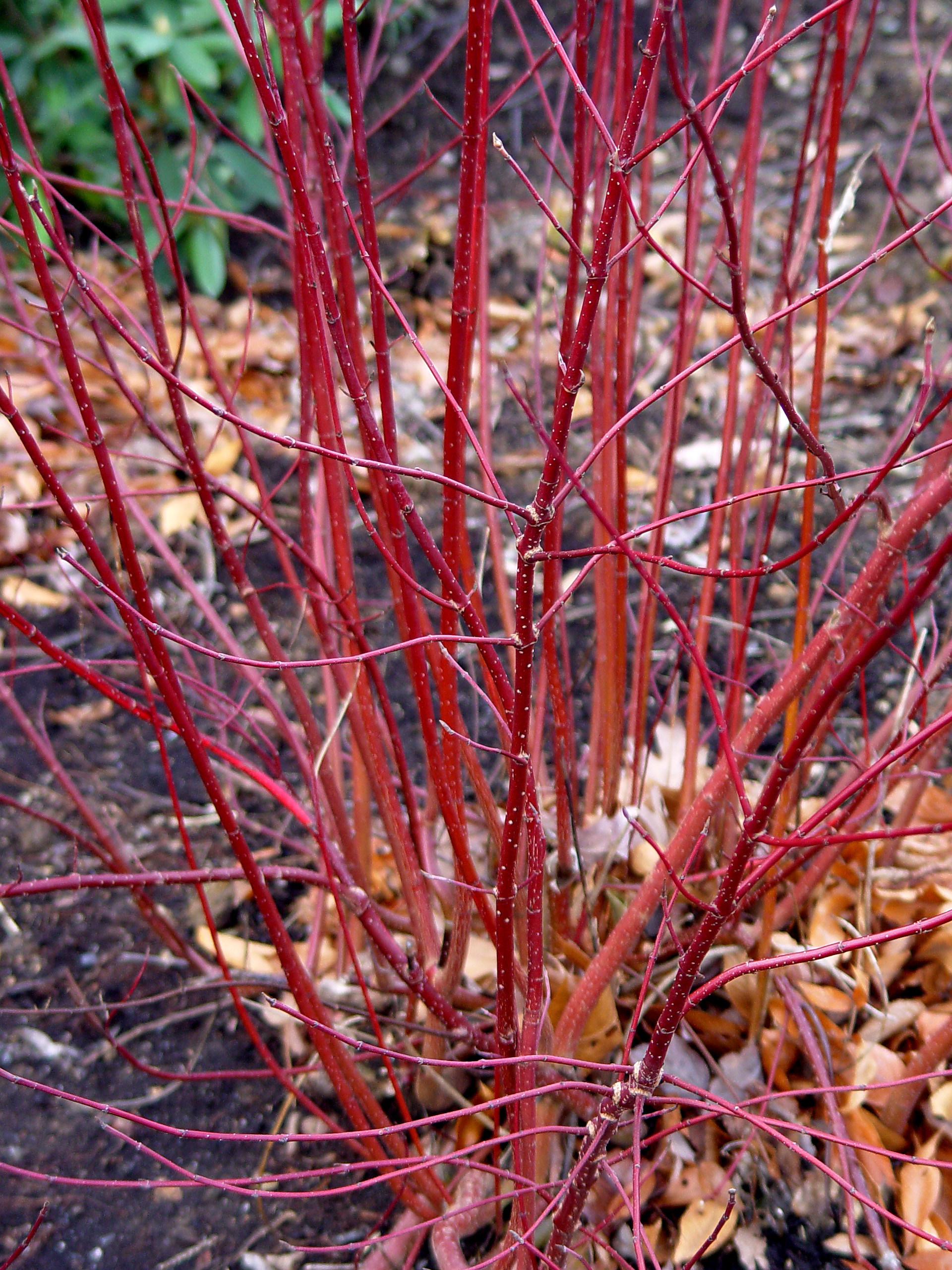
   And a third reason is that for some plants, their one- or two-year-old wood is a brilliant red or gold, fading to gray or brown with age. By constantly whacking the older wood, you produce a steady stream of young wood, resulting in a better-looking plant.

The new shoots of red-twig dogwoods are the most colorful, fading to grown and gray once they’re 3 or 4 years old.

   You can’t coppice everything, though. Trees that are generally grown as single-trunk plants, for example, don’t respond well to a near total cutback. Coppice an oak, maple, or most any evergreen, and you’ll find yourself looking at a lifeless stump.

   Some species push up some weak, leggy, half-hearted new shoots after coppicing – enough to keep the plant alive but a far cry from the first-generation effort.

   But some woody species – especially ones that grow as multi-stemmed flowering shrubs – will roar back better than ever.

   Probably the best known coppice-worthy shrubs are the red-twig and gold-twig dogwoods. Several species of these 5- to 6-foot bushy shrubs respond nicely to being cut back to 3- or 4-inch stubs at the end of each winter.

   These dogwoods produce their brightest red or gold stems on new wood. Let them unpruned, and little by little, new shoots dwindle, and the aging stems turn grayish-brown.

   For size control, a good plant to coppice every year or two is the purple smoke bush, which will quickly become a purple smoke tree if you don’t cut it.

   A near decapitation in March will create a 6-foot shrub with vibrant purple-burgundy leaves instead of a 20-footer with duller purple-brown summer leaves and a floppy, gangly habit. The tradeoff is that with coppicing, you won’t get any/many of the plant’s rounded, “puffy-smoke-ball” flowers.

Read More »


Philadelphia Flower Show 2020: Goodbye Woodstock, Hello Riviera

March 12th, 2019

   The 2019 Philadelphia Flower Show’s hippie-throwback, “Flower Power” show is history, and the page now turns to next year’s show that will feature plants and gardens of Mediterranean climates.

Riviera Holiday is the title of the 2020 Philadelphia Flower Show. It’ll highlight plants and gardens of Mediterranean climates.

   “Riviera Holiday” is the proposed title of the 2020 Philadelphia show, and it’ll take place next Feb. 29-March 8 at the Pennsylvania Convention Center.

   Although the main entrance will feature the feel of the French Riviera, the show’s chief, Sam Lemheney, says the overall theme will cover all Mediterranean climates. That includes such diverse settings as Mexico, South Africa’s fynbos, the western coasts of Australia and Chile, and the southern California coast.

   That should give the landscapers plenty to play with.

   Lowee’s Group Tours and I plan to run five tours to see it, so stay tuned for details and bookings come fall.

   As for the 2019 show, it was impressive as all Philly shows are. But I have to say this was my least favorite show of the 25 or so I’ve seen over the years.

   I thought this one lacked the really “wow” main entrance that the show is renowned for.

   Planters had large flower sculptures, and 18,000 cut flowers and grasses hung from the ceiling (an idea done at least twice before), but it paled in comparison to past first views, such as the Eiffel Tower replica, last year’s rainforest waterfall, and my all-time favorite, 2015’s red-carpeted Hollywood movie theater and marquee.

   The show also was heavily oriented to cut flowers and floral design, a result of the FTD World Cup competition that was staged at the show.

   This international Olympics of flower-designing hasn’t been held in the U.S. since 1985. It’s an industry big deal that showcases the work of the world’s best floral designers, but it also meant that a large chunk of the main entrance was devoted to 23 arrangement displays – five works by each of the 23 contestants.

   If you enjoy arrangements – especially huge, over-the-top and outside-the-box ones – you hit the jackpot this year.

   Me? I’d rather see gardens of in-ground plants and the creative landscapes of forced-into-bloom flowers that normally dominate the show.

Read More »


So, I’m Not Alone, Eh?

March 5th, 2019

   That post I wrote two weeks ago commiserating my new deer problem drew more feedback than anything I’ve ever written here.

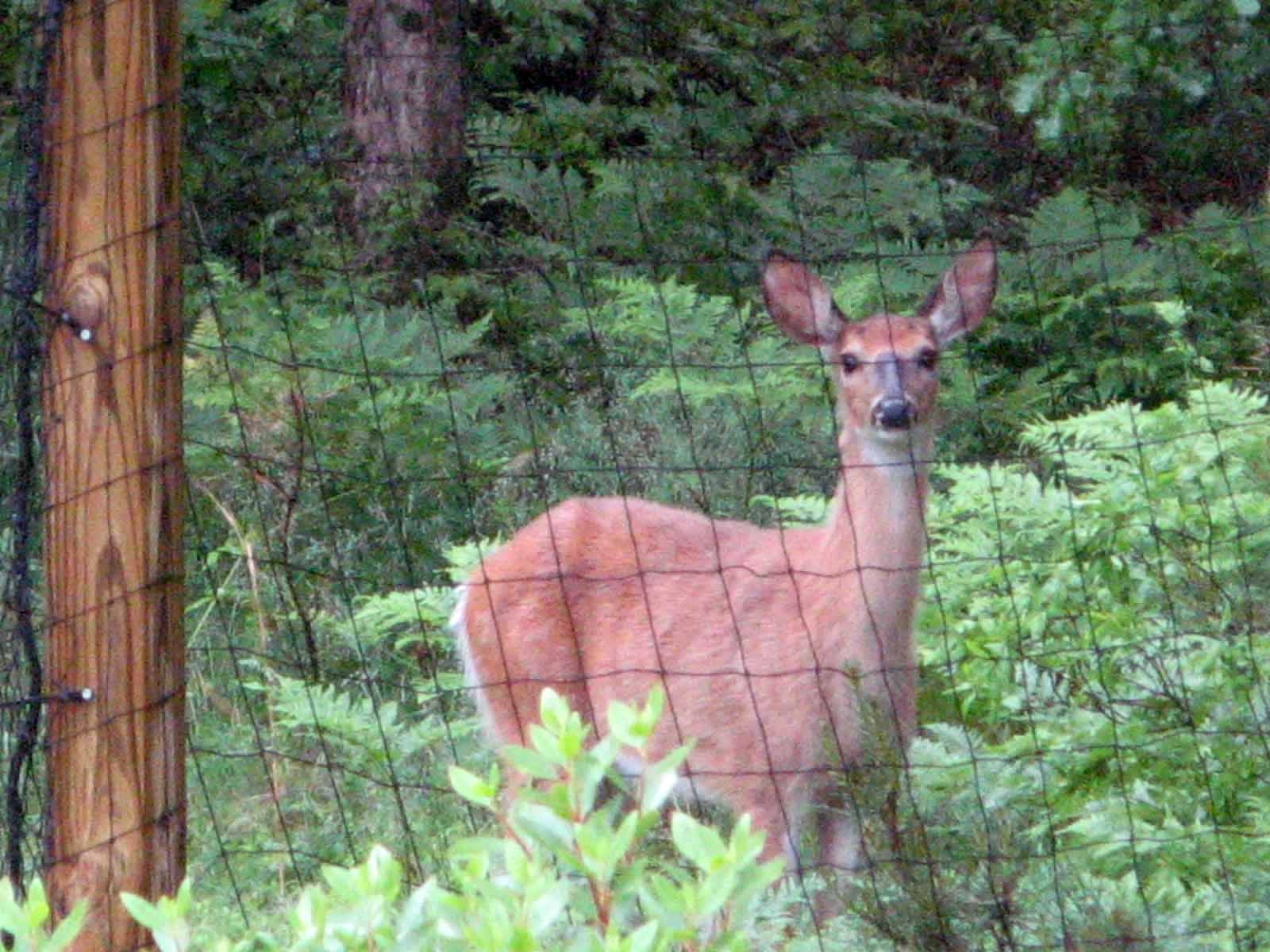
I’m having second thoughts that a fence might solve my new deer problem.

   Apparently, deer-eaten plants is an even worse issue than I thought… and it’s one that seems to bring out a lot of passion, compassion, and empathy.

   Lots of fellow gardeners wrote not only to offer tips and experience-driven advice, but to say how sorry they were that I’ve run into this curse. It’s almost as if I’ve contracted a horrible disease and am being consoled by others who’ve already been down that path.

   I appreciate the support but now have a sinking feeling that maybe this is going to be even harder than I thought.

   Readers told me about deer knocking down fences, shrugging off previously effective repellents, and even being so bold as to eat flowers out of deck pots and hanging baskets.

   Reader Kathi said she got so tired of spraying repellents that she gave up her two-acre woodland gardens and moved.

   “I had to (constantly) make sure new growth was covered,” she wrote. “If I missed one week, my new growth was gone. I told myself there was always next year.”

   The crowning insult was when deer “got up the nerve to go on the deck and defoliate my plants. That was the last straw for me,” Karen said, adding, “Good luck. You are going to need it.”

   Gardener Bill said the only thing that completely solved the deer problem for him was a 10-foot-tall metal fence, supported by six-inch posts with a pair of 10-foot gates for access.

   “It’s been dubbed the ‘stockade garden’ because it does resemble a prison stockade used in the Civil War to hold prisoners in both the North and the South,” Bill says.

   That ought to work (assuming no one leaves the gates open), but I don’t think it’s going to pass muster with my borough’s fencing codes. Those restrictions (six foot maximum out back, three feet maximum out front) aren’t making my fight any easier… although my six-footer should be enough to also hold any Confederate POWs if I add a coil of concertina wire on top.

Read More »


« Older Ramblings and Readlings Newer Ramblings and Readlings »

  • Home
  • Garden House-Calls
  • George's Talks & Trips
  • Disclosure

© 2026 George Weigel | Site designed and programmed by Pittsburgh Web Developer Andy Weigel using WordPress