
• Home
  • Contact
  • Site Map
George Weigel - Central PA Gardening
  • Landscape 1
  • Landscape 2
  • Landscape 3
  • Landscape 4
  • Garden Drawings
  • Talks & Trips
  • Patriot-News/Pennlive Posts
  • Buy Helpful Info

Navigation

  • Storage Shed (Useful Past Columns)
  • About George
  • Sign Up for George's Free E-Column
  • Plant Profiles
  • Timely Tips
  • George’s Handy Lists
  • George's Friends
  • Photo Galleries
  • Links and Resources
  • Support George’s Efforts


George’s new “50 American Public Gardens You Really Ought to See” e-book steers you to the top gardens to add to your bucket list.

Read More | Order Now


George’s “Survivor Plant List” is a 19-page booklet detailing hundreds of the toughest and highest-performing plants.

Click Here


Has the info here been useful? Support George’s efforts by clicking below.


Looking for other ways to support George?

Click Here

George's Current Ramblings and Readlings

My Compost Runneth Over

August 6th, 2013

   My compost pile is piled to overflowing after a weekend of mid-summer trimming in the abnormally glorious weather.
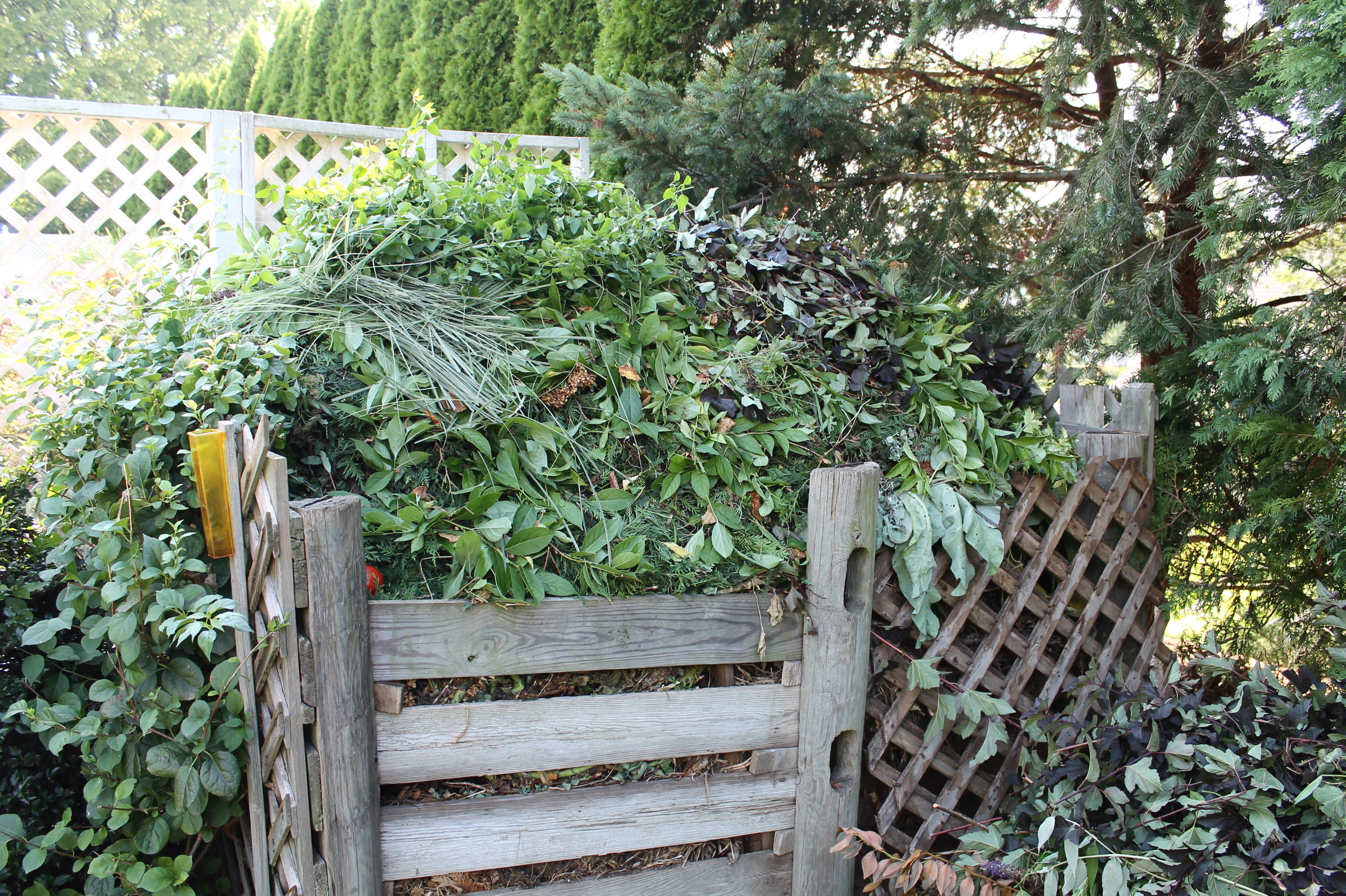
My compost piles runneth over with over-bounteous production.

My compost piles runneth over with over-bounteous production.

   Mid-70s, low humidity and a pleasant breeze in a central-Pa. August? What gives here?

   The conditions were perfect for a host of neatnik jobs that are fairly important for keeping the landscape looking good down the fall home stretch.

   Here are a dozen things I did (and why) that might help you whip your own yard into shape as summer winds down:

   1.) Trimmed the yews, arborvitae, hollies and boxwoods. Evergreens are all but done growing, so a late-summer trim keeps them neat through next spring. Now’s the time to do it – not fall. And don’t cut so far back that you’re back into the bare wood.

   2.) Trimmed the spireas, sweetspires and ninebarks and deadheaded the roses and butterfly bush. That gets rid of the spent flowers, controls size and corrects floppy growth that’s over my tolerance line. In the case of butterfly bush, deadheading prevents unwanted seeding (all but one of mine are sterile).

   3.) Deadheaded the coneflowers, salvia, yarrow, shasta daisies and other bloomed-out perennials. I also picked the browned flower stalks out of the coralbells, daylilies and creeping sedum. This gets rid of the tired brown stuff in the garden, and in some cases, encourages a second round of flowering. I cut down on the stems far enough to make the remaining foliage compact – including nearly to the ground for yarrow and catmint.
Read More »


Senior Super-Gardeners

July 30th, 2013

   I’m not easily stunned.

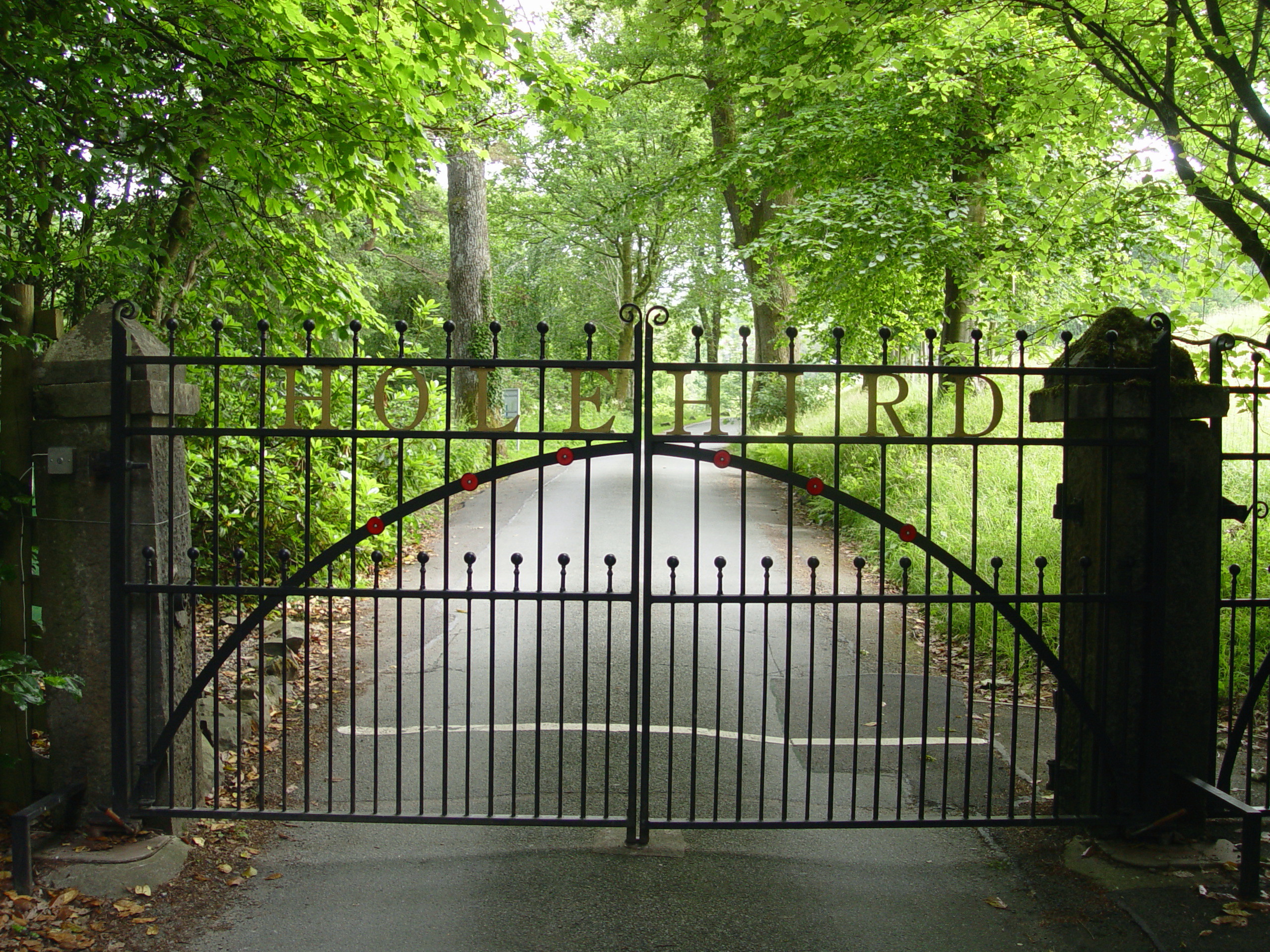
The entry to England's hidden-gem Holehird Gardens.

The entry to England’s hidden-gem Holehird Gardens.

   Especially not at my rapidly advancing age.

   But the senior citizens in northern England’s Lake District impressed me with the most determined, unlikely and immaculate gardening effort I’ve ever seen.

   Let me back up.

   I’m just back from leading 20 local garden-lovers through a dozen of the finest gardens in northern England and Scotland. (Click here to see a Photo Gallery of 46 pictures from the trip.)

   We saw an incredible classic English double herbaceous border as long as two football fields at North Yorkshire’s Newby Hall.

   We saw centuries-old walled flower and kitchen gardens around a half-dozen of Britain’s iconic castles.

   And we saw one of the world’s largest privately built parterre gardens at Scotland’s Drummond Castle, one that rivals France’s famous Versailles gardens.

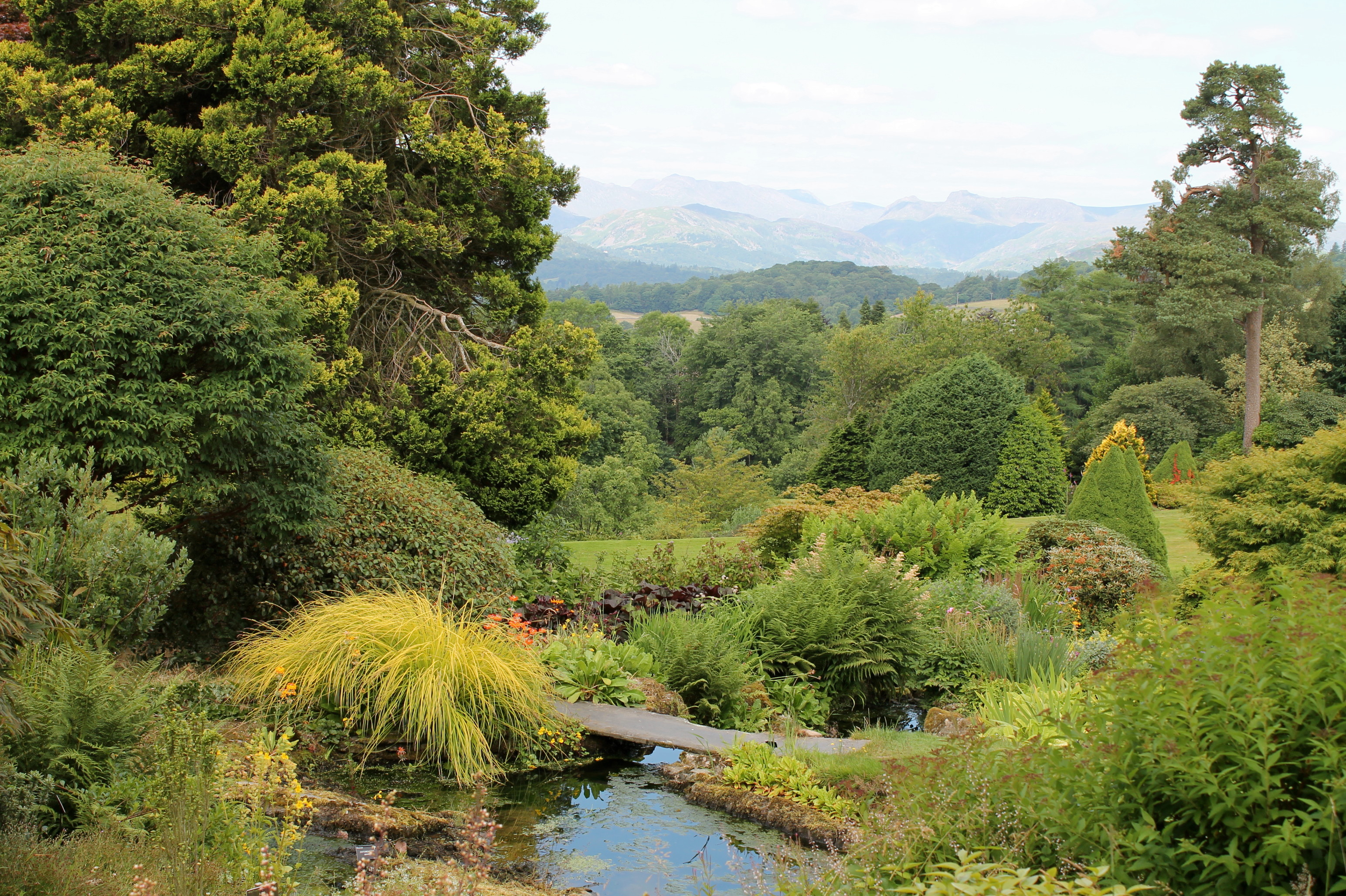
   But the surprise hit of our 2-week trip was Holehird Gardens – a little-known 17 acres that sits on a windy northern England hillside, overlooking Lake Windermere and its green-mountain backdrop.

Holehird overlooks Lake Windermere and the mountains beyond.

Holehird overlooks Lake Windermere and the mountains beyond.

   This place is off the usual garden-tour radar that typically includes the likes of Kew, Dixter, Wisley and Sissinghurst.

   Even the Brits don’t know much about Holehird.

   Yet its scenic beauty, its plant diversity, its layout and especially its precision maintenance ranks Holehird up there with any garden I’ve seen.

   Amazingly, it was all planted and cared for by volunteers.

   Only the guy who cleans the bathroom gets paid anything.

   Even more amazing is that practically the whole crew is age 60 and up.

   Our group was there on a Wednesday, which happens to be the main maintenance day.

Read More »


10 Things About Gardeners

July 23rd, 2013

   Gardeners are a different breed.

Tell me you've never done this...

Tell me you’ve never done this…

   I’m around a lot of them. I see them in action. I hear their questions and thoughts. And for what it’s worth, I’ve come to these 10 conclusions:

   1.) Anyone who says he/she has never killed a plant either has never planted anything or is lying.

   2.) Experienced gardeners are people who have killed a lot of plants.

   3.) Master Gardeners are people who know the names of the plants they’ve killed.

   4.) Horticulturists are people who know both the common and botanic names of the plants they’ve killed.

   5.) Gardeners are some of the most optimistic people I know. No matter how much mayhem occurs in a given season, they fully expect great things next season.

   6.) The most obsessed gardeners refer to their plants by their cultivar names. That pink shrub in the front yard isn’t a hydrangea, it’s ‘Pinky Winky.’

   7.) The No. 1 sign of a successful gardener? He or she has a compost bin or two or three in the yard.

Read More »


Don’t Hurt Yourself

July 16th, 2013

   I watched an interesting video the other day by Dan Buettner, a writer whose focus is on living longer (“The Blue Zone: Lessons for Living Longer from the People Who’ve Lived the Longest”).

Healthful until this shows up.

Healthful until this shows up.

   One of the common denominators Buettner found in long-lived cultures is that the people tend to do a lot of natural moving in their day-to-day lives. And one of the most common activities is… gardening.

   No surprise there. It’s great exercise, fresh air, great for relieving stress (except when groundhogs visit) and a source of fresh, healthy food.

   But the garden is also a place of thorn punctures, bug bites, back strains, fence cuts, sun-burned balding heads and assorted other threats if you aren’t careful.

   I’ve experienced all of those – sometimes in the same hour.

   Not to scare you off, but in the interests of keeping as many readers as possible out of the ER this summer, I thought I’d share my top 9 gardener health pitfalls and how to avoid them:

   * Back Trouble. This one’s the biggie because of all the bending and lifting of way-too-heavy things that gardeners tend to do.

   Stretch before heading into the garden, use your knees and legs to lift, and don’t do bending activities hour after hour. Get help with the heavy stuff. Sit or kneel instead of bend. And knock it off when you’re tired.

   * Falls and Cut-Offs. Tree legend Dr. Alex Shigo once said the world’s most dangerous combination is a homeowner, a ladder and a chainsaw.

  Hire a trained, insured pro to do the high stuff. Read and follow safety instructions when you’re using cutting tools, and don’t do stupid things, especially when you’re tired.

   The reason the lawn-mower user manual has 10 pages of precautions such as, “Not to be used for shearing hedges,” is because someone probably hurt himself trying to mow his yew bushes.

   Also ditch the old shoes when they lose their traction.

Read More »


Banner July for June Beetle

July 9th, 2013

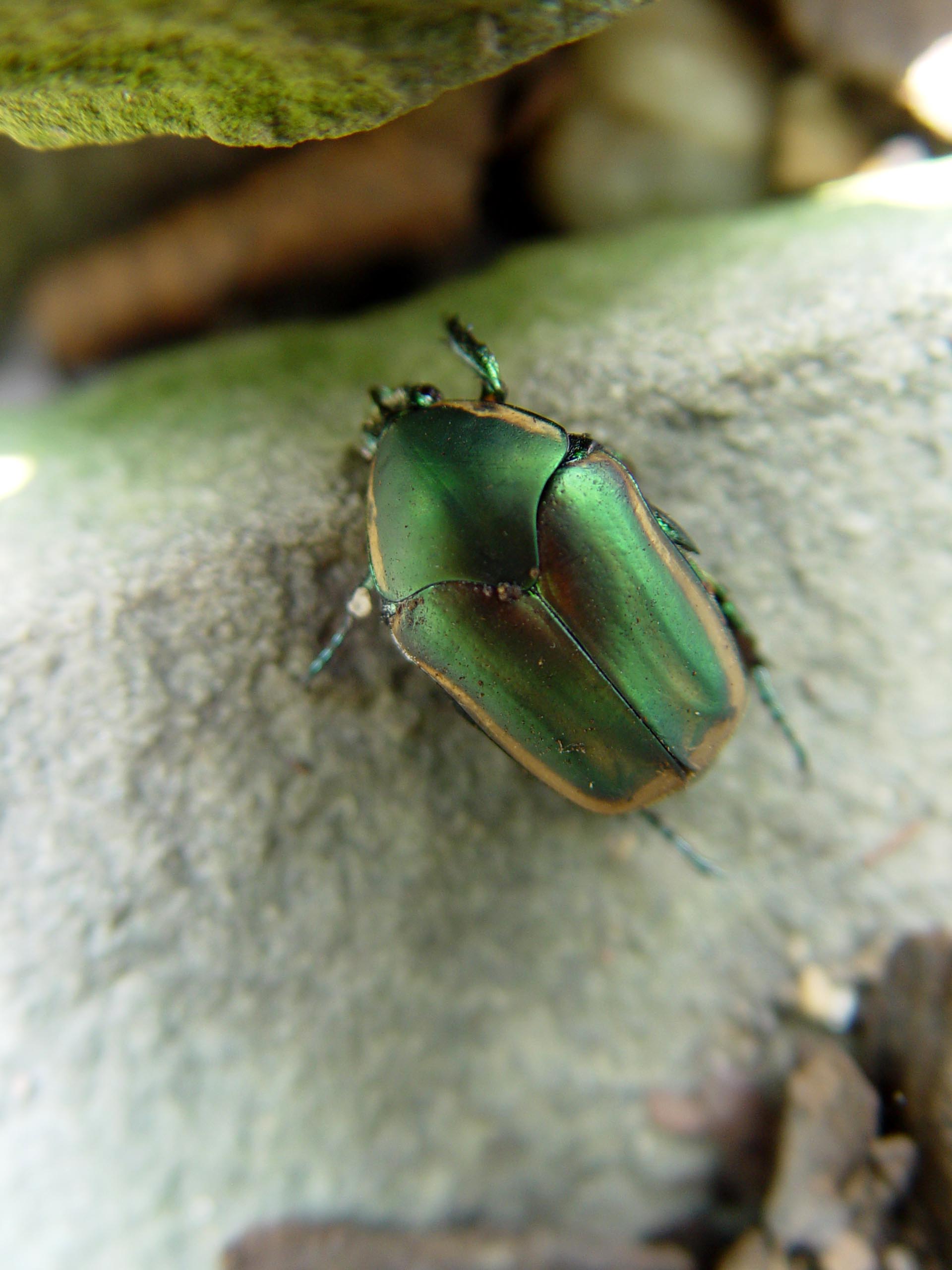
   It’s the biggest yard bug I know of this side of Africa – the thumb-sized, shiny-green June beetle.

An adult June beetle.

An adult June beetle.

   I’m hearing reports from some locals that they’re seeing more of them swarming around in the last week than ever before.

   It must have been a banner year for June-beetle baby-making.

   June beetles are scary-looking things.

   Besides their sheer size, they make a buzzing sound that causes people to think they’re stinging bugs – something akin to a bumble bee dressed in green metal armor.

   June beetles don’t sting, but they’re clumsy fliers and may well crash into your forehead.

   In usual numbers, they’re more of a minor nuisance than anything. But when numbers swell like they apparently have in some areas this summer, they can actually do some significant lawn damage.

   One Dauphin County gardener told me she’s got swarms of June beetles over-flying brown patches of what used to be her green lawn.

   In that regard, June beetles are somewhat like the better-known Japanese beetle.

   Their main threat is lawn damage from the root-eating larval stage called “grubs.”

Read More »


« Older Ramblings and Readlings Newer Ramblings and Readlings »

  • Home
  • Garden House-Calls
  • George's Talks & Trips
  • Disclosure

© 2026 George Weigel | Site designed and programmed by Pittsburgh Web Developer Andy Weigel using WordPress