
• Home
  • Contact
  • Site Map
George Weigel - Central PA Gardening
  • Landscape 1
  • Landscape 2
  • Landscape 3
  • Landscape 4
  • Garden Drawings
  • Talks & Trips
  • Patriot-News/Pennlive Posts
  • Buy Helpful Info

Navigation

  • Storage Shed (Useful Past Columns)
  • About George
  • Sign Up for George's Free E-Column
  • Plant Profiles
  • Timely Tips
  • George’s Handy Lists
  • George's Friends
  • Photo Galleries
  • Links and Resources
  • Support George’s Efforts


George’s new “50 American Public Gardens You Really Ought to See” e-book steers you to the top gardens to add to your bucket list.

Read More | Order Now


George’s “Survivor Plant List” is a 19-page booklet detailing hundreds of the toughest and highest-performing plants.

Click Here


Has the info here been useful? Support George’s efforts by clicking below.


Looking for other ways to support George?

Click Here

George's Current Ramblings and Readlings

Top 12 Plants for Winter Interest

December 5th, 2017

   Now that winters aren’t always snow-covered from wire to wire like they so often used to be, I’m finding more people are interested in having their yard look good in this fourth season.
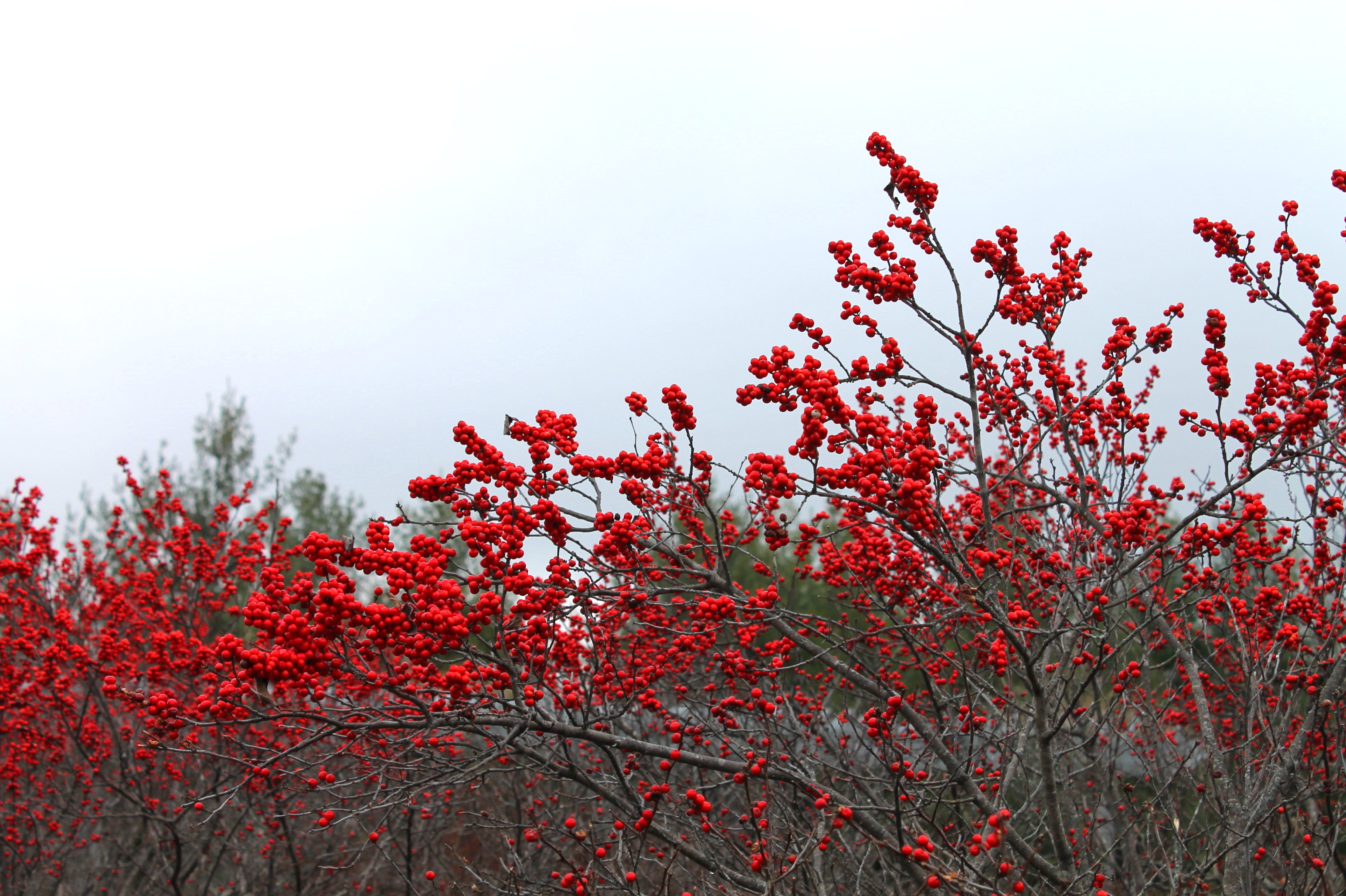
Winterberry holly

   You have a variety of tools at your disposal to add interest to the winter landscape, such as good structural hardscaping (walls, gazebos, trellises, etc.) and water features that can be left running whenever it’s not too frigid.

   But plants also play a key role in winter. Besides the obvious evergreens like spruce trees and boxwood hedges, plants give you an array of other options, from winter fruits to cold-tough perennial foliage to trees with colorful or peeling bark.

   I just finished a new George’s Handy List — one that features my top 12 landscape plants for winter interest. The list is order and includes descriptions of each favorite along with pictures of about half of them.

   Check out my Top 12 Plants for Winter Interest.

The 8 Things That Annoy Gardeners Most

November 28th, 2017

   Gardeners are generally pretty easy-going, kinder-than-average people. But we’re also not immune to whining about life’s little “challenges” that can make this outdoor passion less than jubilant.

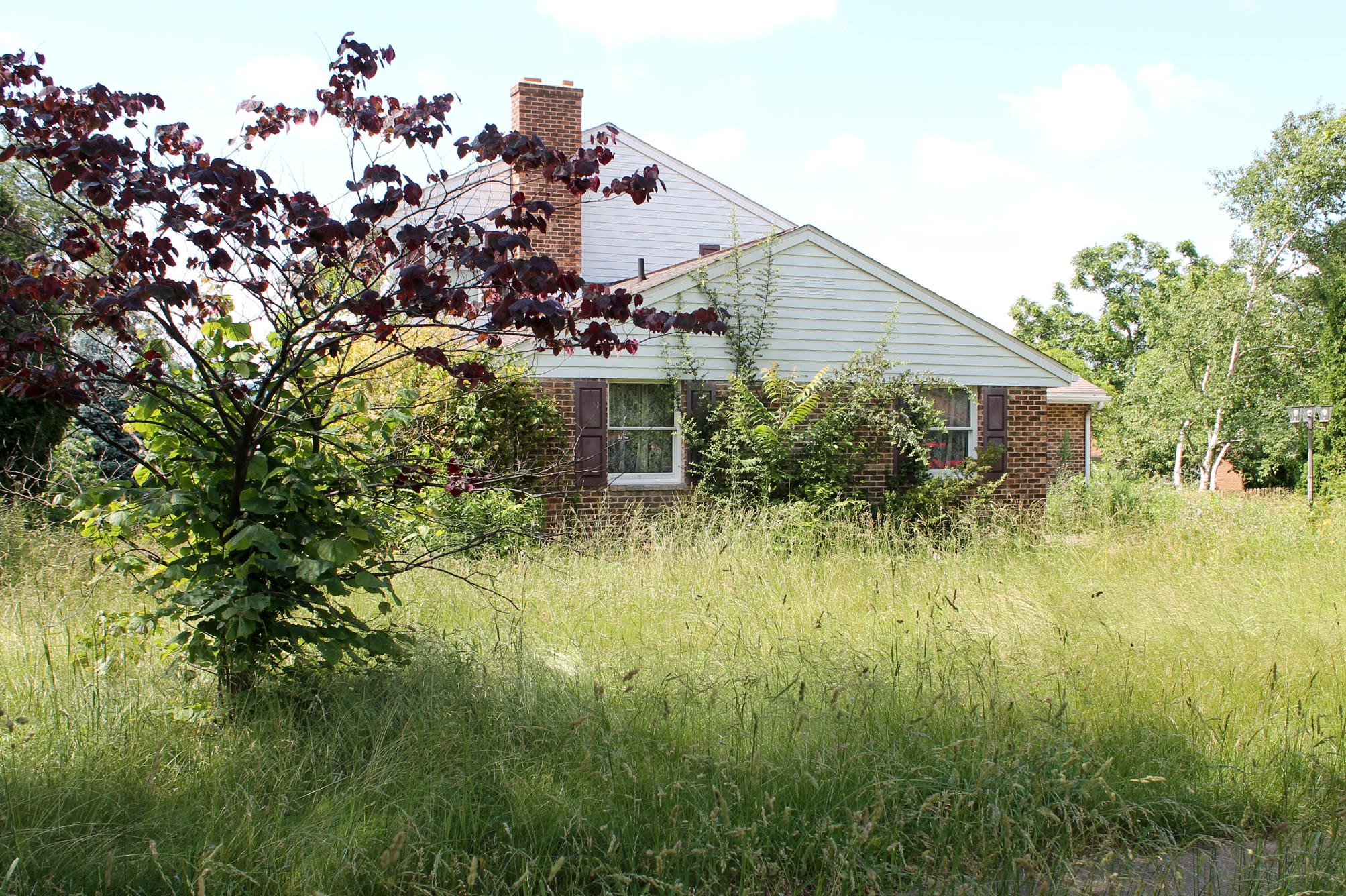
I was not aware that grass can grow shoulder-high until the neighbors walked away from their house.

   From what I’ve seen and experienced in more than 35 years of gardening, here’s what I’d rank as the eight top things that annoy gardeners.

   Feel free to add your own in the comments section below. Sometimes venting is helpful…

   1.) Black flies. If you don’t live near a creek, you probably have no idea what I’m talking about. If you do, you’ll understand why so-called “gnats” are Gnumber One on my annoyance list.

   These little black flying pests swarm so badly when it’s calm and humid (and after the state has burned through its spraying budget) that you want to run back inside. They swarm in your face, they fly into your eyes and ears, and they bite.

   My little granddaughter was such a black-fly target when she visited this summer that she had dozens of welts within 5 minutes. It absolutely destroyed any hope of sharing the love of plants and gardening with her.

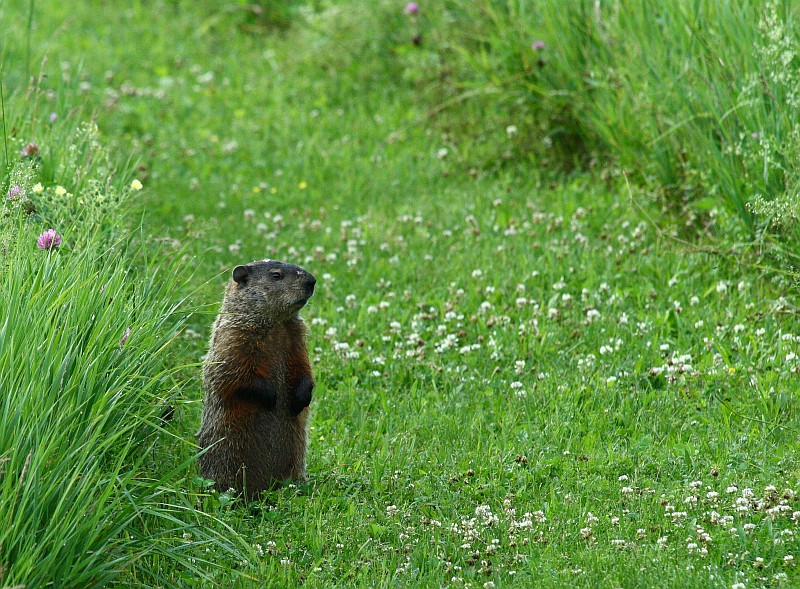
Mr. Groundhog looking for trouble.

   2.) Animals. Groundhogs, rabbits, chipmunks, and voles are bad enough. Heaven help you if you live in deer country.

   Animals have nothing better to do all day than hunt for food. They think you set out those tasty azaleas and luscious coneflowers just for them.

   Few things are more deflating than to work diligently growing a cabbage patch or bed of $3-a-pop petunias, only to find the whole thing mercilessly mowed down the next morning.

   Things like lousy soil, dry weather, and plant disease threats can be overcome fairly easily. But stopping animal marauders is a lifelong battle. Never think you’ve won it.

   Read George’s article on How to Keep Animals from Eating Your Plants

Read More »


Where Edible Plants Grow Inside… Without Soil

November 21st, 2017

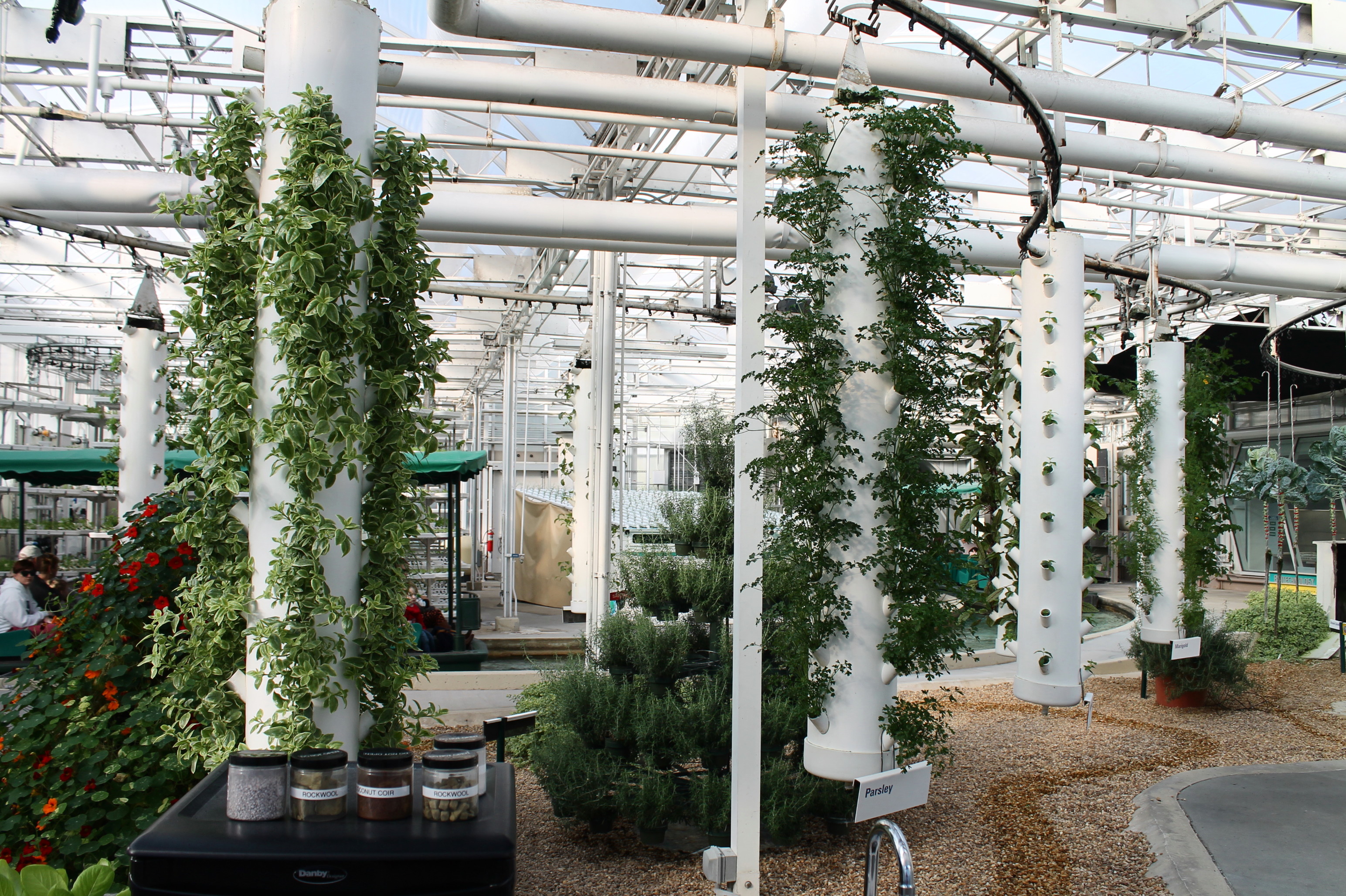
Veggies are growing in hydroponic tubes in Epcot’s Land pavilion.

Hydroponics – growing plants by trickling nutrient-rich water over their exposed roots instead of in soil – is a hot technique lately.

It’s gaining steam both among intrepid home gardeners (especially younger ones) and as a cutting-edge way to grow food in urban commercial settings.

Although it’s trendy, hydroponics isn’t new. If you’ve ever been to Walt Disney World’s Florida Epcot theme park, for instance, you probably saw an elaborate setup of what hydroponics can do.

The display has been up and running inside Epcot’s The Land pavilion for some 35 years.

This fascinating attraction is a slow boat ride through a futuristic glass-encased farm. It shows carpets of lettuce growing on fiber mats, Brussels sprouts growing while suspended in mid-air, and 30-foot tomatoes growing out of little boxes all around wire supports.

You get only a passing look at this food-growing magic from the boat, but Disney offers garden fanciers a chance to go behind the scenes for a close-up, in-depth tour with a horticulture staffer.

I got a chance recently to take this “Behind the Seeds” tour. I could try to describe the many cool things I saw there, but this story is better told in photos.

Have a look at the Epcot Behind the Seeds pictures I just posted on my Photo Gallery page.

And if you’re ever down Disney World way, Epcot offers six hour-long Behind the Seeds tours most days for a $25 fee (in addition to Epcot admission)

Details are posted on Disney’s web site or you can call ahead to make reservations at 407-939-8687.


Instant Winter: That Happened All of a Sudden!

November 14th, 2017

   So we were sailing along almost into mid-November with blooming annuals, ripening peppers and very pleasant 60- and 70-degree days.

Kiss these Persian shields goodbye.

   Then, wham! Instant winter. Crunchy ground. Forecasts of snow squalls and sleet.

   Friday night’s nosedive into record-setting, low-20s territory put a sudden and definite end to the growing season. Some areas had flirted with frost earlier, but there was no doubt about this one.

   The end-of-the-season part isn’t unusual. We really should’ve been done two to three weeks ago. The third week of October is the average time of our first fall killing frost.

   What’s unusual is how fast the temperature plummeted – from nearly 20 degrees above the daytime norms to nearly 20 degrees below the overnight norms.

   I don’t think the sudden shift was enough to do serious damage to landscape plants – other than the annual flowers and tender veggies, which die (and normally so) with a freeze. But we won’t know for sure until next spring when new growth occurs (or not).

   According to the National Gardening Association, most winter plant damage happens in late fall to early winter – not during the peak of coldness in January and February.

Read More »


House-Calls No More

November 7th, 2017

   After 18 years of yard brainstorming and more than 1,000 home-garden plans, I’m hanging up the measuring tape.

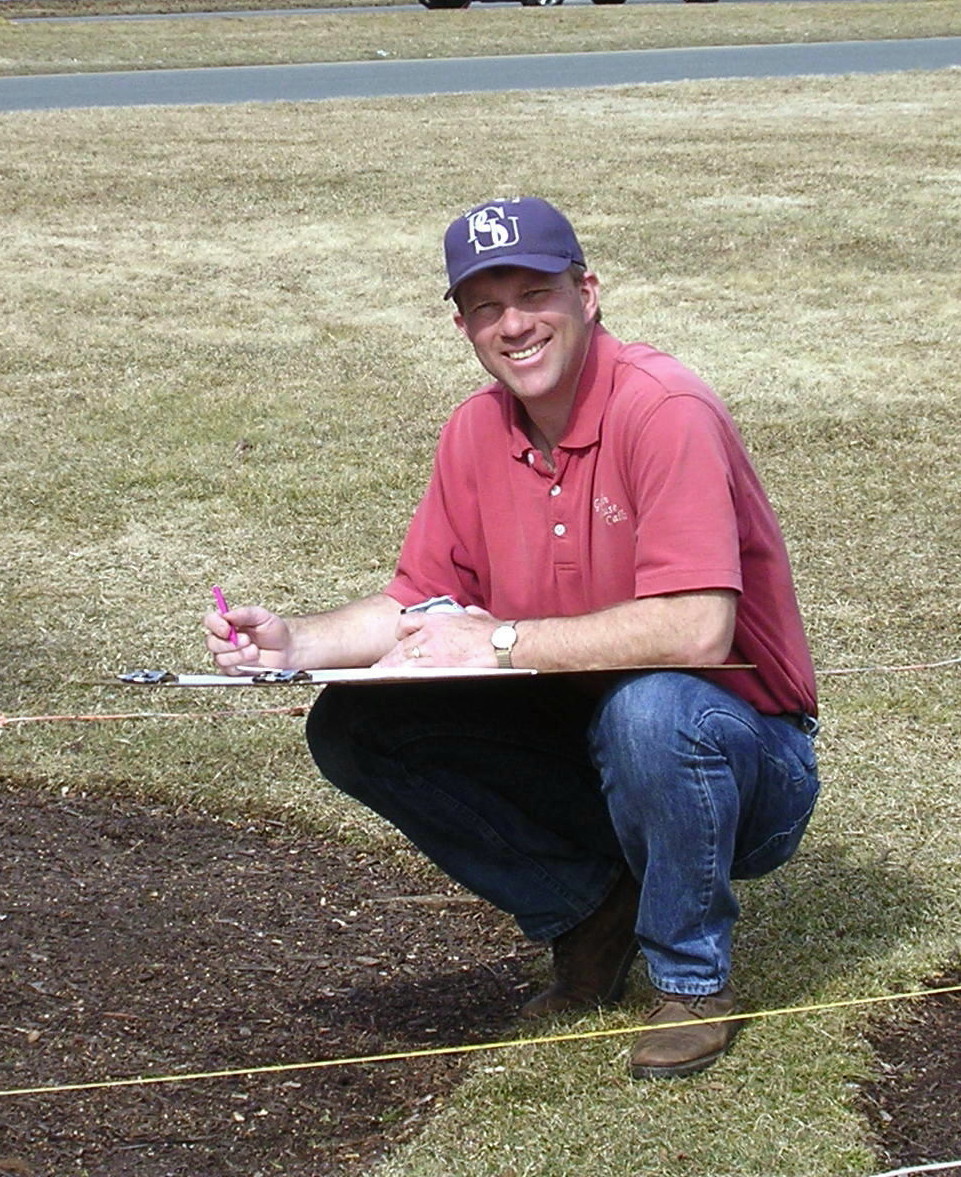
My measuring days are over.

   This fall is my last for Garden House-Calls, a service I started in 1999 to help do-it-yourselfers with landscape ideas, trouble-shooting, plant suggestions and designs.

   I’ve found I’m getting a little old to crawl under bushes taking measurements and getting soaked in 40-degree rains. Plus, I could use a saner schedule to devote time to writing, talks and garden trips.

   Although I won’t be doing any more home consults, I plan to continue to offer scale drawings to people who send or email me the needed information.

   I’ve done several of these in the last few years, and they’ve worked out well. That option streamlines the process for me and lowers the cost for clients, since people pay only for my drawing time.

   Over the years, about half of the people I’ve helped mainly wanted drawings anyway. The rest were looking for on-site ideas, bug and disease diagnosis, names of best plants for specific spots, and answers to their particular garden questions.

   If you’re in the drawing-only camp, I might still be able to help – if you’re willing to take over the front end.

   That involves getting your own detailed measurements of the area to be drawn, sending me photos, and filling out a questionnaire that helps me determine the kind of look and the kind of plants you’re going to like.

   Details on how to do that are on my updated Garden Drawings page.

   Although it’s a little late to plant this year, this IS a good time to get me your measurements. I should be able to turn around your drawing in a week or two so you’ll be ready to hit the ground planting first thing in spring.

Read More »


« Older Ramblings and Readlings Newer Ramblings and Readlings »

  • Home
  • Garden House-Calls
  • George's Talks & Trips
  • Disclosure

© 2026 George Weigel | Site designed and programmed by Pittsburgh Web Developer Andy Weigel using WordPress