
• Home
  • Contact
  • Site Map
George Weigel - Central PA Gardening
  • Landscape 1
  • Landscape 2
  • Landscape 3
  • Landscape 4
  • Garden Drawings
  • Talks & Trips
  • Patriot-News/Pennlive Posts
  • Buy Helpful Info

Navigation

  • Storage Shed (Useful Past Columns)
  • About George
  • Sign Up for George's Free E-Column
  • Plant Profiles
  • Timely Tips
  • George’s Handy Lists
  • George's Friends
  • Photo Galleries
  • Links and Resources
  • Support George’s Efforts


George’s new “50 American Public Gardens You Really Ought to See” e-book steers you to the top gardens to add to your bucket list.

Read More | Order Now


George’s “Survivor Plant List” is a 19-page booklet detailing hundreds of the toughest and highest-performing plants.

Click Here


Has the info here been useful? Support George’s efforts by clicking below.


Looking for other ways to support George?

Click Here

George's Current Ramblings and Readlings

The Best Bulbs for Each Situation

October 8th, 2019

   We live in a part of the country where most spring-blooming flower bulbs do very well.
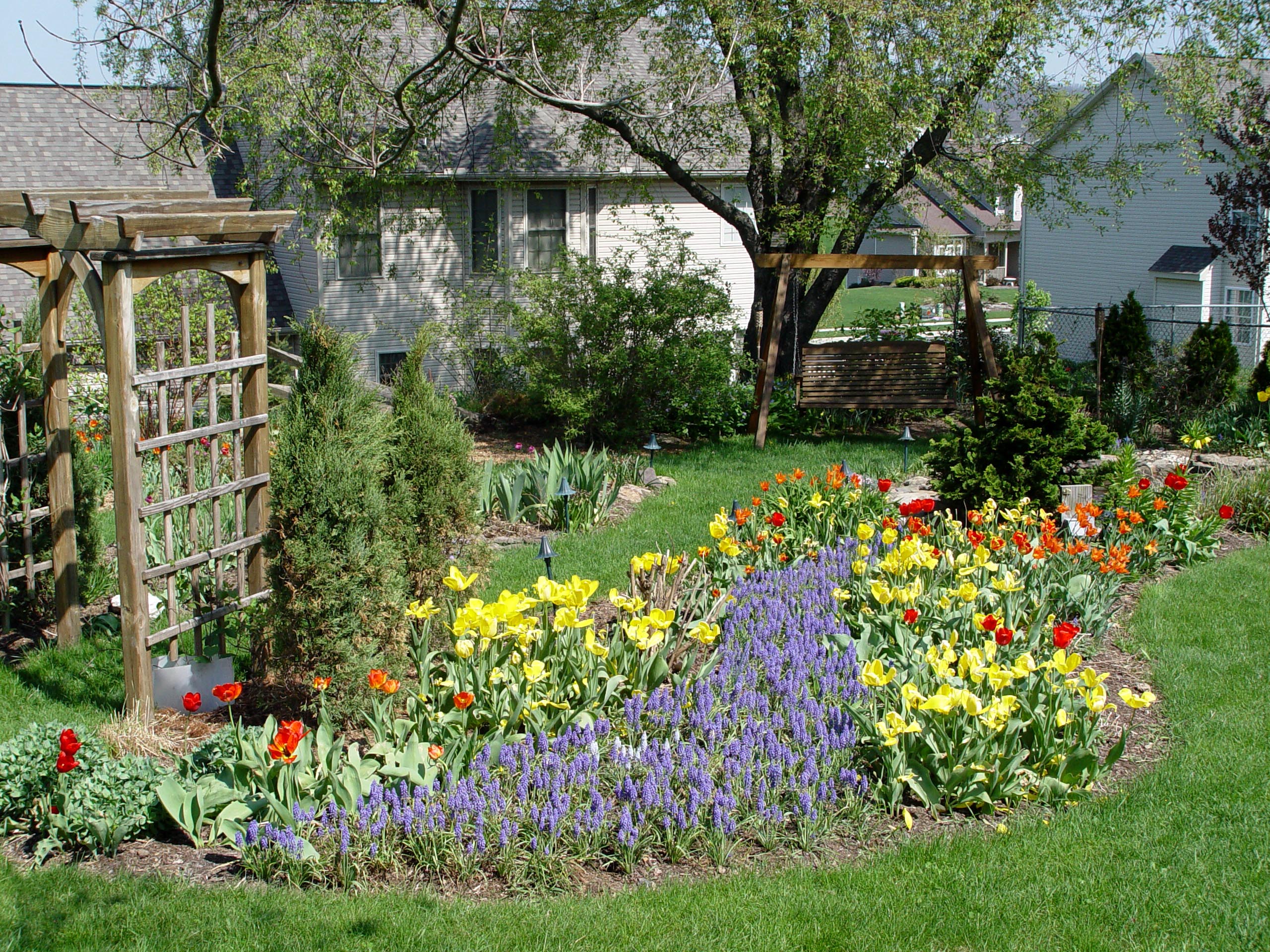
A “river of hyacinths” I once planted in my back yard.

   Southern gardeners salivate to grow the kind of stunning bulb masses we can do March through May, but their winters don’t provide the chill times bulbs need in winter.

   Unfortunately, not a lot of us take advantage of this benefit of Pennsylvania gardening.

   I think it’s a combination of work, expense, timing (people are more in fall mode than planting mode come October), the fact that you have to wait months to see the fruits of your labor, and frustration with animals, which is mainly an issue with tulips and sometimes hyacinths and crocuses.

   If you pick the right bulbs and get them in the right spots (like any plant), you’ll greatly improve your early-season yard color and reward yourself with flowers that come back year after year with relatively little work.

   I have favorites for each situation, if you’d like to give some of them a try. October is the best month for planting spring bulbs in Pennsylvania.

   For more ideas, check out my PennLive garden column on 12 out-of-the-ordinary ways to use spring-flowering bulbs.
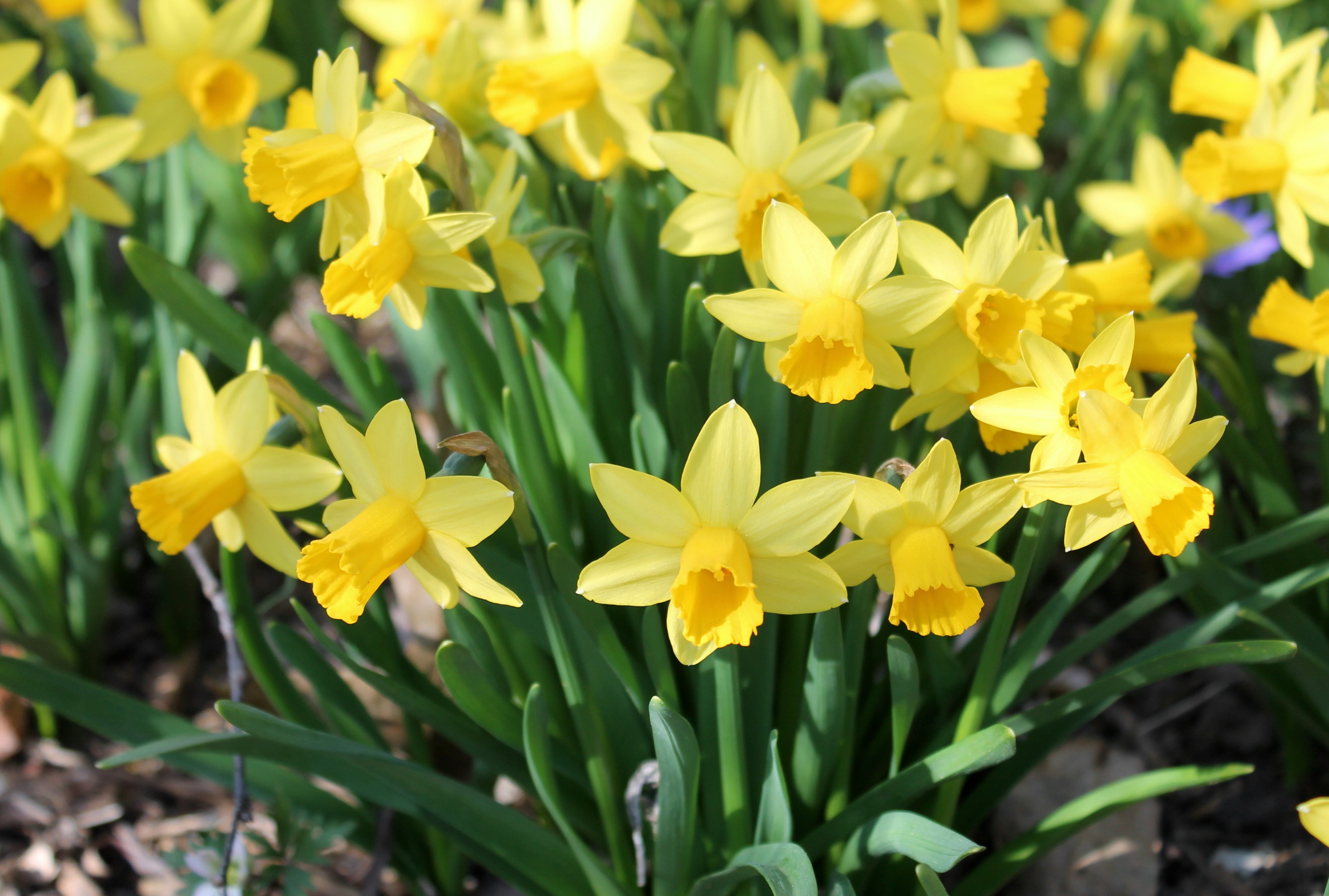
Hardly anything ever eats daffodils.

   Where animals are lurking: Daffodils.

   Rabbits, deer, and rodents mainly feast on tulips, most crocuses, and sometimes hyacinths. So you’re safe with most anything else, although daffodils (Narcissus) are at the top of the bullet-proof list. (I’d pick alliums as a close second.)

   Daffodils are readily available choices with trumpet-shaped flowers that come in a variety of sizes, bloom times, and colors (gold, yellow, white, and peachy pastels).

   In shade: Siberian squill (Scilla siberica).

   Most of the small-flowered, early-emerging bulbs do fine with even with a few hours of sunlight.
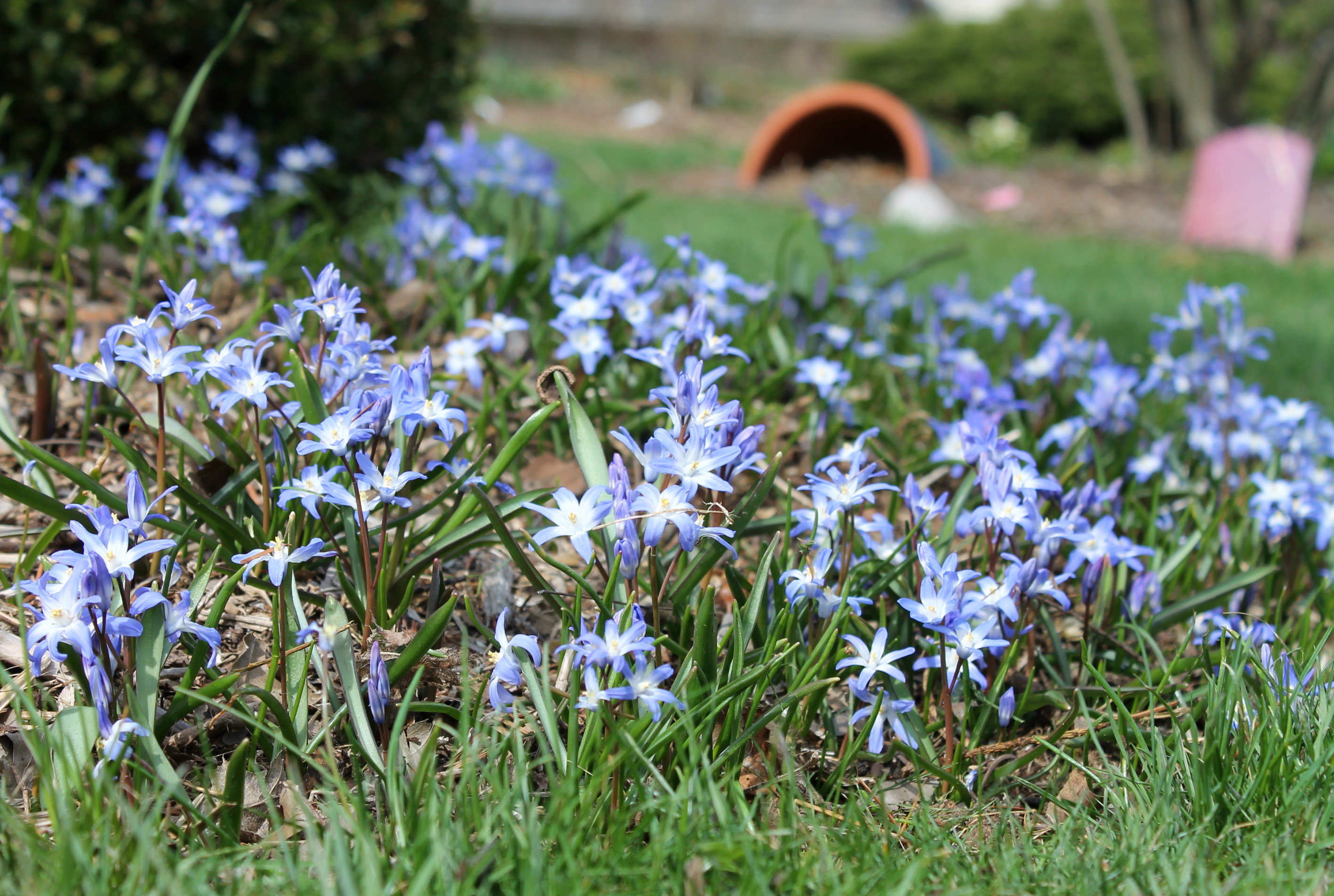
I like the blue flowers of Siberian squill.

   I like Siberian squill for their vibrant blue bell-shaped blooms, which usually peak in early April. They grow only about four inches tall and usually spread like a groundcover, so long as they don’t rot in soggy soil.

   Early risers like these are able to absorb enough sunlight to recharge themselves before overhead trees (the leading cause of landscape shade) leaf out.

   A second good option here is striped squill (Puschkinia scilloides var. libanotica), which bloom in late April with blue-streaked white flowers on eight- to 10-inch plants.
Read More »


12 Conifer Trees You Probably Won’t Kill

October 1st, 2019

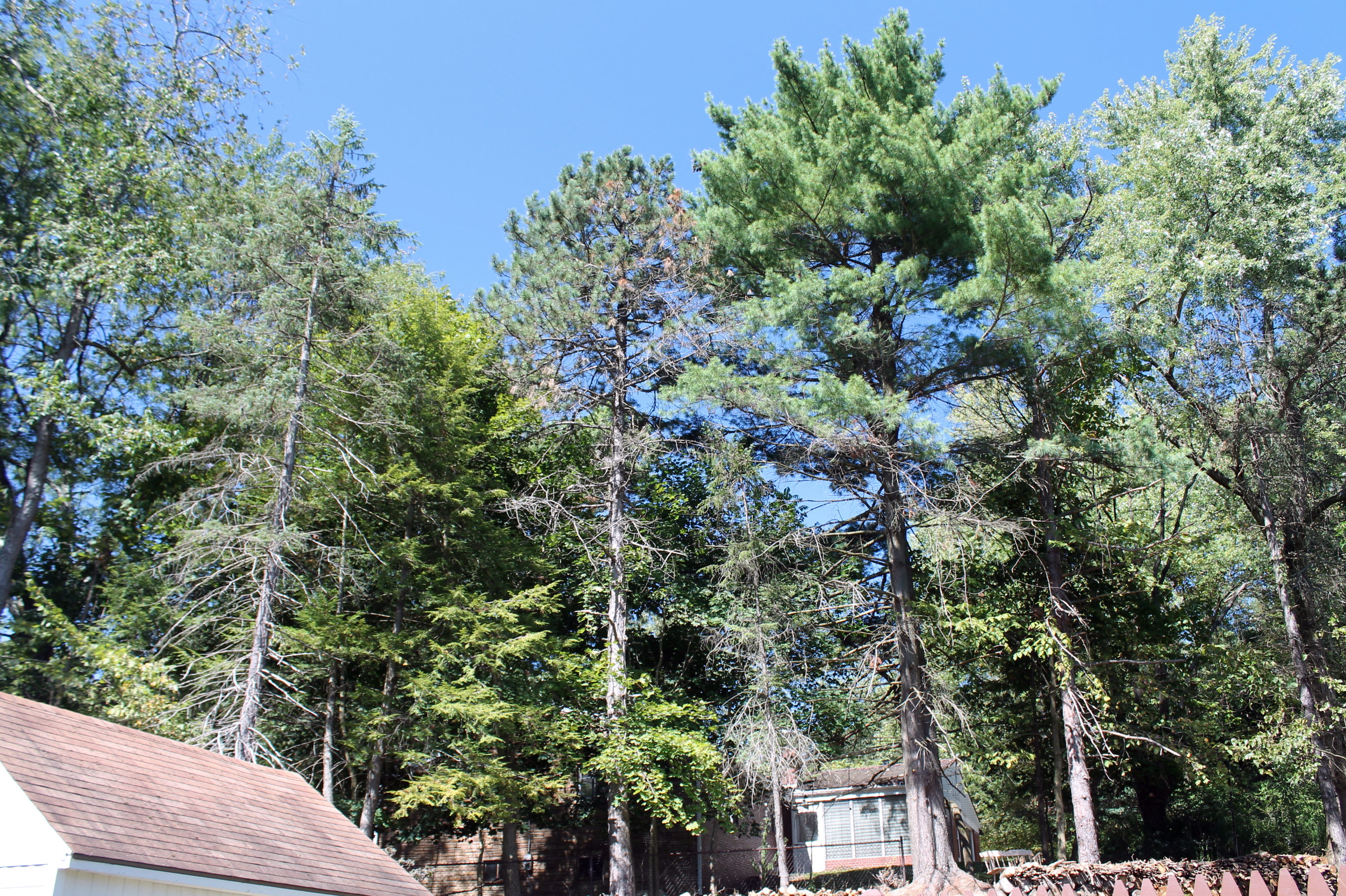
   It’s been a rough last two years for conifers, those cone-bearing needled plants that people typically call “evergreens.”

Disease is killing a lot of spruce trees lately from the bottom up.

   The combination of hotter summers, bouts with polar vortexes in winter, excessive rains, our lousy soil, and increasing threats from assorted bugs and disease have killed a lot of pines, spruces, firs, hemlocks, arborvitae, and even the usually bullet-proof yew.

   Rather than any one plague being responsible for the conifer mayhem that’s been occurring throughout the Northeast and Midwest, the troubles are coming from a variety of sources.

   Some of them are more generalized, like the soggy soil and temperature-extreme issues.

   Others are more species-specific, such as woolly adelgids on hemlocks, bagworms on arborvitae, spider mites on dwarf Alberta spruce, sawflies on pines, and the increasing incidence of needlecast diseases on Douglas firs and Colorado blue spruce.

   All of this doesn’t mean it’s time to give up on conifers altogether. It does mean, though, that you’ll likely save work, money, and heartache by doing enough homework to pick the least trouble-prone species and to get them in good sites, which is generally lots of sun and excellent soil drainage.

   If you’re thinking of adding a conifer or two to your landscape this fall, here are 12 of my favorite tree-sized conifers:

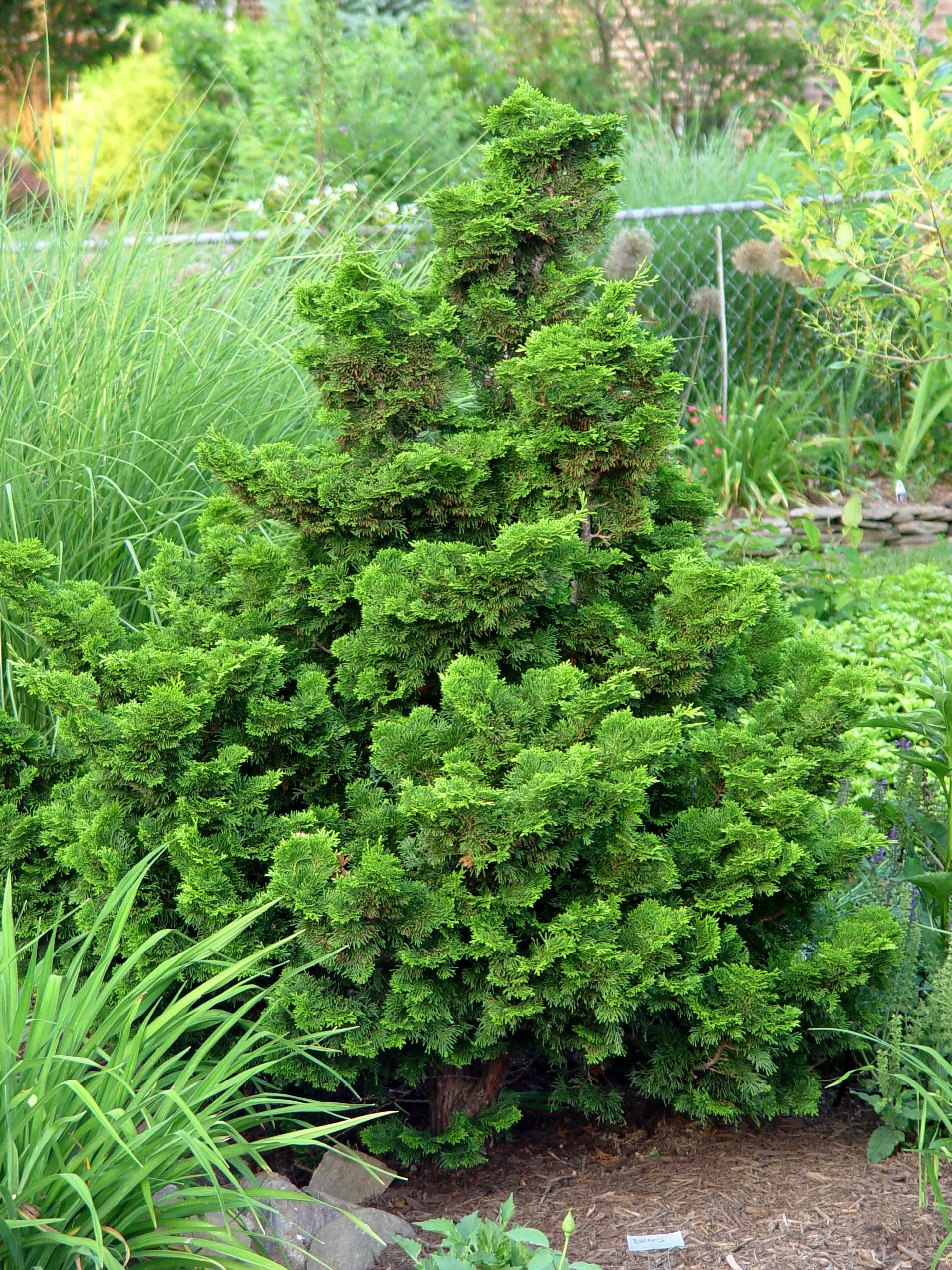
Hinoki cypress ‘Nana Gracilis’

   1.) Hinoki cypress (Chamaecyparis obtusa)

   These come in all sorts of sizes and shapes, from two- to three-foot globes to 18-foot uprights. Some varieties have golden needles.

   Some of the most useful are the dwarf uprights ‘Nana Gracilis’ and ‘Gracilis Compacta,’ which grow slowly to six or eight feet tall and five to seven feet wide. Those are much better options than the mite-prone dwarf Alberta spruce.

   Hinoki cypresses seldom run into any bug or disease troubles, deer don’t care for them, and they’ll take a fair amount of shade.

   2.) Weeping Alaska-cedar (Xanthocyparis nootkatensis)

   This is my favorite specimen conifer. The habit is fairly narrow and upright (25-by-10 feet in 20-25 years) with gracefully arching limbs and soft needles.

   Not a true cedar, Alaska-cedar is extremely cold-hardy and rarely runs into any problems. ‘Green Arrow’ is a particularly skinny variety.

Read More »


Australia and the 2020 Garden Trips

September 24th, 2019

   Our 2020 lineup of garden trips is in the works, and Lowee’s Group Tours and I will be unveiling the details at our fifth annual Garden Travel Day, set for Sat., Oct. 26, at 10 a.m. in the West Hanover Twp. Recreation Center, 628 Walnut Ave., Harrisburg.

Melbourne’s Fitzroy Gardens

   The “big trip” of 2020 will be a 19-day trip to see the gardens, scenery, and unique attractions in the Land Down Under – Australia and New Zealand. It’s scheduled for the end of October into the first week and a half of November, which is Australia’s springtime.

   We’re also planning three multi-day coach trips in 2020 – an eight-day trip to the gardens of Niagara and Toronto along with the Rochester Lilac Festival next spring; a nine-day garden-focused trip to Nashville, St. Louis, and Louisville next summer, and a four-day Christmas-time trip to North Carolina’s Biltmore Estate, plus Stowe Botanical Gardens, ChristmasTown USA, and a tour of the National Gingerbread House Competition.

   Once again in 2020, we’ll be running day trips each weekday to the Philadelphia Flower Show and expanding the choices to day trips on the opening Saturday and Sunday, with options to take part in a Garden Tea event.

   Five additional day trips round out the 2020 lineup, including tours of a pair of Lancaster County home gardens, Delaware’s Mt. Cuba Center and the new Delaware Botanic Gardens, gardens of New York’s Hudson River, and Philadelphia’s Morris Arboretum and Shofuso Japanese House and Garden.

   We’ll have flyers with the full itineraries available for the Oct. 26 Garden Travel Day, and I’ll be doing a PowerPoint presentation showing you what all we’ll be seeing.

   Travel Day is free, and you’re invited! Free refreshments will be served.

   You’ll have a shot at winning raffle prizes, including trip discounts and two of my gardening books. Register ahead of time, and you get an extra raffle ticket.

   To register, call Lowee’s Group Tours at 717-657-9658, email ckelly@lowees.com, or register online at Lowee’s website.

   The West Hanover Rec Center is located just off Linglestown Road near Central Dauphin High School.

   Below are destinations and tentative dates for the 2020 trips. Pricing and more details will be available at the Oct. 28 Garden Travel Day and, as they’re ready, on the George’s Talks and Trips section of my website and on the Garden Series section of Lowee’s website.

Read More »


How Do We Know If a Spray Is “Safe?”

September 17th, 2019

   I came across a home gardening book recently (“Garden Enemies” by Cynthia Westcott) that was popular and well respected in the 1950s for helping gardeners figure out what to do about damage to their plants.

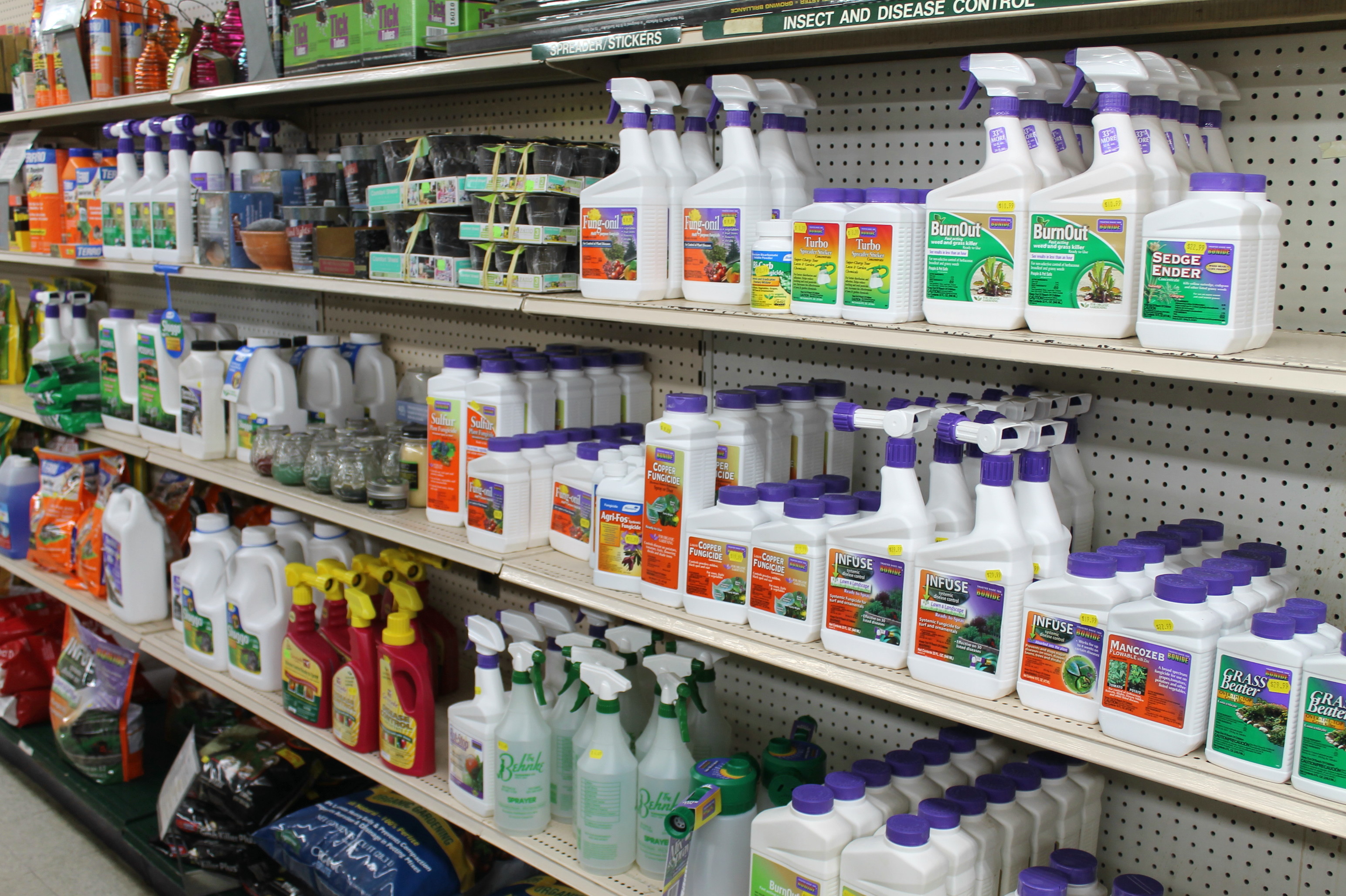
“Safe” or not?

   Over and over again, it suggested DDT as a routine solution to the assorted caterpillars and other bugs crawling in gardens.

   We now cringe at how widely DDT once was used since the U.S. Environmental Protection Agency banned it in 1972 over health and environmental concerns… after millions of people applied millions of pounds of it.

   For one thing, it makes me wonder what we’re spraying today that will be found to be unacceptably toxic tomorrow.

   For another, it makes it hard to answer the question I get a lot, which is, “Is this spray safe to use?”

   I’ve come to the conclusion that “safe” is a relative term. Different people have drastically different ideas on what’s “safe” and what’s not, and the line between “safe” and “unsafe” that even regulators draw is a moving target as new research comes in.

   Witness the current dilemma over the herbicide Roundup.

   Some people use it without whims and point to studies showing that it’s “safe,” while others point to recent lawsuits as evidence that Roundup is a cancer-causer that ought to be banned.

Read More »


One Person’s Weed…

September 10th, 2019

   You’ve probably heard the saying that one person’s weed is another’s wildflower (a gardening variation on the better known “One person’s trash is another’s treasure.”)

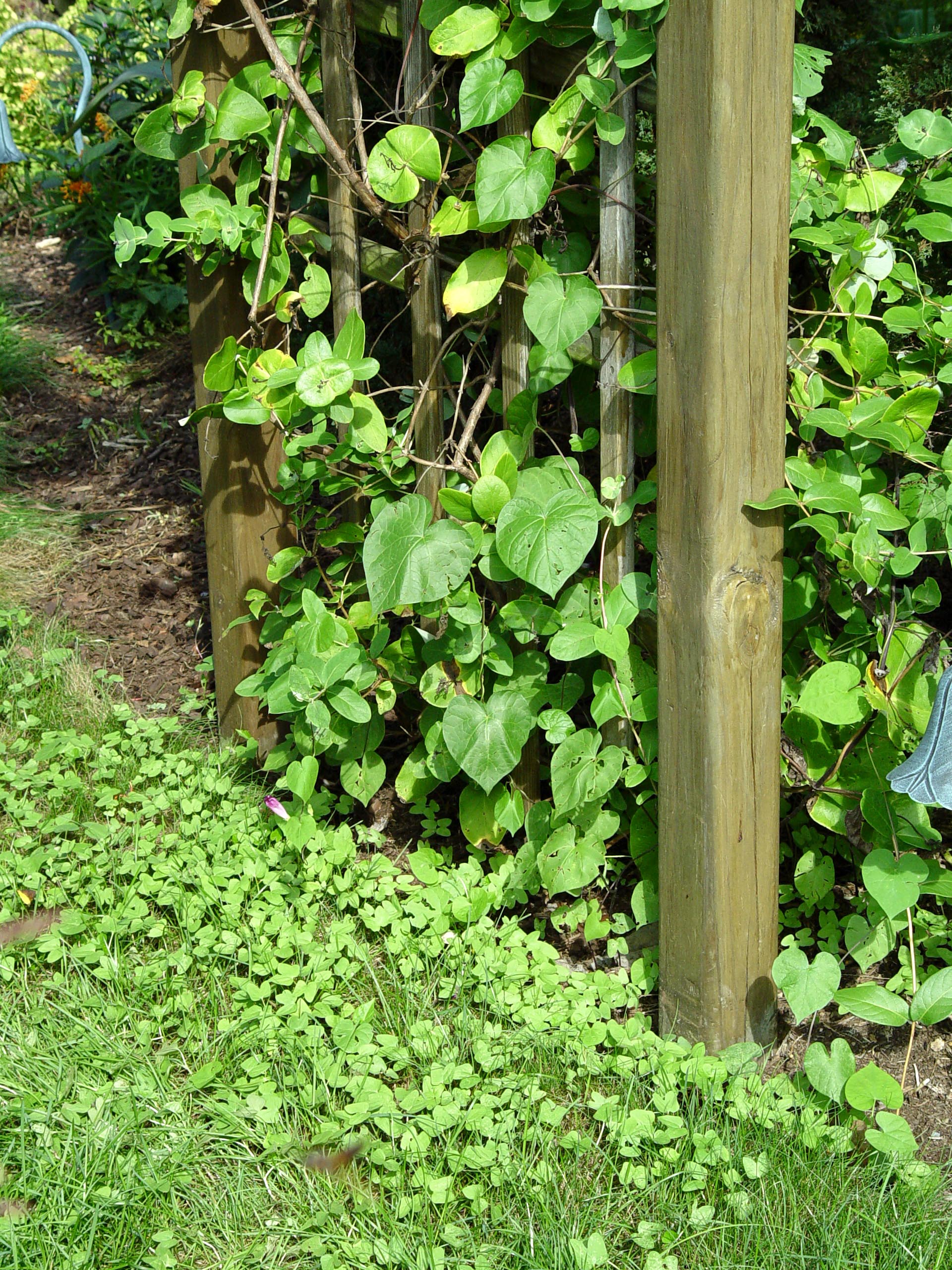
Morning glory “babies” are coming up in the lawn beneath the mama… and they’ll do that for years on end.

   The point is that we all have different opinions on what plants we like and what we should plant in our yards.

   That’s usually an amiable disagreement, except for those who get really, really upset when people plant something they consider to be invasive.

   I know I’m going to hear from somebody in that camp whenever I mention plants such as barberry or butterfly bush (even if they’re sterile varieties) and sometimes even when I suggest planting anything other than a native plant.

   I usually don’t hear from the far other side, though. But apparently there are some who have no qualms about planting anything, invasive/aggressive or not. If they like it, that’s all that counts.

   I heard from a Philadelphia-area gardener with that viewpoint who took issue with an article I wrote last month for PennLive.com in which I warned people about “pass-along plants” they might come to regret.

   Pass-alongs are plants that friends and neighbors give away.

   Sometimes you can get really nice plants that way, but as I pointed out in the PennLive post, more often than not you get divisions or seedlings of plants that were spreading too aggressively in the giver’s yard.

   People often don’t have the heart to dig up and throw out perfectly healthy plants, so they look to give away the unwanted offspring.

   Anyway, the Philly gardener called me an “alarmist” and said that “you know well that many of the wonderful plants that you have put out as on ‘alert’ are not problematic and can be lovely in a garden.”

   He said he has many of the plants that I mentioned in his gardens, including ajuga, butterfly bush, rose-of-sharon, borage, lily-of-the-valley, creeping jenny, beebalm, and spiderwort.

   “Temper your commentary,” he lectured. “Instead of broad swathes of alarm and wanting people to like you, inform and educate factually.”

   Now, I’m OK with people deciding to plant whatever they want in their own yard (so long as it’s legal and doesn’t cause trouble for others), but I don’t think it’s “alarmist” to warn people about aggressiveness.

Read More »


« Older Ramblings and Readlings Newer Ramblings and Readlings »

  • Home
  • Garden House-Calls
  • George's Talks & Trips
  • Disclosure

© 2026 George Weigel | Site designed and programmed by Pittsburgh Web Developer Andy Weigel using WordPress