• Home
  • Contact
  • Site Map
George Weigel - Central PA Gardening
  • Landscape 1
  • Landscape 2
  • Landscape 3
  • Landscape 4
  • Garden Drawings
  • Talks & Trips
  • Patriot-News/Pennlive Posts
  • Buy Helpful Info

Navigation

  • Storage Shed (Useful Past Columns)
  • About George
  • Sign Up for George's Free E-Column
  • Plant Profiles
  • Timely Tips
  • George’s Handy Lists
  • George's Friends
  • Photo Galleries
  • Links and Resources
  • Support George’s Efforts


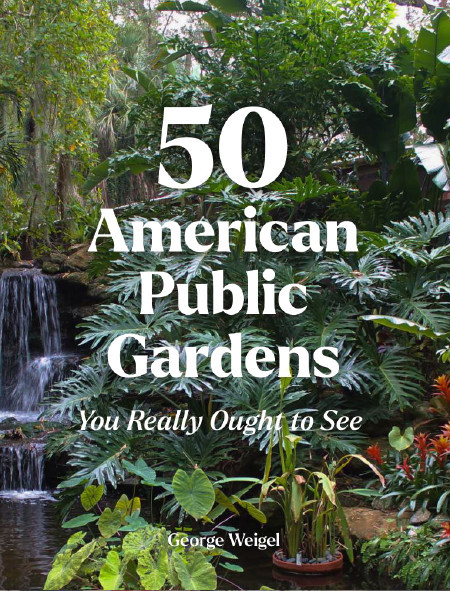
George’s new “50 American Public Gardens You Really Ought to See” e-book steers you to the top gardens to add to your bucket list.

Read More | Order Now


George’s “Survivor Plant List” is a 19-page booklet detailing hundreds of the toughest and highest-performing plants.

Click Here


Has the info here been useful? Support George’s efforts by clicking below.


Looking for other ways to support George?

Click Here

George's Current Ramblings and Readlings

Band-Aid Gardening

December 17th, 2019

   Gardening in Pennsylvania sometimes is a little hazardous, what with ticks and poison ivy lurking, slips on wet-clay slopes a threat in spring, sunburn likely in summer, and eye-pokes on hidden stakes possible anytime.
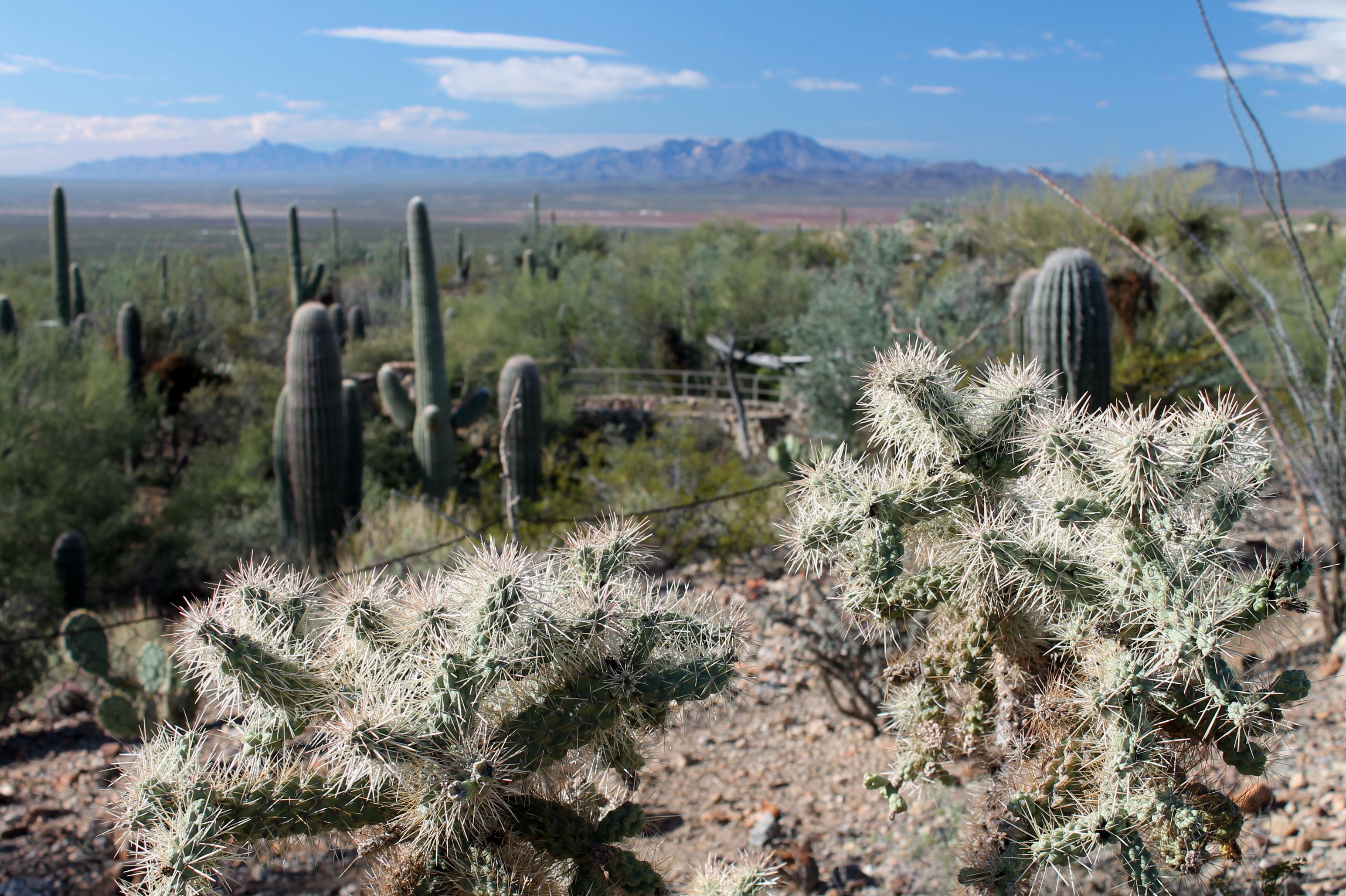
Typical Arizona… needled chollo cactus backdropped by needled saguaro cactus.

   But our kindred spirits in Arizona have it far tougher, risking bloodshed every trip into the yard.

   I’m just back from leading a tour to Tucson, Phoenix, and Sedona, Ariz., and I’ve never seen so many plants that arm themselves. Needles, spikes, thorns, and swords disguised as leaves are everywhere.

See a photo gallery of plants, scenery, and other sights from the Arizona trip

See George’s lineup of 2020 gardening trips

   Cacti of all shapes and sizes wield sharp, stiff needles that pierce even gloved hands.

   Bushy natives such as yucca and “desert spoons” grow in rosettes of narrow, upright blades that make them look like giant pincushions.

   The popular blue agave – used to make tequila – has even bigger, fatter sword-shaped leaves that have serrated edges in addition to pointy tips.

   And even many of the trees, such as the green-barked palo verdes and fine-leafed mesquites, come equipped with little hooked thorns on the branches to make you think twice about whether you want to prune them.

   I’d go through a box of Band-Aids every week trying to garden out there.
Read More »


No, Poinsettias Won’t Kill You

December 10th, 2019

   One myth about poinsettias that just won’t go away is the one that claims they’re poisonous – enough so to kill people.

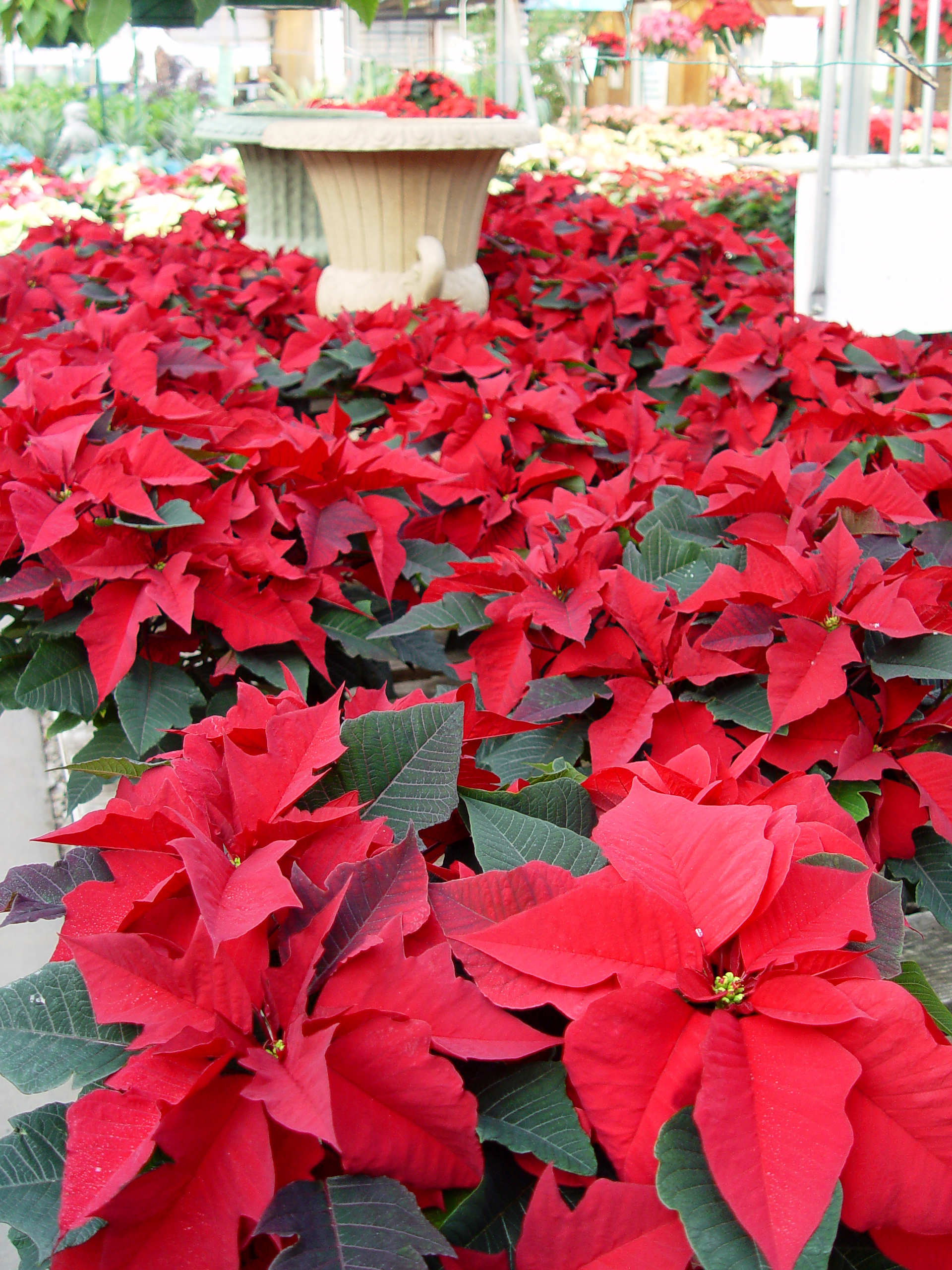
This is not a sea of death.

   That belief apparently dates to a misdiagnosed death of a Hawaiian two-year-old in 1919.

   Despite numerous research reports ever since, about half of Americans still believe that poinsettias are poisonous. Many people won’t buy one or even go near them.

   It’s true that some people get a skin rash from the plant’s milky sap. And it’s true that a child could choke on the fibrous stems or that your dog might throw up if he/she somehow stomachs a cluster of the disgustingly bitter leaves.

   But according to poison control centers and Ohio State University researchers, a 50-pound toddler could eat 500 poinsettia leaves and live to tell about it (and probably go on to a career in eating competitions).

   I got a mention in humorist Dave Barry’s column once for reporting the OSU research. He mused about how researchers managed to stuff 500 poinsettia leaves down the poor toddler’s throat.

   Anyway, the myth of the poisonous poinsettia is just one of the peculiarities surrounding this queen of holiday plants. It ranks as America’s top-selling flowering potted plant (even though hardly anyone buys one other than between Thanksgiving and Christmas), and it’s the one plant that even the non-gardeniest of non-gardeners buys.

   In its natural habitat along Mexico’s Pacific coast, the poinsettia is a rather gangly 10- to 12-foot shrub that looks to be blooming red in winter.

   I’ve seen them growing in the Caribbean landscape, and although their color is eye-grabbing, the plant itself is bare-legged and scraggly, not squat and dense like the ones on garden-center benches. Those are made compact via grafting, pruning, and growth regulators.

Read More »


Orchids for Christmas?

December 3rd, 2019

   Nothing comes close to the poinsettia as king of the Christmas plants.

Moth orchids have become a popular Christmas plant.

   But lately, there’s an elegant floral queen that’s been closing the popularity gap – orchids.

   This large and diverse family of bloomers used to have the reputation of being expensive to buy and finicky to grow.

   Then mass merchants began carrying relatively easy-to-grow moth orchids, jacking up grower production and driving down retail prices.

   So although poinsettias are still the top-selling potted plant in the U.S. – with almost all of them changing hands between Thanksgiving and Christmas – orchids have moved into the No. 2 position in dollars sold, ahead of both Easter lilies and fall mums.

   Orchids have a few Christmasy advantages.

   For one thing, they still seem pricey and elegant, making them alluring gift choices.

   They also come in lots of colors, are non-toxic and low-allergenic as a houseplant, and some are fragrant.

   Orchids have exceptionally long bloom times, too – usually months.

   And unlike poinsettias, which are generally throw-away plants since they’re difficult to bring back into color at home, orchids can last and rebloom for years (if you know a few care basics, which I’ll get to in a minute).

   Although orchids aren’t as purely seasonal as poinsettias, mums and Easter lilies, many of them have the good marketing sense to bloom in December – a must for Christmas sales.

Read More »


12 Plants I Wish I Could Grow but Can’t

November 26th, 2019

   The grass is always greener on the other side (unless you’re a fertilizer fanatic).

   The same is often true with plants when you travel to other climates and see what those gardeners can grow that you can’t.

   Warmer winters, different soils, and less erratic/extreme weather add up to a lot of amazing and beautiful plants that we just can’t grow in Pennsylvania.

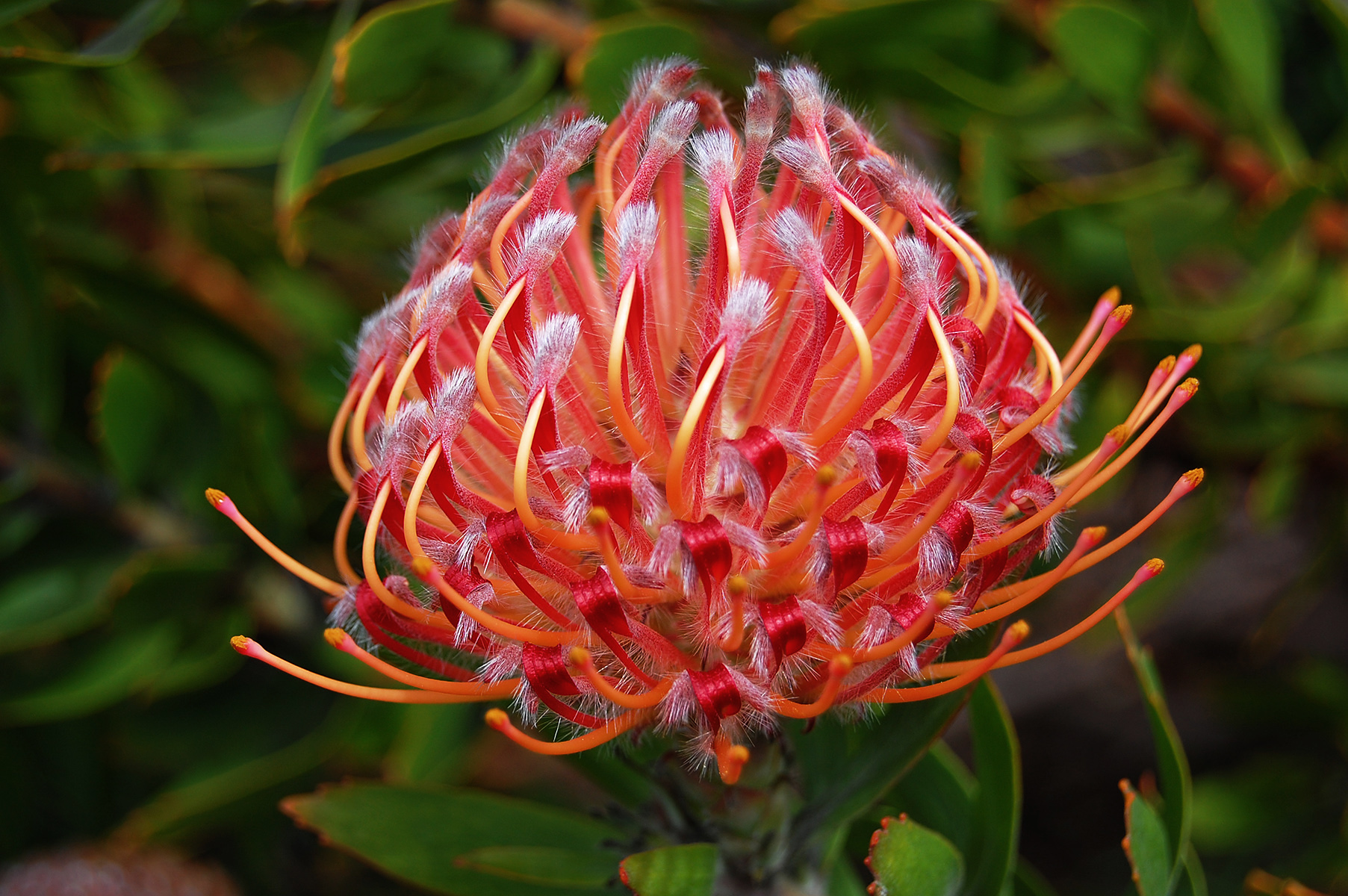
A protea bloom.

   I’ve seen plenty that I wish I could grow but know that I can’t.

  Here are 12 at the top of my list:

Protea

   I saw these giant, other-worldly flowers growing in South Africa, and they’re so big, colorful, and showy that they make even our zinnias and dahlias look measly.

   Proteas’ crown-like, sunflower-sized blooms shout out attention. No wonder florists turn to them when they really want to make a statement.

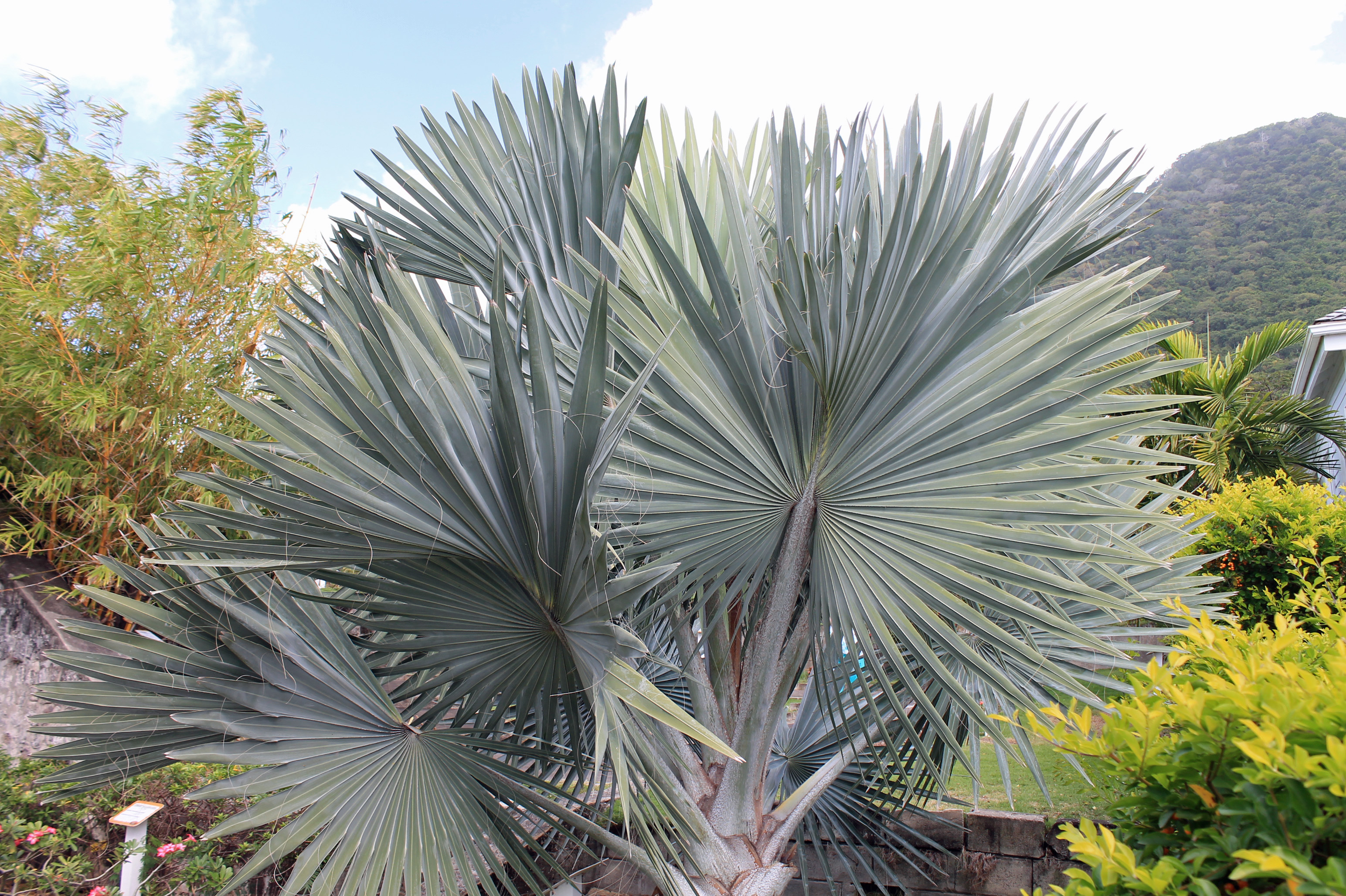
Bismarck palm

The blue-foliage form of Bismarck palm.

   I love almost all palms, mainly because they’re the poster boys of beachy weather but also because they’re so textural and energetic on a windy day. Add blue sky as a backdrop, and I could look at that for hours.

   My favorite of all, though, is the Bismarck palm with its 10-foot-wide, pinwheel-like fans of steely blue.

Pride of Madeira

   I first saw the vibrant-blue, two-foot-long, pointed plumes of this shrub-like, Zone 9 perennial while leading a garden trip in Monterey, Calif. Everybody raved over them and wanted to know what they were (botanically, Echium candicans).

   If you think lupines are nice, double the size, turn them blue, and you get something close to pride of Madeira. The name is earned.

Blue poppies

   I tried and failed to grow these fickle perennials, which are really poppy-like, baby-blue flowers called Meconopsis rather than true poppies.

   They grow nicely in the moderate climates of the Pacific Northwest and Great Britain, but our summers are too hot and humid for these delicate beauties.

   My wife once bought me seeds and challenged my botanical manhood to grow them. I got a few seeds to germinate, babied one plant to garden planting, and that one died after one season and no bloom.

Read More »


Gold Medal Plants of 2020

November 19th, 2019

   One of the best resources for making wise plant picks in Pennsylvania gardens is the Pennsylvania Horticultural Society’s Gold Medal Plant Program.

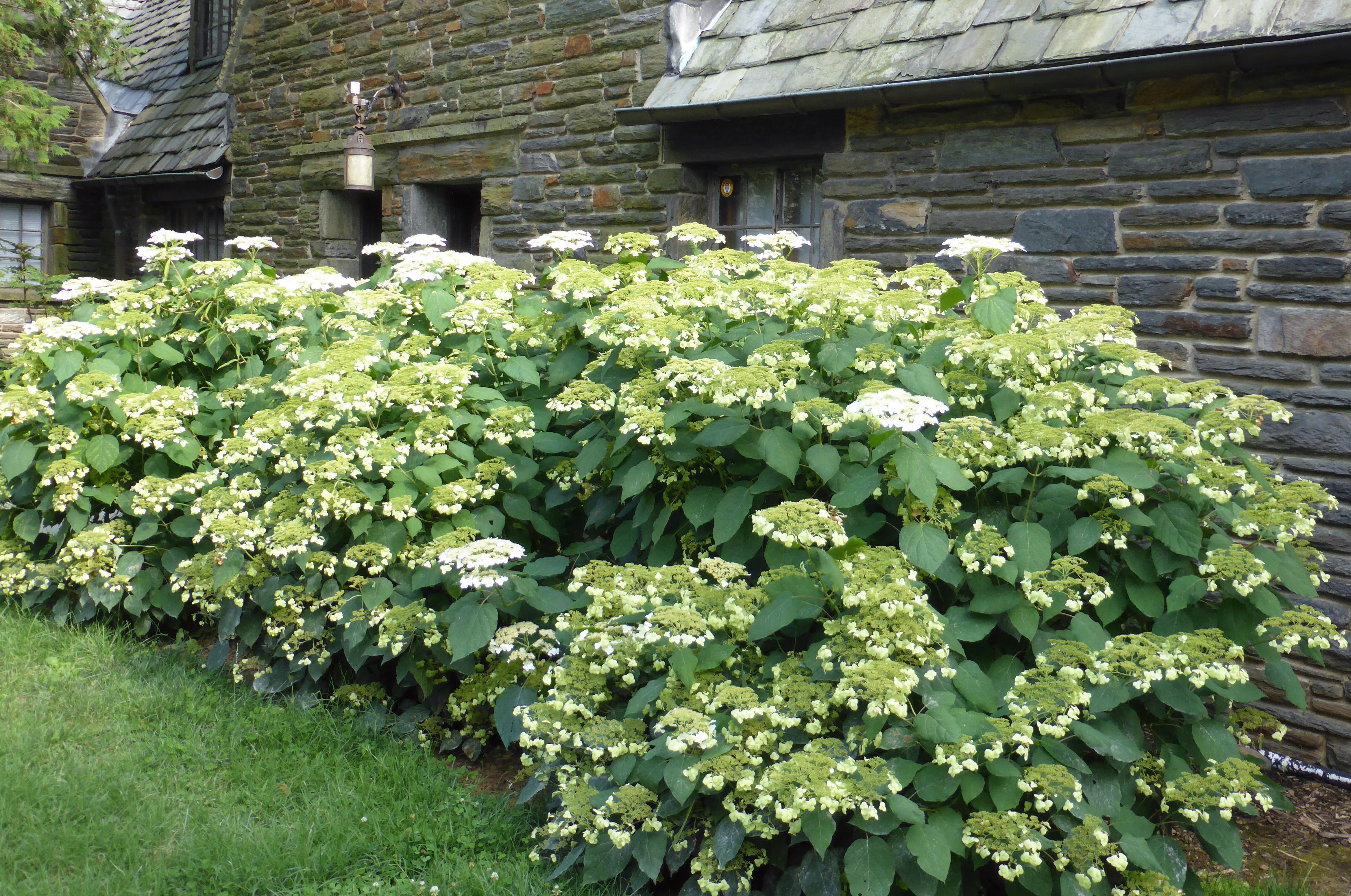
2020 Gold Medal winner hydrangea ‘Haas’ Halo’ in bloom. (Credit: Scott Arboretum)

   Each year, a panel of regional plant experts gets together to hash out what are some of the best trees, shrubs, evergreens, and perennial flowers that deserve greater use in our landscapes.

   The criteria is that the plants have to be hardy in Zones 5 to 7, have to be solid all-around performers, should be attractive in more than one season, and preferably be resistant to deer browsing but beneficial ecologically.

   The deciding factor is that they’re under-used and/or under-known.

   The PHS Gold Medal panel has been making picks since 1979, originally starting with just woody plants but expanding into perennials five years ago.

   Plants are nominated from submissions by home gardeners, garden designers, horticulturists, landscape architects, nursery owners, and propagators.

   I’ve been on the panel for about a dozen years now, and I can tell you a lot of thought and input goes into the selections. More nominees get rejected than selected. Even one significant drawback can be enough to derail a plant.

   Sometimes we pick a whole species, if the straight species is a superior performer or if multiple varieties of a species are all pretty good.

   Other times, a particular variety is singled out as a Gold Medal-winner.

   I’ve grouped all of the winners since 1988 in a category-by-category listing under the George’s Handy List section of my website.

   PHS recently announced the new set of six winners for 2020. They’ll be on display with other Gold Medal winners at the 2020 Philadelphia Flower Show.

   Here are the 2020 Gold Medal plants:

Read More »


« Older Ramblings and Readlings Newer Ramblings and Readlings »

  • Home
  • Garden House-Calls
  • George's Talks & Trips
  • Disclosure

© 2026 George Weigel | Site designed and programmed by Pittsburgh Web Developer Andy Weigel using WordPress