
• Home
  • Contact
  • Site Map
George Weigel - Central PA Gardening
  • Landscape 1
  • Landscape 2
  • Landscape 3
  • Landscape 4
  • Garden Drawings
  • Talks & Trips
  • Patriot-News/Pennlive Posts
  • Buy Helpful Info

Navigation

  • Storage Shed (Useful Past Columns)
  • About George
  • Sign Up for George's Free E-Column
  • Plant Profiles
  • Timely Tips
  • George’s Handy Lists
  • George's Friends
  • Photo Galleries
  • Links and Resources
  • Support George’s Efforts


George’s new “50 American Public Gardens You Really Ought to See” e-book steers you to the top gardens to add to your bucket list.

Read More | Order Now


George’s “Survivor Plant List” is a 19-page booklet detailing hundreds of the toughest and highest-performing plants.

Click Here


Has the info here been useful? Support George’s efforts by clicking below.


Looking for other ways to support George?

Click Here

George's Current Ramblings and Readlings

To Treat or Not to Treat?

August 4th, 2020

   We’ve reached that point in the growing season where much of our gardening time is spent dealing with “issues” that have cropped up with plants.
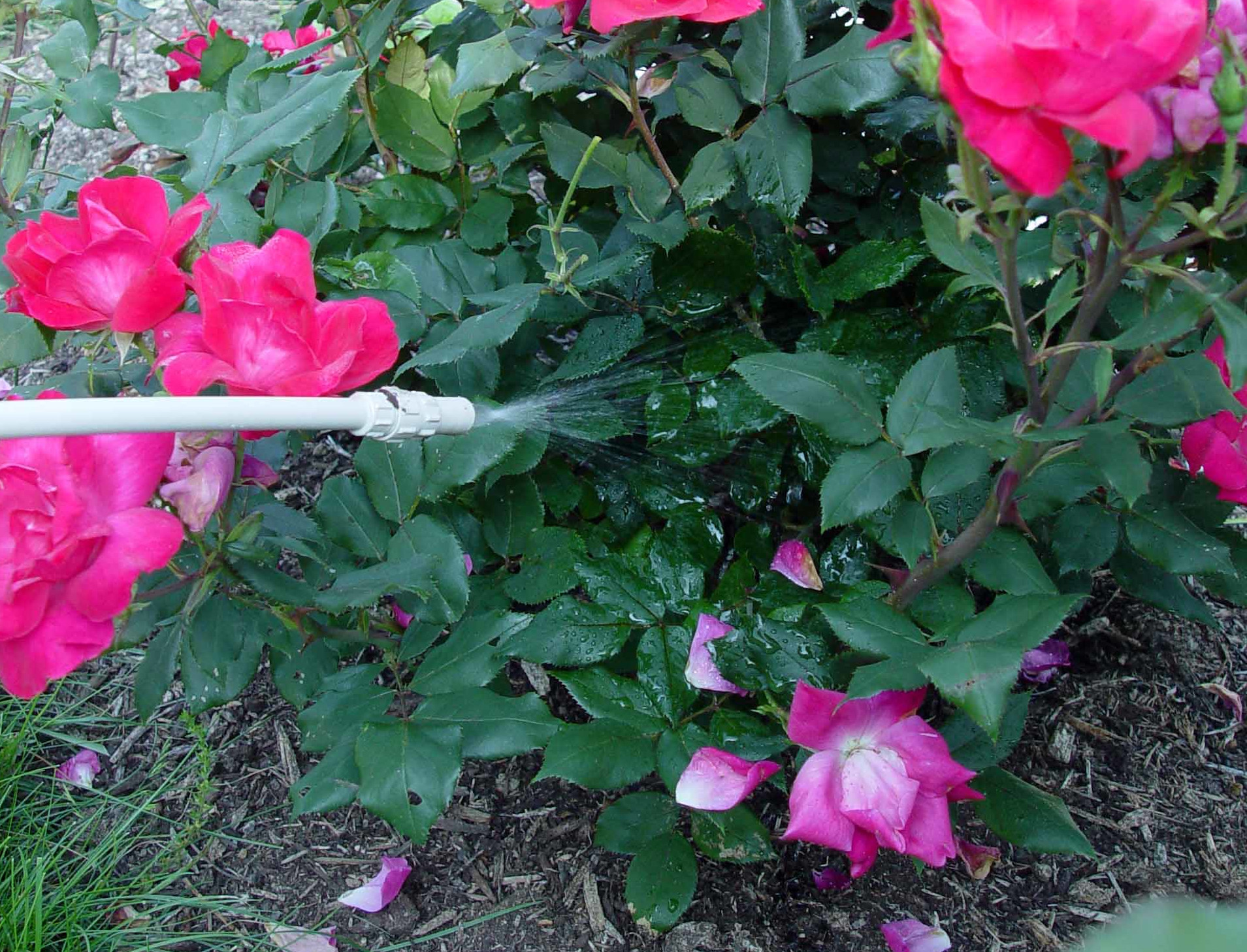
Spraying isn’t needed as much as some people think.

   By now, just about all bugs and diseases have made their annual appearances, not to mention troubles related to animals, weather, and such.

   Figuring out what’s gone wrong isn’t always easy, which is why some gardeners – fearing their plants will die if they don’t do something – turn to sprays, fertilizers, and other products in the hope that one of them will help.

   Unfortunately, that hail-Mary approach usually doesn’t work.

   If you’re not attacking a problem with the right treatment at the right time (assuming treatment was needed in the first place), you’re wasting time and money, needlessly polluting air, water, and sometimes yourself, and maybe even doing something that makes the problem worse.

   Now before you say, “Here goes another wacko organic rant,” this is not about the evils of the Ortho aisle.

   Sometimes plants really are going to die unless you take action.

   Sometimes treatment is justified and effective.

   And sometimes a chemical treatment is less harmful to people, plants, and the environment than some of the “natural” products and homemade concoctions that people assume are “safe.”  

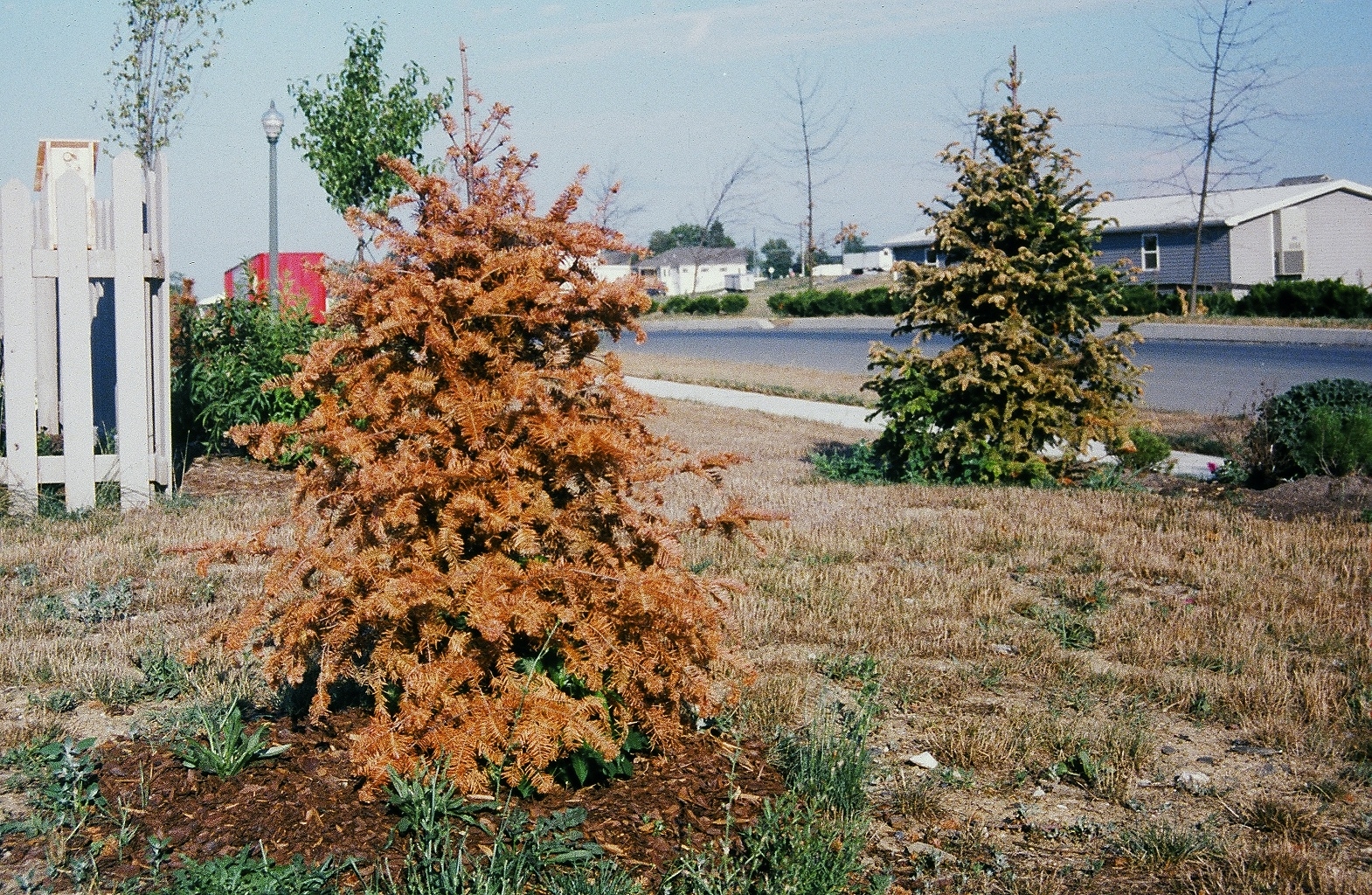
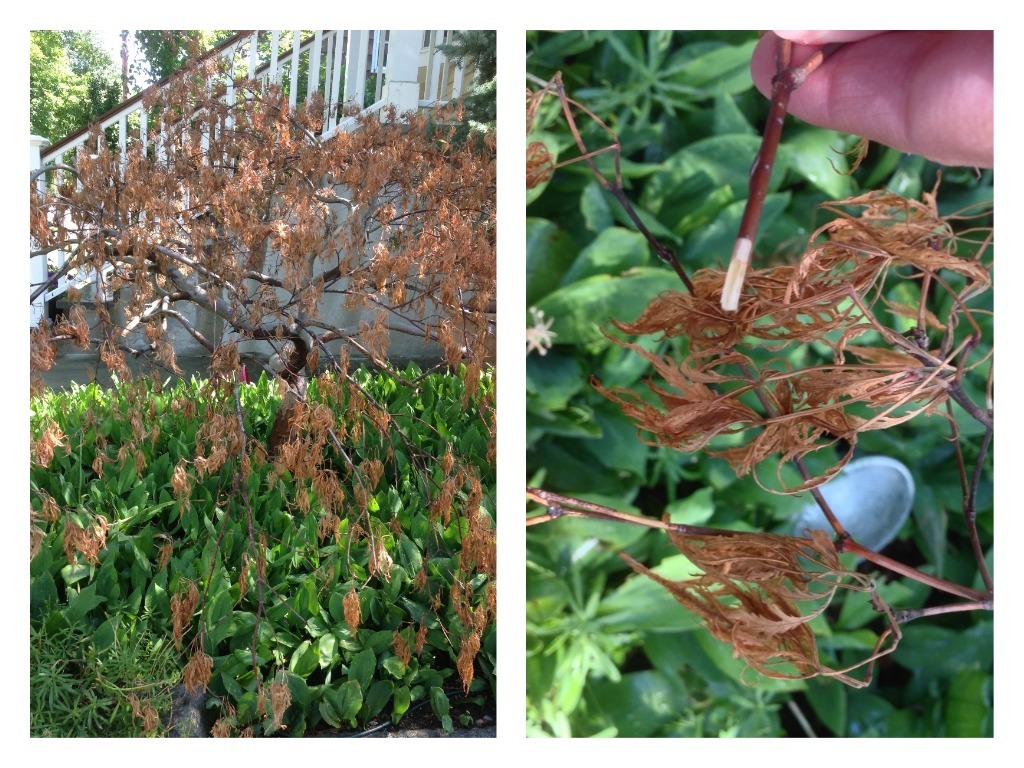
   The missing puzzle piece here is detective work. Before taking any action on a plant problem, I think it’s worth investing in some homework to figure out what’s going wrong.
Read More »


The WOOPS Way to Predict Weather

July 28th, 2020

   Forget AccuWeather, the National Weather Service, and even the Farmer’s Almanac.

Got this going on? Then WOOPS says no rain is in the forecast.

   If you’re a gardener and you really want to figure out what weather’s on the way, the most accurate system is one I’ve figured out… one I call the “WOOPS model of weather forecasting.”

   I’ve been using it for years, and I’ve found it’s the most accurate, laser-focused way to predict the weather – right down to what’s coming to your specific yard.

   WOOPS stands for “Weather Opposite Of Plant Situations.”

   It’s based on the principles of Murphy’s Law and has only two simple factors: 1.) determine what weather you really need at the moment, and 2.) expect the opposite.

   The most glaring example is the weather we’ve had for most of this month.

   If you watched the “regular” forecasts like a hawk, you probably had your green-lawn hopes raised by the almost daily predictions of thunderstorms – often 30 to 50 percent chances.

   Statistically, that means a storm should pan out on at least one out of every two or three days.

   I don’t know about you, but the storms missed my yard every time.

   That didn’t surprise me because my WOOPS model expected absolutely no meaningful rain, based on the fact that I just got done planting a whole yard full of new plants.

   New plants need a lot of water regularly, so what I really needed this summer was a summer like the past two – wetter than usual.

   WOOPS told me that wasn’t going to happen, so I was able to forecast a brutally hot and dry summer of 2021 as far back as last year, when I cleared out the jungle I inherited in order to plant this spring.

   WOOPS forecasts become even more accurate the higher that water bills go. Since my sewer-attached water bills in Pittsburgh are incredibly higher than my former Hampden Twp. water, sewer, and trash costs combined, I knew a dry summer was a lock.

   To put WOOPS simply, if you need rain, you’re going to get dry. I’ve had people in the Dillsburg area tell me that when they get into a dry spell, they can watch the weather radar and actually see storms split apart so the rain misses their yards right down the middle.

Read More »


Why So Many Japanese Maples Are Dying

July 21st, 2020

   Japanese maples have never been one of the easier plants to grow.

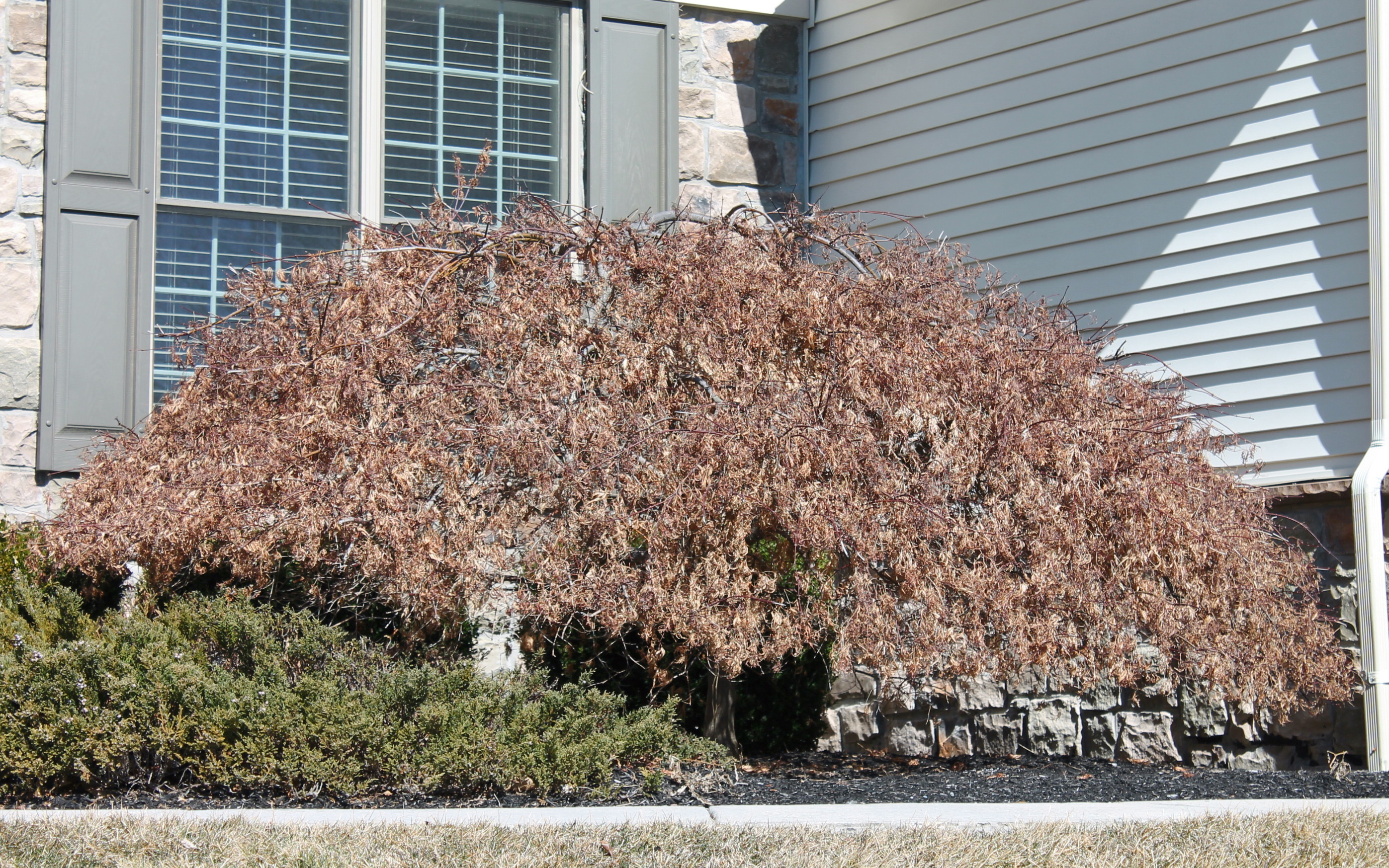
This Japanese maple never lost its foliage last year and has now died.

   The coveted cut-leaf types are especially finicky with their thin leaves and low tolerance for lousy soil and less-than-ideal sites.

   But this season,  and really the past two years, have been particularly troublesome to this widely planted specimen small tree.

   I’m hearing widespread reports from gardeners all over who either are worried by struggling Japanese maples with lots of dead branches or dead trees altogether.

   Gardeners are especially concerned because Japanese maples are so slow-growing and therefore so expensive.

   Unfortunately, the three main explanations for the glut of maple mayhem are largely out of our control. All are related to erratic weather.

   No. 1 goes back to the past two growing seasons, when we’ve had some record-setting rain dumpings. Those caused soggy conditions in poorly drained planting sites.

   Since Japanese maples aren’t fans of “wet feet,” it doesn’t take long for roots to start rotting in wet clay. Maples also are prone to several root-rotting diseases, which are encouraged in wet weather.

   With compromised root systems, that sets trees up for potentially fatal problems when other stresses come along.

   Cause No. 2 is one of those other stresses. We had an extended warm spell in early fall, followed by a sudden nosedive into freezing territory.

This weeping Japanese maple never turned color in fall. The leaves went from in-season red to brown and hung on most of winter.

   The problem with that is it shocks branches that haven’t yet fully prepared for winter cold. The most obvious result is trees whose leaves go from growing-season color directly to brown and then hang on.

   That happens when leaves aren’t able to go through the normal progression of gradually shutting down chlorophyll, then turning color, then “pushing” off the leaves by sealing off where the leaves attach to the stems (a process called “abscission”).

   With unsealed leaf attachments, trees can lose additional moisture over winter, which can kill roots.

   That’s happened in three of the past four falls, thanks to our increasingly wacky weather in a changing climate.

   Cause No. 3 was the real finishing blow.

Read More »


Taking It to the Bank

July 14th, 2020

   Planting a steep bank is one of gardening’s worst challenges.

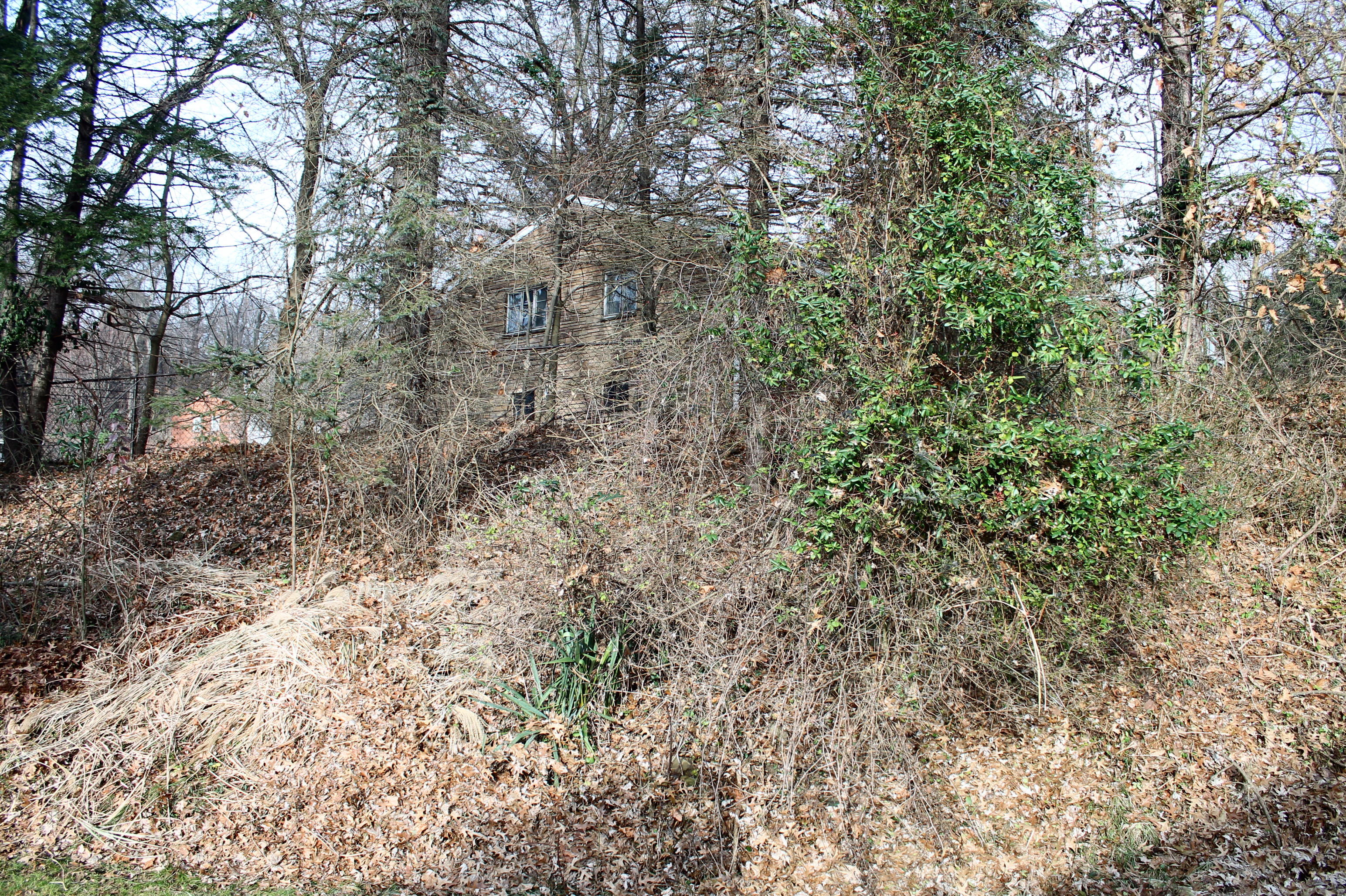
This is part of the bank nightmare as I found it in winter.

   When the bank is covered in weeds, pock-marked with rocks the size of riding-mower engines, and obscured by poison ivy, wild grape vines, and wintercreeper vines growing 40 feet up half-dead trees, it’s more nightmare than challenge.

   That’s what I faced in my new Pittsburgh back yard, which for some reason seemed like a doable challenge at buying time a year or so ago.

   Neighbors told me the previous owners seldom ventured outside, and other than a once-a-year leaf-raking, didn’t do any yard maintenance in the eight years they lived there.

   The huge bank across the whole back yard certainly showed it. The bank runs more than 100 feet across and 30 to 40 feet up, with a slope angle of about 45 degrees… enough to easily slip on (which my bruised elbows will verify).

   After a year of brutal labor, I’m getting it under control. I thought I’d share what I’ve done in case others of you have similar banking problems… or just enjoy a good horror story.

Read More »


Why It’s SO Important to Get Watering Right

July 7th, 2020

   I hope you’re staying on top of the garden-watering.

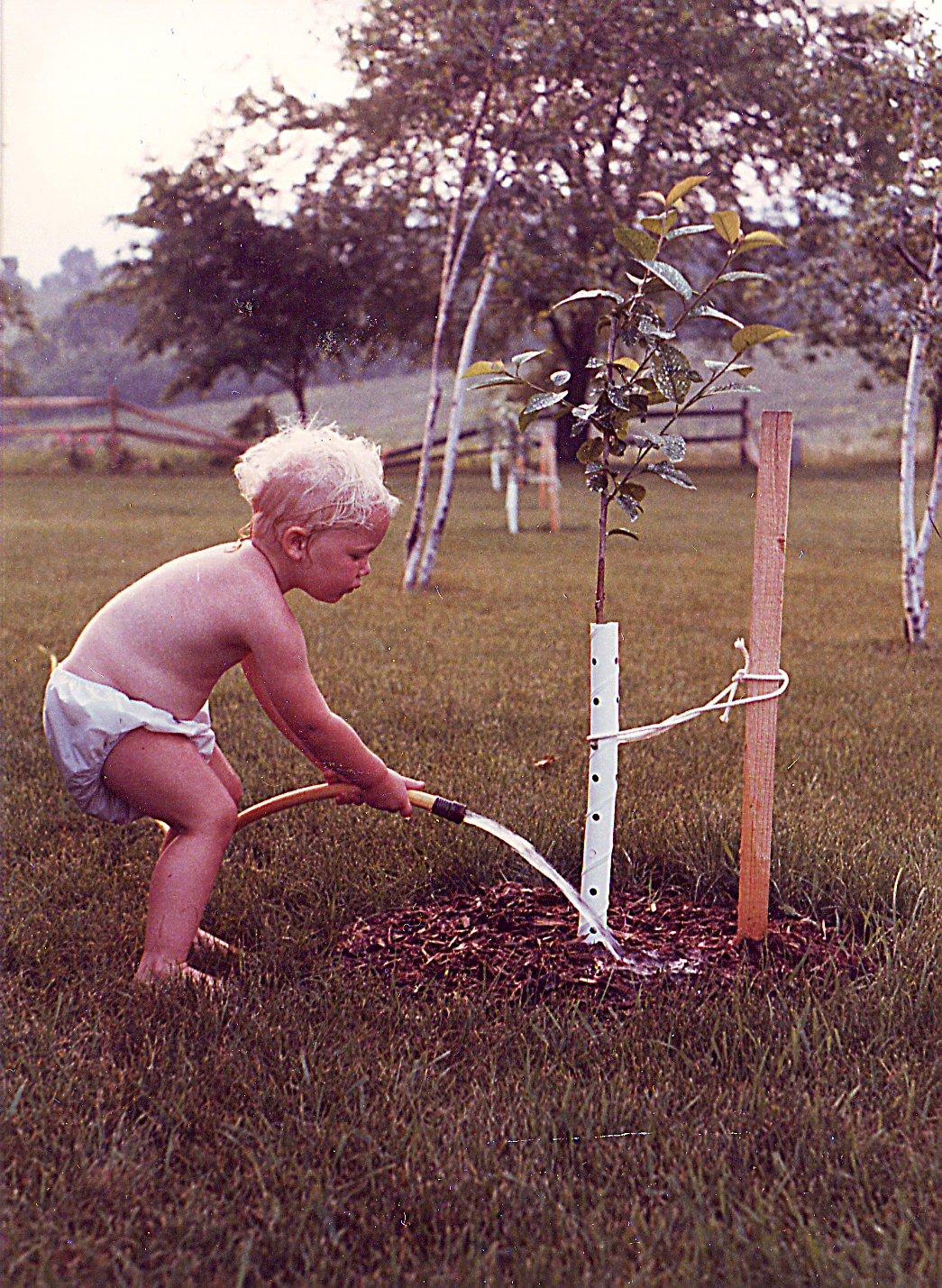
Even toddlers know it’s important to water the new trees!

   Yeah, water is expensive, and watering the plants eats up a lot of time. But the alternative in a dry, blistering July spell like this can be even more costly in terms of dead plants.

   When temperatures rise into the 90s day after day, plant water needs go up with it. The heat itself adds to plant stress.

   Your job as plant caretaker is to make sure plants get enough water that they don’t dry and die in this outdoor furnace.

   Don’t get faked out by the quick-hit storms we often get in summer. Those can be fakeouts on three fronts:

   1.) They’re spotty. It’s entirely possible for one area to get a two-inch dumping but then nothing falls two blocks away.

   2.) Summer storms often look like they’re delivering more rain than they really do. I can’t tell you how many times I’ve seen heavy winds and seemingly heavy rains roll through, only to find a quarter-inch or less of water in my rain gauge.

   3.) Rain can come down so fast that more of it ends up in the sewer system than around the hydrangea roots.

   What really counts is how much moisture is in your soil where your roots are.

   Those 10-minute downpours often deposit only enough water to wet the mulch or to penetrate the lawn surface – just enough to keep the grass from going brown and crunchy. That’s why it’s not a good idea to let the color of the grass act as your “rain gauge.”

   You can’t always go by wilting plants as your guide either.

   For one thing, by the time plants wilt, most of them are already suffering growth setbacks.

   For another, plants sometimes wilt for reasons other than lack of water. Flat-out excess heat is enough to make big-leaf hydrangeas wilt during the day, for example. You can tell the difference first thing in the morning. If the leaves have recovered, the plant probably has enough soil moisture. If they’re still wilted, the plant likely needs water.

   A third problem is with needled evergreens. They can look perfectly fine for weeks after their roots have completely died from lack of water. Then they suddenly brown all over.

   That happens because conifers are good at holding moisture and color in their foliage long after the water flow from the roots has stopped. Think about how your Christmas tree stays green for weeks after it’s been completely severed from the roots.

   It’s way too late to do anything once an evergreen has browned. The time to water was weeks ago when the soil went dry.

   Fourth – and most ironic – is that plants can wilt from too much soil moisture.

   I’ve heard from several people so far this summer who overdid it with the watering and caused root death.

   One fellow told me he was losing a pair of new Hinoki cypresses because his landscaper told him to “dig a moat around the plants and fill it three times a day.” That amount of water led to soggy soil, which deprived the roots of oxygen and basically started “suffocating” the plants.

Read More »


« Older Ramblings and Readlings Newer Ramblings and Readlings »

  • Home
  • Garden House-Calls
  • George's Talks & Trips
  • Disclosure

© 2026 George Weigel | Site designed and programmed by Pittsburgh Web Developer Andy Weigel using WordPress