
• Home
  • Contact
  • Site Map
George Weigel - Central PA Gardening
  • Landscape 1
  • Landscape 2
  • Landscape 3
  • Landscape 4
  • Garden Drawings
  • Talks & Trips
  • Patriot-News/Pennlive Posts
  • Buy Helpful Info

Navigation

  • Storage Shed (Useful Past Columns)
  • About George
  • Sign Up for George's Free E-Column
  • Plant Profiles
  • Timely Tips
  • George’s Handy Lists
  • George's Friends
  • Photo Galleries
  • Links and Resources
  • Support George’s Efforts


George’s new “50 American Public Gardens You Really Ought to See” e-book steers you to the top gardens to add to your bucket list.

Read More | Order Now


George’s “Survivor Plant List” is a 19-page booklet detailing hundreds of the toughest and highest-performing plants.

Click Here


Has the info here been useful? Support George’s efforts by clicking below.


Looking for other ways to support George?

Click Here

George's Current Ramblings and Readlings

Springing to Life

April 10th, 2012

   April is such a nice time in the garden.
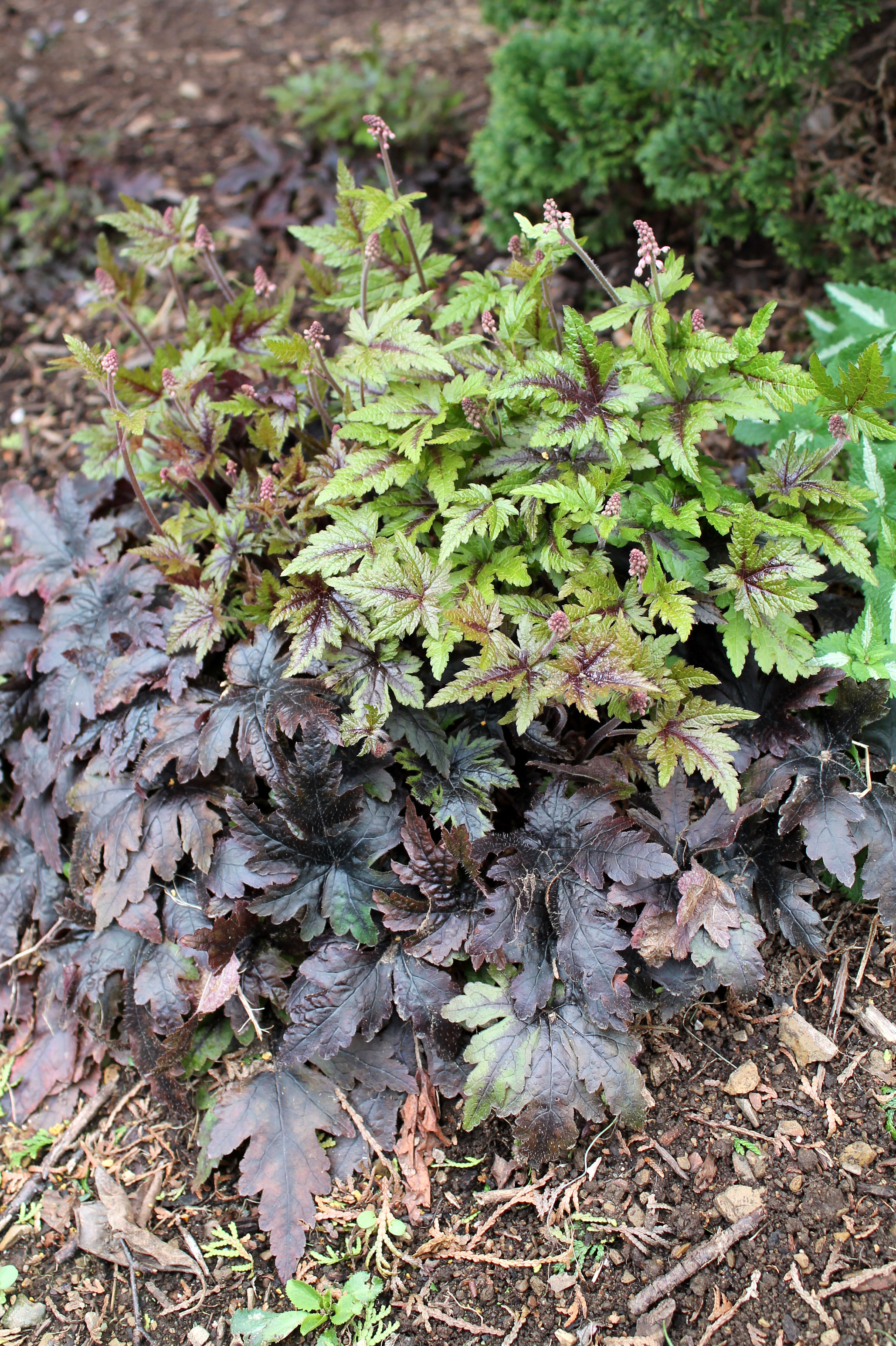
New growth of foamflower 'Sugar and Spice' piggybacking on top of last year's dark foliage.

   Each day a different plant comes back to life or pushes out flower buds or takes one step more toward peak beauty.

   I’d have to rank it as my favorite time of year.

   I thought I’d share some pictures and observations of what caught my eye this week. No advice, no studies, no hard-core plant info… just some neat goings-on.

   One of my favorite shade plants is foamflower ‘Sugar and Spice,’ and this little bicolor beauty started putting out flower stems and fresh green and burgundy leaves this week above last year’s darker leaves.

   Winter didn’t do much damage at all to the old foliage, so I didn’t cut it. The color just turned a rich burgundy.

   The new leaves are emerging from this rosette of burgundy, almost like a fountain. The effect is that it seems like a new plant is piggy-backing on the shoulders of another.

   I’ll eventually cut the older leaves as they fade into the sunset, but for now, this is one interesting foamflower.
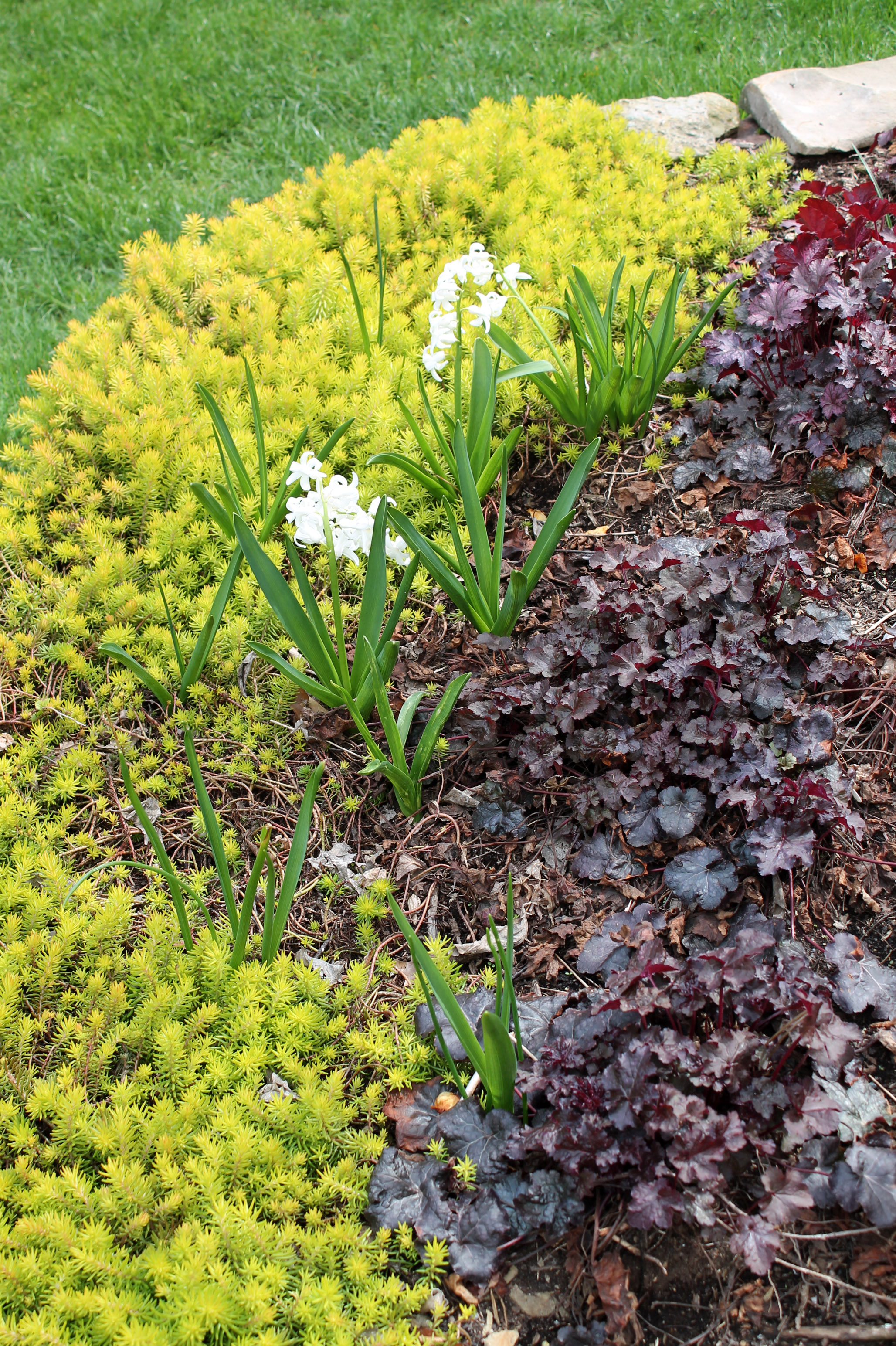
Creeping sedum 'Angelina' and dark-leafed coralbells.

   I’ve got a patch of golden creeping sedum ‘Angelina’ edging a group of dark-leafed coralbells, and both of these also came through winter fine. They’re already making a bright and solid contrast under a ‘Beni Otake’ Japanese maple tree at my back left house corner.

   Not everyone likes lamium, but I think there are some beautiful varieties of this creeping perennial, especially the pink-flowering, white-variegated ‘Pink Chablis’ and the white-flowering, white-variegated ‘White Nancy.’

   My patch of ‘Pink Chablis’ colored up nicely and is already blooming pink on a shady side of my back patio (protected by a dogwood and three ‘Double Pink Knock Out’ roses).

   Don’t confuse lamium with the overly aggressive, yellow-flowering lamiastrum, also known as yellow archangel. That one is fine all by itself on a shady, rocky bank. But it makes a terrible neighbor in a garden.

   And another of my favorites is barrenwort (Epimedium). I’ve got a patch of barrenwort ‘Rubrum’ under a dogwood that’s now in full bloom with dainty, pink flowers hanging below the newly emerged yellow-green heart-shaped leaves of this under-used shade plant.
Read More »


Can This Last?

April 3rd, 2012

   We made it through March with no kill-off-the-tender-stuff cold snaps, and this week’s forecast is looking frost-free as well.

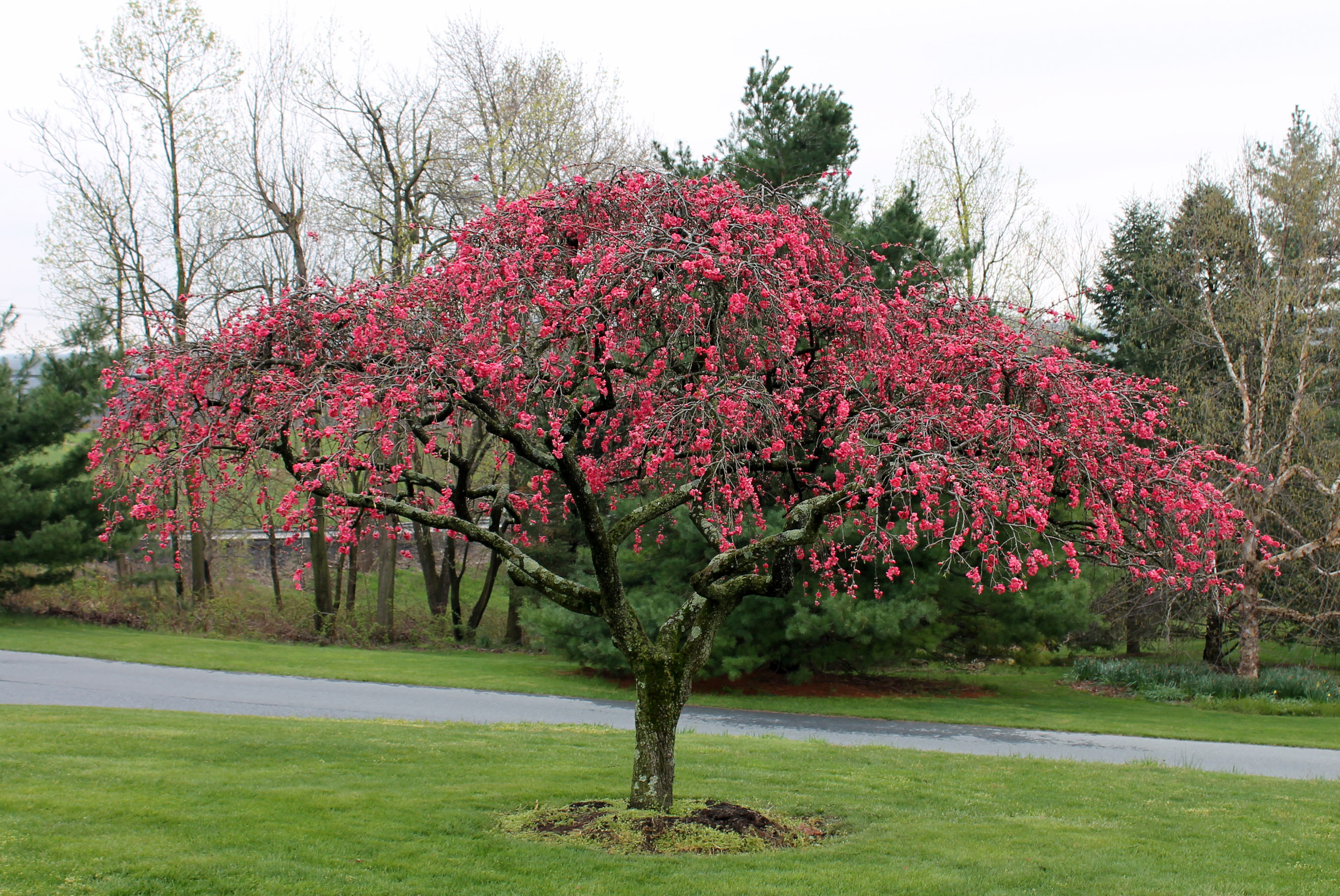
Heng Lim's unusual double-flowered weeping 'Pink Cascade' peach tree is blooming already in Derry Twp., about three weeks ahead of schedule.

   Can we pull off this super-early start to the growing season?

   Every day we inch closer to May is one step closer to safety and getting away with a scam against Mother Nature.

   We’d better slide into real spring now because most of our plants are far enough long that they’re vulnerable to overnight lows in the 20s.

   By vulnerable I mean we’d probably see a lot of young tree and shrub leaves turn to mush, some perennials partially die back, and some fruit buds freeze and die.

   The most serious of those is the fruit-bud issue. When fruit buds open and begin to set fruit, a freeze can abort the whole process and lead to little or no fruit.

   It won’t harm the tree, but fruit trees and fruit bushes don’t have a fruity backup plan. They get one shot at producing fruit a year, and when something goes wrong, they have to wait for the next cycle and the next year.

   This is why fruit-growers have bad nerves.

   It’s a bummer when a home gardener doesn’t get any peaches or apricots, but when your entire year’s income is hanging on whether the temperature goes down to 20 degrees next week, that’s a very big deal.

   Most landscape plants, on the other hand, do have backup plan.

Read More »


Hershey Gardens Turns 75

March 27th, 2012

   Hershey Gardens opens for the season this coming Saturday (March 31), and it’s a milestone year for our area’s only botanical garden.

Tulips in Hershey Gardens.

   2012 marks the 75th year since chocolate icon Milton Hershey decided to build a “nice garden of roses” on the hillside just below Hotel Hershey (and now overlooking Hersheypark).

   I’m always surprised at how few locals seem to make their way over to this gem that chocolate built. I think it’s one of those things where we mark if off the been-there, done-that list and forget about it.

   This would be a good year to get there at least once or twice – especially if you haven’t seen Hershey Gardens lately. A new theme garden is in the works, and some special activities are planned around the 75th anniversary.

   Few people realize these days what a big deal Hershey Gardens once was.

   Within a year after Mr. Hershey (as he’s still reverently known) decided to invest in a public garden in 1936, more than 12,000 rose bushes were planted over the original 3½ acres.

   It was such a hit that he soon added trees, tulips, huge annual flower beds and tens of thousands more roses. By the 1940s, the place had upwards of 40,000 rose bushes, had grown to 23 acres and was attracting as many as 25,000 visitors in a single day.

   Flower fanciers came from all over by the bus load. Locals drove their Chryslers and Packards through the place. (It was free admission back then.) The “Hershey Rose Garden,” as it was known then, quickly gained a national and even international reputation.

   I recently interviewed Leone Gerberich, who worked at the gardens for 40 years, and he said people would come in spring to see the massive display of tulips, then come back in June to see the world-class rose collection, then come back in summer to see the beds full of annuals. (More on that interview in my column this Thursday, March 29, in The Patriot-News.)

   That’s still the rotation Hershey Gardens follows to this day.

Read More »


Pruning and the Weather

March 20th, 2012

   I’ve never seen this long of a run of unusually warm weather this early.

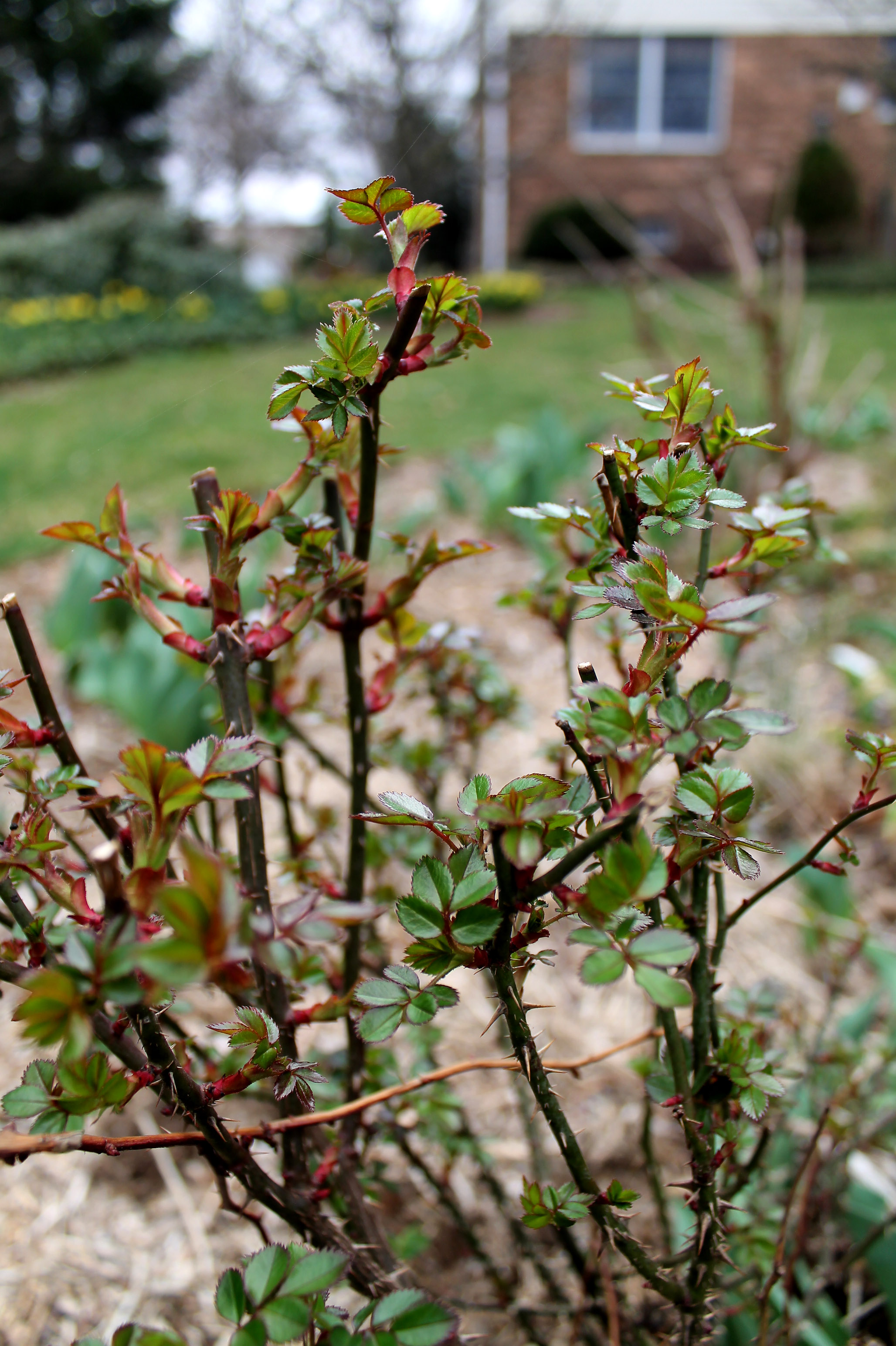
Rose leaves are unfurled already.

   I’m getting all kinds of questions from gardeners wondering whether they should move up their planting and yard-care schedule and what’s going to happen if a cold spell occurs.

   I could answer a lot better if I knew what the weather was going to do between now and our “usual” no-threat-of-frost time of mid-May.

   Just because it’s 70s in March doesn’t mean killing cold is out of the question in April. So I’m a little reluctant to tell everyone to go hog wild like winter weather is history.

   On the other hand, it’s also possible that a March in the 70s will lead to an April in the 80s and a May in the 90s. In that case, we’ll have missed weeks of gardening opportunity and end up doing some things later than we should’ve.

   For what it’s worth, here’s what I decided to do…

   * Pruning: Done. I took my cue from how plants were progressing. Since the roses were unfurling leaves already and the evergreens were popping out new buds, that told me it was time to get busy.

   The idea is to prune summer-blooming shrubs (butterfly bush, rose-of-sharon, caryopteris, tree-type hydrangeas, etc.) and most evergreens (hollies, boxwoods, arborvitae, yews, hemlocks, falsecypress, etc.) before they have a chance to waste energy on wood that you’re only going to cut off anyway.

   One question I get all the time is when and how to prune ‘Knock Out’ roses. Be ruthless, and do it ASAP. I cut mine down already to ankle-high to keep them compact. I also give them a lighter shear or prune around the end of June after the first main bloom. I’ve pruned ‘Knock Outs’ nicely with hand-pruners and butchered them mercilessly with shears, and they grow back fine either way.

   * The Vegetable Garden. Planted. My vegetable garden is filled with cool-season crops. I actually started March 1 this year – two weeks earlier than ever – with radishes, peas and spinach. I’ve since added a second and third planting of radishes and also two plantings of lettuce, peas and beets.

Read More »


Did spring sprung?

March 13th, 2012

   I’ll probably be sorry for saying this, but I think spring is here.

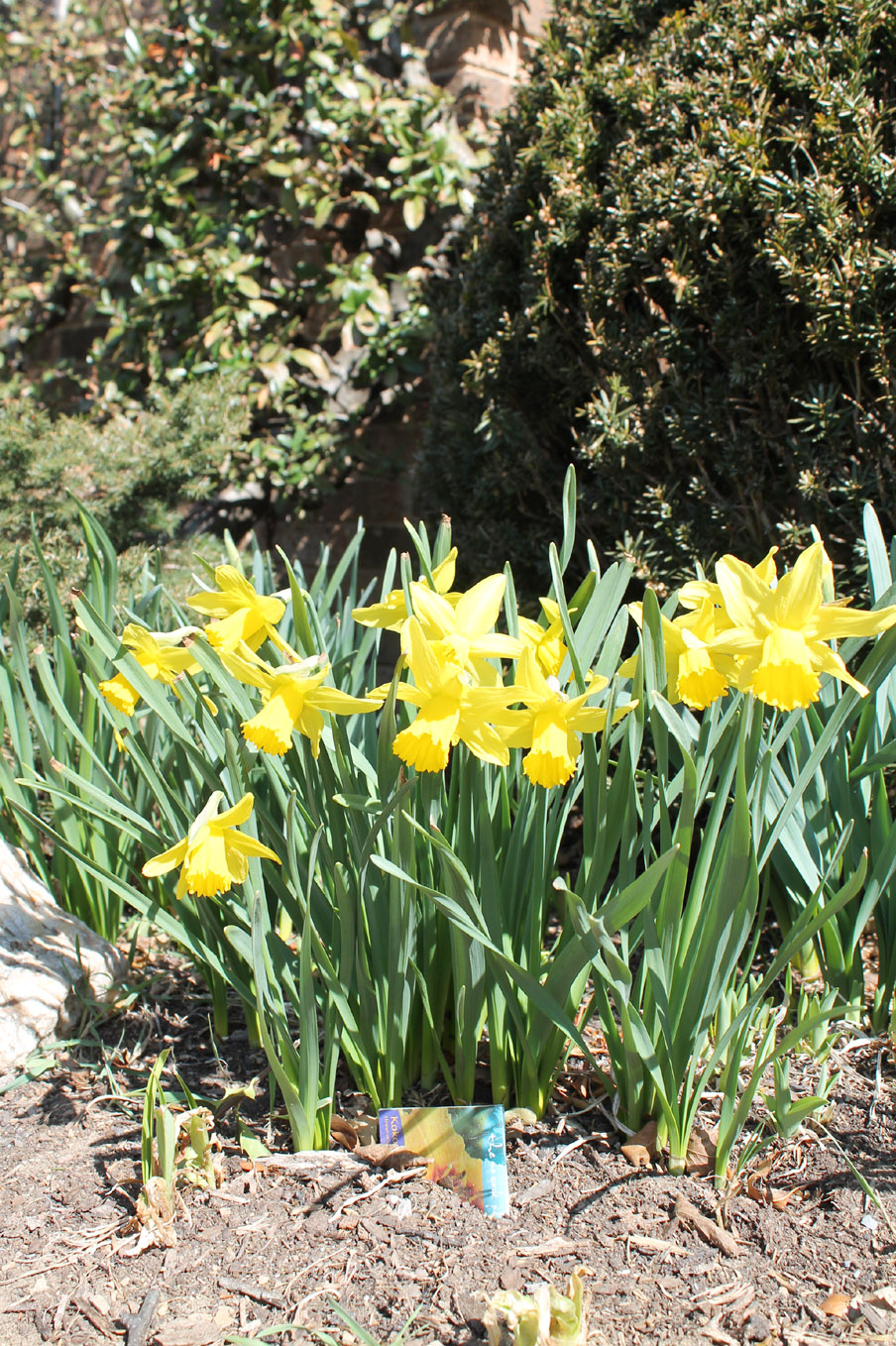
My daffodils are blooming already.

   At least nature and its plants are acting like it is.

   After three weeks of non-stop talks and garden shows, I finally got outside on Sunday to notice blooming daffodils, a nice crop of newly germinated weeds and even a few unfurled rose leaves.

   Moths and house flies are active already, too, and the stinkbugs are trying to get back outside.

   If I had to guess what time of year it is without looking at a calendar, I’d say early April.

   So at the risk of violating Murphy’s Law, I decided to go ahead and follow nature’s lead.

   I got a lot of my spring pruning and cleanup done, and I went ahead and transplanted a few perennials and young shrubs. I even planted radishes, lettuce, spinach, onions and peas. I’ve never planted any of those this early.

   If the weather stays on this course, we’d gradually slide into real spring and have no dire consequences. The result would be that we just got a really early start to the growing season.

   Despite the early bug and weed activity, I’ll take that.

   The problem would be if a sudden nosedive in temperature happens after the plants have broken dormancy.

Read More »


« Older Ramblings and Readlings Newer Ramblings and Readlings »

  • Home
  • Garden House-Calls
  • George's Talks & Trips
  • Disclosure

© 2026 George Weigel | Site designed and programmed by Pittsburgh Web Developer Andy Weigel using WordPress