• Home
  • Contact
  • Site Map
George Weigel - Central PA Gardening
  • Landscape 1
  • Landscape 2
  • Landscape 3
  • Landscape 4
  • Garden Drawings
  • Talks & Trips
  • Patriot-News/Pennlive Posts
  • Buy Helpful Info

Navigation

  • Storage Shed (Useful Past Columns)
  • About George
  • Sign Up for George's Free E-Column
  • Plant Profiles
  • Timely Tips
  • George’s Handy Lists
  • George's Friends
  • Photo Galleries
  • Links and Resources
  • Support George’s Efforts


George’s new “50 American Public Gardens You Really Ought to See” e-book steers you to the top gardens to add to your bucket list.

Read More | Order Now


George’s “Survivor Plant List” is a 19-page booklet detailing hundreds of the toughest and highest-performing plants.

Click Here


Has the info here been useful? Support George’s efforts by clicking below.


Looking for other ways to support George?

Click Here

George's Current Ramblings and Readlings

Plant Pet Threats

February 5th, 2013

   I was out houseplant-shopping with my daughter recently, and one parameter on the checklist was something that wouldn’t poison her toddler dog, Boon.
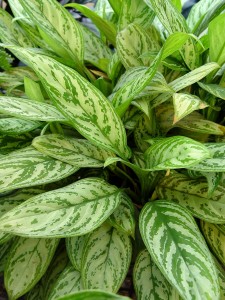
Chinese evergreen... on the pet-unfriendly list.

Chinese evergreen… on the pet-unfriendly list.

   I was surprised at how many species turned up on the no-no list.   It seems that dogs and cats are more sensitive to more plants than people are. What made the research even harder was that there is no rhyme, reason or pattern behind what’s apparently “poisonous” and what’s not (not to mention how different lists disagreed).   The best advice I can come up with is: A.) Pay careful attention to your source, and B.) Check out the plants one by one.

   As for source, I’d have to say your vet would be a reliable place to start. Beyond that, the American Society for the Prevention of Cruelty to Animals (ASPCA) has a tremendously detailed web site that not only lists species toxic to animals, it spells out exactly what is the threat AND includes a sister list of plants that aren’t toxic to animals.

   Here’s a link to the site: http://www.aspca.org/pet-care/poison-control/plants.

   This list also separates cats from dogs because the lists aren’t exactly the same.

   Easter lily is a good example. That one shows up as a non-toxic for dogs, but for cats, it can cause vomiting, kidney failure and even death. For some unknown reason, cats are particularly sensitive to something in Easter lilies.

   For the most part, some fairly common houseplants can be an issue for both cats and dogs, such as dieffenbachia, amaryllis, snake plant, corn plant, bird of paradise, golden pothos and Chinese evergreen.
Read More »


Fighting the Fungus Gnats

January 29th, 2013

   If you’ve got plants in the house, odds are you’ve seen those tiny black flying insects that most people call “fruit flies.”

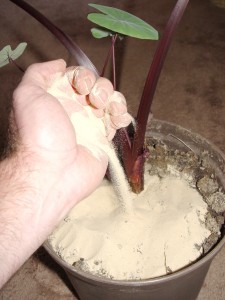
A layer of sand over your houseplant soil may solve your fungus-gnat problems.

A layer of sand over your houseplant soil may solve your fungus-gnat problems.

   They’re actually a common indoor pest called “fungus gnats,” and their favorite living and breeding quarters is the moist soil of potted plants.   The larval-stage maggots feed on plant roots, so this bug can do some plant damage in addition to annoying you.

   Some people go right to the insecticides, but I’ve found that a combination of sand and patience usually does them in.

   Try covering the soil surface of your potted plants with a light layer of sand, which dries out quickly and discourages egg hatch.

   Also helpful are not overwatering and not watering too often. Water your houseplants only when the soil surface has dried and the pot has become noticeably lighter. Soggy soil is one of the best ways to kill houseplants.

   Another non-chemical control option is trapping fungus gnats on yellow sticky cards glued on sticks around the pot edges. Petroleum jelly works well if you’re making your own cards. So does a product called Tangletrap. These traps also capture other flying insects you might have. And some people say they’ve had good success trapping fungus gnats by setting out a small cup or two of white wine or cider vinegar, which lures the bugs to a drowning demise.

   Give these methods some time to work. It’ll usually take at least several days for all of the adults to die and for breeding to end to shut off the flow of new adults.

Read More »


Houseplant Myths

January 22nd, 2013

   Now that we’re stuck inside for at least some of the time these next few months, we’ll have to depend on houseplants to feed the chlorophyll addiction.

Chlorophyll addiction satisifed...

Chlorophyll addiction satisifed…

   I don’t think most people are as comfortable with these as outdoor plants like hydrangeas and petunias and tomatoes.   For one thing, most so-called “houseplants” are tropicals or sub-tropicals – not all that familiar, in other words.

   For another, these poor plants are trying to grow in a very unnatural setting.

   So it’s no wonder a lot of myths and misunderstandings have cropped up in the way we care for these indoor winter plants.

   I ran into an excellent web site done by a houseplant expert named Will Creed in New York City (www.horticulturalhelp.com).  One of the things Will does is make house calls to houseplant clients in Manhattan.

   But one very interesting tidbit he’s got on his site is a list of eight common myths about growing houseplants. To briefly paraphrase:

   Myth 1: Plants grow bigger in bigger pots. Truth: Most houseplants prefer being moderately potbound. Oft-repotted plants put too much energy into root growth at the expense of leaves and flowers. Excess space also makes them more prone to root rotting.

   Myth 2: Ailing plants benefit from plant food. Truth: Plant food is not medicine. Plants won’t take in more nutrients than they need, and adding more than needed can burn roots or discolor leaves. This is also true of landscape plants, by the way.

Read More »


Where I Write

January 8th, 2013

   Last week, I told you about where I get my ideas for garden columns – and how I doubt that I’ll ever run out of them.

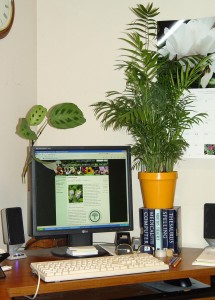
Great writing spot… not.

   That got me to thinking about another related question I sometimes get: Where do I do my writing?   This one might be helpful to others, so I’ll share some of my anti-writers-block findings.

   Where you write makes a big difference. It not only affects concentration and how often your train of thought gets interrupted, but the setting affects your whole frame of mind.

   The absolute worst place for me to write was where I spent most of my time doing it – in a newspaper newsroom.

   There’s noise and people everywhere. I found it really hard to concentrate when the next reporter over was doing a phone interview or a group of staffers was cackling up a storm by the water cooler.

   We didn’t even have cubicles back then. It was all open. And when somebody’s phone rang and he/she wasn’t there, you were supposed to drop everything and answer it.

   I became a lot more efficient when I left the paper full-time and started writing in my home office, better known as “the dungeon.”

   It’s basically a finished corner of my basement, but it’s quiet, it’s isolated, and the only phone I have to answer is mine.

   My second-best writing place is on the living-room sofa with a laptop. It’s more comfortable and usually low on the distraction scale, except when my wife is home and on the phone or watching TV. That’s when I crawl back into my basement hole.

   In nice weather, I’ve tried going outside to the patio table or a garden bench to write. That sounds better than it turns out to be for a variety of reasons:

Read More »


Out of Ideas?

January 2nd, 2013

   People sometimes ask me where I get my story ideas… and whether I ever run out of them.

The No. 1 idea source… gardening people.

   Ha! I run into a lot of problems in life (most involving computers), but one of them is NOT gardening topics to write about.

   I’ve been at it for 20 years now, and I always seem to end up with more ideas and story angles than I have time and space to get done.

   My idea folder gets bigger instead of smaller every year.

   Where do the ideas come from?

   My No. 1 source is you… as in people. Specifically, gardening people.

   I run into gardeners everywhere I go, and I hear what’s on your mind, what problems you’re having, what questions you’ve got and what’s going on in your yard.

   Especially helpful are the Garden House-Calls I do. Most weeks, I’ll visit two to four gardeners to help them with ideas on improving the landscape.

   But while I’m on site doing that, I’m also getting input and making mental notes on how certain plants are faring in the differing settings.

   That’s invaluable for keeping tabs on what’s timely, what’s important and which plants are worth telling others about.

   For instance, I hardly ever recommend a mountain laurel in a home garden because I’ve not only killed every one I’ve tried, I’ve heard almost universal tales of woes about this plant from everyone else.

   On the other hand, when I see something like a ‘Knock Out’ rose or liriope or spirea thriving under every abuse in even a total non-gardener’s yard, then I know what to recommend to the next abusive non-gardener. And that could lead to a garden column called, “Plants for the Abusive Non-Gardener’s Yard” and a PowerPoint program called, “Survivors: Plants You’ll Have a Hard Time Killing.”

   I also keep tabs on what’s on local gardening minds by the questions I get through my Pennlive.com Q&A Blog. When something’s brewing, I’ll get a flurry of questions and know it’s time to write something.

Read More »


« Older Ramblings and Readlings Newer Ramblings and Readlings »

  • Home
  • Garden House-Calls
  • George's Talks & Trips
  • Disclosure

© 2026 George Weigel | Site designed and programmed by Pittsburgh Web Developer Andy Weigel using WordPress