



June
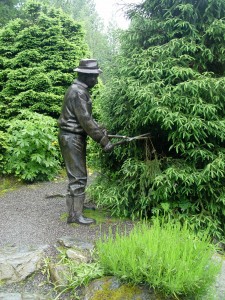
June is a good month to shear the evergreen hedges.
- Keep garden watered – especially newly planted plants – if rain isn’t sufficient.
- Cut any remaining spring bulb foliage after it yellows. Bulbs can be transplanted now. Dig and move them while you know where they’re at. No need to wait until fall.
- Trim evergreen hedges such as boxwood, yews, arborvitae, juniper, privet and hemlock.
- Prune evergreens such as spruce, fir and pine if necessary to maintain size but never back into bare wood. Stick to removing just most of the new growth.
- Finish pruning flowering shrubs that bloomed in May if you didn’t already do it (azaleas, lilacs, weigela, etc.)
- Add water hyacinths, tropical water lilies and other tender plants to the water garden. Continue feeding water plants and fish.
- Finish planting annuals, containers, window boxes and hanging baskets.
- Make a second application of weed preventer to the shrub and flower beds to stop later-season annual weeds, especially if it’s been cool and rainy (and if you’re a chemical-oriented gardener).
- Take softwood cuttings of shrubs you’d like to propagate.
- Finish mulching if you didn’t get to it in May.
- Harvest spring-planted vegetables and replant space with beans, carrots, corn, peppers, beets, pumpkins, potatoes or cucumbers.
- New perennials, trees and shrubs can still be planted so long as you keep them well watered.
- Trim back mums a second time late in the month.
- Deadhead spent flowers and/or trim off spent flower stalks of early perennials.
- Pull weeds in beds, spot-spray for weeds in lawn or use a weed-‘n-feed product if lawn weeds are everywhere and you haven’t fed the lawn in the last six weeks. (Do not put anything on the lawn if it has gone brown and dormant from drought.)
- Grub preventers such as Merit (imidacloprid) can be applied to the lawn this month.
- Scout for pest problems and treat as needed. Watch for bagworms on evergreens and shade trees; leafminers on birch; borer adults on birch and dogwood; woolly adelgids on hemlock; lacebugs on azalea and pieris; spider mites on spruce, hemlocks and juniper; scale on euonymus and pachysandra, and late in the month, Japanese beetles on a variety of plants. Avoid spraying when temperatures are over 85 degrees.
- If orangish “blobs” start showing up in the mulch, just rake them up or cultivate them in. This is a nuisance (and harmless) fungal growth called slime mold.
- Kick over mushrooms and other fungal growths that pop up in the lawn. Most of these also are harmful. If you’ve got young children or pets, bag and discard because a few species are toxic if eaten.
- Continue spraying program for fruit trees and roses and begin spraying fungicide on plants prone to mildew or leaf spot, such as beebalm, lilacs, phlox, zinnias and dogwoods.