
• Home
  • Contact
  • Site Map
George Weigel - Central PA Gardening
  • Landscape 1
  • Landscape 2
  • Landscape 3
  • Landscape 4
  • Garden Drawings
  • Talks & Trips
  • Patriot-News/Pennlive Posts
  • Buy Helpful Info

Navigation

  • Storage Shed (Useful Past Columns)
  • About George
  • Sign Up for George's Free E-Column
  • Plant Profiles
  • Timely Tips
  • George’s Handy Lists
  • George's Friends
  • Photo Galleries
  • Links and Resources
  • Support George’s Efforts


George’s new “50 American Public Gardens You Really Ought to See” e-book steers you to the top gardens to add to your bucket list.

Read More | Order Now


George’s “Survivor Plant List” is a 19-page booklet detailing hundreds of the toughest and highest-performing plants.

Click Here


Has the info here been useful? Support George’s efforts by clicking below.


Looking for other ways to support George?

Click Here

George's Current Ramblings and Readlings

How to Do Your Own Lawn Care

April 13th, 2021

   The lawn-care pros who care for so many of our yards have no magic secrets on how to grow a nice lawn.

You could employ these “mowers” and “fertilizers” as part of your own DIY lawn-care program.

   They just know what conditions and measures lawns need to thrive – and when and how to deliver them.

   Any of us can do the same thing… if we learn a few basics and are willing to invest the time and effort.

   DIY lawn care can save you hundreds of dollars a year. You’ll also get to decide how far you want to go, whether it’s a weed-free, thick, green carpet or just something better than dirt and weeds.

   Here’s a pair of lawn-care game plans. One is if you’re the proud, would-be keeper of the perfect sward and one is if you’re satisfied with an OK lawn:

Crabgrass preventing

   The first job of spring is determining your tolerance for crabgrass – that creeping, grass-like weed that elbows its way into the real grass with even the tiniest of openings.

   This weed dies each fall but can sprout like crazy each spring from dropped and blown-in seeds.
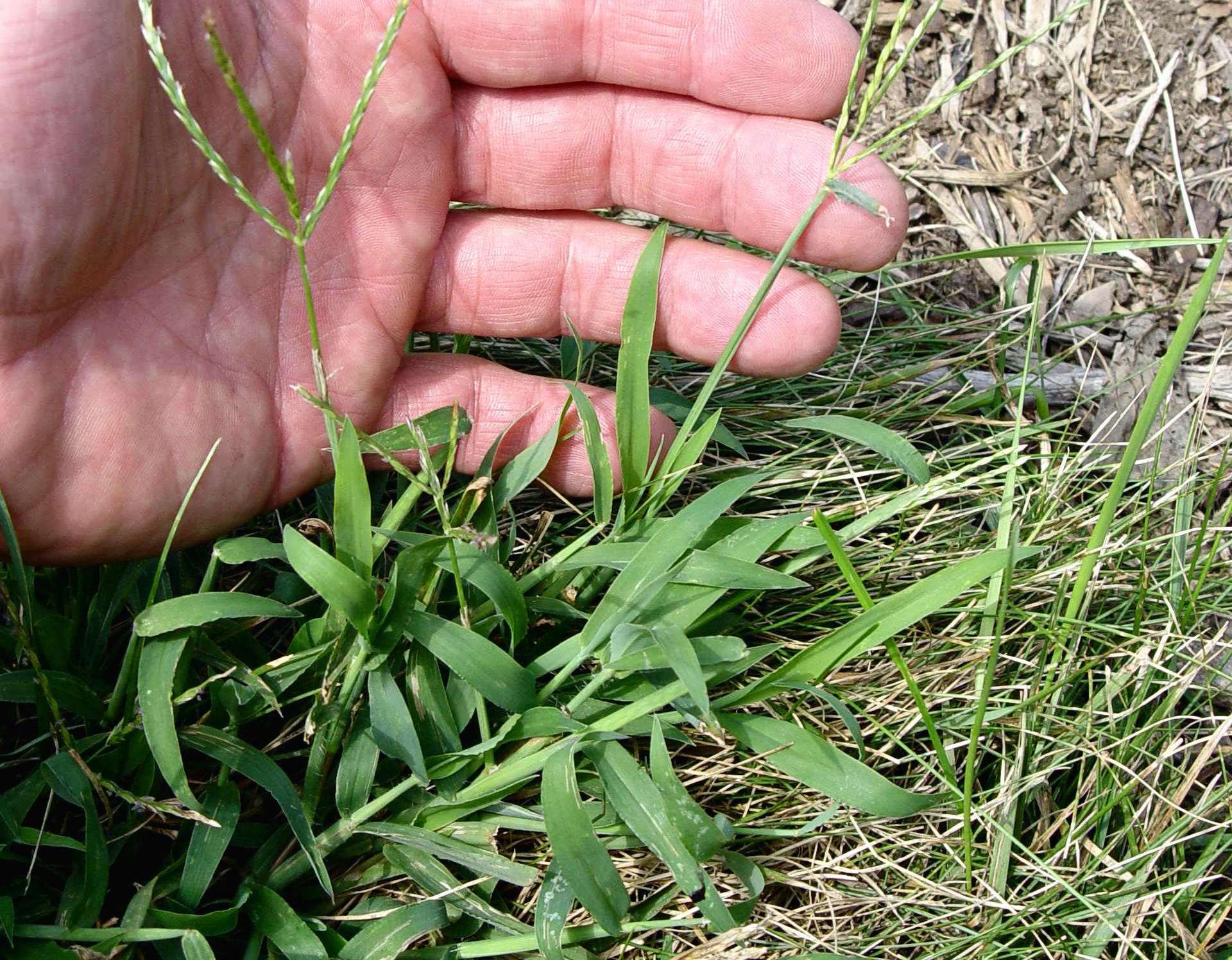
Crabgrass looks like this.

   Green-carpet way: Stop it before it gets started by using a lawn spreader to apply an annual granular crabgrass preventer, ideally when forsythia bushes are in peak bloom (usually late March to early April).

   However, crabgrass can germinate beyond the eight-week window in which preventers typically work, so apply a second treatment in late May or early June if you have zero crabgrass tolerance.

   Products with the ingredient dithiopyr kill crabgrass seedlings in addition to preventing sprouting, allowing it to be applied just once, four weeks later than other products.

   OK way: Skip crabgrass preventers, and live with tolerable crabgrass outbreaks. Pull objectionable clumps in summer.

   Think about crabgrass preventers only in springs after really bad infestations.

Fertilizing

   Grass grew long before the Scotts Co. came along, so how much (or whether) you fertilize depends on how thick and green you want the lawn to be.

   Green-carpet way: Test your soil every two to three years to get a report on nutrition and acidity levels. That’ll let you tailor products and amounts to your lawn’s needs. Otherwise, you’re just guessing.

   Penn State University DIY soil-test kits are available for $9 or $10 at county Extension offices, many garden centers, and online at the Penn State soil test lab.

   The standard application plan is four times a year: 1.) late March to early April; 2.) late May to early June; 3.) late August to early September, and 4.) between early and mid-November, before the ground freezes.

   Lean toward long-acting organic fertilizers or chemical fertilizers that are high in slow-release nitrogen (the label indicates that); avoid products with phosphorus (unless your test specifically says you need it), and never fertilize when a lawn is browning from dry weather.

   OK way: Do a soil test at least once to determine if you have any real out-of-whack situations worth addressing.

   Skip fertilizing unless the lawn is thinning or performing too poorly for your liking.

   Otherwise, start with a once-a-year fertilizer (use an organic product or a chemical one that’s high in slow-release nitrogen in late summer) and add a second application if that one alone isn’t suitable (late spring and late summer if you fertilize twice a year).

   If twice a year still isn’t good enough, add a third one in November before the ground freezes.

Read more on fertilizing lawns at Penn State Extension 
Read More »


A Marriage Made in Flower Heaven

April 6th, 2021

   The horrors of World War II were still fresh as Japanese botanist Dr. Toichi Itoh focused on an apparent pipe dream that had long eluded plant breeders.

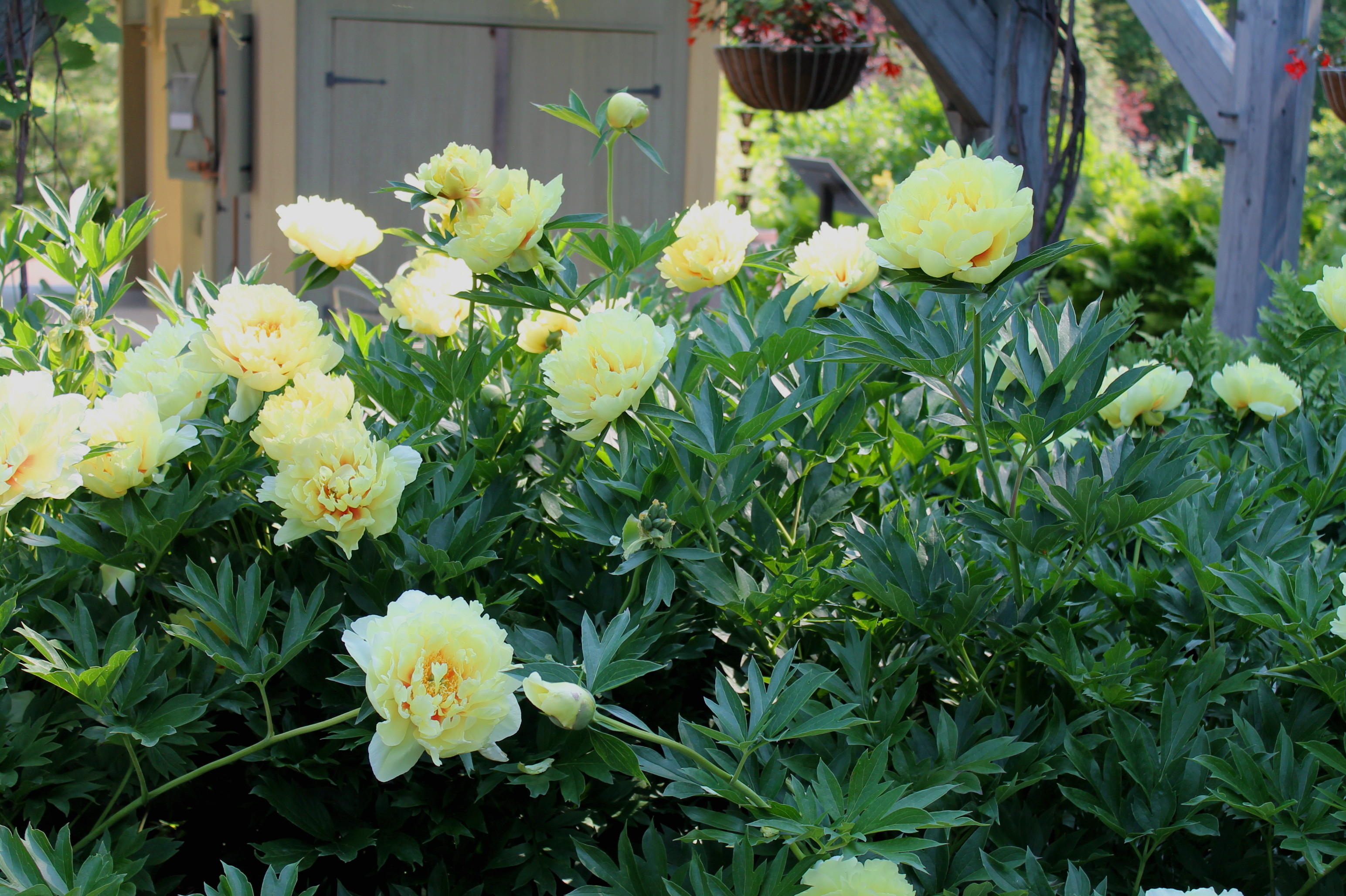
‘Bartzella’ Itoh peony in bloom.

   Itoh was determined to cross herbaceous peonies with tree peonies to come up with a hybrid that offered the best traits – and none of the shortcomings – of both.

   He made at least 20,000 crosses over the years. None of them worked, a result of the two plants’ genetic barriers as well as the snag that herbaceous peonies bloom a few weeks sooner than tree peonies.

   Then in 1948, one of Itoh’s crosses miraculously produced seeds that germinated into something special – the very first of what today is known as an “Itoh peony.”

   You’ll find several varieties of this “intersectional” marriage of herbaceous and tree peonies in catalogs and garden centers these days. They even showed up last spring at Lowe’s.

   At the lowest I’ve seen them, Itoh peonies go for $50 per plant.

   They’re definitely not cheap… but they are spectacular enough performers that this frugal gardener plans to invest in one this spring.

   I’m looking at adding ‘Bartzella’ to a prime, front-step location near my front door.

   ‘Bartzella’ has soft yellow petals with a sort of peachy-red throat.

   Like all Itoh types, the flowers are huge – close to eight inches across – and in top form for about three weeks in late spring.

Read More »


10 Ways to Get the Most Out of Your Vegetable Garden

March 30th, 2021

   If you’re investing the work into growing your own food garden – as so many stuck-at-home people did for the first time last spring – you may as well get the most out of it.

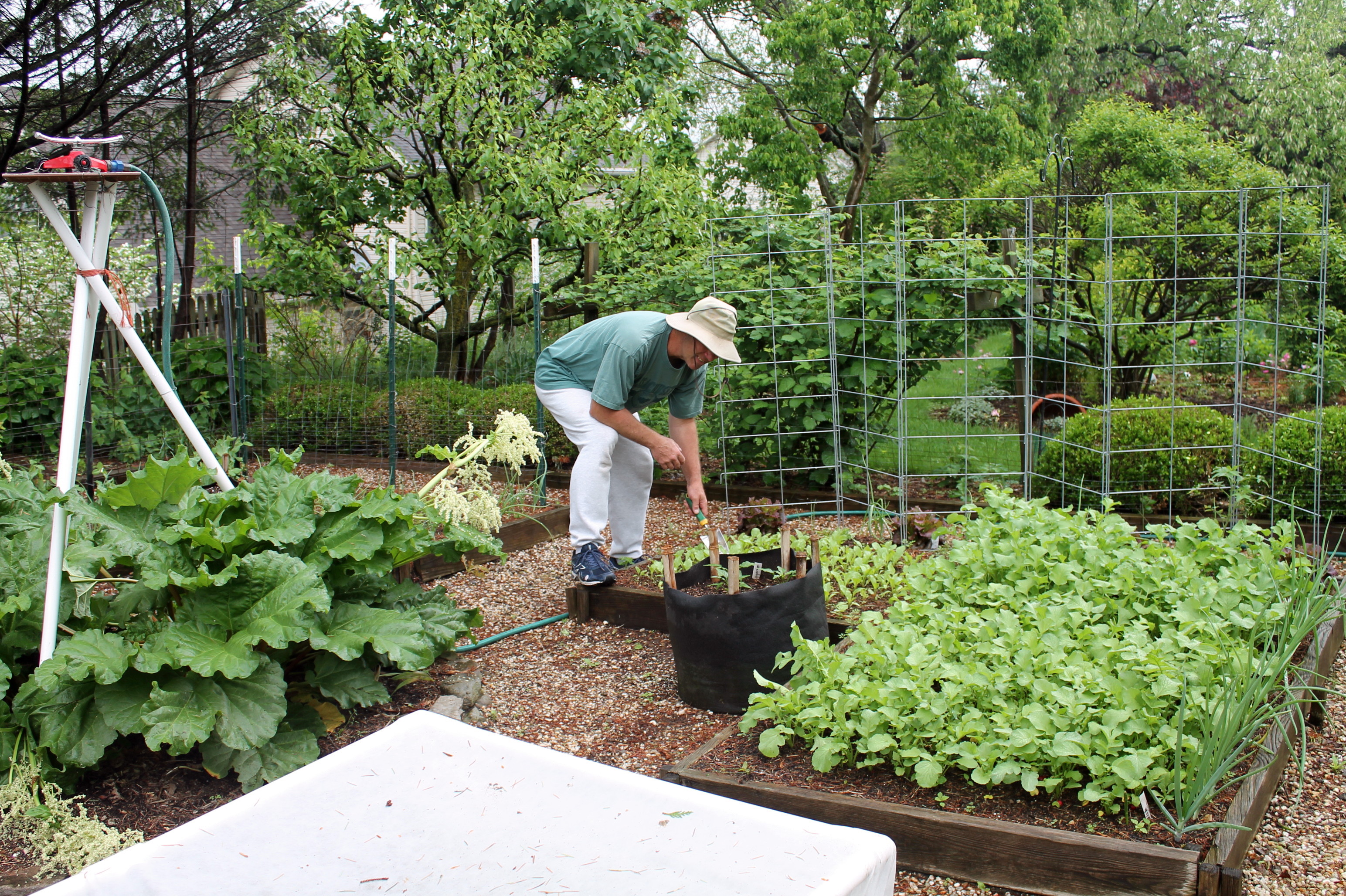
Raised beds and tight spacing are two ways to maximize veggie-gardening production.

   As you plant cool-season crops now (onions, broccoli, cabbage, etc.) and summer crops in May (tomatoes, peppers, cucumbers, etc.), here are 10 ways to maximize your yield and effort:

   1.) Raised beds. Hardly anyone has good soil, so don’t expect great results by just stripping off grass and planting.

   Loosen the soil at least six inches deep. Eight to 12 inches is even better. Then dig or till in two to three inches of compost, peat moss, rotted leaves, mushroom soil, or similar organic matter so the beds end up “fluffy” and a few inches above grade.

   Most people build boxes to contain the soil (stone, blocks, brick, recycled plastic timbers, or rot-resistant boards), but you can just mound up the beds without any edging.

   The loose, raised beds give you good drainage and allow veggie roots to spread with impunity. Four-foot bed widths are ideal.

   2.) Test the soil. Once you’ve addressed the soil quality, run a soil test to see if you need to adjust the acidity level (indicated by its pH reading) or add any fertilizer.

   The cheapest, easiest way is to buy a do-it-yourself, mail-in Penn State soil test kit. These are available for $9-$10 at county Extension offices, most garden centers, or online at Penn State’s soil-testing lab.

   The test report will tell you what to add (if anything) and in what amounts.

   3.) Go with the best “paybackers.” These are the crops that yield the most for the space and effort you devote to them.

   Ones that give some of the best bang for the buck are tomatoes, peppers, carrots, cucumbers, asparagus, the onion family (including leeks, shallots and garlic), lettuce, squash, rhubarb, beans, and snow peas.

Read More »


Scrape Those Lanternflies Away

March 23rd, 2021

   Many of you no doubt noticed that new bug in town late last winter – the spotted lanternfly.

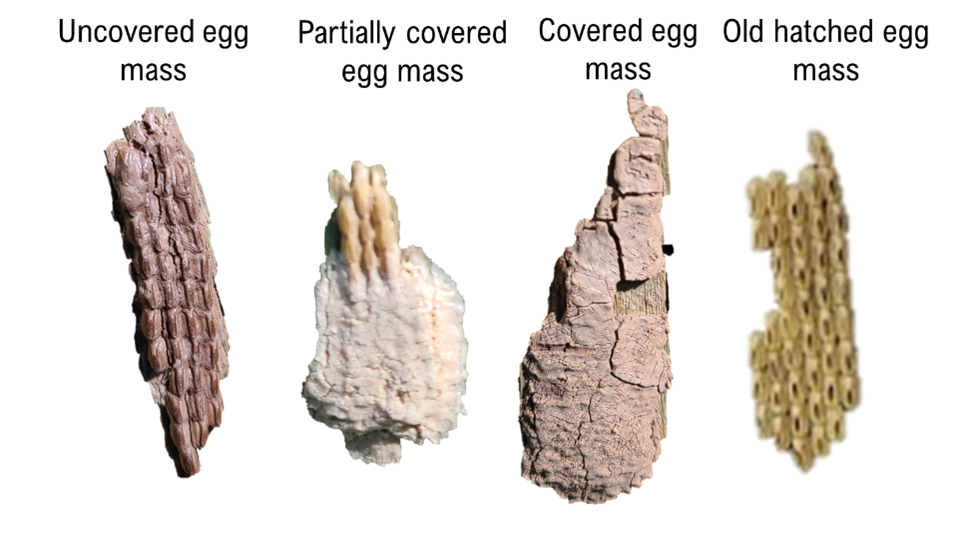
These are various stages of spotted lanternfly egg masses.
(Credit: Heather Leach/Penn State University)

   This rather large (pinky-sized) flying insect with the spotted grayish-tan wings (red underneath) has now made its way from its initial 2014 invading point of Berks County to throughout the Harrisburg area.

   Lanternfly adults have a 70-plant appetite (especially grapes and maple, walnut, birch, beech, cherry, and willow trees), making it a threat to a lot of our landscape plants if/when their numbers balloon.

   Although lanternflies are currently in their egg stage, this is actually the best time of year to deal with this latest imported pest.

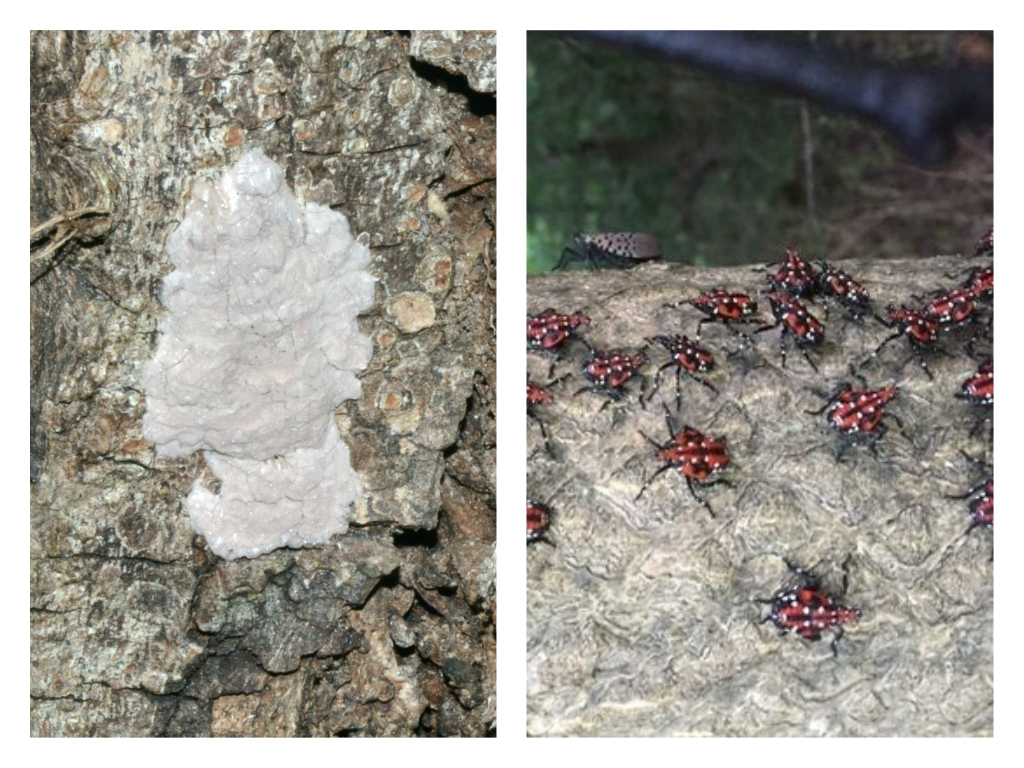
   Lanternfly egg masses look like a gray smear of mud with a waxy covering. They’re typically seen clinging on tree trunks, firewood, stones, outdoor furniture, or for that matter, any solid, flat, outdoor surface.

A lanternfly egg mass on a tree trunk, left, and what newly hatched lanternfly nymphs look like.
(Credit: Penn State Extension)

   By smashing or otherwise getting rid of the masses, you can eliminate anywhere from 30 to 50 new lanternflies per mass.

   Penn State Extension recommends scraping the egg masses into jars or plastic bags with a small amount of alcohol or hand sanitizer in order to kill the eggs. Just scraping them off and letting the masses drop to the ground won’t do the trick.

See a Penn State Extension video on how to scrape spotted lanternfly egg masses

   Pay special attention if you saw spotted lanternfly adults in or near your yard late last summer and early fall.

Read More »


Award-Winning Plants of 2021

March 16th, 2021

   So many plants to pick from… but which ones are the best?

   One bit of homework to go on is plants that have won awards from various plant-trial and plant-selection programs.

   Each year, organizations of growers, horticulturists, researchers, and other plant experts bestow awards on top plant performers – some new, some old but just under-used.

   Here’s a look at plants that have won honors for 2021:

Pennsylvania Gold Medal

A panel of experts assembled by the Pennsylvania Horticultural Society (best known for running the Philadelphia Flower Show) each year picks trees, shrubs, and perennials worthy of greater use in Pennsylvania landscapes.

For 2021, seven plants made the Gold Medal grade.

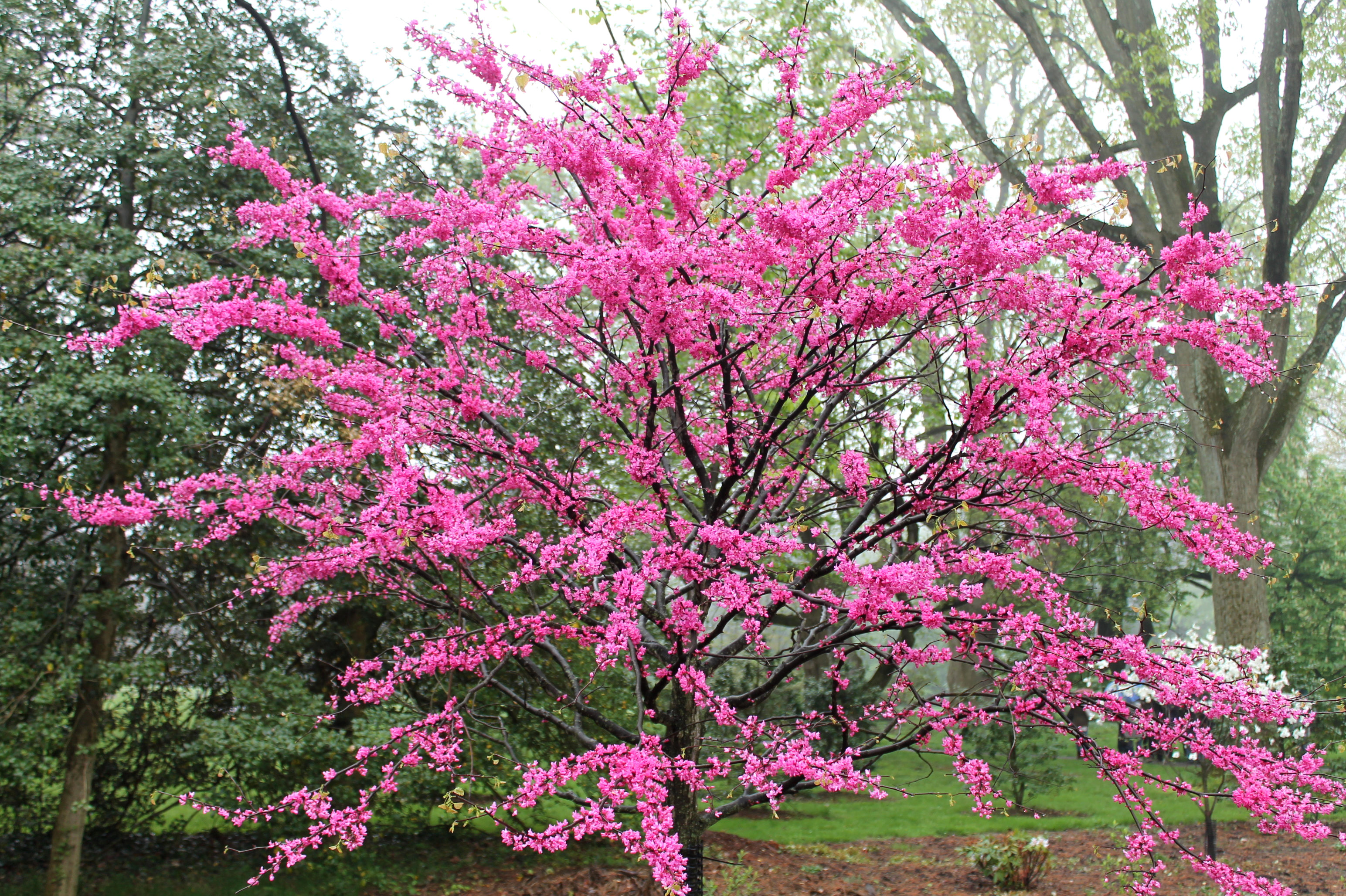
Redbud ‘Appalachian Red’

Redbud ‘Appalachian Red’

The vibrant deep-pink blooms really jump out when this small native tree flowers in early spring, even before the leaves emerge.

Like all redbuds, ‘Appalachian Red’ does best as an under-story tree in “woodsy” well drained soil out of direct afternoon sun. It grows about 20 feet tall and wide in 20-25 years.

London plane tree Exclamation! (‘Morton Circle’)

This is a cultivar of a large shade tree similar to sycamore – big leaves and bark that peels over time to reveal a white, smooth skin.

Exclamation! is a fast-grower that can reach 55 to 65 feet tall and 40 to 50 feet wide and is tolerant of and resistant to most abuses. Best in full sun.

Hydrangea Bobo

Dwarf panicle hydrangea Bobo

Many compact and heavier-blooming versions of the old-fashioned “PeeGee” hydrangea have come along in recent years, and this is one of the showiest.

Bobo produces large, cone-shaped, white flowers in July that take on shades of pink and then rust as the season progresses. Plants grow a stocky four to five feet tall and wide in full sun or light shade.

Sweet box ‘Fragrant Valley’

Little known even though it’s one of the most fragrant landscape plants on the market, this plant is a glossy, broad-leafed evergreen with a somewhat boxwood-like appearance and a trailing habit.

The small white flowers come out in early spring. ‘Fragrant Valley’ is a particularly sweet-smelling variety. It grows about 18 inches tall and spreads three to four feet, ideally in shade.

Read More »


« Older Ramblings and Readlings Newer Ramblings and Readlings »

  • Home
  • Garden House-Calls
  • George's Talks & Trips
  • Disclosure

© 2026 George Weigel | Site designed and programmed by Pittsburgh Web Developer Andy Weigel using WordPress