


How to Nurse a Young Plant through a Hot First Summer
July 15th, 2025
It’s not easy being any plant in the deer-infested, clay-endowed, erratic-weathered, lanternfly kingdom known as central Pennsylvania.
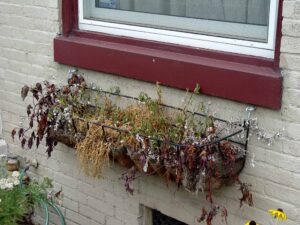
A hot summer is especially tough on any new or young plant.
But the going is doubly tough if you’re a young plant facing the middle of one of our summers.
A Harrisburg July and August can throw all kinds of extra challenges at a botanical newbie – killing or stunting plants that don’t get adequate coddling from their gardener-parent.
Tops on the threat list is dry soil, which can happen breathtakingly fast when the temperatures go up, when nature’s rain spigot shuts off, and when a hot breeze blows.
Soil moisture is the essence of life for a plant.
Some plants can go longer without it than others, but all need it sooner or later before they wilt, drop their leaves, and/or die.
New plants are particularly vulnerable because of their under-developed roots. They simply don’t have the straw power that a bigger, more mature plant has to draw the soil moisture that might be available deeper and wider.
New plants also are undergoing the shock of adapting from the ideal nutrition, protected environment, and friendly potting mix of nursery care to the harsher condition of your yard.
It can be a downright cruel transition, too, especially if the insults include a ride home in the hurricane-force winds of an open pickup bed, being planted too deeply into brick-grade clay, and smothered in excess mulch.
Young plants with their tender leaves and branches also are prime targets of parched, hungry mammals. A few choice chomps by a deer or groundhog, and the plant is a goner.
With all of those potential pitfalls under their belt, it’s no wonder young plants have such a high summer death toll.
Sometimes these deaths are quick and obvious. But other times the combination of summer heat and lack of water can lead to more subtle and delayed damage.
Plants may hang in there despite summer suffering, only to turn into a no-show or a leafless, lifeless candelabra of bare sticks the next spring.
In those cases, winter or critters or bad soil or disease get the blame when it really was summer root dieback that set the stage for some other finishing blow.
So what can a nurturing gardener do to head off this scenario – and keep from wasting precious garden-center dollars?
Step one is reconsidering those plant sizes at purchase. Yeah, it’s tempting to save money by looking for the smallest plant size possible, but keep in mind that somewhat larger plants with larger roots are a bit more forgiving.
I say “somewhat” because it’s possible to go wrong too far in the other direction. Buying big plants that have relatively small rootballs (and possibly badly circling roots) puts the plant at a disadvantage, too.
That’s not to say that little plants are a bad idea. Get them over the initial hump, and they can establish nicely and economically. It’s just that more of an onus is on you to keep the soil consistently damp… for at least the entire first season in the case of perennials, for two to three years in the case of shrubs, and for three to four years in the case of trees.
A good option for this hump-maneuvering is a holding bed. These are small, protected beds with good soil where you can coddle new plants for a year before placing them in their permanent home.
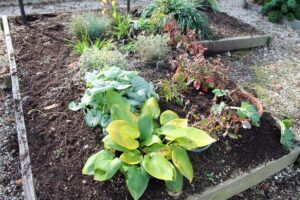
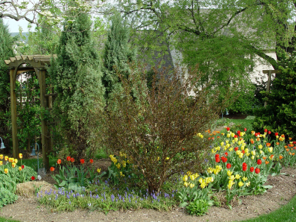
A holding bed like this one is helpful for nursing young plants throughout a hot first summer.
Read more in my PennLive.com post on holding beds
You can also fence a holding bed to protect your newbies from marauding animals. Otherwise, spot-fence new plantings in the landscape until they toughen up a bit.
If you don’t have or can’t add a holding bed, the next best option is growing young plants in a container for a season before planting them in their permanent spot next spring.
Step two is doing enough homework to get your new plant in a spot similar to its native home. In other words, right plant, right place.
You’ll help nurse any plant through its transition – and into the long term as well – if you get the sun-lovers in the sun, the shade-preferrers in the shade, and the damp damsels out of parched places.
Step three is fixing that awful clay.
Few gardeners are blessed with naturally good gardening soil.
Most of us have clay, shale, subsoil from construction grading, or a mix of all three.
Soil researchers might tell you to stick with whatever native soil you have, but I’ve seen way better results when gardeners work in at least 10 to 20 percent compost before planting.
Go as wide as you can with the loosening and improving. Think planting beds instead of planting holes.
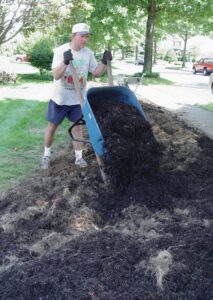
Starting with good, loose, rich soil is a key way to head off stunted-growth trouble.
Read more on how to plant and improve soil
Step four is timing. Summer planting is doable for container-grown plants, but again, you have to be super-vigilant with your watering.
Planting earlier in the spring or even the fall before gives plants a chance to put on a few weeks or months of root bulk before facing our punishing summer oven.
If you’re dead set on planting in summer, at least do so during a cooler, cloudy spell or in the evening instead of the middle of a hot sunny day.
Also helpful is erecting a temporary shade screen to keep the hot afternoon sun off a new transplant for the first few weeks.
Step five is being generous with the water.
Keep an eye on soil moisture. Get a rain gauge, and check the dampness a few inches down regularly. Your index finger works as well as anything. Or invest in a water meter if you prefer gadgets.
Realize that summer and nearby trees can quickly suck the soil dry, and that it’s you and your hose that stand between baby-plant life and baby-plant death.
If you can’t stay on top of things with a hose or bucket, invest in a DIY drip-irrigation system or a sprinkler or two hooked up to an automatic timer. These are easier to put into action then they sound.
The good news is that you don’t need tons of water to keep a new plant alive and happy. Since the roots are limited, you can focus water fairly close to the root ball.
The goal is to keep the soil damp just outside the roots and just below.
Expand your watering area and water amounts as the plants grow.
Remember, new plants don’t need as much water as bigger plants, but they usually need it more often.
Read my PennLive.com post on how to water adequately in summer