
How to “Meadowscape” Your Yard
September 9th, 2015
One way to attract pollinators and reduce mowing is to convert large, open lawn space into a meadow — in other words, “meadowscaping.” Here’s how and why…
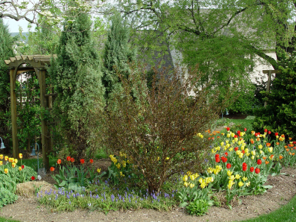
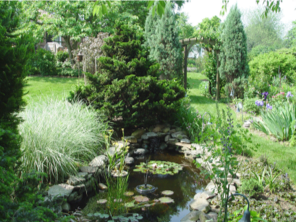

One way to attract pollinators and reduce mowing is to convert large, open lawn space into a meadow — in other words, “meadowscaping.” Here’s how and why…
Poison ivy is a plant that bites back. If you’re a gardener, you’ve probably run into it… or will someday. This column tells you how to recognize it, how it causes havoc and most important, how you can keep it from getting under your skin.
Rookie gardeners are reluctant to move a plant they know is in the wrong place because they’re afraid they’ll kill it. Veteran gardeners, on the other hand, have moved every plant in their yard a minimum of three times. Here’s a rundown on how to jack up the odds of moving a plant and having it survive.
Disease in the landscape is a tough issue for gardeners. The good news is that most diseases are plant-specific (i.e. they won’t kill off the whole landscape), and many of them are cosmetic and ignorable.
Heirloom tomatoes are supposed to be even more disease-prone than hybrid ones. Yet Heng Lim grows perfectly healthy heirlooms without spraying. How does he do it?
When to do what around the yard? It’s a question that baffles many a homeowner, mainly because it’s not something that’s taught in school… and because few people paid attention when their parents tried to teach them the fine art of yard care. So most people wing it, hoping they’re not cutting the bushes at […]
You’ll fare a lot better against weeds if you yank or kill them when they’re little… or prevent them from sprouting in the first place. Here’s my strategy for keeping a lid on weed problems.
Native plants are a hot trend lately. But how local does a native plant need to be? Cumberland County Master Gardener Susan Skender came up with detailed lists of plants native just to the six counties around Harrisburg.
Do you really want or need that perfect green carpet of a lawn? An alternative is “good-enough grass” that’s a lot less expensive and less difficult to attain but still decent enough to keep you from dragging down the neighborhood.
The loss of the pollinator population is something home gardeners can help by knocking off spraying, planting more variety and not “sanitizing” the landscape.